0%

Table of Contents

Look, I've spent the last fifteen years breathing dust on construction sites, getting to know every type of flooring out there. And let me tell you, when you’re trying to get a project done on time and under budget, you need materials that just work. That’s where understanding pvc flooring roll price becomes critical. It's not just about finding the cheapest option; it’s about long-term value, reliability, and minimizing headaches down the line. We’re talking about floors that can handle heavy equipment, constant foot traffic, and the inevitable spills and scrapes that happen on every job.

What I’ve seen is that good flooring—and I mean really good flooring—has to balance cost with performance. Too many times, I’ve watched crews tear up improperly installed or low-quality floors, costing the project time, money, and reputation. Knowing the nuances of pvc flooring roll price – the different grades, thicknesses, wear layers – it’s not just some spec sheet detail; it's the difference between a smooth-running project and a complete disaster. I've seen firsthand how choosing the right material impacts the schedule and ultimately, the client's satisfaction.

And honestly, things are changing fast. There’s a lot of innovation happening with PVC flooring, making it more durable, sustainable, and easier to install than ever before. Ignoring these advancements and just sticking with what you know is a recipe for falling behind. Understanding the current market for pvc flooring roll price is a moving target, so staying informed is crucial for any contractor looking to stay competitive.

Understanding PVC Flooring Roll Price for Durable and Cost Effective Solutions

The Importance of Understanding pvc flooring roll price

Understanding PVC Flooring Roll Price for Durable and Cost Effective Solutions

From hospitals to warehouses, schools to gyms, PVC flooring is everywhere, and its demand is consistently growing. Globally, the PVC flooring market is a multi-billion dollar industry – reports show it’s projected to reach over $40 billion by 2028. That kind of growth isn’t accidental; it reflects a real need for durable, affordable, and versatile flooring solutions. We’re talking about sectors where hygiene, safety, and resilience are paramount.

The biggest challenge I see in the field is folks trying to cut corners on flooring. They think they’re saving money upfront, but end up paying more in the long run for repairs, replacements, and downtime. Understanding pvc flooring roll price isn't just about the initial cost per roll; it’s about the total cost of ownership over the life of the floor.

Defining pvc flooring roll price for Practical Applications

Let’s be clear: pvc flooring roll price refers to the cost of vinyl flooring sold in rolls, rather than tiles or planks. This is often the most economical choice for larger spaces, minimizing seams and making installation faster, and therefore, cheaper. The price varies wildly depending on the thickness, wear layer, backing material, and brand.

This isn’t just about fitting out offices anymore. We're seeing PVC increasingly used in healthcare facilities because of its hygienic properties, in industrial settings due to its durability, and even in residential construction thanks to advances in design and aesthetics. It’s a versatile material that can meet a wide range of needs.

Basically, when a project manager asks me about flooring, the first thing I ask them is: what kind of abuse is this floor going to take? That dictates the type of PVC – and the price – we need to consider.

Key Factors Influencing pvc flooring roll price

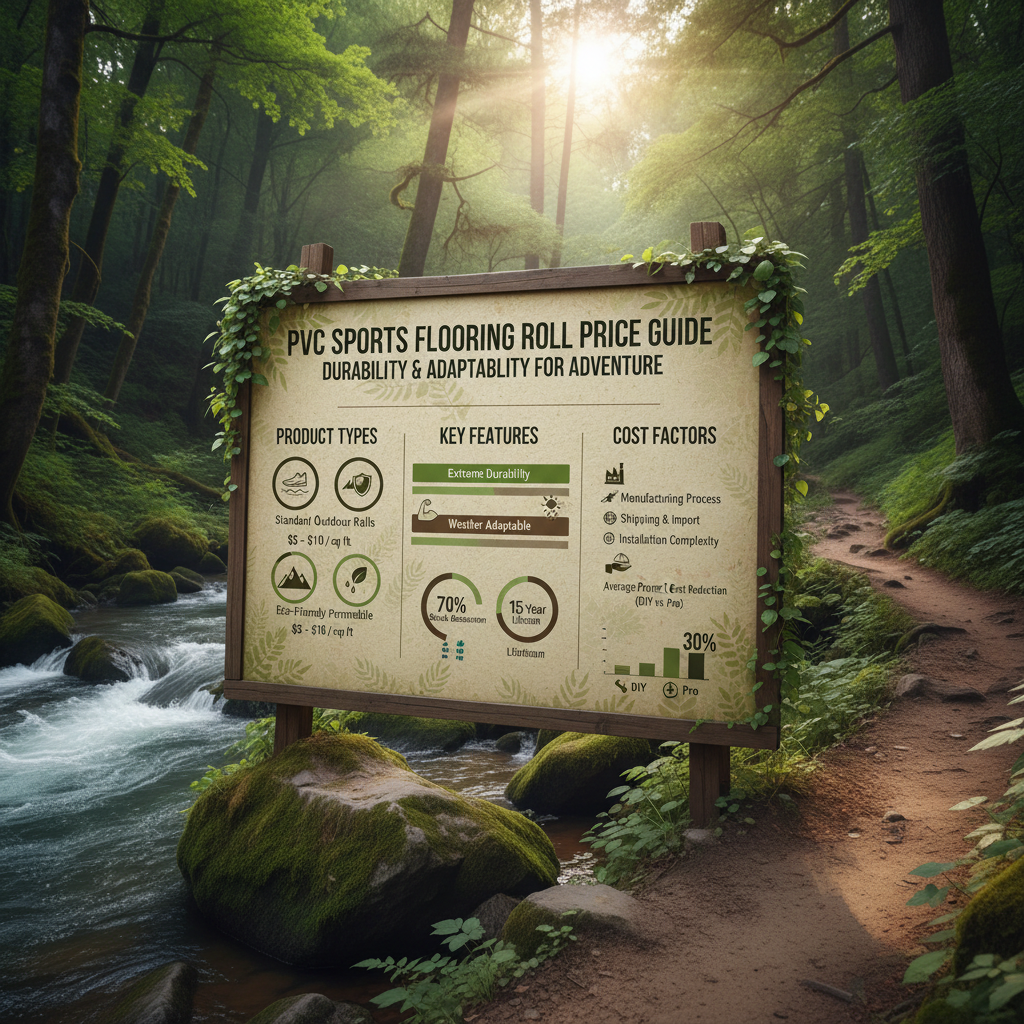
The price of PVC flooring is heavily influenced by its wear layer. That’s the top protective coating that determines how well the floor holds up to scratches, scuffs, and stains. A thicker wear layer translates to a higher pvc flooring roll price, but also a longer lifespan. I've seen floors with thin wear layers look terrible after just a year or two in high-traffic areas.

Another big factor is the backing material. Different backings offer different levels of cushioning, sound absorption, and moisture resistance. Foam backings are common for comfort, while felt backings provide better stability. The quality of the backing significantly impacts the pvc flooring roll price. Don't skimp on this; a good backing can prevent the floor from cracking or buckling over time.

Thickness matters too. Thicker PVC flooring generally offers better durability and sound insulation, but naturally, comes with a higher price tag. And finally, brand reputation plays a role. Established brands often have stricter quality control measures, which translate to a more reliable product and, yes, a higher pvc flooring roll price.

Global Applications of PVC Flooring

You see PVC flooring everywhere. Hospitals use it for its hygienic qualities and ease of cleaning. Schools choose it for its durability and affordability. Gyms rely on its resilience and shock absorption. In industrial facilities, it’s a workhorse, standing up to heavy machinery and constant wear and tear.

I’ve personally installed it in everything from food processing plants to retail stores. In Europe, there’s a big push for using PVC flooring in sustainable building projects because it can be recycled. In developing nations, it’s often the most practical option for schools and clinics where budgets are tight.

Even in disaster relief, we’re seeing PVC flooring used as a temporary solution due to its quick installation and waterproof properties. It's a versatile material, truly adaptable to diverse environments and needs.

PVC Flooring Roll Price Comparison by Application


Advantages and Long-Term Value of PVC Flooring

The biggest advantage is the cost-effectiveness, but don’t stop there. PVC flooring is incredibly durable, requiring minimal maintenance. A good install can last 10-20 years with proper care. That low maintenance translates to long-term savings. No constant waxing, polishing, or refinishing needed.

It’s also relatively easy to install, reducing labor costs. And, increasingly, manufacturers are using recycled materials in their PVC flooring, making it a more sustainable option. Choosing a quality PVC floor is an investment that pays off in the long run, saving you money and headaches.

Future Trends in PVC Flooring Technology

We’re seeing a lot of innovation in digital printing for PVC flooring, allowing for more realistic wood and stone looks. There’s also a growing focus on developing more sustainable PVC formulations, using bio-based plasticizers and increasing the use of recycled content.

Anti-microbial PVC flooring is another area of development, especially important for healthcare environments. And, with the rise of smart buildings, we might see PVC flooring integrated with sensors to monitor foot traffic or detect leaks.

Challenges and Solutions in PVC Flooring Installation

The biggest challenge is proper subfloor preparation. PVC flooring is relatively flexible, so an uneven subfloor can lead to problems. It needs to be perfectly level and smooth. The solution? Self-leveling compounds and thorough surface preparation.

Another issue is seam visibility, especially with lighter colors. Using a high-quality adhesive and ensuring proper welding of the seams is crucial. And, of course, finding experienced installers who understand the nuances of PVC flooring installation is key to a successful project.

Finally, while PVC is durable, it’s not impervious to damage. Sharp objects can puncture it, and heavy impacts can cause dents. Protecting the floor during construction and educating users about proper care are important steps.

Summary of Key Installation Considerations for PVC Flooring

Subfloor Condition Adhesive Quality Seam Welding Technique Installation Expertise
Levelness and Smoothness Rating (1-10) Adhesive Bond Strength (Low, Medium, High) Seam Visibility Score (1-10) Installer Experience (Years)
8 High 9 5+
6 Medium 7 3-5
9 High 10 7+
4 Low 5 1-3
7 Medium 8 4+

FAQS

What factors contribute most to the overall cost of pvc flooring roll price?

The most significant factors influencing the overall cost are the wear layer thickness, the quality of the backing material, and the grade of the PVC itself. Higher quality materials mean higher upfront costs, but they also equate to greater durability and a longer lifespan, ultimately reducing lifecycle costs. Installation costs also vary depending on the complexity of the job and the labor rates in your area.

How does pvc flooring roll price compare to other flooring options like tile or hardwood?

Generally, pvc flooring roll price is more affordable than hardwood or ceramic tile. It's often comparable to laminate, but offers better water resistance and durability. While hardwood offers a premium aesthetic, it requires significantly more maintenance and is susceptible to damage. Tile is very durable, but can be cold underfoot and more difficult to install.

Is PVC flooring a sustainable choice?

PVC has a history of environmental concerns, but significant advancements are being made in sustainable PVC production. Manufacturers are increasingly using recycled content and bio-based plasticizers. Look for certifications like FloorScore and products with Environmental Product Declarations (EPDs) to ensure you're choosing a more environmentally friendly option. Proper disposal and recycling are also crucial.

What’s the best way to get an accurate quote for pvc flooring roll price?

The best way is to get quotes from multiple suppliers and installers. Be sure to provide them with accurate measurements of the space, details about the subfloor condition, and your specific requirements (e.g., wear layer, backing, desired aesthetic). Don't just focus on the price per roll; consider the total cost, including installation, materials, and any necessary subfloor preparation.

What are the key considerations when choosing a wear layer for pvc flooring?

The wear layer dictates the flooring's durability. For low-traffic residential areas, a 12-mil wear layer might suffice. For moderate commercial traffic, a 20-mil wear layer is recommended. High-traffic areas like hospitals, schools, or industrial facilities require a 28-mil or thicker wear layer to withstand constant wear and tear. Always assess the expected foot traffic when selecting a wear layer.

How important is proper subfloor preparation for installing PVC flooring?

Proper subfloor preparation is critical. PVC flooring is flexible, so an uneven subfloor will telegraph through the finished floor, leading to premature wear and potential damage. The subfloor must be clean, dry, level, and smooth. Self-leveling compounds are often used to address minor imperfections. Skipping this step will almost always lead to problems down the road.

Conclusion

Understanding pvc flooring roll price goes far beyond simply comparing numbers. It's about understanding the factors that contribute to long-term value, durability, and performance. From the wear layer to the backing material, from subfloor preparation to installation expertise, every detail matters. When you prioritize quality and consider the total cost of ownership, PVC flooring can be a smart and economical choice for a wide range of applications.

Looking ahead, the future of PVC flooring is bright, with ongoing innovations in sustainability, design, and functionality. Don't be afraid to explore new options and consult with experienced professionals to find the best flooring solution for your specific needs. Visit our website at Langning Sports to explore our wide selection and get a free quote today.

Caleb Peterson

Caleb Peterson

Caleb Peterson is a Design Engineer at Langning Sports Flooring, focused on the development of new flooring solutions, particularly for dance studios and gym flooring. He leverages his creative skills and technical expertise to design aesthetically pleasing and highly functional surfaces. Caleb is a key contributor to the company’s expanding
Previous Durable and Versatile pvc plastic flooring rolls for Industrial and Construction Applications
Next Is PVC Safe for Vinyl Floors A Comprehensive Guide to Materials and Health