Look, I’ve spent the last fifteen years tracking mud onto job sites, smelling concrete dust, and arguing with engineers over spec sheets. What I’ve learned is simple: you need materials you can depend on. And increasingly, that material is pvc plastic flooring rolls. It's not sexy, it's not glamorous, but it gets the job done, and it gets it done reliably. We’re talking everything from temporary walkways on construction to full-scale flooring for industrial spaces – even pop-up hospitals. It’s a workhorse.
For years, we relied on plywood, then rubber mats, and then these composite materials that always seemed to fall apart just when you needed them most. pvc plastic flooring rolls changed that. It’s consistently durable, easy to work with, and, frankly, saves us headaches – and money – in the long run. The sheer volume we’re seeing now shows it. Globally, the market’s expected to hit nearly $15 billion by 2028, a significant jump that reflects its increasing adoption across various sectors.
This isn't just about a trend. It’s about recognizing a need for robust, adaptable, and cost-effective flooring solutions. It’s about solving real-world problems on the ground. I’ve seen firsthand how pvc plastic flooring rolls has streamlined projects, improved safety, and just made life a little easier for the crews out there.
The Practicality of pvc plastic flooring rolls
Let's be honest, I don't care about fancy materials that require specialized training to install. I need something my crew can roll out and secure quickly, without needing a degree in engineering. pvc plastic flooring rolls delivers on that. It's lightweight enough to handle easily, yet tough enough to withstand the daily abuse of a construction site.
From protecting finished floors from damage during renovation to providing a clean and safe surface for workers, it’s incredibly versatile. And when a project's done, it can be easily rolled up and moved to the next job, or even repurposed. That adaptability saves time and money, and that’s what matters.
Global Relevance and Market Growth
It’s not just us in North America seeing the benefits. You look at rapid industrialization in Asia, infrastructure development in Africa, and disaster relief efforts globally – pvc plastic flooring rolls is becoming a standard. The UN has even used it in refugee camps because of its ease of installation and sanitation benefits. The demand is driving innovation and lowering costs, making it accessible for more projects.
The global flooring market is huge, but the pvc plastic flooring rolls segment is growing at a significantly faster rate than traditional materials. According to recent industry reports, the Asia-Pacific region dominates the market due to its rapid construction activities and increasing industrialization. This isn't a fad; it's a fundamental shift in how we approach flooring solutions.
What’s driving this? Simply put, it’s a need for solutions that are durable, cost-effective, and easy to deploy in challenging environments. The old ways of doing things just aren’t cutting it anymore, especially with increasingly tight project timelines and budgets.
Defining pvc plastic flooring rolls: A Site Manager's Perspective
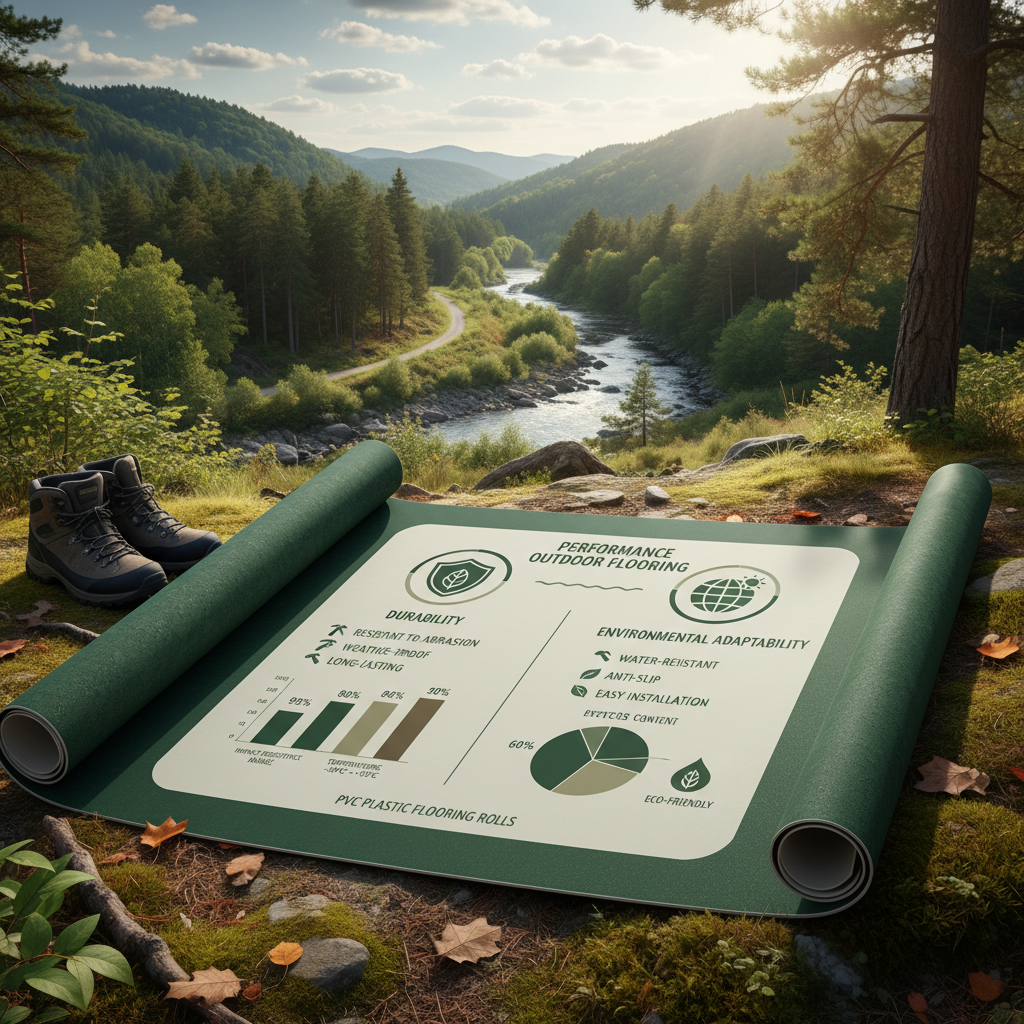
Forget the technical jargon. pvc plastic flooring rolls is basically a resilient floor covering made from polyvinyl chloride. It comes in rolls of varying thicknesses and widths, often with a backing for added stability. It's engineered to withstand heavy foot traffic, impact, and moisture – all the things you encounter on a typical construction site.
What sets it apart from other materials is its combination of properties. It's flexible, which makes it easy to install over uneven surfaces. It's waterproof, so it can handle spills and wet conditions. And it's surprisingly durable, resisting tears and punctures that would quickly destroy other types of flooring. I’ve seen it hold up to forklifts and heavy machinery without a scratch.
It's connected to modern industry because it addresses the demand for efficient, safe, and sustainable building practices. In humanitarian needs, it provides a quick and hygienic flooring solution for temporary shelters and medical facilities. It’s a practical answer to real-world challenges.
Core Advantages: What Makes It Work
Let's get down to brass tacks. What truly makes pvc plastic flooring rolls a game-changer? It boils down to a few key factors. First, durability. This stuff can take a beating. Second, its resistance to moisture and chemicals. We're dealing with everything from paint spills to hydraulic fluid, and it doesn't flinch.
Then there's the ease of installation. No need for adhesives or specialized tools in many cases. Just unroll it, secure it, and you're good to go. Finally, cost-effectiveness. Compared to epoxy coatings or specialized flooring systems, it's a fraction of the price without sacrificing performance.
Comparison of pvc plastic flooring rolls Methods
Real-World Applications and Use Cases
I've seen pvc plastic flooring rolls used in everything from temporary walkways on massive construction projects to covering the floors of portable hospitals set up during emergencies. In post-disaster relief operations, it provides a clean and safe surface for aid workers and displaced populations.
We've used it extensively in industrial facilities, protecting concrete floors from damage and providing a non-slip surface for workers. In remote industrial zones where consistent flooring is difficult to maintain, it's a lifesaver. It's even finding its way into commercial spaces, like gyms and warehouses, where durability and ease of cleaning are paramount.
Long-Term Value and Benefits
The initial cost savings are obvious, but the long-term value of pvc plastic flooring rolls extends beyond that. Reduced maintenance costs, longer lifespan, and fewer replacements all contribute to a lower total cost of ownership. And let's not forget the safety benefits – a non-slip surface can significantly reduce workplace accidents.
Beyond the practical aspects, there’s a peace of mind that comes with using a reliable product. It’s one less thing to worry about on a busy job site. It frees up time and resources to focus on the core tasks at hand, ultimately boosting productivity and profitability.
Future Trends and Innovations in pvc plastic flooring rolls
We're already seeing innovations in pvc plastic flooring rolls, with manufacturers exploring bio-based PVC options to reduce environmental impact. There's also research into incorporating recycled materials into the production process, furthering sustainability efforts.
I expect to see more smart flooring solutions in the future, with integrated sensors for monitoring foot traffic, temperature, and even structural integrity. The integration of digital technologies will allow for more efficient facility management and proactive maintenance.
The push for sustainable building practices will continue to drive demand for eco-friendly flooring options, and pvc plastic flooring rolls is well-positioned to lead the way.
Summary of Challenges and Solutions in pvc plastic flooring rolls Application
| Challenge |
Impact on Project |
Potential Solution |
Implementation Cost (1-10) |
| Uneven Subfloor |
Compromised stability and potential tripping hazards. |
Self-leveling underlayment or thicker grade of pvc plastic flooring rolls. |
6 |
| Seam Visibility |
Aesthetic concerns in certain applications. |
Heat welding or using seam tape for a more seamless appearance. |
4 |
| Limited Color Options |
Difficulty matching existing décor or branding. |
Custom printing or layering with other materials. |
7 |
| Wear and Tear in High Traffic Areas |
Reduced lifespan and increased maintenance needs. |
Applying a protective coating or using a thicker, more durable grade. |
5 |
| Environmental Concerns (PVC Composition) |
Growing demand for sustainable materials. |
Exploring bio-based PVC options or incorporating recycled content. |
8 |
| Difficulties in Removal and Recycling |
Waste disposal challenges at the end of its lifespan. |
Developing innovative recycling programs or designing for easier disassembly. |
7 |
FAQS
The thickness of pvc plastic flooring rolls directly impacts its durability and resistance to wear and tear. Thinner rolls (1.5-2mm) are ideal for temporary protection or low-traffic areas, like covering finished floors during renovation. Medium thicknesses (2.5-3mm) work well for general-purpose use in warehouses or light industrial settings. Heavier rolls (4mm+) are best suited for high-traffic areas, heavy machinery zones, or applications requiring superior impact resistance. Choosing the right thickness saves money in the long run by minimizing replacements.
pvc plastic flooring rolls is exceptionally easy to clean and disinfect thanks to its non-porous surface. Simple sweeping or vacuuming removes loose debris, and mopping with a mild detergent and water effectively cleans the surface. For environments requiring higher hygiene standards – like hospitals or food processing facilities – you can use commercial disinfectants without damaging the flooring. Its resistance to staining and mildew further contributes to maintaining a clean and safe environment.
While pvc plastic flooring rolls can be used outdoors for temporary applications, prolonged UV exposure can cause it to become brittle and fade. For more permanent outdoor use, it’s essential to choose rolls specifically formulated with UV stabilizers. These stabilizers help protect the PVC from degradation caused by sunlight. Alternatively, consider covering the flooring with a protective layer or providing shade to minimize UV exposure.
The lifespan of pvc plastic flooring rolls varies depending on the thickness, usage conditions, and maintenance. Generally, with proper care, it can last anywhere from 5 to 15 years. Heavier-duty rolls in low-traffic areas can exceed 15 years. Regular cleaning, avoiding harsh chemicals, and protecting it from excessive loads will maximize its lifespan. It's a durable material, but not indestructible.
pvc plastic flooring rolls is significantly more cost-effective than epoxy or hardwood flooring. Epoxy coatings require professional installation and can be expensive, while hardwood is prone to damage and requires ongoing maintenance. pvc plastic flooring rolls offers a balance of durability and affordability, making it an attractive option for budget-conscious projects. The total cost of ownership is typically lower due to reduced maintenance and replacement needs.
The environmental impact of PVC is a valid concern. However, manufacturers are increasingly adopting sustainable practices, such as using recycled content and developing bio-based PVC alternatives. Responsible disposal is crucial; check with local regulations for recycling options. Compared to some other flooring materials, PVC has a lower carbon footprint in production, and its durability reduces the need for frequent replacements, minimizing waste.
Conclusion
pvc plastic flooring rolls isn’t a flashy material, but it's a practical one. It consistently delivers on durability, cost-effectiveness, and ease of installation, making it a go-to solution for a wide range of applications, from construction sites to industrial facilities. Its global adoption reflects a growing recognition of its value in addressing real-world challenges.
Looking ahead, continued innovation in materials and manufacturing will further enhance its sustainability and performance. If you're looking for a reliable, versatile, and affordable flooring solution, don't overlook the power of pvc plastic flooring rolls. Visit our website at www.langningsports.com to learn more and explore our product offerings.