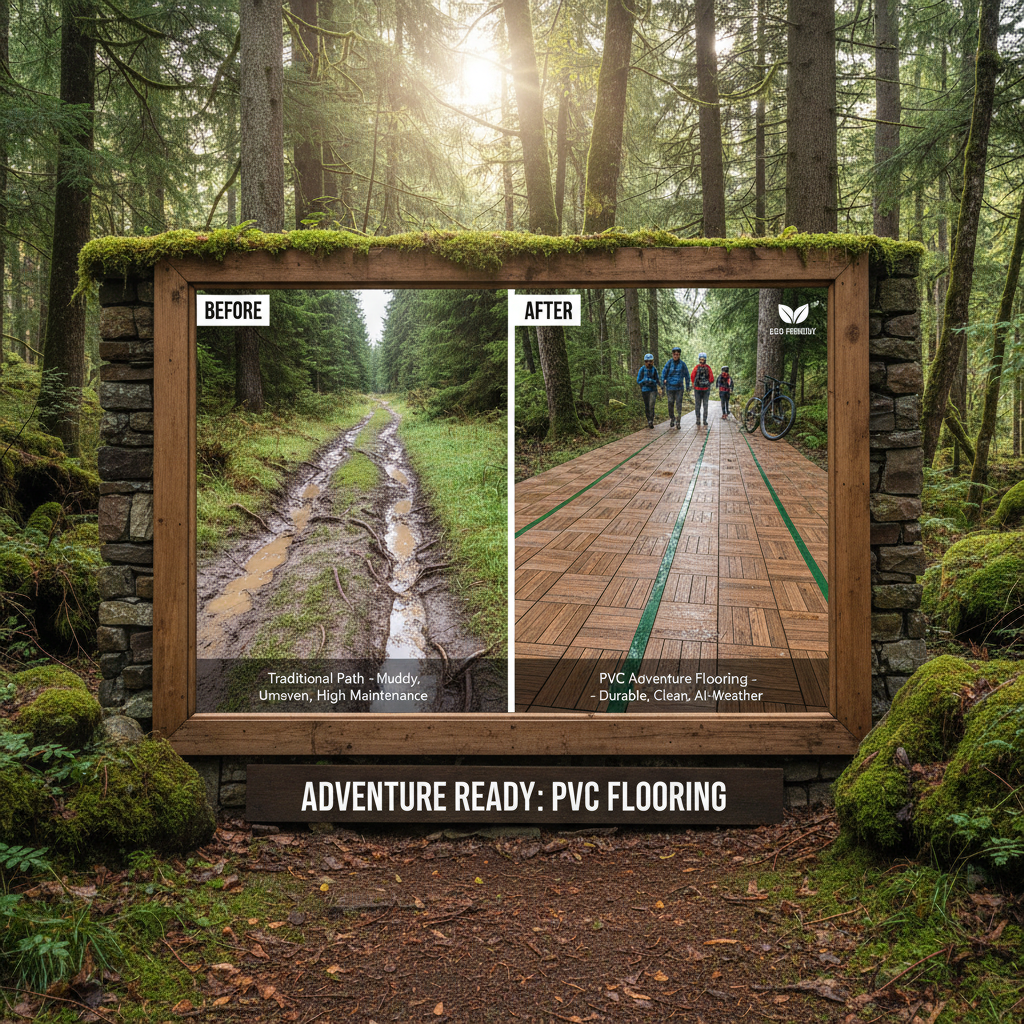
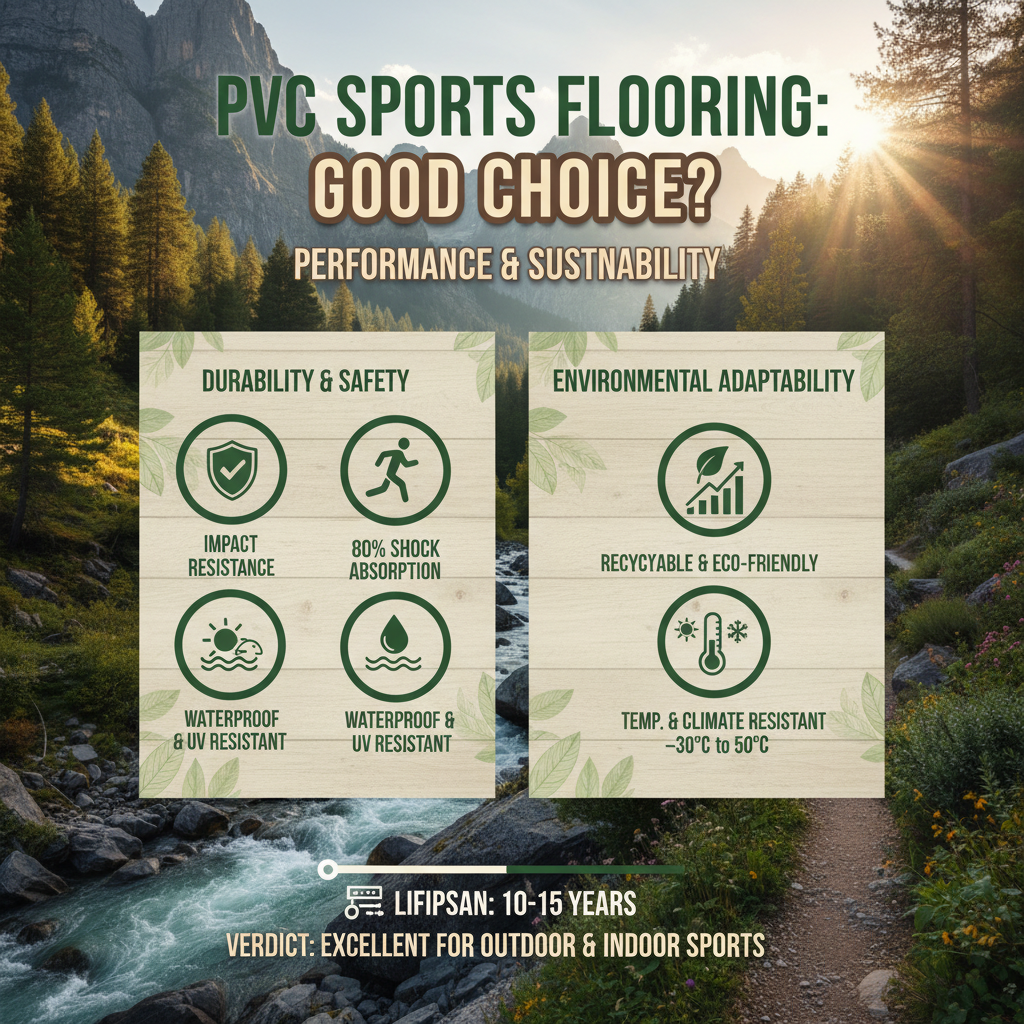
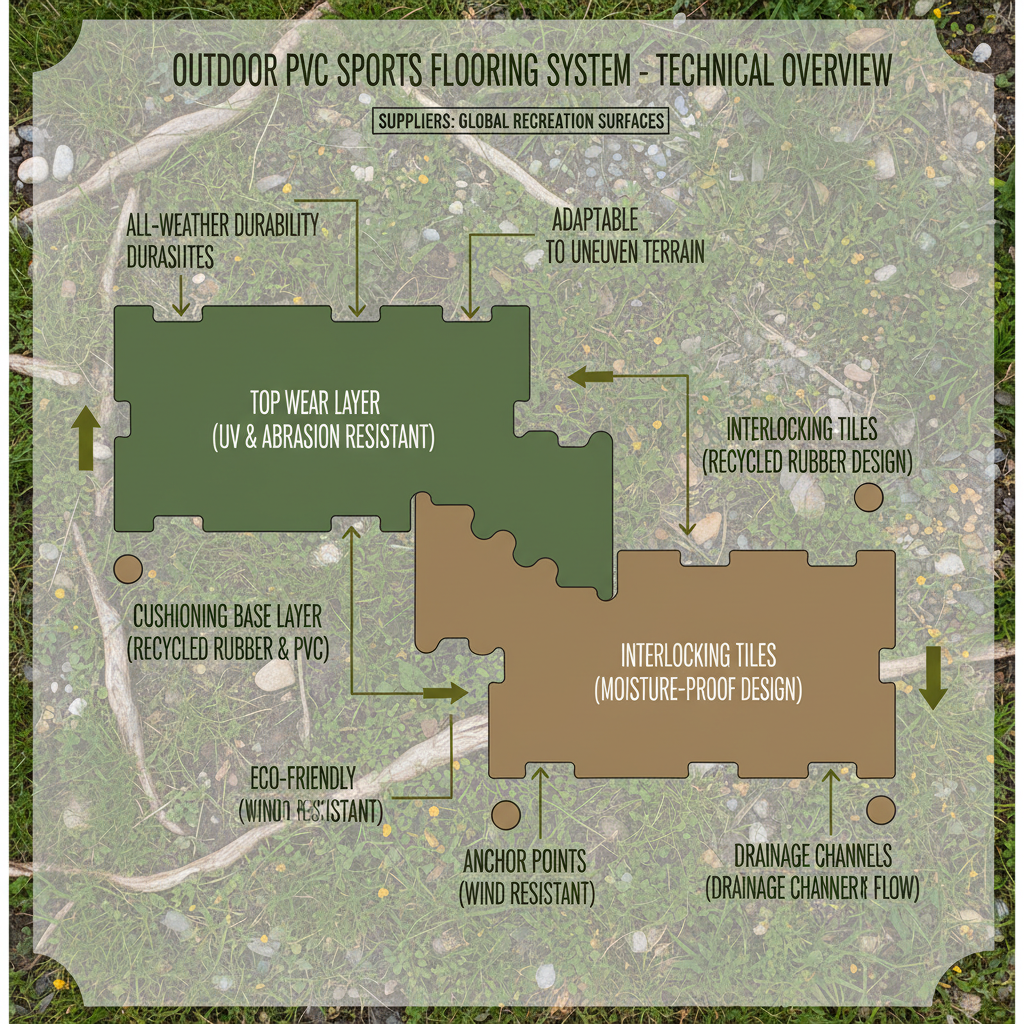
PVC flooring has become a ubiquitous material in modern construction and interior design, increasingly recognized for its blend of affordability, durability, and versatility. The question of “is pvc flooring good” isn’t simply a yes or no; it’s about understanding its nuanced properties and how they align with specific needs and applications. From bustling commercial spaces to cozy residential homes, PVC flooring offers a practical and aesthetically pleasing solution for a wide range of environments.
The global demand for flooring materials is consistently high, driven by new construction, renovation projects, and increasing population density. According to industry reports, the PVC flooring market is experiencing significant growth, particularly in emerging economies. This growth underscores a critical need for informed decision-making – consumers and builders alike need to assess whether PVC flooring genuinely represents a “good” investment, considering factors like environmental impact, long-term cost, and performance characteristics.
Ultimately, deciding if PVC flooring is good depends on a comprehensive evaluation of its benefits and drawbacks. This article aims to dissect those elements, providing a clear, detailed assessment of PVC flooring’s strengths, weaknesses, applications, and future trends, ensuring a well-rounded understanding of this important building material.
Defining PVC Flooring and its Relevance
PVC (polyvinyl chloride) flooring is a synthetic flooring material made from concentrated vinyl compounds, plasticizers, and stabilizers. It’s available in a variety of formats, including sheets, tiles, and planks, offering flexibility in design and installation. Understanding what is pvc flooring good requires first recognizing its versatility as a building material.
Its relevance stems from its ability to provide a durable, waterproof, and aesthetically pleasing surface at a relatively low cost. In a world facing increasing housing demands and a need for sustainable building practices, PVC flooring presents a viable option for both residential and commercial applications, making the question of “is pvc flooring good” a particularly pertinent one.
The Chemical Composition of PVC Flooring
PVC flooring’s composition is key to understanding its properties. The primary ingredient, polyvinyl chloride, is a polymer created through the polymerization of vinyl chloride monomer. This base material is then combined with plasticizers, which add flexibility and softness, enabling the flooring to withstand impact and foot traffic. Stabilizers are also incorporated to protect against degradation from heat and UV exposure. The proportions of these components significantly impact the quality and performance of the final product, directly influencing whether is pvc flooring good.
Furthermore, modern PVC flooring often incorporates additives like pigments for coloration, fillers to reduce cost and enhance stability, and antimicrobial agents to inhibit bacterial growth. However, the use of certain plasticizers, like phthalates, has raised environmental and health concerns, leading to the development of alternative, more sustainable plasticizer options. This ongoing evolution in material science is constantly shaping the answer to the question: is pvc flooring good?
The manufacturing process involves blending these ingredients, calendaring or extrusion to form the desired shape (sheets, tiles, planks), and then applying a wear layer – a transparent protective coating – to enhance durability and scratch resistance. The quality of this wear layer is often a critical determinant of how well is pvc flooring good long term.
Core Benefits: Why is PVC Flooring Good?
When assessing “is pvc flooring good”, its core benefits quickly become apparent. First and foremost, PVC flooring is exceptionally durable and resistant to scratches, dents, and stains, making it ideal for high-traffic areas. This longevity translates to lower lifecycle costs compared to some other flooring options. Its inherent waterproof nature makes it suitable for kitchens, bathrooms, and basements, environments where moisture is a constant concern.
Beyond durability and water resistance, PVC flooring is renowned for its comfort underfoot. It has a slight give that’s more forgiving than harder surfaces like tile or hardwood. Moreover, it’s relatively easy to install, often available in click-lock systems that require no adhesive, reducing installation time and costs. A huge aspect of whether is pvc flooring good relies on the convenience it provides.
Finally, PVC flooring offers unmatched design versatility. It can mimic the look of natural materials like wood, stone, and tile, providing aesthetic appeal without the associated price tag or maintenance requirements. This ability to replicate high-end looks makes it a budget-friendly alternative, reinforcing the idea that is pvc flooring good from a cost perspective.
Cost Analysis: A Deep Dive into Affordability
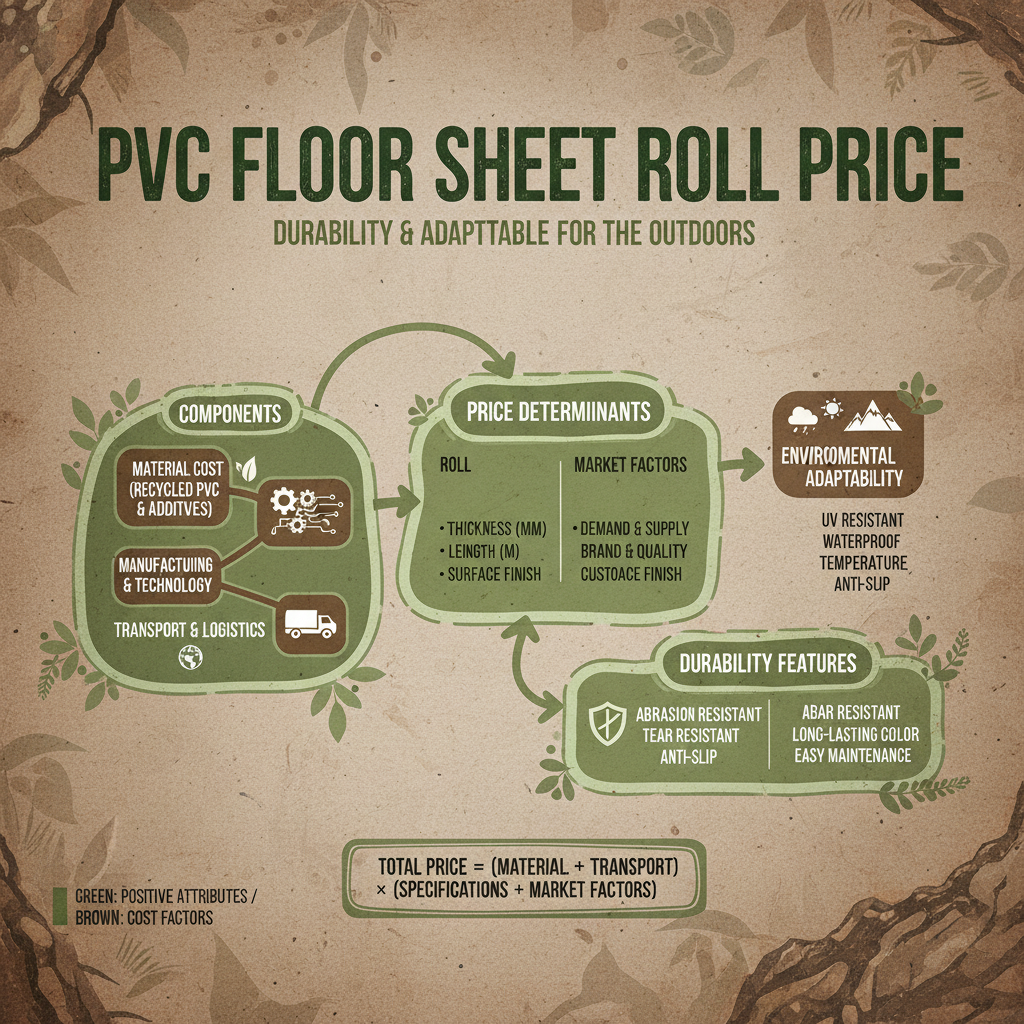
One of the most compelling arguments for “is pvc flooring good” centers around its affordability. Compared to natural materials like hardwood, marble, or even some ceramic tiles, PVC flooring is significantly less expensive, both in terms of material costs and installation. This makes it accessible to a wider range of budgets, especially for large-scale projects.
Cost Comparison: is PVC Flooring Good Value?
Real-World Applications of PVC Flooring
The versatility of PVC flooring means it's employed across a remarkably diverse range of applications. In residential settings, it's a popular choice for kitchens, bathrooms, laundry rooms, and basements, where its waterproof qualities are particularly valuable. The ability to visually replicate higher-end materials makes it ideal for homeowners seeking style without a substantial investment, answering the question of is pvc flooring good for residential use.
Commercially, PVC flooring is frequently used in retail stores, hospitals, schools, and offices, due to its durability, ease of maintenance, and ability to withstand heavy foot traffic. In healthcare settings, its hygienic properties – ease of cleaning and antimicrobial options – are critical. Within the industrial sector, PVC flooring's resistance to chemicals and oils makes it suitable for factories and workshops. These wide-ranging applications powerfully demonstrate that is pvc flooring good for a broad spectrum of uses.
Long-Term Value and Sustainability
Beyond immediate cost savings, considering the long-term value of PVC flooring is crucial when asking “is pvc flooring good?”. Its durability reduces the frequency of replacement, lowering lifecycle costs. Furthermore, advancements in PVC recycling technologies are mitigating environmental concerns associated with its disposal, increasing its sustainability profile.
However, it’s important to note that not all PVC flooring is created equal. Choosing products with recycled content and low-VOC (volatile organic compound) emissions contributes to a healthier indoor environment and a smaller environmental footprint. Responsible manufacturing practices and proper disposal methods are essential to maximizing the sustainability benefits and solidifying the perception that is pvc flooring good from an environmental standpoint.
Ultimately, a focus on durability, responsible sourcing, and end-of-life management are key to unlocking the full long-term value of PVC flooring.
Future Innovations in PVC Flooring Technology
The future of PVC flooring is poised for innovation. Researchers are actively developing bio-based PVC formulations, utilizing renewable resources to reduce reliance on fossil fuels. This shift toward bio-PVC is a significant step toward enhancing the sustainability of the material and directly addressing concerns about its environmental impact.
Core Analysis of PVC Flooring Future Trends
| Trend Category |
Innovation Description |
Potential Impact (1-10) |
Timeline for Adoption |
| Bio-Based PVC |
Replacing fossil fuel-derived components with renewable sources. |
8 |
5-10 years |
| Enhanced Recyclability |
Developing advanced recycling processes to recover and reuse PVC materials. |
7 |
3-7 years |
| Digital Printing Technologies |
Utilizing digital printing for customized designs and reduced waste. |
6 |
2-5 years |
| Improved Wear Layers |
Developing more scratch-resistant and durable wear layers. |
9 |
1-3 years |
| Antimicrobial Integration |
Incorporating advanced antimicrobial agents to inhibit bacterial growth. |
7 |
3-5 years |
| Self-Healing Technologies |
Developing surfaces that can automatically repair minor scratches and dents. |
5 |
5-10 years |
FAQS
PVC flooring is generally considered safe, but it's crucial to choose products certified as low-VOC (volatile organic compound) emissions. These certifications ensure minimal off-gassing of potentially harmful chemicals. Look for certifications like FloorScore or GreenGuard. When considering is pvc flooring good for families, prioritize low-VOC options and ensure proper ventilation during installation.
The lifespan of PVC flooring varies depending on its quality, wear layer thickness, and the level of foot traffic. High-quality PVC flooring with a robust wear layer can last 10-20 years or even longer with proper maintenance. Understanding the thickness of the wear layer is key when determining if is pvc flooring good for long term use. Regular cleaning and avoiding abrasive materials will extend its lifespan.
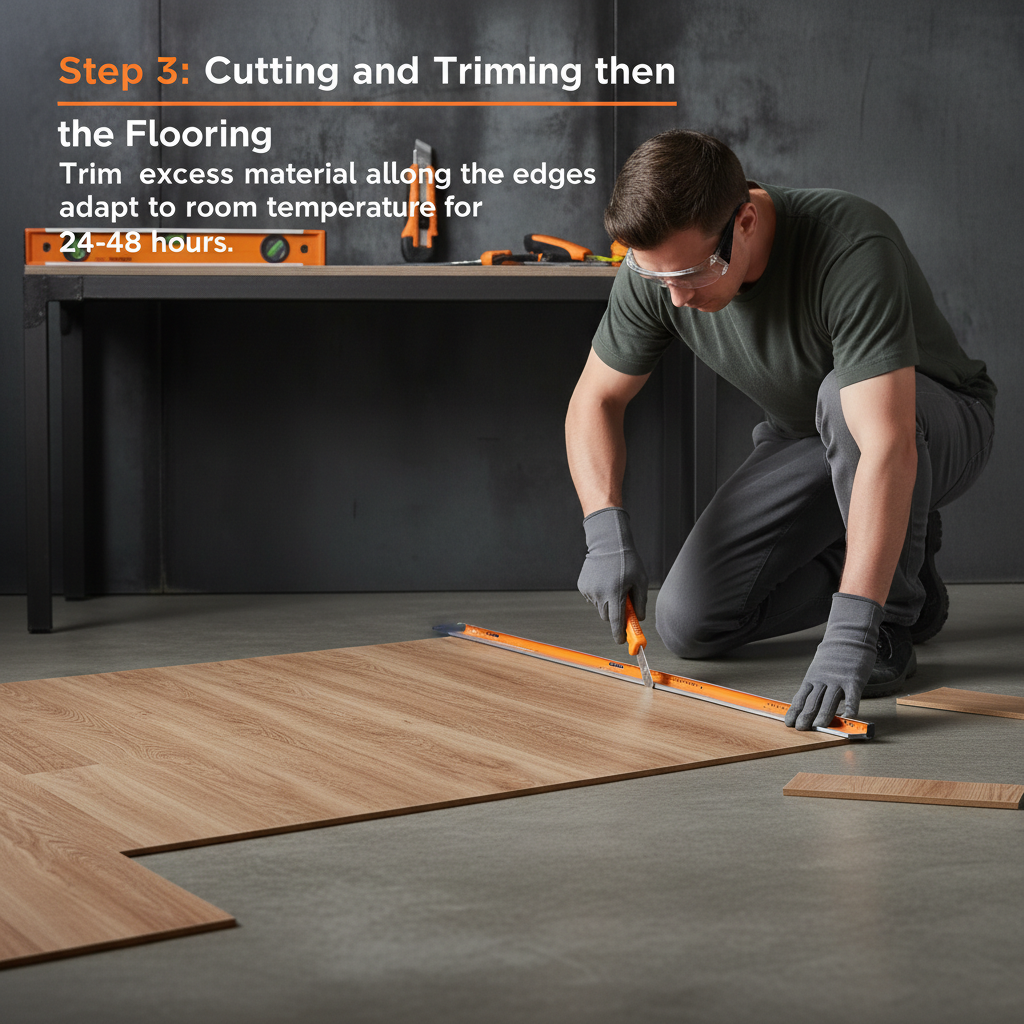
Yes, in many cases, PVC flooring can be installed over existing flooring, but it depends on the condition and type of the existing surface. The subfloor must be level, clean, and dry. It's recommended to use an underlayment to provide cushioning and smooth out minor imperfections. Determining if is pvc flooring good for a DIY install relies heavily on surface prep.
PVC flooring generally offers superior water resistance compared to laminate. While laminate has a water-resistant surface, it's susceptible to swelling and damage if moisture penetrates the core. PVC is inherently waterproof, making it a better choice for damp areas. In terms of durability, both can be quite durable, but high-quality PVC tends to be more resistant to scratches and dents, enhancing whether is pvc flooring good for high traffic areas.
PVC flooring has historically raised environmental concerns due to its production and disposal. However, advancements in recycling technology and the development of bio-based PVC are improving its sustainability profile. Choosing products with recycled content and low-VOC emissions is crucial. When questioning is pvc flooring good for the environment, informed selection is paramount.
Regular sweeping or vacuuming is sufficient for routine cleaning. For deeper cleaning, use a mild detergent and warm water. Avoid abrasive cleaners or scouring pads, as they can damage the wear layer. Proper maintenance ensures the longevity and appearance of your flooring, demonstrating that is pvc flooring good in the long run with minimal effort.
Conclusion
In conclusion, the question of “is pvc flooring good” isn’t a simple one, but a nuanced evaluation reveals a material with considerable benefits. Its affordability, durability, water resistance, and design versatility make it a compelling choice for a wide range of applications, from residential homes to commercial buildings. Advancements in sustainability, such as bio-based formulations and improved recycling processes, are further enhancing its appeal.
Looking ahead, continued innovation in PVC flooring technology promises even more sustainable and high-performing options. By prioritizing responsible sourcing, low-VOC products, and proper maintenance, consumers can maximize the long-term value and minimize the environmental impact of PVC flooring. To learn more about the possibilities and find the right PVC flooring solution for your needs, visit our website: is pvc flooring good.