PVC flooring has become a ubiquitous material in modern construction and interior design, but a key question arises: is pvc flooring durable? Understanding its lifespan, resistance to wear and tear, and overall longevity is crucial for making informed decisions, whether you’re a homeowner, contractor, or architect. The answer isn't simply yes or no; it depends on various factors, including the quality of the PVC, the wear layer thickness, installation practices, and the level of traffic it endures. is pvc flooring durable depends on these variables.
Globally, the demand for resilient flooring is surging, driven by urbanization, increasing construction activity, and a growing preference for cost-effective and low-maintenance solutions. According to a report by Grand View Research, the global resilient flooring market was valued at USD 43.86 billion in 2022 and is projected to reach USD 65.16 billion by 2030. PVC flooring accounts for a significant portion of this market, making its durability a critical concern for sustainable building practices and long-term cost savings.
Addressing the question of ‘is pvc flooring durable’ also touches upon environmental concerns. A durable floor means less frequent replacement, reducing waste and the embodied carbon footprint of construction projects. Therefore, understanding its durability characteristics is vital for aligning flooring choices with broader sustainability goals.
Defining PVC Flooring Durability
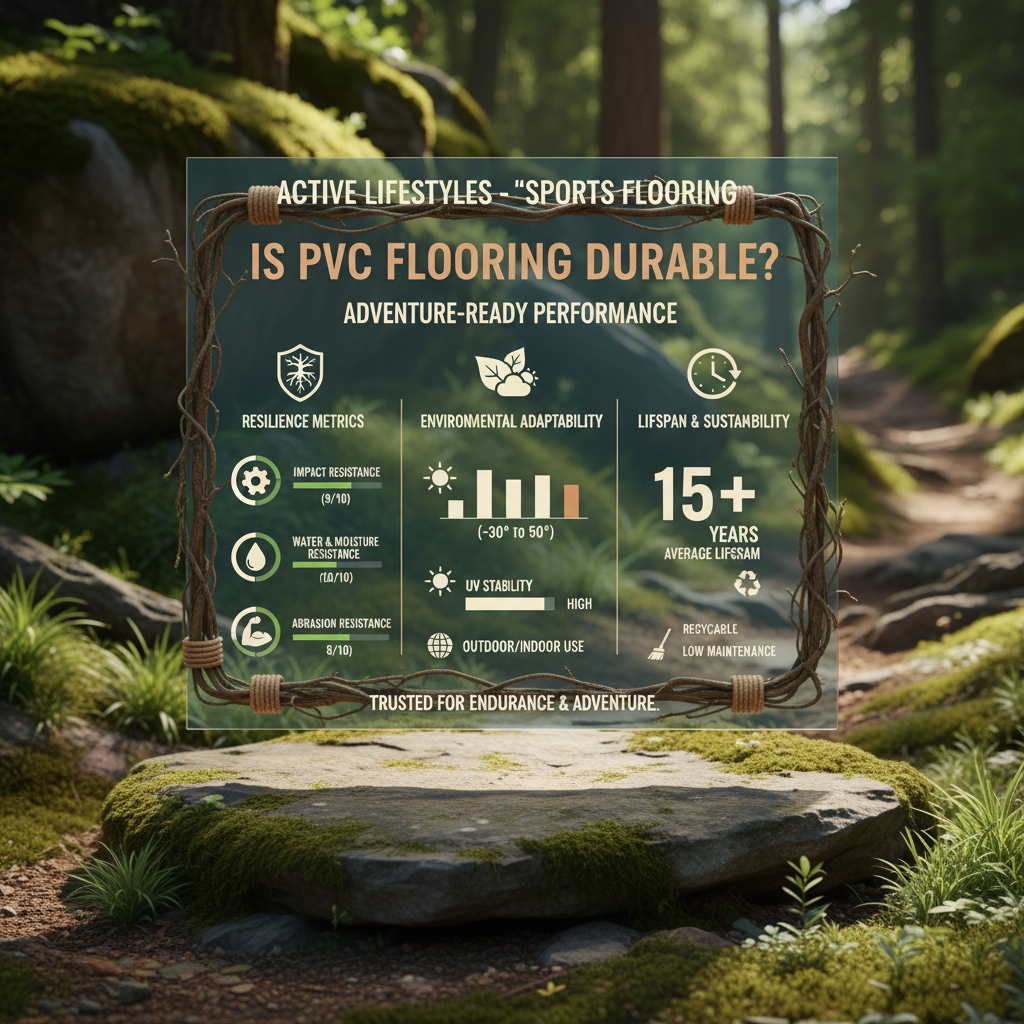
When we ask ‘is pvc flooring durable’, we’re essentially looking at its ability to resist damage, maintain its appearance, and withstand regular use over an extended period. Durability in PVC flooring isn’t a single characteristic, but rather a combination of resistance to scratches, dents, fading, water damage, and general wear. The term ‘durable’ in this context signifies a long service life with minimal maintenance.
This definition connects directly to modern construction needs. Building owners and managers increasingly prioritize materials that offer a low total cost of ownership – meaning initial cost plus long-term maintenance and replacement expenses. A durable PVC floor reduces the frequency of replacements, leading to significant savings and minimizing disruption.
The Composition and Manufacturing of Durable PVC Flooring
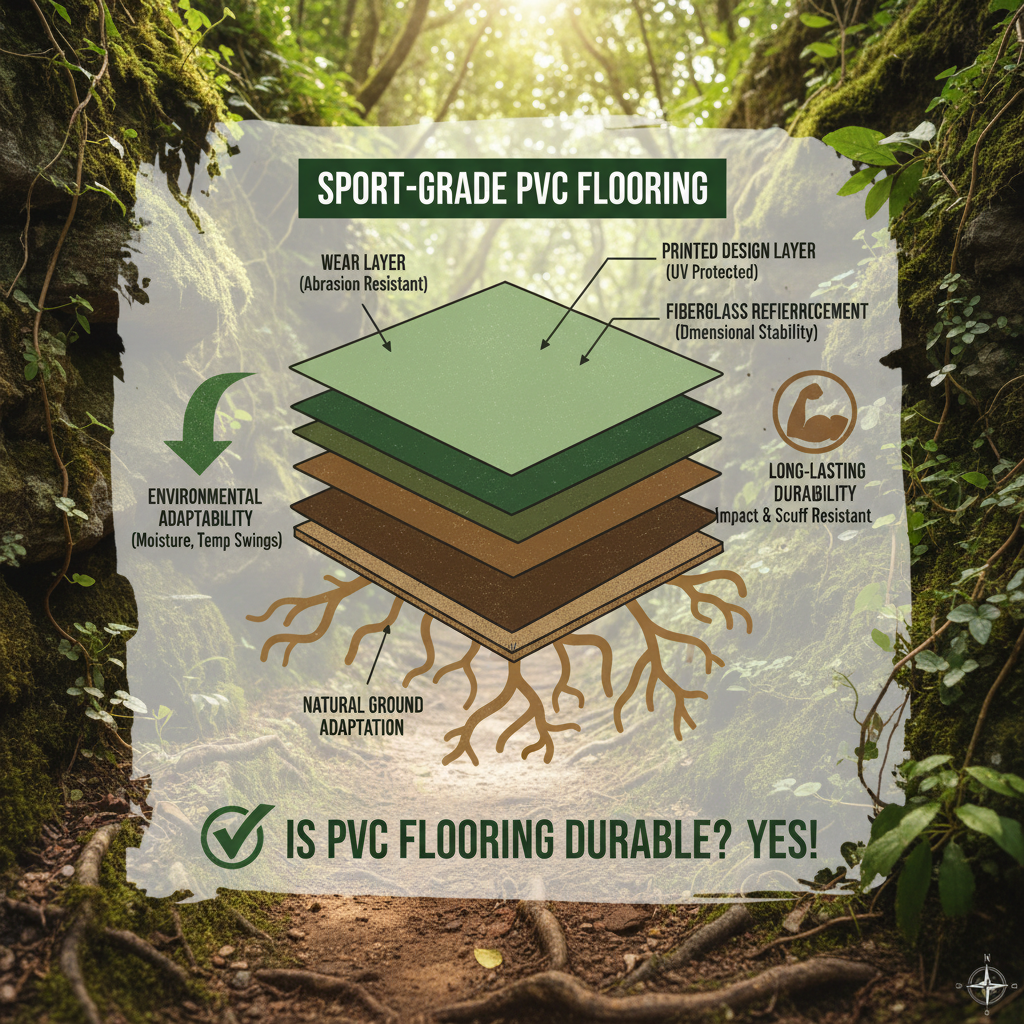
PVC (polyvinyl chloride) flooring is made from a blend of PVC resin, plasticizers, stabilizers, and other additives. The quality of these components, and the precise manufacturing process, dramatically influence the final product's durability. Higher-quality PVC resin contributes to greater scratch and dent resistance, while effective stabilizers protect against UV degradation and color fading. is pvc flooring durable depends heavily on its construction.
Manufacturing techniques, such as calendaring and extrusion, also play a critical role. Calendered PVC flooring often features a consistent thickness and a smooth surface, enhancing its resistance to wear. Extruded PVC, commonly used in luxury vinyl tiles (LVT), allows for complex designs and a robust wear layer, contributing to exceptional durability.
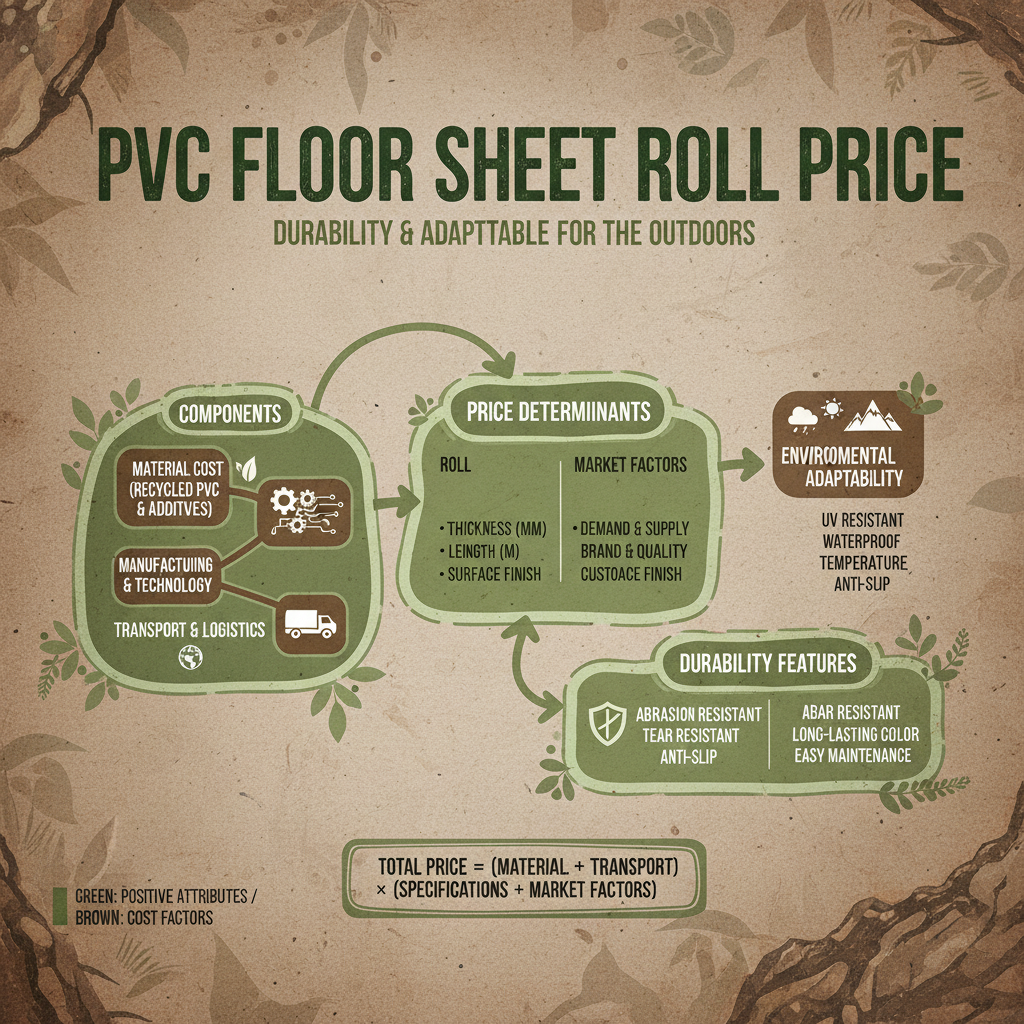
Importantly, the wear layer—a transparent protective coating—is a key determinant of longevity. A thicker wear layer provides greater protection against abrasion and scuffs, extending the floor’s lifespan. Wear layer thickness is usually measured in mils (thousandths of an inch) and can range from 6 mils for residential use to 20+ mils for high-traffic commercial environments.
Key Factors Influencing PVC Flooring’s Durability
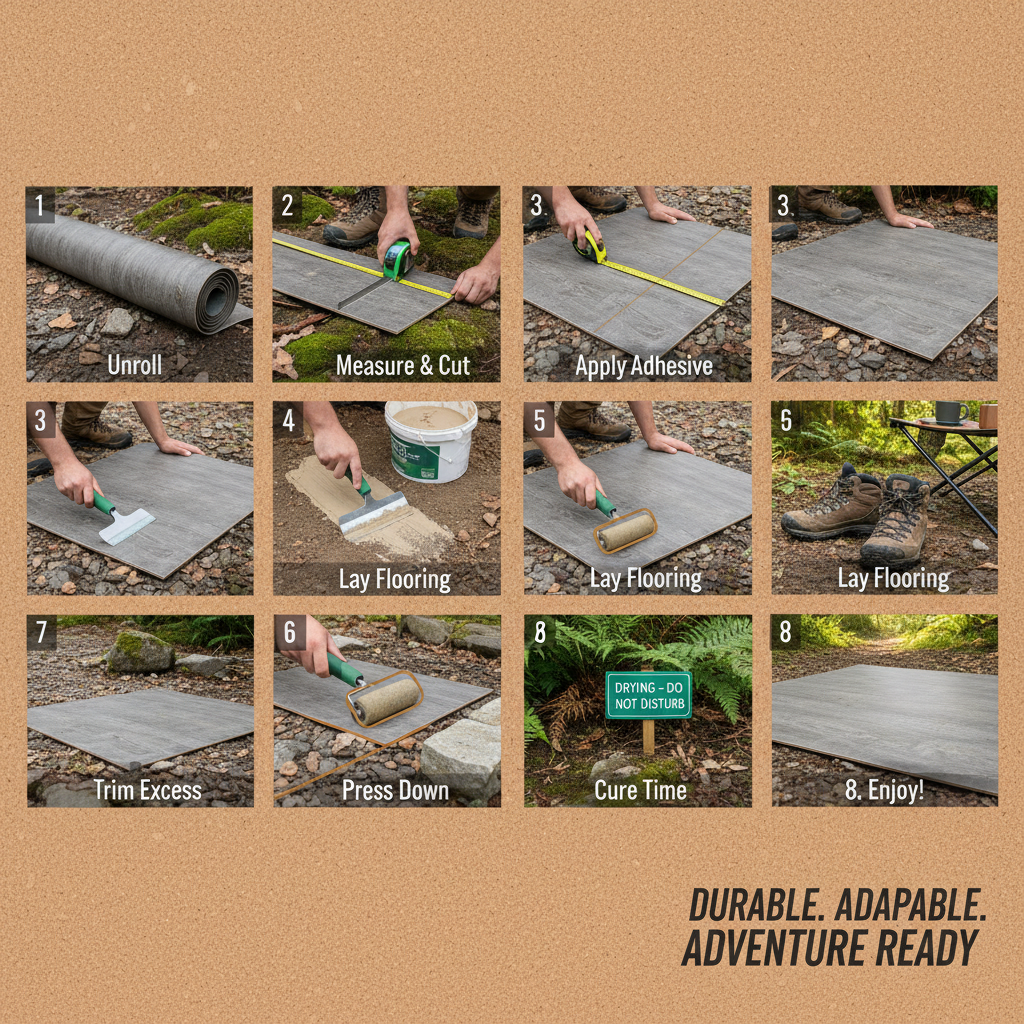
Several factors impact how long PVC flooring will last. The most prominent is the quality of the materials used in its manufacture. Lower-grade PVC and plasticizers can become brittle over time, leading to cracking and premature wear. Furthermore, the type of installation significantly affects durability. Proper subfloor preparation, correct adhesive application, and careful seam welding are essential for preventing issues like buckling or lifting.
Traffic levels are another crucial factor. High-traffic areas, such as hallways, kitchens, and commercial spaces, will naturally experience more wear and tear than low-traffic areas like bedrooms. Selecting a PVC flooring product with an appropriate wear layer thickness for the intended use is vital. Regular maintenance, including sweeping, mopping, and the use of protective mats, also extends the floor’s lifespan.
Finally, environmental conditions play a role. Exposure to direct sunlight can cause fading and discoloration, while extreme temperature fluctuations can lead to expansion and contraction, potentially damaging the flooring. Choosing UV-resistant PVC flooring and maintaining a stable indoor climate helps mitigate these risks.
Performance Metrics & Standards for is pvc flooring durable
Determining ‘is pvc flooring durable’ isn't just about subjective impressions; it’s supported by industry standards and performance metrics. Abrasion resistance is a key indicator, often measured using the Taber Abraser test. This test assesses the floor’s ability to withstand wear from abrasive materials, with lower wear ratings indicating higher durability.
Other important metrics include indentation resistance (measured by a standard load applied over a specific time), dimensional stability (assessing the floor’s resistance to expansion and contraction), and chemical resistance (evaluating its ability to withstand common household and industrial cleaning agents). Standards organizations like ASTM International and ISO develop and maintain these testing methods.
PVC Flooring Durability: Performance Ratings
Real-World Applications & Longevity Examples
PVC flooring is widely used in various settings, each presenting unique durability challenges. In residential homes, it’s common in kitchens, bathrooms, and basements, where water resistance and ease of cleaning are paramount. In commercial environments – hospitals, schools, retail stores – high foot traffic demands exceptionally durable options.
For example, luxury vinyl tile (LVT) with a 20-mil wear layer can last for 20-25 years in a typical home, while the same product with a 30-mil wear layer can endure for 30+ years in a high-traffic commercial space. In post-disaster relief operations, flexible PVC flooring provides a quick and hygienic solution for temporary shelters, showcasing its resilience in harsh conditions.
Advantages of Durable PVC Flooring – A Long-Term Perspective
Choosing durable PVC flooring offers significant long-term advantages. The primary benefit is reduced lifecycle costs. Fewer replacements translate to lower material and installation expenses over time. Furthermore, durable PVC flooring often requires minimal maintenance – typically just regular sweeping and mopping – saving time and resources.
From an environmental perspective, durability is key to sustainability. Longer-lasting floors reduce waste sent to landfills and lessen the demand for new materials, contributing to a smaller carbon footprint. Durable PVC flooring also enhances indoor environmental quality, as it doesn't harbor allergens or bacteria as easily as some other flooring types.
Future Innovations and Enhancements to PVC Flooring Durability
Innovation in PVC flooring is ongoing, focused on enhancing both durability and sustainability. Researchers are developing new formulations of PVC resin and plasticizers that are more resistant to wear, UV degradation, and temperature fluctuations. Nanotechnology is being explored to create wear layers with superior scratch and stain resistance.
Additionally, bio-based plasticizers are gaining traction as alternatives to traditional phthalate plasticizers, reducing the environmental impact of PVC production. Digital printing technologies are enabling the creation of more realistic and durable designs, while improved installation techniques, such as click-lock systems, simplify installation and enhance long-term stability.
The integration of smart technologies is also emerging, with sensors embedded in PVC flooring providing real-time data on foot traffic, temperature, and humidity, allowing for proactive maintenance and optimized energy efficiency.
Summary of Factors Impacting PVC Flooring Durability
| Material Quality |
Wear Layer Thickness |
Installation Quality |
Environmental Factors |
| High-grade PVC resin and stabilizers enhance resistance to wear and fading. |
Thicker wear layers (20+ mils) provide superior protection against abrasion and scratches. |
Proper subfloor preparation and adhesive application are crucial for long-term stability. |
Exposure to sunlight and extreme temperatures can degrade the flooring over time. |
| Lower-quality materials are prone to cracking and discoloration. |
Thin wear layers (6-12 mils) are suitable for low-traffic residential areas only. |
Poor installation can lead to buckling, lifting, and premature failure. |
UV-resistant coatings and climate control can mitigate environmental damage. |
| Bio-based plasticizers offer a more sustainable alternative. |
Consider the intended use when selecting wear layer thickness. |
Professional installation is recommended for optimal results. |
Regular maintenance helps to extend the flooring's lifespan. |
| Nano-technology enhances scratch and stain resistance. |
Impact resistance varies with wear layer composition. |
Seam welding minimizes moisture penetration in wet areas. |
Shielding the flooring from direct sunlight and extreme temperature change. |
| Regular cleaning with non-abrasive products. |
The use of floor protectors on furniture. |
Proper humidity control to prevent warping. |
Prompt cleaning of spills to prevent staining. |
| Ensure compatibility with subfloor materials. |
The right adhesive for the subfloor type. |
Leveling subfloors to provide a stable foundation. |
Avoiding dragging heavy objects across the surface. |
FAQS
With proper installation and maintenance, high-quality PVC flooring with a thicker wear layer (20 mil or higher) can last between 20 and 30 years in a residential setting. In commercial environments with higher foot traffic, it might last 10-20 years, depending on the specific wear layer and usage. Regularly cleaning and protecting it from heavy impacts are key to maximizing its lifespan.
The wear layer is the protective top coating of PVC flooring, and its thickness is crucial for durability. A thicker wear layer offers greater resistance to scratches, scuffs, stains, and general wear and tear. For residential use, a 12-20 mil wear layer is typically sufficient, while commercial applications often require 20+ mils for increased longevity. Choosing the right wear layer is key to ensuring your PVC flooring withstands the demands of its environment.
PVC flooring is inherently waterproof, making it an excellent choice for areas prone to moisture, such as kitchens, bathrooms, and basements. This waterproof quality significantly enhances its durability, as it prevents water damage like swelling, warping, and mold growth. However, it's important to note that water can seep through seams if they aren’t properly sealed during installation.
Proper installation is paramount for ensuring the long-term durability of PVC flooring. A level and clean subfloor is essential, as any imperfections will telegraph through the flooring over time. Correct adhesive application and proper sealing of seams are also vital for preventing moisture damage and ensuring a stable, secure installation. Professional installation is highly recommended for optimal results.
Regular maintenance is key to preserving the durability of PVC flooring. Sweep or vacuum frequently to remove dirt and debris, and mop regularly with a pH-neutral cleaner. Avoid using abrasive cleaners or scouring pads, as they can damage the wear layer. Using floor protectors under furniture legs and placing mats in high-traffic areas can also help prevent scratches and wear.
While traditional PVC isn't considered inherently eco-friendly, advancements are being made. Look for PVC flooring made with recycled content or bio-based plasticizers. Choosing durable PVC flooring, in general, is an environmentally responsible choice, as it reduces the frequency of replacements and minimizes waste. Additionally, some manufacturers offer take-back programs for recycling old flooring.
Conclusion
In conclusion, the question of ‘is pvc flooring durable’ isn't a simple one. However, a well-chosen, properly installed, and consistently maintained PVC floor can deliver decades of reliable performance. Its inherent waterproof qualities, coupled with advancements in material science and manufacturing techniques, make it a compelling choice for both residential and commercial applications, contributing to cost savings, reduced waste, and enhanced indoor environmental quality.
Looking ahead, continuous innovation in PVC flooring is expected to further enhance its durability and sustainability. By prioritizing quality materials, responsible installation practices, and proactive maintenance, we can unlock the full potential of PVC flooring as a long-lasting and environmentally conscious flooring solution. For more information and to explore our range of durable PVC flooring options, visit our website: www.langningsports.com.