PVC flooring has become increasingly popular in homes around the world, offering a versatile and cost-effective solution for a wide range of applications. The question of “is pvc flooring good for home” is frequently asked, and the answer is often a resounding yes, especially when considering the advances in manufacturing and design. Its durability, water resistance, and ease of maintenance make it a practical choice for many homeowners seeking a balance between style and functionality.
The global demand for flooring solutions is substantial, driven by new construction, renovation projects, and a growing emphasis on interior aesthetics. According to Statista, the global flooring market was valued at approximately $148.6 billion in 2023, and is projected to reach nearly $179 billion by 2029. PVC flooring represents a significant portion of this market, benefiting from its affordability and adaptability. The challenge lies in balancing these benefits with growing concerns about sustainability and environmental impact.
Understanding the properties of PVC flooring – its composition, installation methods, and long-term performance – is crucial for making informed decisions. Ultimately, determining if PVC flooring is 'good' for your home depends on your specific needs, budget, and lifestyle. This exploration will provide a comprehensive overview to guide you through this decision-making process.
What is PVC Flooring and Its Composition?
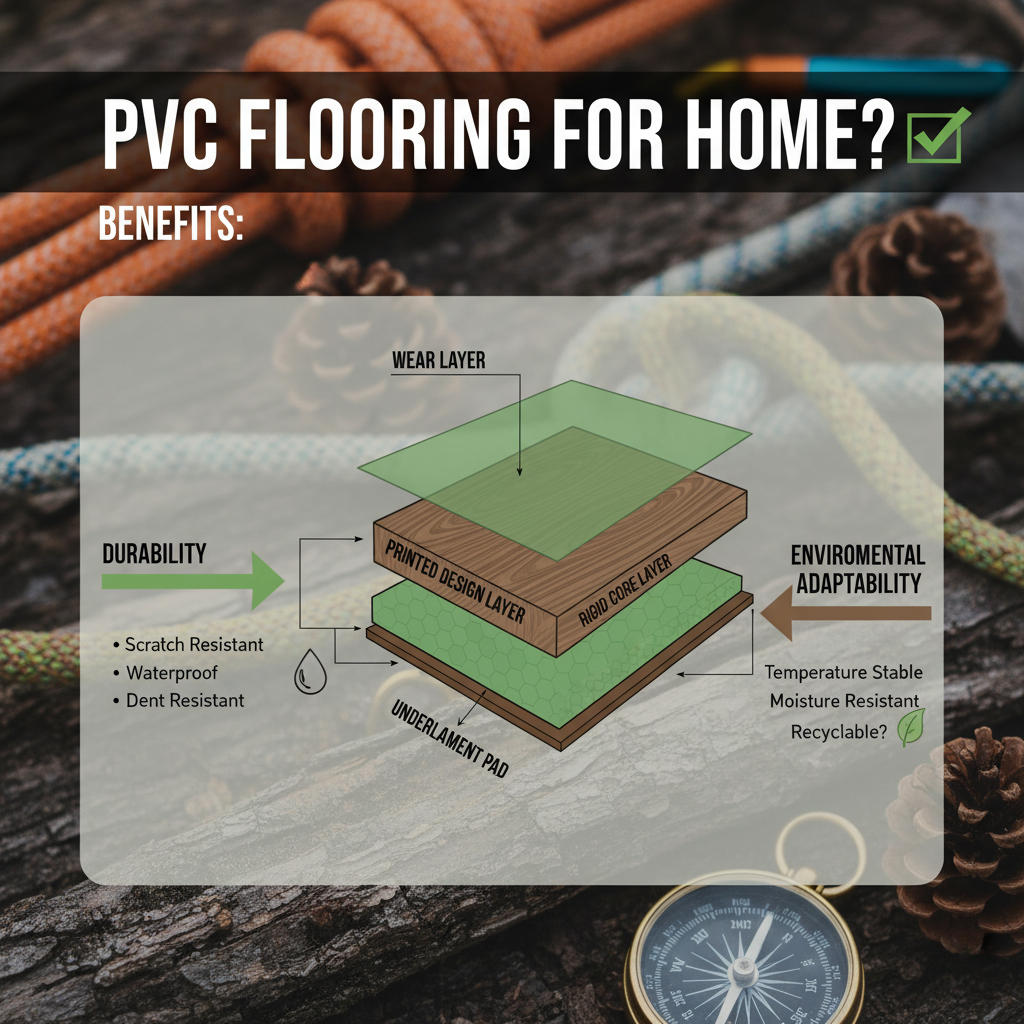
PVC, or polyvinyl chloride, flooring is a synthetic material known for its versatility and affordability. It's primarily composed of PVC resin, plasticizers, stabilizers, and pigments. The proportion of these components influences the flooring’s characteristics, such as flexibility, durability, and resistance to fading. Different types of PVC flooring, like luxury vinyl tiles (LVT) and vinyl sheet flooring, vary in their construction and layering.
Understanding the composition is key to assessing if PVC flooring is good for your home. Higher-quality PVC flooring often contains a wear layer – a protective top coating that determines its resistance to scratches, dents, and stains. The thickness of this wear layer is a crucial factor in determining the longevity of the flooring and its suitability for high-traffic areas. is pvc flooring good for home offers a range of options to suit different needs.
The Durability and Longevity of PVC Flooring
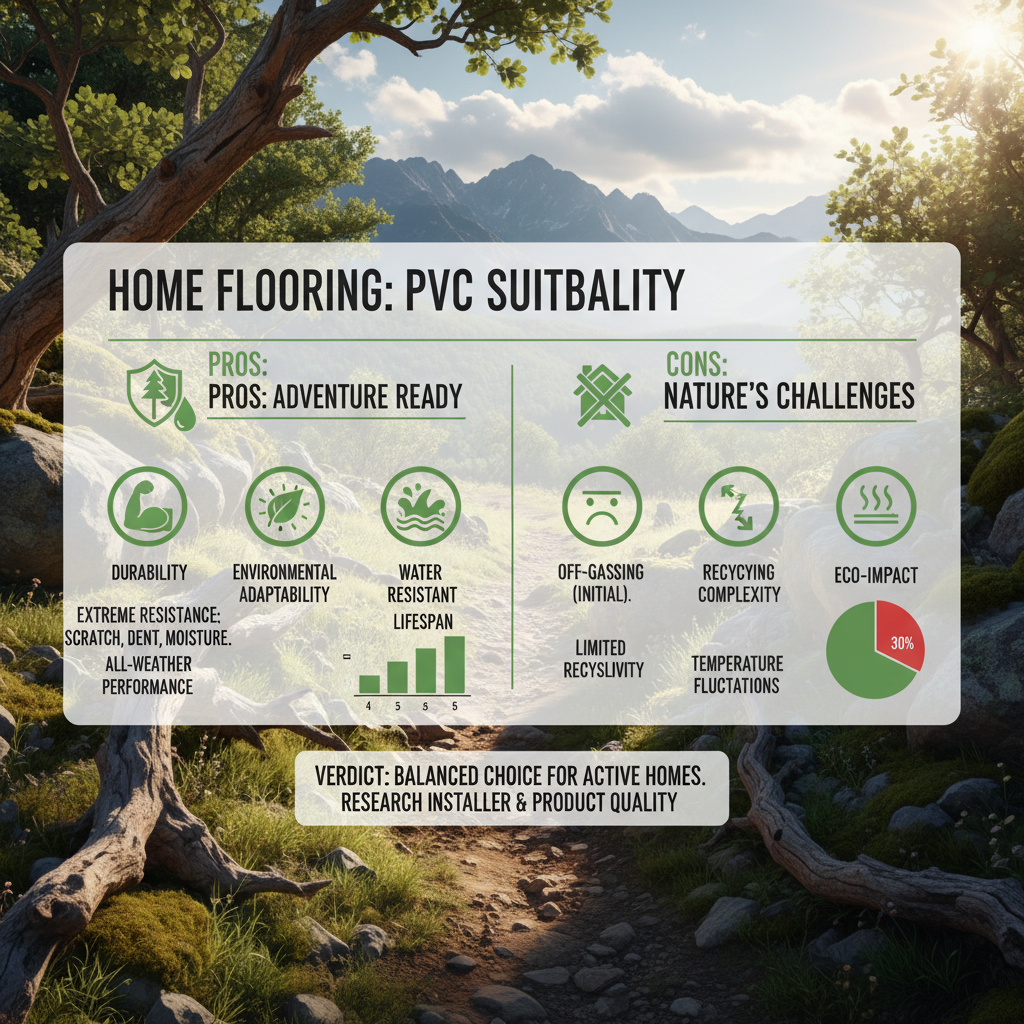
One of the primary reasons homeowners consider PVC flooring is its impressive durability. Unlike some natural materials, PVC is remarkably resistant to scratches, dents, and everyday wear and tear. This makes it an excellent choice for busy households, homes with pets, and high-traffic areas like kitchens and hallways. When assessing if is pvc flooring good for home, durability is a major plus.
The longevity of PVC flooring depends largely on the quality of the material and the thickness of the wear layer. High-quality LVT with a thicker wear layer can last for 20 years or more with proper care. Vinyl sheet flooring, while generally less expensive, may have a shorter lifespan. Regular cleaning and the use of felt pads under furniture can further extend the life of your PVC flooring.
Furthermore, PVC flooring resists fading from sunlight, meaning it can maintain its aesthetic appeal for many years. This makes it a worthwhile investment for homeowners seeking a flooring solution that looks good and performs well over the long term.
Cost-Effectiveness: Is PVC Flooring Affordable?
Compared to many other flooring options, such as hardwood, tile, or stone, PVC flooring is significantly more affordable. This affordability extends beyond the initial purchase price. Installation costs are typically lower for PVC flooring due to its ease of installation, often making it a budget-friendly choice for homeowners. Understanding if is pvc flooring good for home on a budget is often the deciding factor.
The cost of PVC flooring can vary depending on the type, quality, and design. Luxury vinyl tiles (LVT) generally cost more than vinyl sheet flooring, but they offer a more realistic appearance and increased durability. However, even higher-end LVT options often remain considerably cheaper than comparable hardwood or stone flooring.
When factoring in the long-term costs, PVC flooring’s durability and low maintenance requirements contribute to its overall cost-effectiveness. Its resistance to wear and tear reduces the need for frequent repairs or replacements, saving homeowners money over time.
Water Resistance and Maintenance Requirements
PVC flooring is inherently water-resistant, making it an excellent choice for areas prone to moisture, such as kitchens, bathrooms, and laundry rooms. This resistance to water damage minimizes the risk of warping, swelling, or mold growth, unlike some other flooring materials. A significant question when considering if is pvc flooring good for home is its performance in damp environments.
Maintenance is remarkably simple. Regular sweeping or vacuuming to remove dirt and debris is usually sufficient. For spills, a damp mop and mild detergent are all that’s needed. PVC flooring doesn't require waxing, polishing, or special cleaning products, further simplifying upkeep and reducing long-term costs.
Maintenance Effort Compared for Different Flooring Types
PVC Flooring in Different Home Environments
PVC flooring’s versatility makes it suitable for almost any room in the house. In kitchens and bathrooms, its water resistance is a significant advantage. In living rooms and bedrooms, it provides a comfortable and quiet surface. LVT, with its realistic wood or stone appearance, can even elevate the aesthetic of more formal spaces.
For homes with children or pets, PVC flooring’s durability and ease of cleaning are particularly beneficial. It can withstand heavy foot traffic, accidental spills, and the occasional scratch without showing significant wear and tear. Is pvc flooring good for home with active families is a common consideration.
The Environmental Impact and Sustainability Concerns
While PVC flooring offers many benefits, it's important to acknowledge the environmental concerns associated with its production and disposal. PVC is a plastic derived from petroleum, a non-renewable resource. The manufacturing process can also release harmful chemicals into the environment.
However, advancements are being made to address these concerns. Many manufacturers are now using recycled PVC content in their products and implementing more sustainable production practices. Look for certifications like FloorScore and GreenGuard to identify PVC flooring that meets stringent environmental standards. Choosing sustainable options can make is pvc flooring good for home a more responsible decision.
Proper disposal is also crucial. Recycling PVC flooring is possible, but facilities are not yet widely available in all areas. Checking with local waste management authorities for recycling options is recommended.
Installation Methods and Associated Costs
PVC flooring is known for its relatively easy installation, which contributes to its overall cost-effectiveness. There are several installation methods available, including glue-down, click-lock, and loose-lay. Click-lock systems are particularly popular for DIY projects, as they don't require adhesive.
The cost of installation will vary depending on the chosen method and whether you hire a professional installer. DIY installation can save money, but requires some level of skill and attention to detail. Professional installation ensures a proper fit and finish, but will add to the overall cost.
Summary of Installation Methods and Costs
| Installation Method |
Skill Level Required |
Estimated Cost per Square Foot (Labor) |
Durability & Longevity |
| Glue-Down |
Intermediate to Advanced |
$2 - $4 |
High, Very Secure |
| Click-Lock (Floating) |
Beginner |
$1.50 - $3 |
Good, Moderate Expansion/Contraction |
| Loose-Lay |
Beginner |
$1 - $2 |
Moderate, Requires Flat Subfloor |
| Peel & Stick |
Beginner |
$0.50 - $1.50 |
Low, Susceptible to Lifting |
| Professional Installation (All Methods) |
N/A |
$3 - $6 |
Variable, Depending on Method |
| Hybrid (Click-Lock with Adhesive) |
Intermediate |
$2.50 - $4.50 |
Very High, Best of Both Worlds |
FAQS
While PVC flooring is highly water-resistant, it’s not entirely waterproof. Standing water for extended periods can seep into the seams and potentially cause issues. It's best to clean up spills promptly. However, compared to other materials like hardwood, PVC flooring offers superior protection against water damage, making it a great choice for bathrooms and kitchens.
Cleaning PVC flooring is incredibly easy! Regular sweeping or vacuuming removes loose dirt and debris. For more thorough cleaning, use a damp mop with a mild detergent. Avoid abrasive cleaners or scouring pads, as these can damage the wear layer. A simple routine will keep your PVC flooring looking its best for years.
In many cases, yes! PVC flooring can often be installed over existing flooring, such as concrete, tile, or wood, provided the subfloor is clean, level, and dry. However, it’s essential to check the manufacturer’s recommendations for specific requirements. Uneven subfloors may need to be leveled before installation.
PVC flooring is generally more comfortable underfoot than harder surfaces like tile or stone. Many PVC flooring options, especially those with a cushioned backing, offer a degree of softness and warmth. Adding area rugs can further enhance comfort, especially in colder climates. It depends on the thickness and construction of the product if is pvc flooring good for home is comfortable.
The lifespan of PVC flooring varies depending on the quality of the material and the amount of traffic it receives. High-quality LVT with a thick wear layer can last for 20-25 years or more. Vinyl sheet flooring typically has a shorter lifespan, around 10-15 years. Proper maintenance is crucial for maximizing its longevity.
Yes, PVC flooring is often a good choice for allergy sufferers. Unlike carpets, it doesn't trap dust, pollen, or other allergens. Its smooth surface is easy to clean, reducing the buildup of these irritants. Choosing PVC flooring can contribute to a healthier indoor environment. It is often better for those with allergies if is pvc flooring good for home.
Conclusion
In conclusion, PVC flooring offers a compelling combination of affordability, durability, ease of maintenance, and water resistance. While environmental concerns surrounding its production exist, advancements in sustainable manufacturing are addressing these issues. When deciding if is pvc flooring good for home, consider your specific needs, budget, and environmental priorities.
Looking ahead, continued innovation in PVC flooring technology promises even more sustainable and high-performing options. From recycled content to improved wear layers, the future of PVC flooring is bright. We encourage you to explore the various options available and choose the flooring solution that best suits your lifestyle and preferences. Visit our website at is pvc flooring good for home to learn more and browse our selection!