PVC basketball flooring has become a cornerstone of modern sports infrastructure, offering a durable, safe, and high-performance surface for players of all levels. From professional arenas to local gyms and recreational facilities, the demand for quality pvc basketball flooring continues to grow globally. Understanding its properties, installation, and long-term benefits is crucial for anyone involved in sports facility management, construction, or athletic performance enhancement.
The global sports flooring market is experiencing significant expansion, driven by increasing participation in basketball and other indoor sports. According to market research reports, the demand for synthetic sports flooring, including pvc basketball flooring, is projected to reach [Insert statistic/data point here] by [Year]. This growth is particularly prominent in emerging economies where investments in sports infrastructure are rapidly increasing. The need for cost-effective, easily maintainable, and reliable flooring solutions addresses a critical challenge in providing accessible and high-quality sporting environments.
Furthermore, the benefits extend beyond simple playability. High-quality pvc basketball flooring significantly reduces the risk of player injuries thanks to its shock absorption properties and consistent surface grip. It also contributes to improved athletic performance by providing a responsive and predictable playing surface, ultimately impacting the overall sporting experience for players and spectators alike.
Introduction to pvc basketball flooring
Pvc basketball flooring represents a significant advancement in sports surface technology, offering a compelling alternative to traditional hardwood courts. Its composition, typically involving multiple layers of polyvinyl chloride, provides a unique blend of durability, comfort, and performance characteristics. The flooring’s design is optimized for energy return, shock absorption, and consistent ball bounce, key elements for enhancing the player experience and minimizing injury risk.
The widespread adoption of pvc basketball flooring is not just about improved performance; it’s also driven by cost-effectiveness and ease of maintenance. Compared to hardwood, pvc flooring generally requires less ongoing care, eliminating the need for frequent sanding, polishing, and refinishing. This translates to significant long-term savings for facility owners and operators, making it a particularly attractive option for schools, community centers, and recreational facilities.
Defining pvc basketball flooring
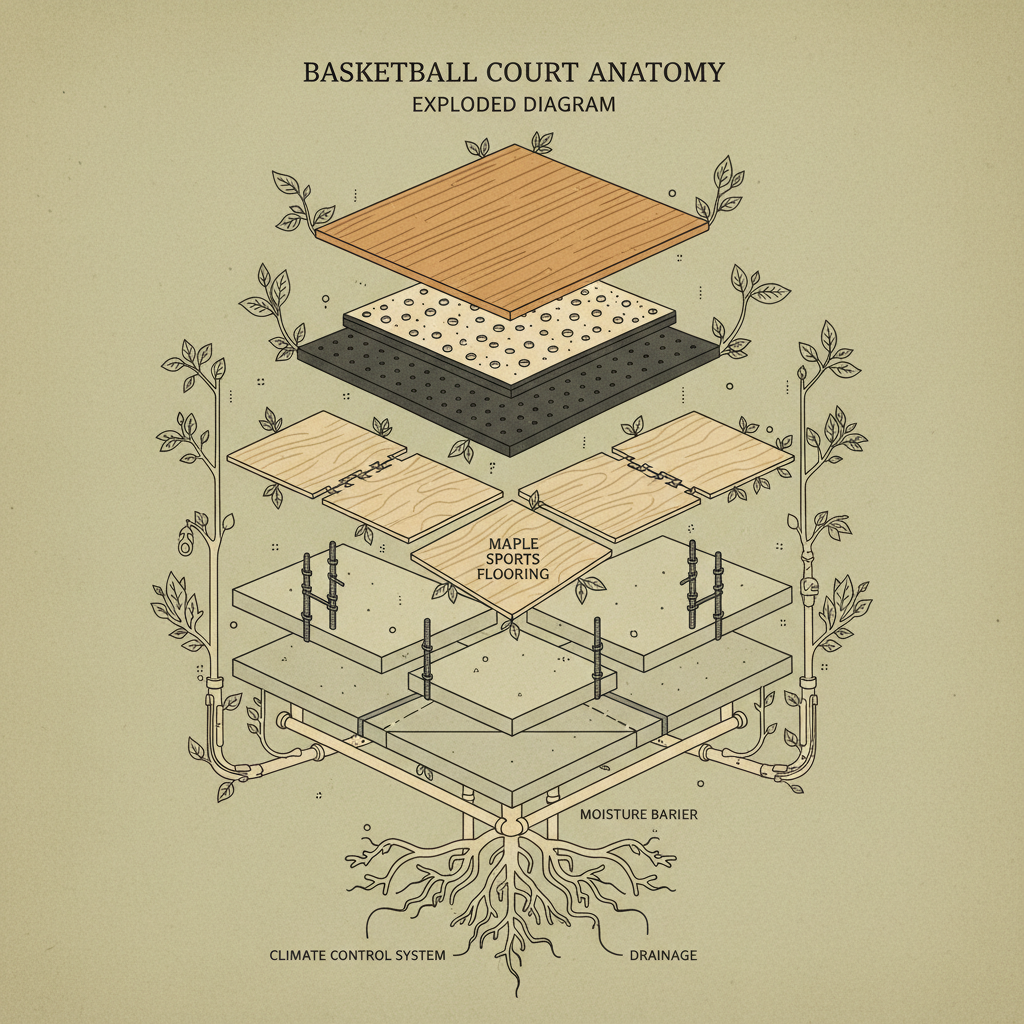
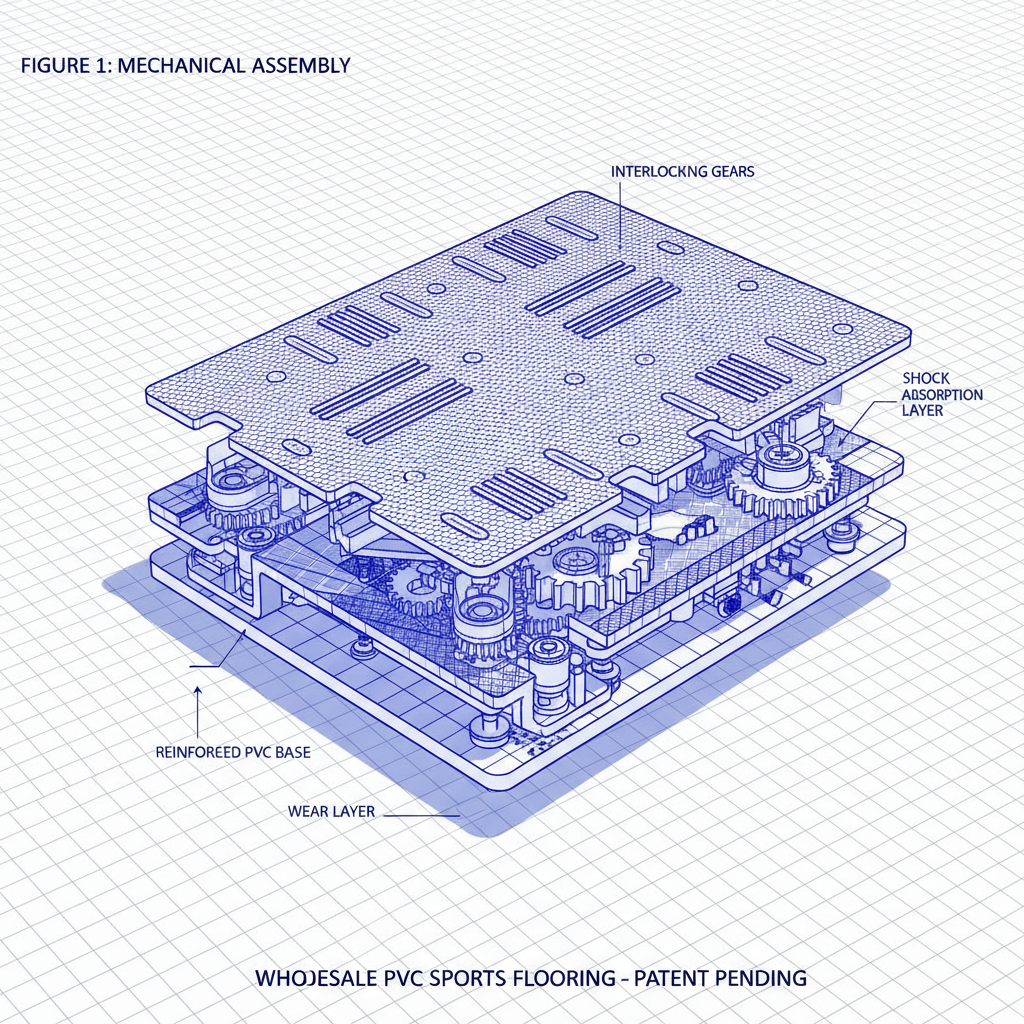
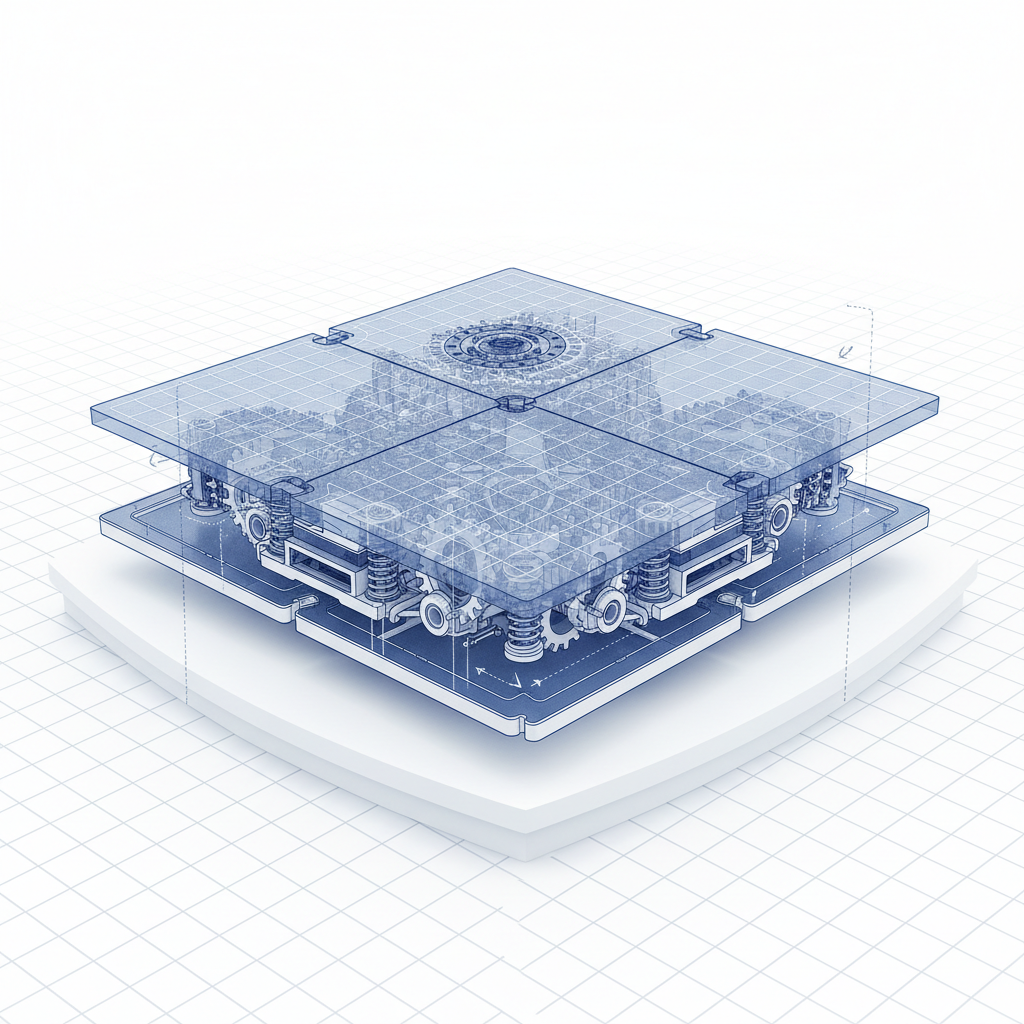
Pvc basketball flooring, at its core, is a synthetic sports surface constructed from layers of polyvinyl chloride (PVC). These layers are meticulously engineered to deliver specific performance attributes, including cushioning, slip resistance, and durability. Typically, a pvc basketball flooring system comprises a wear layer, a foam layer for shock absorption, and a backing layer for stability. Variations exist in terms of layer thickness and composition, impacting the overall quality and performance.
Distinguishing it from other sports flooring options, pvc offers a balance of qualities unmatched by wood or other synthetics. Wood, while aesthetically pleasing, is susceptible to moisture damage and requires constant maintenance. Other synthetic materials may lack the cushioning and impact absorption essential for preventing injuries. Pvc strikes a crucial equilibrium between durability, safety, and affordability.
Its connection to modern industry lies in the advancements in polymer science and manufacturing techniques. The ability to precisely control the composition and layering of pvc allows for the creation of flooring systems tailored to meet the specific demands of basketball and other indoor sports. This is increasingly relevant as sports science emphasizes the importance of surface properties in enhancing athletic performance and reducing injury rates.
Core Characteristics of pvc basketball flooring
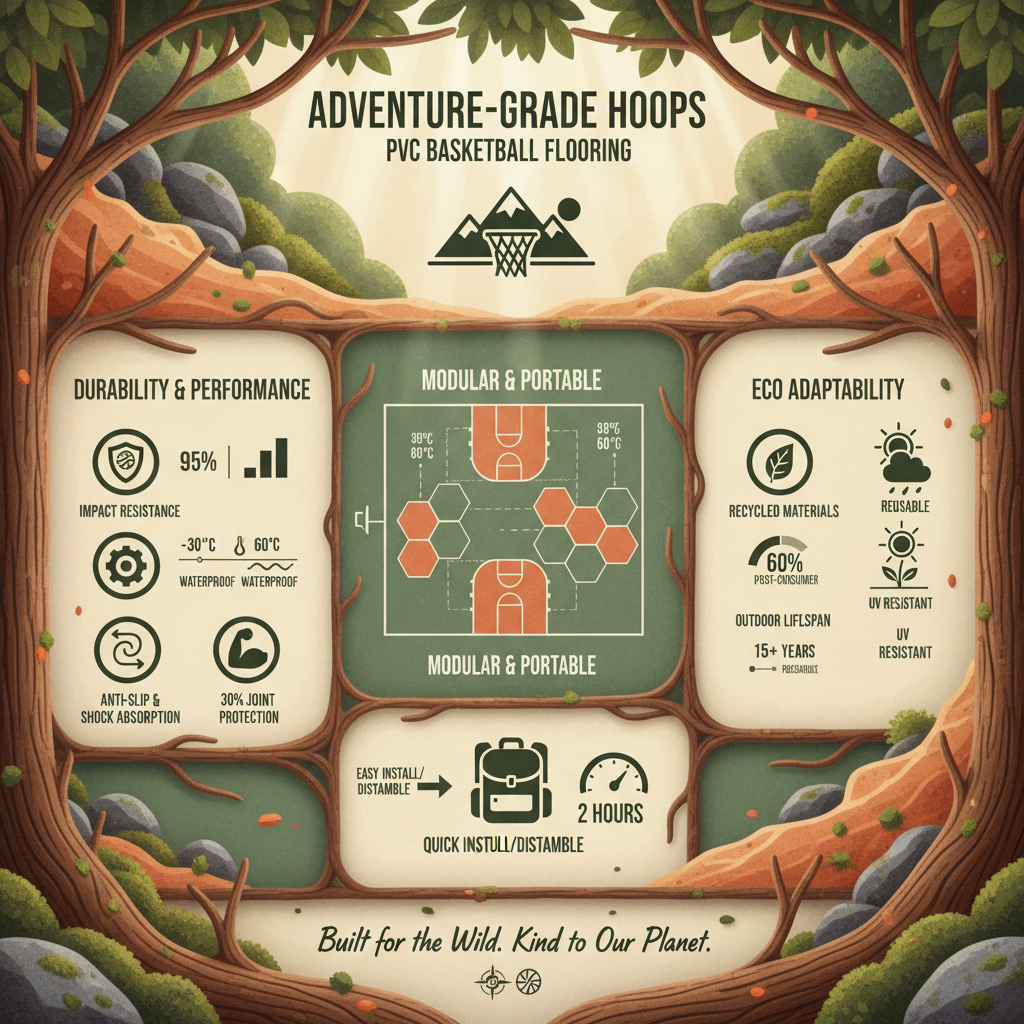
Durability is paramount. Pvc basketball flooring is designed to withstand the constant impact, abrasion, and wear associated with intensive athletic use. High-quality flooring systems incorporate a robust wear layer, often fortified with polyurethane, to resist scratching, scuffing, and fading. This ensures a long service life, reducing the need for frequent replacements.
Shock absorption is a critical safety feature. The foam layer within the pvc flooring system provides cushioning, reducing the stress on players' joints and minimizing the risk of impact-related injuries, such as ankle sprains and knee problems. Different thicknesses and densities of foam can be used to tailor the shock absorption properties to specific applications and player levels.
Slip Resistance ensures player safety and control. The surface texture of pvc basketball flooring is engineered to provide optimal grip, preventing players from slipping and sliding during rapid movements and quick changes in direction. This is achieved through a carefully controlled surface finish and the incorporation of anti-slip additives.
Performance Metrics in pvc basketball flooring
Evaluating the performance of pvc basketball flooring requires consideration of several key metrics. Ball rebound consistency is critical for accurate gameplay, and quality flooring will maintain a predictable bounce height across the entire surface. Slip resistance, measured using standardized testing methods, ensures player safety and agility.
Vertical Deformation, or the degree to which the flooring compresses under impact, directly relates to shock absorption and player comfort. A higher vertical deformation indicates greater cushioning. Furthermore, wear layer thickness and abrasion resistance contribute significantly to the flooring's long-term durability and maintenance requirements.
Comparison of pvc basketball flooring Properties
Global Applications of pvc basketball flooring
The versatility of pvc basketball flooring extends to a wide range of applications. From professional NBA arenas to community recreation centers and school gyms, it’s utilized across the spectrum of basketball facilities. The consistent playing surface and enhanced safety features are highly valued in competitive environments, while its durability and low maintenance requirements make it ideal for high-traffic recreational spaces.
In Europe, pvc basketball flooring is increasingly favored in multi-sport facilities, enabling the space to be used for basketball, volleyball, badminton, and other indoor sports. In North America, schools and universities are adopting pvc flooring as a cost-effective and safer alternative to traditional hardwood. Emerging markets in Asia and South America are also witnessing a surge in demand, driven by investments in sports infrastructure and a growing passion for basketball.
Long-Term Value of pvc basketball flooring
The long-term value proposition of pvc basketball flooring extends beyond the initial cost savings. Reduced maintenance requirements—eliminating the need for frequent sanding, polishing, and refinishing—translate into significant operational savings over the lifespan of the flooring. This is especially crucial for facilities with limited budgets and staffing resources.
Furthermore, the enhanced safety features of pvc flooring contribute to reduced liability and insurance costs. By minimizing the risk of player injuries, facilities can mitigate potential legal claims and lower their insurance premiums. The durability of the flooring also ensures a longer service life, reducing the frequency of costly replacements.
The emotional benefit of providing a safe, high-performance playing surface fosters a positive experience for athletes of all levels. This contributes to increased participation, improved athletic development, and a stronger sense of community pride. These intangible benefits enhance the overall value of the facility and contribute to its long-term sustainability.
Future Innovations in pvc basketball flooring
The future of pvc basketball flooring is poised for innovation, driven by advancements in materials science and manufacturing technologies. Researchers are exploring the incorporation of recycled materials into pvc formulations, promoting sustainability and reducing environmental impact. Bio-based pvc alternatives are also under development, offering a renewable and eco-friendly option.
Smart flooring systems, integrated with sensors and data analytics, represent another exciting trend. These systems can track player movements, measure impact forces, and provide real-time feedback on performance and safety. This data can be used to optimize training programs, prevent injuries, and enhance the overall playing experience.
Furthermore, advancements in surface coatings and textures are aimed at enhancing grip, reducing glare, and improving ball control. These innovations will further elevate the performance characteristics of pvc basketball flooring and solidify its position as the preferred choice for modern sports facilities.
Summary of Factors Influencing Pvc Basketball Flooring Choice
| Flooring Type |
Durability Rating (1-10) |
Maintenance Level |
Cost Effectiveness |
| Standard Pvc Flooring |
7 |
Low |
High |
| Pvc Flooring with Wear Layer |
9 |
Low |
Medium |
| Pvc Flooring with Enhanced Cushioning |
8 |
Medium |
Medium |
| Multi-Layer Pvc Flooring |
10 |
Low |
Low |
| Recycled Pvc Flooring |
6 |
Medium |
High |
| Pvc Flooring with Anti-Slip Coating |
8 |
Low |
Medium |
FAQS
Pvc basketball flooring offers several advantages over hardwood, including greater durability, lower maintenance costs, and enhanced safety features. Hardwood requires regular sanding, polishing, and refinishing, whereas pvc flooring is easy to clean and maintain. Pvc also provides better shock absorption, reducing the risk of injuries, and is less susceptible to moisture damage. Cost-effectively, pvc offers a more sustainable solution for many facilities.
The lifespan of pvc basketball flooring varies depending on usage and maintenance, but generally ranges from 10 to 20 years or even longer. High-quality flooring with a robust wear layer can withstand intensive use without significant degradation. Regular cleaning and preventative maintenance, such as avoiding abrasive cleaning agents and addressing damage promptly, will maximize its lifespan.
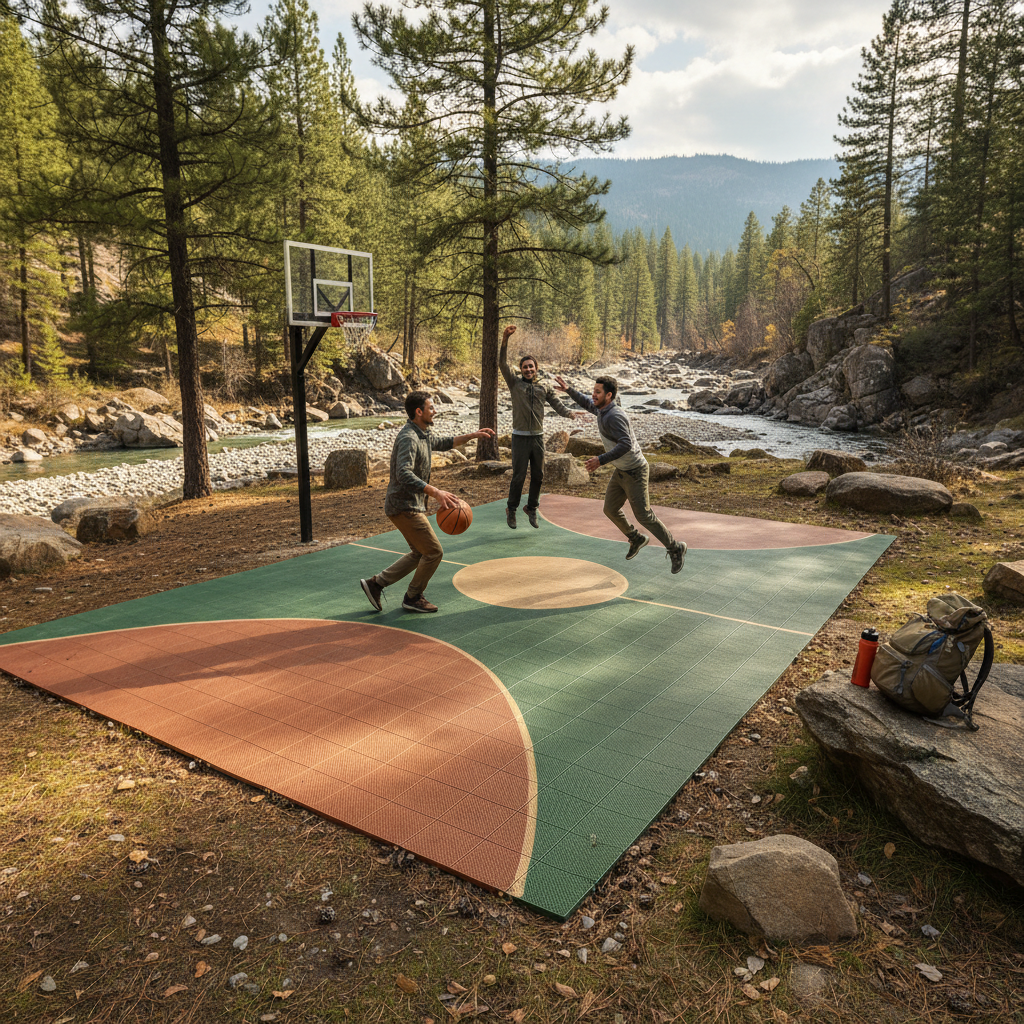
Generally, standard pvc basketball flooring is not designed for prolonged outdoor use. Exposure to direct sunlight, extreme temperatures, and moisture can cause the material to deteriorate. However, specialized outdoor pvc flooring options are available, formulated with UV stabilizers and weather-resistant properties. These options are specifically engineered to withstand outdoor conditions.
Pvc basketball flooring requires minimal maintenance. Regular sweeping or vacuuming to remove dust and debris is essential. For deeper cleaning, use a mild detergent and warm water. Avoid abrasive cleaners, scouring pads, and excessive amounts of water. Periodically inspect the flooring for any signs of damage and address them promptly to prevent further issues.
The thickness of the pvc flooring significantly impacts its performance characteristics. Thicker flooring generally provides better shock absorption and cushioning, reducing the risk of injuries. However, it can also affect ball bounce and responsiveness. Finding the optimal thickness depends on the intended application and player level, balancing comfort, performance, and cost.
While traditional pvc production has environmental concerns, advancements are being made to improve its sustainability. Recycled pvc flooring options are becoming increasingly available, reducing waste and reliance on virgin materials. Manufacturers are also exploring bio-based pvc alternatives and implementing more sustainable manufacturing processes. Choosing flooring with environmental certifications can further minimize its impact.
Conclusion
In conclusion, pvc basketball flooring represents a compelling solution for a wide range of sporting applications. Its blend of durability, safety, cost-effectiveness, and low maintenance requirements makes it a preferred choice for facilities seeking a high-performance and sustainable flooring option. From recreational gyms to professional arenas, pvc basketball flooring enhances the playing experience and promotes athletic excellence.
Looking ahead, continued innovation in materials science and manufacturing techniques will further enhance the performance and sustainability of pvc basketball flooring. By embracing these advancements and prioritizing responsible manufacturing practices, we can ensure that this vital sports surface continues to contribute to the health, well-being, and athletic development of communities worldwide. For high-quality pvc basketball flooring, visit our website today!