PVC badminton court flooring has emerged as a globally preferred surface for both recreational and professional badminton play. Its increasing adoption is driven by a need for durable, safe, and cost-effective sporting surfaces, especially with the growing popularity of badminton worldwide. This type of flooring offers consistent performance characteristics vital for competitive play while also providing comfort and injury reduction for players of all levels.
The demand for high-quality sports flooring solutions is particularly strong in developing nations experiencing a surge in badminton participation, fueled by international success stories and increased government investment in sports infrastructure. The global sports flooring market, according to recent reports, is expected to continue its growth trajectory, with PVC surfaces representing a significant share. This growth is closely linked to the increasing awareness of the benefits of proper flooring in enhancing athletic performance and reducing injury risks.
Understanding the nuances of pvc badminton court flooring – from its composition and installation to its maintenance and long-term benefits – is crucial for facility managers, athletes, coaches, and anyone involved in the development of badminton facilities. Choosing the right flooring can significantly impact the quality of play, the longevity of the facility, and the overall experience for all users.
Introduction to PVC Badminton Court Flooring
PVC badminton court flooring represents a significant advancement in sports surface technology. Unlike traditional wood or concrete courts, PVC provides a consistent playing surface with enhanced shock absorption, reducing strain on players' joints and improving overall comfort. This makes it an ideal choice for both recreational and competitive environments.
The popularity of PVC stems from its relatively low cost compared to other high-performance sports flooring options, making it accessible to a wider range of facilities and organizations. Furthermore, its ease of installation and maintenance contribute to its appeal, minimizing downtime and operational expenses.
Defining PVC Badminton Court Flooring
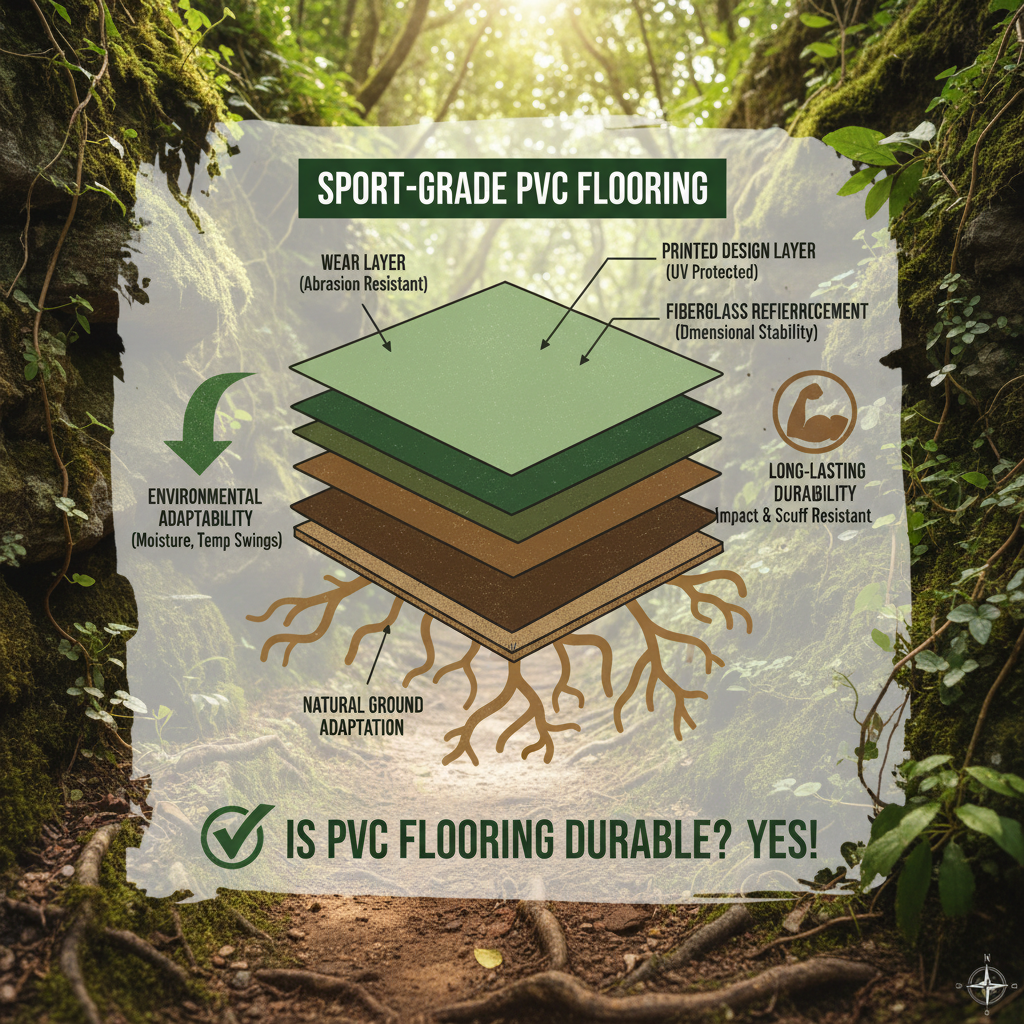
PVC badminton court flooring is a synthetic sports surface made primarily from polyvinyl chloride, a versatile polymer known for its durability and resilience. It is typically manufactured in rolls or tiles and installed over a prepared subfloor to create a seamless and stable playing surface. Different formulations of PVC are used to achieve varying levels of cushioning, slip resistance, and wear resistance.
The connection to modern industry lies in the continuous refinement of polymer science and manufacturing processes. PVC flooring benefits from advancements in materials technology, resulting in increasingly sophisticated products that meet the demanding requirements of athletic performance. Its relevance to humanitarian needs, while perhaps less direct, is seen in its use in constructing temporary sports facilities in disaster relief areas or providing safe and hygienic playing surfaces in underserved communities.
The core function of pvc badminton court flooring is to provide a consistent, safe, and durable surface optimized for badminton play, contributing to enhanced athlete performance and injury prevention.
Key Factors of PVC Badminton Court Flooring
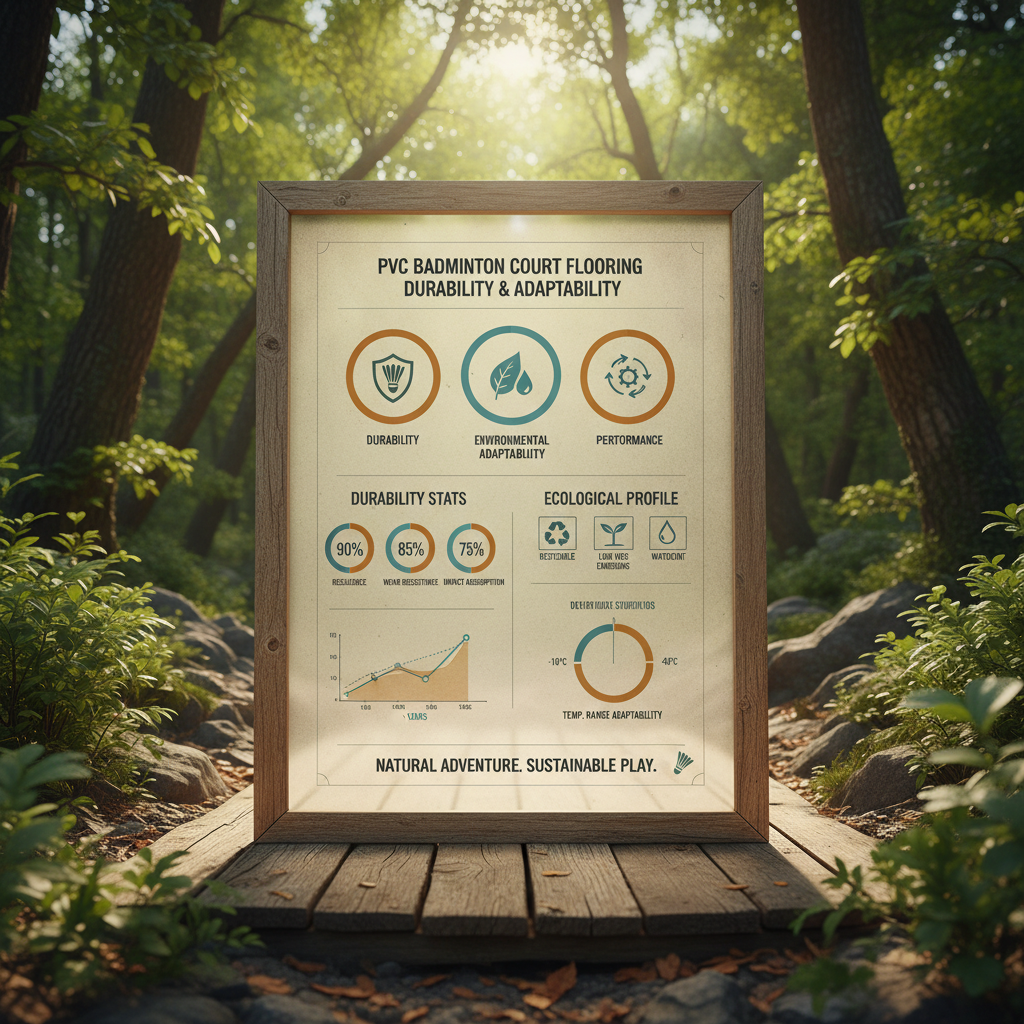
Durability: PVC flooring is renowned for its exceptional resistance to wear and tear, making it suitable for high-traffic areas and demanding sporting environments. High-quality PVC can withstand constant impact, abrasion, and even exposure to UV light without significant degradation, ensuring a long service life.
Shock Absorption: A crucial factor for badminton, PVC flooring provides excellent shock absorption, reducing stress on players’ joints and minimizing the risk of injuries like ankle sprains and knee problems. Different thicknesses and densities of PVC can be selected to achieve optimal cushioning levels.
Slip Resistance: Safety is paramount in any sporting environment. PVC badminton court flooring is engineered to provide a consistent level of slip resistance, ensuring players can move quickly and confidently without the fear of losing their footing. The surface texture plays a key role in achieving optimal grip.
Ease of Maintenance: Unlike wood courts, PVC flooring requires minimal maintenance. Regular sweeping and occasional damp mopping are typically sufficient to keep the surface clean and in good condition, reducing both time and cost associated with upkeep.
Global Applications & Use Cases
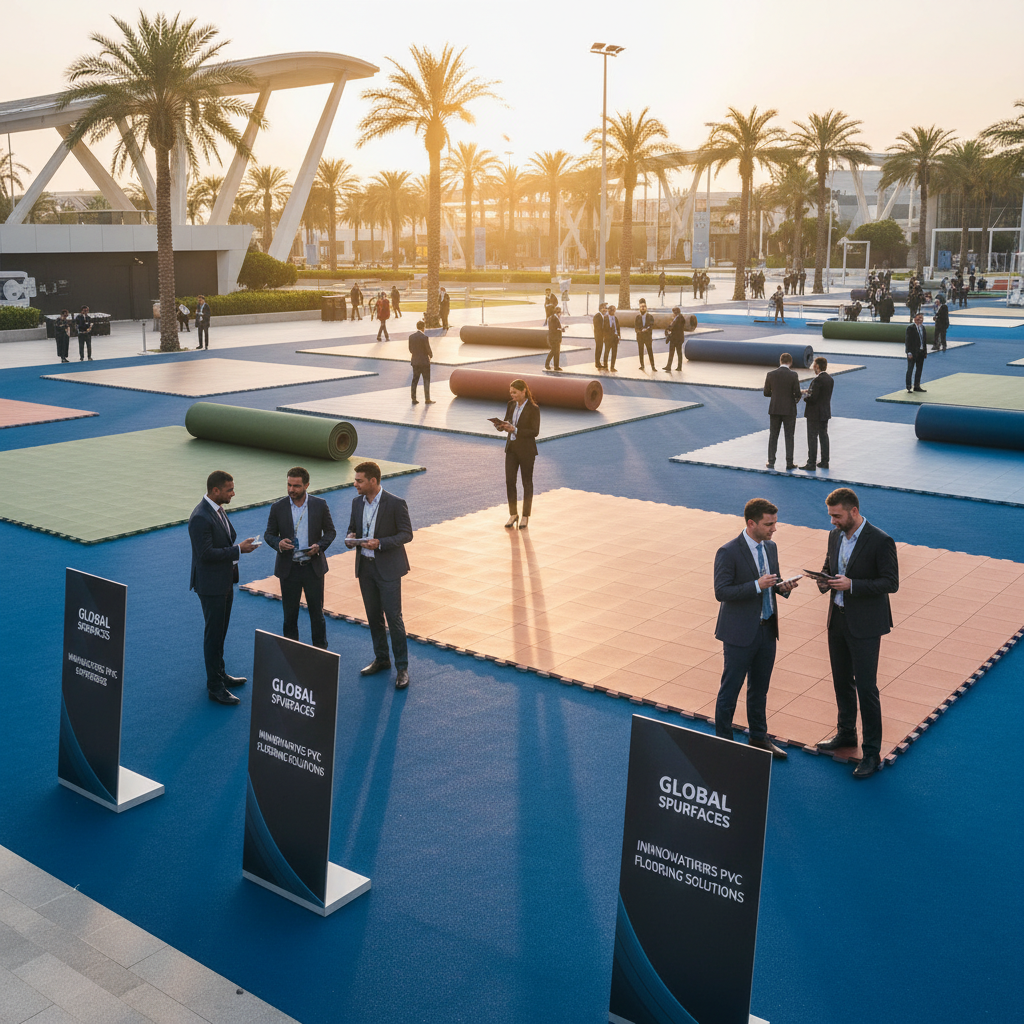
PVC badminton court flooring is utilized globally in a wide range of settings, from professional sporting arenas to community recreation centers and school gyms. In Southeast Asia, a region with a strong tradition of badminton, it’s the dominant flooring choice for many major tournaments and training facilities. Countries like Malaysia, Indonesia, and China have heavily invested in PVC courts to support their badminton programs.
In Europe, PVC courts are commonly found in multi-sports halls and dedicated badminton centers, providing a versatile surface for various indoor sports. North America is also seeing increased adoption, particularly as the popularity of badminton continues to grow. Furthermore, the relative ease and speed of installation make PVC flooring ideal for temporary sports facilities during major events like the Olympics or international games.
Organizations like the Badminton World Federation (BWF) often specify PVC flooring standards for international competitions, ensuring consistent playing conditions for athletes worldwide. Even in post-disaster relief operations, portable PVC badminton court flooring systems can provide a much-needed recreational outlet for affected communities.
PVC Badminton Court Flooring Performance Metrics
Advantages & Long-Term Value
The advantages of pvc badminton court flooring extend beyond mere performance. From a cost perspective, the initial investment is generally lower than that of hardwood or other high-end sports surfaces, and the reduced maintenance requirements translate into significant long-term savings.
Sustainability is also a growing benefit, as many PVC manufacturers are adopting more eco-friendly production practices and utilizing recycled materials. The durability of PVC flooring also contributes to its sustainability, reducing the need for frequent replacements. The psychological impact of a well-maintained and visually appealing court shouldn't be underestimated – it fosters a sense of pride and encourages participation.
Future Trends & Innovations
The future of pvc badminton court flooring is likely to be shaped by several key trends. The development of bio-based PVC formulations, utilizing renewable resources, will address growing environmental concerns. We can also anticipate innovations in surface technology, such as antimicrobial coatings and enhanced cushioning systems, to further improve player safety and comfort.
Digital integration is another emerging trend, with the potential for smart flooring systems that track player movement, analyze performance data, and even provide real-time feedback. Furthermore, advancements in installation techniques, such as prefabricated tiles and self-adhesive systems, will streamline the installation process and reduce labor costs.
Challenges & Solutions
Despite its many advantages, pvc badminton court flooring faces certain challenges. One common concern is the potential for off-gassing of volatile organic compounds (VOCs) during manufacturing and installation. However, this issue is being addressed by manufacturers through the use of low-VOC formulations and improved ventilation systems.
Another challenge is ensuring proper subfloor preparation to achieve optimal performance and longevity. Uneven or improperly prepared subfloors can lead to surface defects and reduce the lifespan of the flooring. Expert installation and thorough subfloor assessment are crucial to mitigate this risk. Finally, while PVC is durable, it is still susceptible to damage from sharp objects or extreme impacts, requiring careful handling and preventative measures.
Summary of Challenges and Solutions for PVC Badminton Court Flooring
| Challenge |
Impact on Court |
Solution |
Implementation Cost (1-10) |
| VOC Emissions |
Air Quality, Player Health |
Low-VOC formulations, Ventilation |
3 |
| Subfloor Imperfections |
Surface Defects, Reduced Lifespan |
Thorough Subfloor Preparation |
6 |
| Impact Damage |
Surface Tears, Performance Issues |
Protective Measures, Regular Inspection |
4 |
| Joint Visibility |
Slight disruption to surface consistency |
Welding or Seamless Installation |
5 |
| Color Fading |
Aesthetic Deterioration |
UV Resistant Coatings |
2 |
| Wear and Tear (long-term) |
Reduced slip resistance, surface damage |
Regular cleaning and maintenance, resurfacing |
7 |
FAQs
The lifespan of a pvc badminton court flooring installation typically ranges from 10 to 20 years, depending on the quality of the material, the intensity of use, and the level of maintenance. Higher-quality PVC with thicker wear layers will generally last longer. Regular cleaning and preventative maintenance, such as avoiding abrasive cleaning products and addressing minor damages promptly, can significantly extend the flooring's lifespan. Periodic resurfacing can also refresh the surface and restore its performance characteristics.
PVC badminton court flooring is generally significantly more cost-effective than hardwood courts. The initial material cost is lower, and installation costs are typically less due to the simpler installation process. Hardwood courts require specialized installation skills and often involve more extensive subfloor preparation. Furthermore, hardwood courts require more frequent maintenance, such as sanding and refinishing, which adds to the long-term cost. The total cost of ownership for PVC flooring is usually considerably lower.
Standard PVC badminton court flooring is not typically suitable for prolonged outdoor use. UV exposure can cause the material to degrade and become brittle over time. However, specialized outdoor PVC flooring formulations are available that are designed to withstand the elements. These formulations incorporate UV stabilizers and other protective additives to enhance durability and weather resistance. It’s crucial to select the appropriate type of PVC flooring for the intended application.
PVC badminton court flooring is relatively easy to maintain. Regular sweeping to remove dust and debris is essential. Occasional damp mopping with a neutral pH cleaner will keep the surface clean and hygienic. Avoid using abrasive cleaners or scouring pads, as these can damage the surface. For high-traffic areas, periodic deep cleaning and application of a protective coating can help maintain the flooring's appearance and performance.
Yes, there are increasingly environmentally friendly options available. Manufacturers are developing PVC formulations that utilize recycled content and reduce VOC emissions. Look for products that are certified by recognized environmental standards. Additionally, the durability of PVC flooring itself contributes to sustainability by reducing the need for frequent replacements. Choosing a flooring with a long lifespan minimizes waste and resource consumption.
Subfloor preparation is critically important. The subfloor must be clean, level, and dry before installation. Any imperfections in the subfloor, such as cracks or unevenness, will transfer to the surface of the PVC flooring, potentially causing performance issues and reducing its lifespan. Professional assessment and preparation of the subfloor are highly recommended. A proper subfloor ensures a stable and consistent playing surface.
Conclusion
In conclusion, pvc badminton court flooring offers a compelling combination of performance, durability, cost-effectiveness, and ease of maintenance, making it the preferred choice for badminton facilities worldwide. Its adaptability to diverse environments and continuous technological advancements position it as a leading sports surface solution. Understanding the nuances of its composition, installation, and maintenance is vital for maximizing its long-term benefits.
Looking ahead, the continued development of sustainable PVC formulations, coupled with innovations in surface technology, will further enhance the appeal of this versatile flooring option. We encourage facility managers, athletes, and sports enthusiasts to explore the benefits of pvc badminton court flooring and consider it for their badminton court projects. Visit our website at www.langningsports.com to learn more about our comprehensive range of pvc badminton court flooring solutions.