The demand for high-quality, durable, and adaptable sports surfaces is continually rising globally, and a pvc badminton court is at the forefront of meeting this need. From professional tournaments to community recreation centers, the increasing popularity of badminton worldwide fuels the requirement for specialized flooring solutions. A properly installed pvc badminton court offers performance, safety, and longevity, making it an invaluable asset for any facility.
The benefits of a pvc badminton court extend beyond just the sport itself. Its shock-absorbing properties contribute to player safety, reducing the risk of injuries. The low maintenance requirements and extended lifespan offer significant cost savings over time, making it a fiscally responsible choice for facility managers. Globally, the accessibility afforded by these courts promotes participation in physical activity and fosters a healthy lifestyle.
Understanding the nuances of pvc badminton court construction, material science, and installation techniques is crucial for ensuring optimal performance and player satisfaction. This knowledge empowers facility owners, coaches, and players alike to make informed decisions and appreciate the value of a quality sports surface.
Introduction to pvc badminton court
A pvc badminton court represents a significant advancement in sports flooring technology. Its construction involves multiple layers of polyvinyl chloride (PVC), designed to provide optimal shock absorption, stability, and durability. This specialized flooring is engineered to enhance player performance and minimize the risk of injuries commonly associated with high-impact sports.
The increasing demand for indoor sports facilities worldwide has driven the growth of the pvc badminton court market. These courts are not limited to professional venues; they are increasingly found in schools, community centers, and private homes, indicating a broad appeal across diverse demographics and budgets.
Global Relevance and Market Trends
The global sports flooring market is experiencing substantial growth, largely driven by increased participation in indoor sports and a heightened focus on athlete safety. Badminton, with its rising popularity, particularly in Asia and Europe, plays a key role in this demand. According to recent reports, the global badminton equipment market is projected to reach \$480 million by 2028, with flooring constituting a significant portion of this expenditure.
Currently, the Asia-Pacific region dominates the pvc badminton court market due to the strong presence of badminton as a national sport in countries like China, Indonesia, and Malaysia. However, North America and Europe are witnessing increasing growth as badminton gains traction in these regions, fueled by health and fitness trends.
A key challenge within the industry is ensuring the sustainability and environmental friendliness of PVC materials. Manufacturers are increasingly focusing on developing eco-friendly PVC formulations and recycling programs to address these concerns and meet the growing demand for sustainable sports surfaces.
Defining a pvc badminton court
A pvc badminton court is a specifically engineered flooring surface designed for playing badminton. It's constructed from layers of PVC, often reinforced with fiberglass or other materials to enhance its structural integrity and performance characteristics. These courts offer a consistent playing surface, excellent shock absorption, and a durable finish that can withstand the demands of competitive play.
Unlike traditional wooden courts, pvc courts are synthetic and thus offer greater resistance to moisture, warping, and cracking. They are also considerably lighter, making them easier to install and maintain. This makes them suitable for a wider range of venues, including gyms, multi-purpose sports halls, and even temporary installations.
The connection to modern industry lies in the advanced materials science and manufacturing processes employed in its production. Pvc badminton courts exemplify how polymeric materials can be tailored to meet specific performance requirements in demanding applications, contributing to enhanced athletic experiences and reduced injury rates.
Core Components and Performance Characteristics
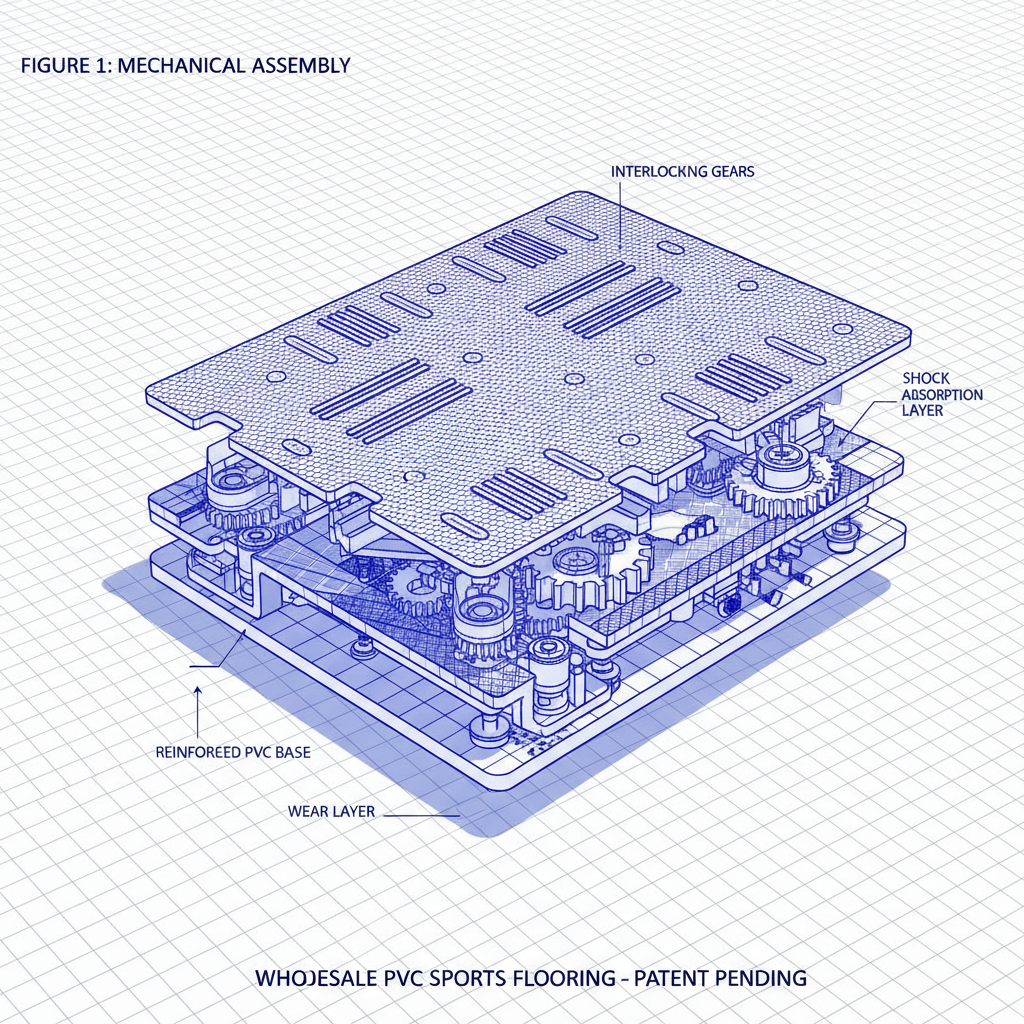
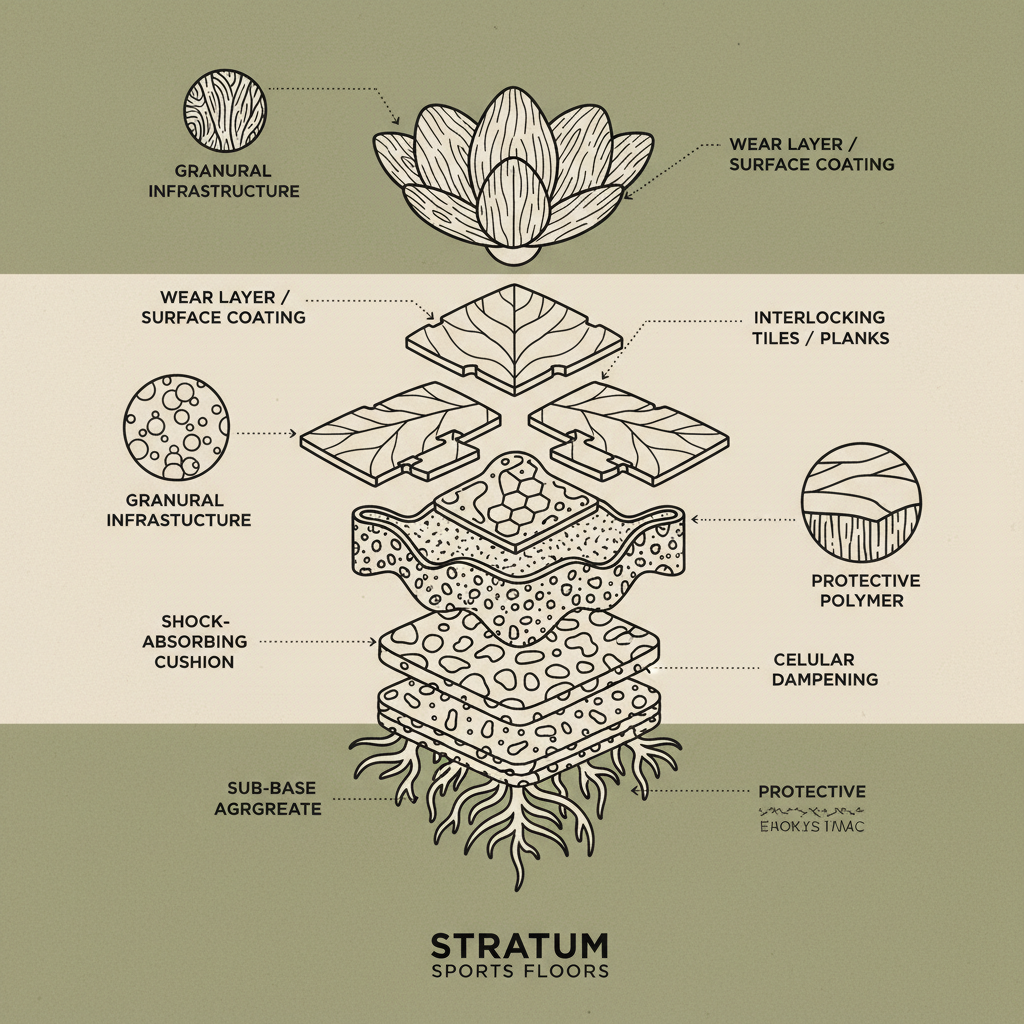
The performance of a pvc badminton court hinges on several key components. Firstly, the wear layer – a transparent protective coating – safeguards against scratches and abrasion. Beneath this lies the PVC foam layer, which provides crucial cushioning and shock absorption. A reinforced fiberglass layer adds dimensional stability, preventing warping and ensuring the court remains flat over time.
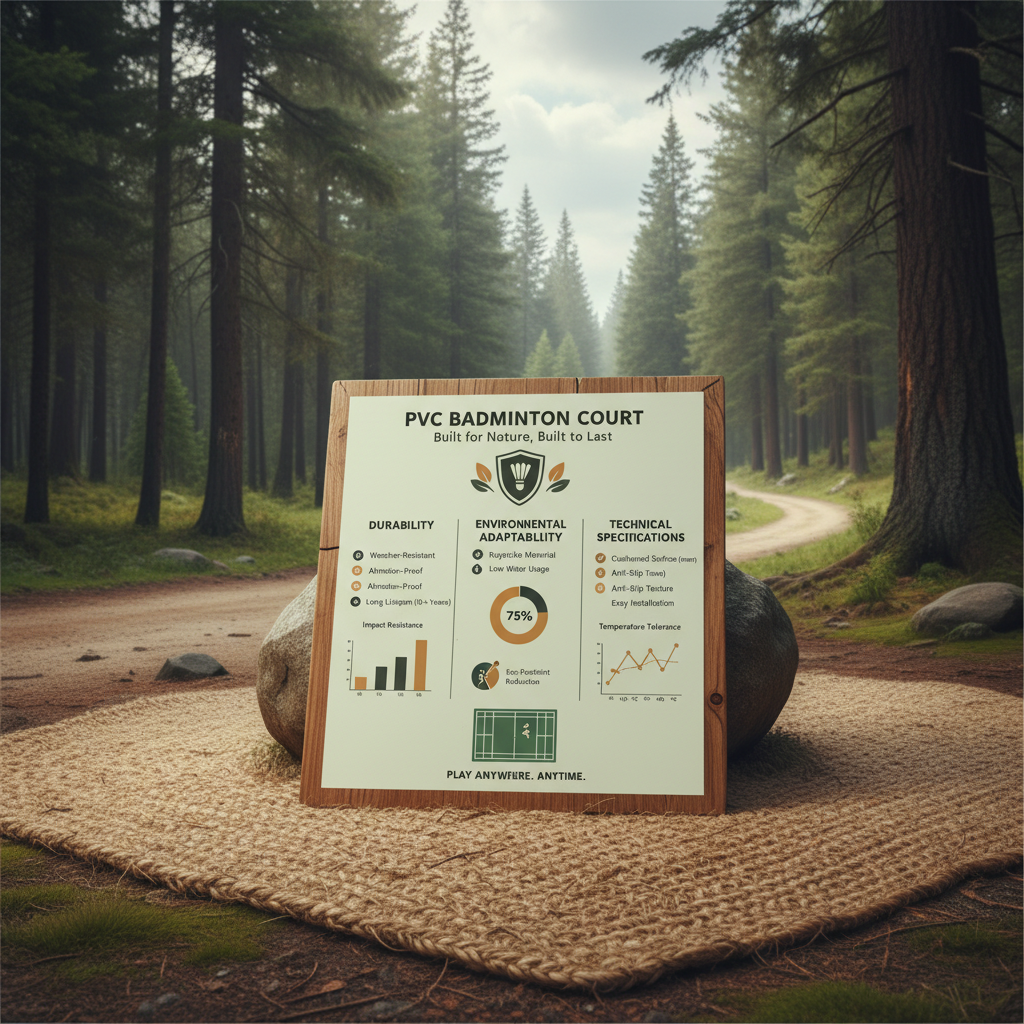
Durability is paramount. High-quality pvc courts boast a wear layer thickness of at least 1.5mm, capable of withstanding heavy foot traffic and intense gameplay. Coefficient of friction is another critical characteristic, ensuring players have adequate grip for quick movements and minimizing the risk of slips. A balanced surface provides optimal traction without causing excessive stress on joints.
Performance Metrics of Various pvc badminton court Constructions
Real-World Applications of pvc badminton court
pvc badminton court surfaces are found in a diverse range of settings. They are a staple in professional badminton arenas and tournament halls, providing a consistent playing surface for elite athletes. Schools and universities utilize these courts for physical education programs and intramural sports, promoting student health and fitness.
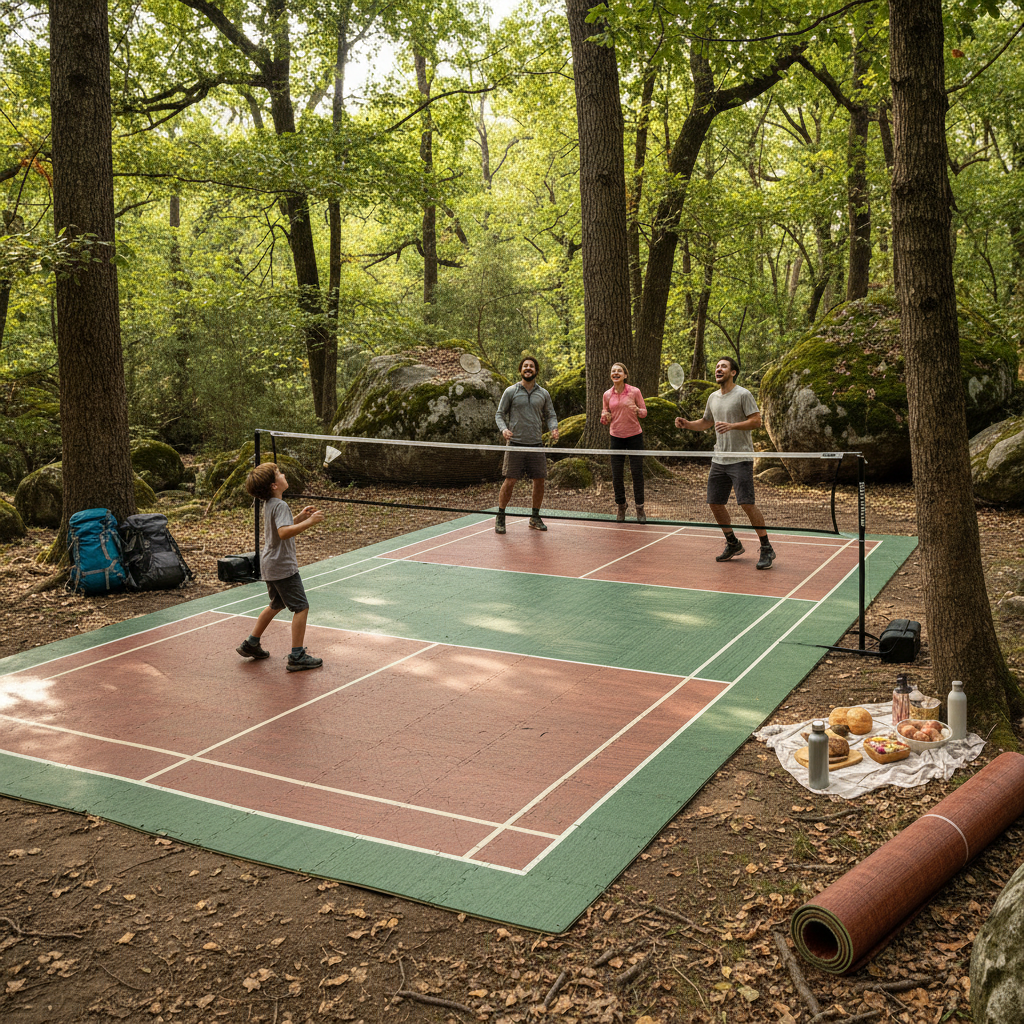
Community recreation centers benefit from the low maintenance and durability of pvc courts, offering a safe and accessible space for local residents to enjoy the sport. The portability of some pvc court systems also makes them ideal for temporary events and tournaments, such as outdoor festivals and sports exhibitions.
Advantages and Long-Term Value Proposition
The advantages of investing in a pvc badminton court are multifaceted. From a financial perspective, the low maintenance requirements and extended lifespan translate into significant cost savings over time compared to traditional wooden courts. The initial investment is often offset by reduced repair and refinishing costs.
Beyond cost efficiency, pvc courts offer enhanced safety features, including superior shock absorption, reducing the risk of injuries. From a sustainability standpoint, the longevity of the material minimizes the need for frequent replacements, lessening environmental impact. The consistent playing surface also improves player experience, fostering a greater appreciation for the sport.
Future Trends and Innovations in pvc badminton court
Innovation in pvc badminton court technology is focused on several key areas. One significant trend is the development of bio-based PVC formulations, utilizing renewable resources to reduce reliance on fossil fuels. Researchers are also exploring incorporating recycled materials into the PVC composition, creating more sustainable and environmentally friendly products.
Another emerging trend is the integration of smart technologies, such as embedded sensors that can track player movement, analyze performance data, and provide real-time feedback. These sensors can also be used to monitor court conditions and identify potential maintenance needs. Digital printing techniques allow for customized court designs and branding opportunities.
Furthermore, advancements in surface coatings are enhancing slip resistance, durability, and aesthetic appeal. Self-cleaning coatings are also being developed to reduce maintenance requirements and improve hygiene.
FAQS
A properly installed and maintained pvc badminton court typically lasts between 10 and 20 years, depending on the quality of materials, usage intensity, and cleaning frequency. Higher-quality courts with thicker wear layers generally exhibit greater durability. Regular cleaning and preventive maintenance can significantly extend the court’s lifespan.
Pvc badminton courts require relatively minimal maintenance. Routine cleaning with a neutral pH cleaner and a mop or automatic scrubber is usually sufficient. Avoid using abrasive cleaners or harsh chemicals, as these can damage the surface. Periodic inspections for wear and tear are recommended, but generally, these courts are very low-maintenance.
While most standard pvc badminton courts are designed for indoor use, specialized outdoor pvc flooring options are available. These outdoor courts are formulated to withstand UV exposure, temperature fluctuations, and moisture. However, it’s important to select a court specifically designed for outdoor applications to ensure longevity and performance.
Pvc badminton courts offer superior shock absorption compared to traditional hard surfaces like concrete, reducing the risk of impact injuries such as ankle sprains and knee problems. The consistent playing surface also minimizes the risk of slips and falls. Proper installation and maintenance are crucial to maximize these safety benefits.
The cost of installing a pvc badminton court varies depending on the court size, materials used, and installation complexity. Generally, it ranges from \$50 to \$150 per square meter, including materials and labor. Factors like site preparation, subfloor leveling, and customization options can also affect the overall cost.
While PVC is a synthetic material, advancements are being made to improve its sustainability. Longer lifespan reduces replacement frequency, decreasing waste. Some manufacturers are incorporating recycled content and developing bio-based PVC formulations. Proper disposal and recycling programs are also essential for minimizing the environmental impact of pvc courts.
Conclusion
In conclusion, the pvc badminton court represents a compelling solution for providing high-performance, durable, and safe sports surfaces. Its versatility, low maintenance requirements, and cost-effectiveness make it an ideal choice for a wide range of applications, from professional arenas to community recreation centers. Understanding its core components, performance characteristics, and emerging trends is essential for making informed decisions and maximizing its long-term value.
Looking ahead, continued innovation in materials science and manufacturing processes will further enhance the sustainability and performance of pvc badminton courts. Investing in these advanced flooring solutions not only benefits athletes and players but also contributes to the growth and development of the sport, fostering a healthier and more active lifestyle for communities worldwide. Visit our website at Langning Sports to explore our range of pvc badminton court solutions and discover how we can help you create a world-class sporting environment.