PVC sports flooring has emerged as a crucial element in modern athletic facilities and recreational spaces globally. Its unique combination of performance characteristics, safety features, and cost-effectiveness have driven its widespread adoption across a variety of sports disciplines and applications. Understanding the nuances of pvc sports floor technology, from its composition and installation to its long-term maintenance and sustainability, is vital for athletes, facility managers, and industry professionals alike.
The global demand for high-quality sports surfaces is constantly increasing, fueled by a growing emphasis on health, fitness, and competitive sports at all levels. PVC sports flooring addresses this demand by providing a durable, resilient, and customizable surface suitable for a diverse range of activities, from basketball and volleyball to badminton and fitness training. This widespread applicability, coupled with ongoing innovation in materials and construction techniques, ensures the continued relevance and growth of the pvc sports floor market.
Investing in proper sports flooring isn't merely about aesthetics; it directly impacts athlete performance, injury prevention, and the longevity of sporting facilities. A well-maintained pvc sports floor contributes to a safer and more enjoyable environment for all participants, while also minimizing lifecycle costs through reduced maintenance and extended durability.
Introduction to PVC Sports Flooring
PVC sports flooring, also known as vinyl sports flooring, represents a significant advancement in indoor sports surface technology. It's specifically engineered to provide optimal shock absorption, traction, and comfort for athletes while offering exceptional durability and resistance to wear and tear. This makes it a preferred choice over traditional materials like wood or concrete in a wide range of athletic and recreational settings.
The versatility of pvc sports floor is another key attribute. It can be customized with various colors, patterns, and performance characteristics to meet the specific demands of different sports. Whether it's the precision grip required for basketball or the consistent rebound needed for volleyball, pvc sports floor can be tailored to optimize performance and enhance the overall playing experience.
Defining PVC Sports Floor
A pvc sports floor is a resilient flooring surface made from polyvinyl chloride (PVC), a versatile synthetic plastic polymer. Unlike rigid flooring options, PVC offers a degree of elasticity that provides cushioning and shock absorption, reducing the risk of injuries to athletes. It typically consists of multiple layers, each contributing to its overall performance and longevity.
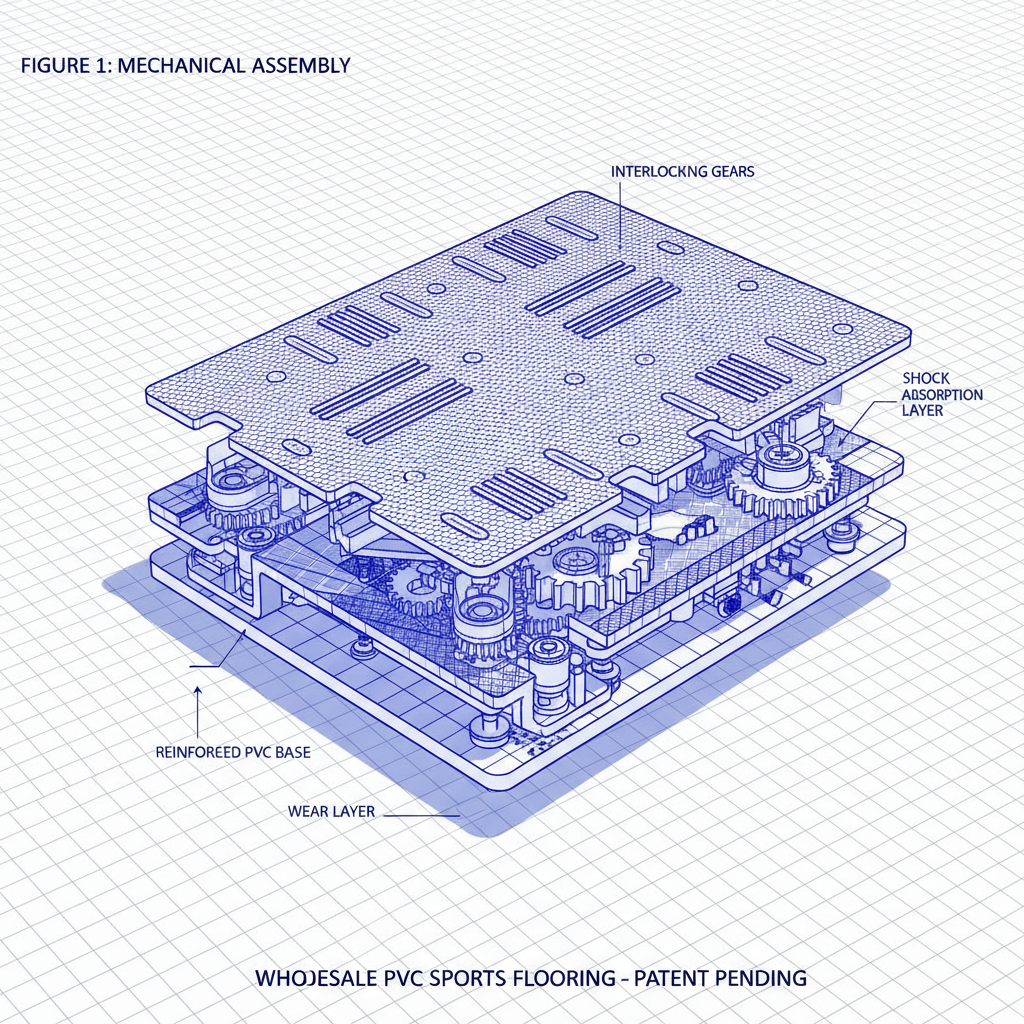
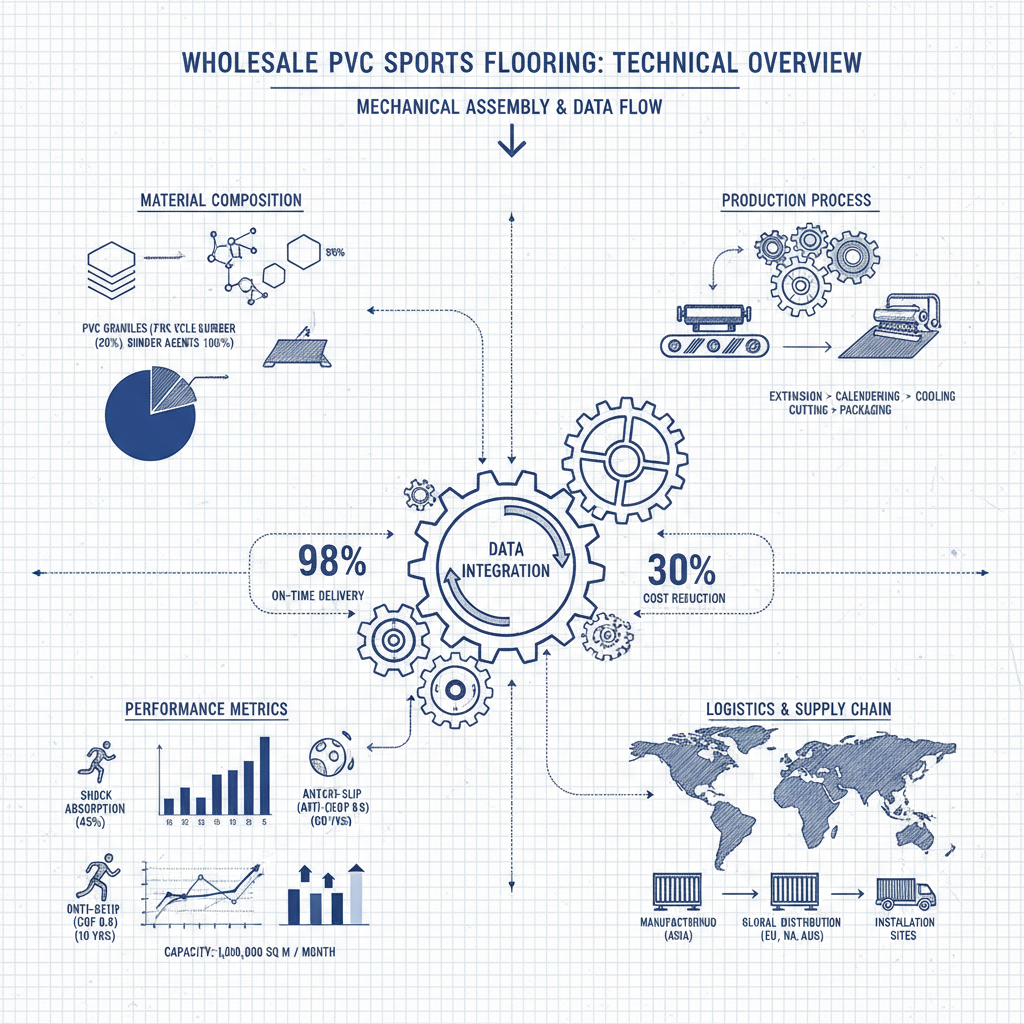
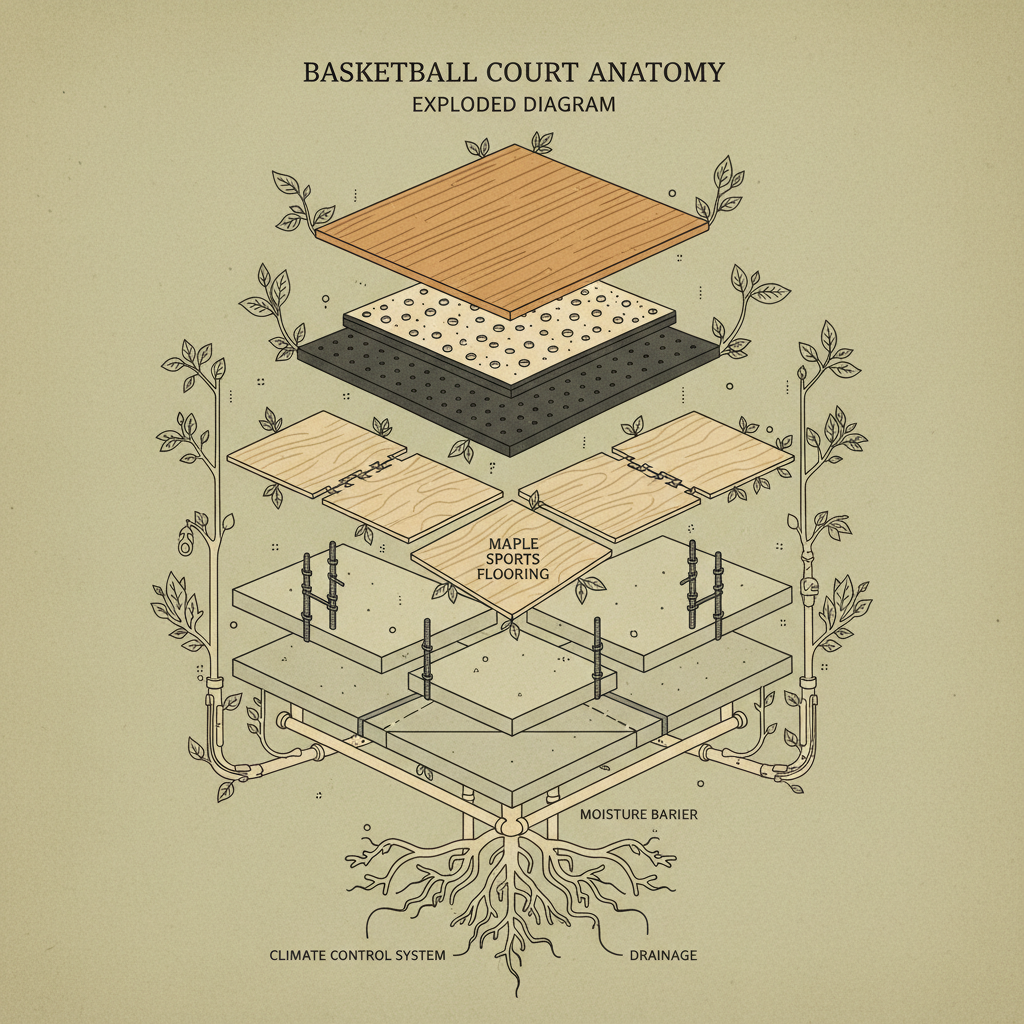
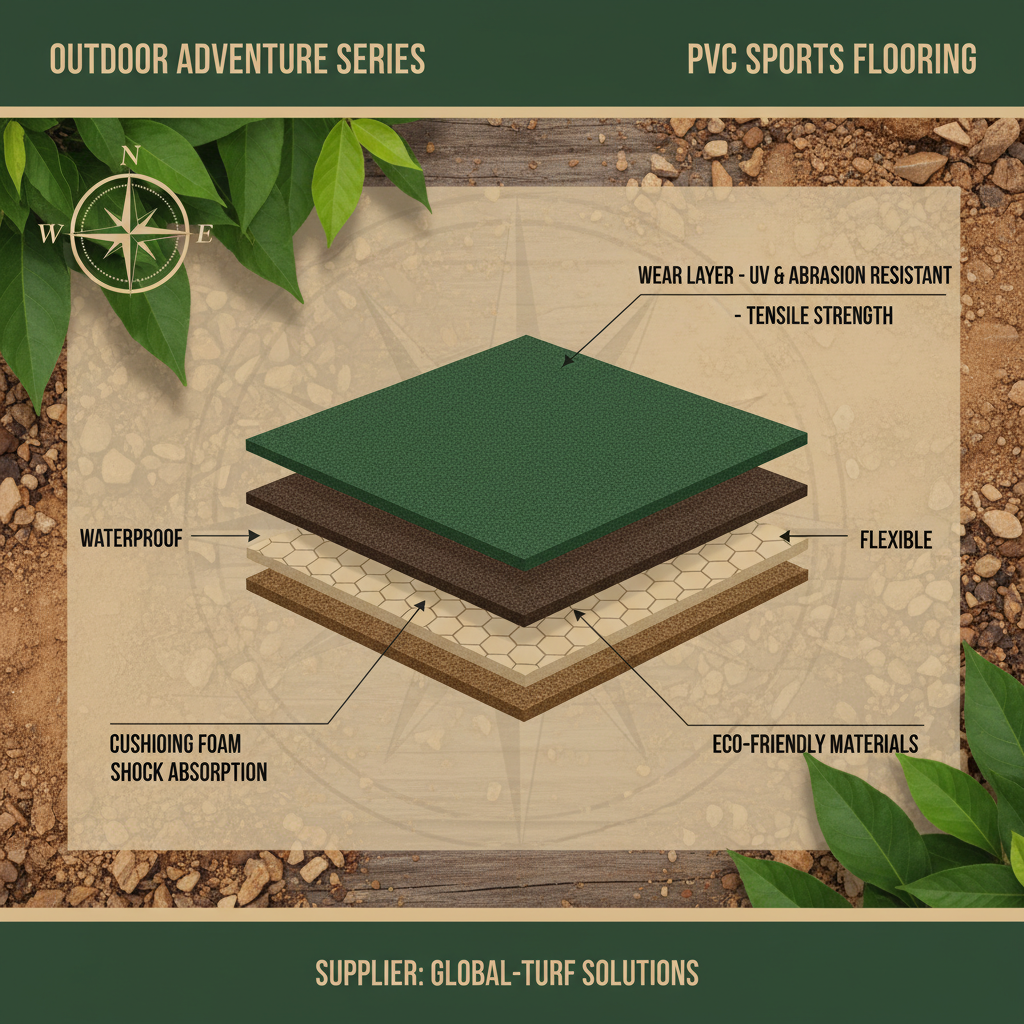
The composition of a pvc sports floor typically includes a wear layer for abrasion resistance, a design layer for aesthetic appeal, a foam layer for cushioning, and a backing layer for stability and adhesion. These layers are carefully engineered to work together, creating a surface that is both durable and comfortable.
This type of flooring finds its connection to modern industry in the demand for specialized surfaces that can withstand heavy use and provide consistent performance. Its humanitarian relevance comes from providing safe and accessible spaces for physical activity in communities around the globe, promoting health and well-being.
Core Components of PVC Sports Floors
Understanding the core components of a pvc sports floor is essential for assessing its quality and suitability for a specific application. The key components include the wear layer, which protects the floor from scratches and abrasions; the design layer, providing the visual aesthetic and often incorporating performance-enhancing textures; and the foam layer, responsible for shock absorption and cushioning.
The backing layer provides stability and adhesion, ensuring the floor remains securely bonded to the subfloor. Different types of backing are available, depending on the installation method and the desired level of performance. The total thickness of the floor is also a crucial factor, influencing its cushioning and durability.
Furthermore, the presence of additives and specialized coatings can enhance specific properties, such as slip resistance, antimicrobial protection, and resistance to UV degradation. The quality of each component, and how they interact, ultimately determines the overall performance and longevity of the pvc sports floor.
Durability & Performance Characteristics
Durability is a cornerstone of pvc sports floor’s appeal. High-quality floors are designed to withstand heavy foot traffic, impact from sports equipment, and the general wear and tear associated with intensive use. A robust wear layer, often ranging from 0.5mm to 2.0mm or more, is crucial for protecting the underlying layers.
Performance characteristics include slip resistance, shock absorption, and ball rebound. Slip resistance is critical for preventing injuries, while shock absorption reduces stress on joints and enhances athlete comfort. Ball rebound is particularly important for sports like basketball and volleyball, where consistent bounce is essential for gameplay.
Comparative Performance of PVC Sports Floor Methods
Global Applications of PVC Sports Flooring
The applications of pvc sports floor are remarkably diverse, spanning numerous sports and recreational activities worldwide. From school gymnasiums and community centers to professional basketball courts and Olympic training facilities, it’s a ubiquitous surface choice. In Europe, it’s a standard in many multi-sport halls.
Across Asia, particularly in rapidly developing countries, pvc sports floor is gaining popularity due to its affordability and durability, making it ideal for equipping schools and public facilities. North America sees extensive use in private gyms, fitness centers, and professional athletic arenas.
Organizations like the FIBA (International Basketball Federation) and the FIVB (International Volleyball Federation) have approved certain pvc sports floor systems for use in official competitions, highlighting their compliance with stringent performance standards. In post-disaster relief operations, portable pvc sports flooring is sometimes used to create temporary recreational spaces for displaced communities.
Advantages & Long-Term Value
The advantages of pvc sports floor extend beyond its immediate performance characteristics. Cost-effectiveness is a major draw, as it typically requires lower installation and maintenance costs compared to traditional wood or rubber flooring. Sustainability is another benefit, as many pvc sports floor manufacturers are increasingly using recycled materials and implementing eco-friendly production processes.
From a social impact perspective, pvc sports floor contributes to creating safe and accessible spaces for physical activity, promoting health and well-being within communities. Reliability is assured through its durable construction and resistance to wear and tear, leading to a longer lifespan and reduced replacement costs. The inherent safety features, like slip resistance and shock absorption, build trust amongst athletes and facility managers.
Future Trends & Innovations in PVC Sports Flooring
Innovation in pvc sports floor technology is ongoing, with a focus on enhancing performance, sustainability, and customization. The development of new wear layers with improved abrasion resistance and anti-microbial properties is a key trend. Integration of digital technologies, such as smart flooring systems that track athlete performance and provide real-time data, is also emerging.
Research into bio-based PVC alternatives is gaining momentum, offering the potential for even more sustainable flooring solutions. Furthermore, advancements in installation techniques, such as click-lock systems and loose-lay options, are simplifying installation and reducing installation costs. Increased focus on circular economy principles will drive the development of recycling programs for end-of-life pvc sports floor materials.
Challenges & Solutions
Despite its many benefits, pvc sports floor faces certain challenges. Initial costs can be higher than some alternatives, and concerns about the environmental impact of PVC production remain. Selecting the appropriate subfloor preparation is critical for optimal performance and longevity, and inadequate preparation can lead to issues with adhesion and surface stability.
Solutions include exploring financing options to offset initial costs, adopting flooring systems made from recycled materials, and prioritizing proper subfloor preparation. Manufacturers are also developing more environmentally friendly PVC formulations and improving recycling technologies. Investing in professional installation services ensures proper adhesion and minimizes the risk of future problems.
Table Summarizing PVC Sports Floor Installation & Maintenance Best Practices
| Installation Stage |
Critical Factor |
Potential Issue |
Recommended Solution |
| Subfloor Preparation |
Moisture Content |
Adhesion Failure |
Thoroughly test and remediate moisture levels before installation. |
| Adhesive Application |
Adhesive Type |
Weak Bond |
Use adhesive specifically designed for pvc sports floor. |
| Installation Process |
Seam Welding |
Water Ingress |
Ensure proper seam welding to create a watertight surface. |
| Initial Cleaning |
Cleaning Agent |
Damage to Wear Layer |
Use a pH-neutral cleaner recommended by the manufacturer. |
| Regular Maintenance |
Frequency of Cleaning |
Dirt & Grime Build-up |
Establish a regular cleaning schedule to remove dirt and debris. |
| Wear & Tear |
Prompt Repair |
Further Damage |
Address any damage promptly to prevent it from worsening. |
FAQS
PVC sports floors offer several advantages over wood, including greater durability, lower maintenance costs, improved shock absorption, and enhanced slip resistance. They're also less susceptible to damage from moisture and temperature fluctuations, making them a more reliable choice for a wider range of environments. Wood flooring requires more frequent refinishing and is prone to warping and splintering, whereas pvc sports floor maintains a consistent, high-performance surface for years with minimal upkeep.
The thickness of a pvc sports floor directly influences its cushioning and shock absorption capabilities. Thicker floors (2.0mm and above) are generally preferred for high-impact sports like basketball and volleyball, providing greater protection for athletes' joints. Thinner floors (1.5mm or less) may be suitable for lighter activities like badminton or fitness classes. Choosing the correct thickness is crucial for optimizing performance and minimizing the risk of injuries.
While PVC is a synthetic material, advancements have been made to mitigate its environmental impact. Look for manufacturers who utilize recycled content in their flooring and employ eco-friendly production processes. Proper disposal and recycling of end-of-life flooring are also important considerations. Additionally, opting for low-VOC (volatile organic compound) adhesives can contribute to a healthier indoor environment.
Regular cleaning is essential for maintaining a pvc sports floor. Sweep or vacuum daily to remove dust and debris, and mop weekly with a pH-neutral cleaner recommended by the manufacturer. Avoid using abrasive cleaners or harsh chemicals, as these can damage the wear layer. Promptly address any spills or stains to prevent them from setting. Periodic inspections can help identify and address minor issues before they escalate.
Common installation methods include direct glue-down, loose-lay, and floating systems. Direct glue-down provides a secure and permanent bond, while loose-lay offers flexibility and ease of replacement. Floating systems utilize a locking mechanism and are suitable for uneven subfloors. The best method depends on the subfloor condition, budget, and desired level of performance. Consulting with a professional installer is recommended to determine the most appropriate option.
A well-maintained pvc sports floor can typically last between 10 and 20 years, depending on the traffic level, type of use, and quality of the flooring. Regular cleaning, prompt repair of any damage, and adherence to the manufacturer's maintenance recommendations are crucial for maximizing its lifespan. Higher-quality flooring with thicker wear layers will generally have a longer lifespan.
Conclusion
In conclusion, pvc sports floor represents a compelling solution for creating safe, durable, and high-performance athletic and recreational spaces. Its versatility, cost-effectiveness, and ease of maintenance make it a preferred choice for a wide range of applications, from schools and community centers to professional sporting facilities. The continuous innovation in materials and installation techniques further solidifies its position as a leading flooring option.
Looking ahead, the future of pvc sports floor lies in enhanced sustainability, smart technologies, and a greater emphasis on athlete well-being. By embracing these advancements, we can create spaces that not only optimize performance but also contribute to a healthier and more sustainable future. For all your pvc sports floor needs, visit our website: pvc sports floor.