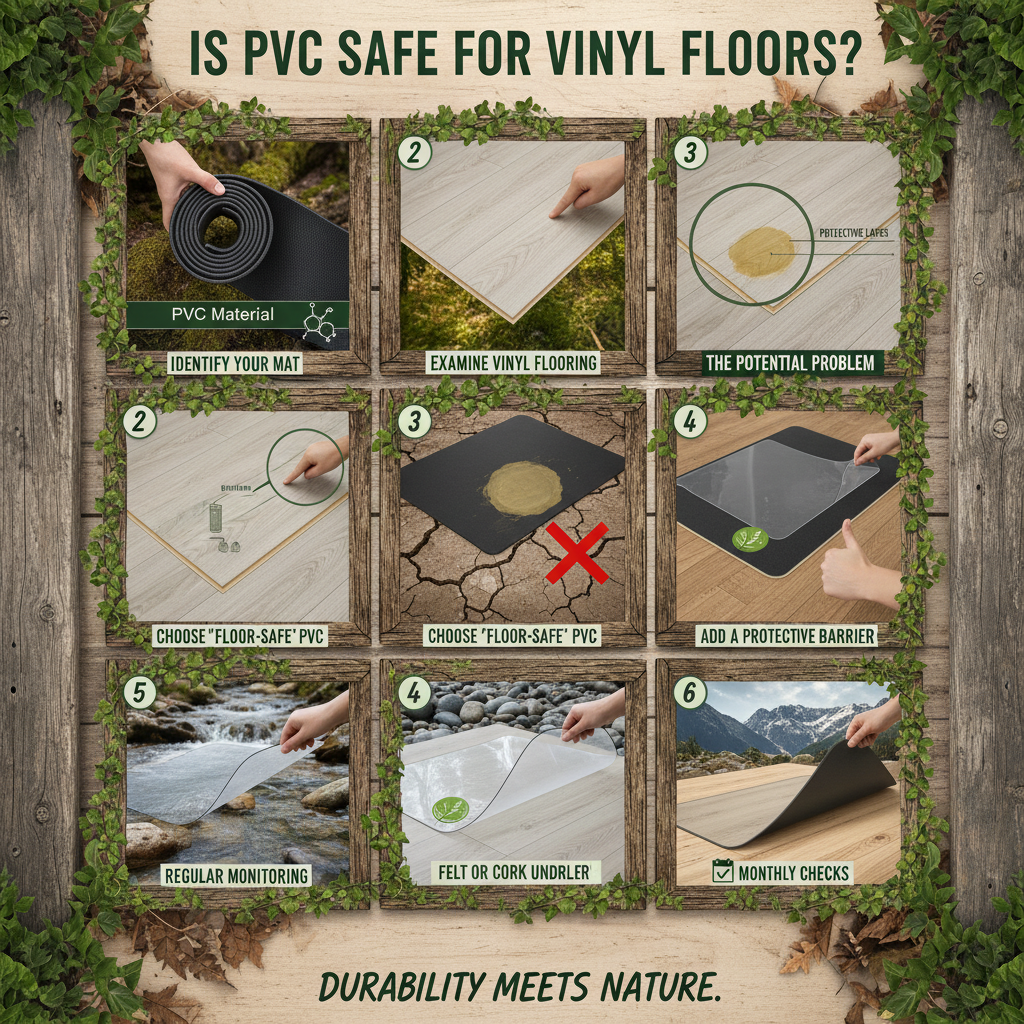
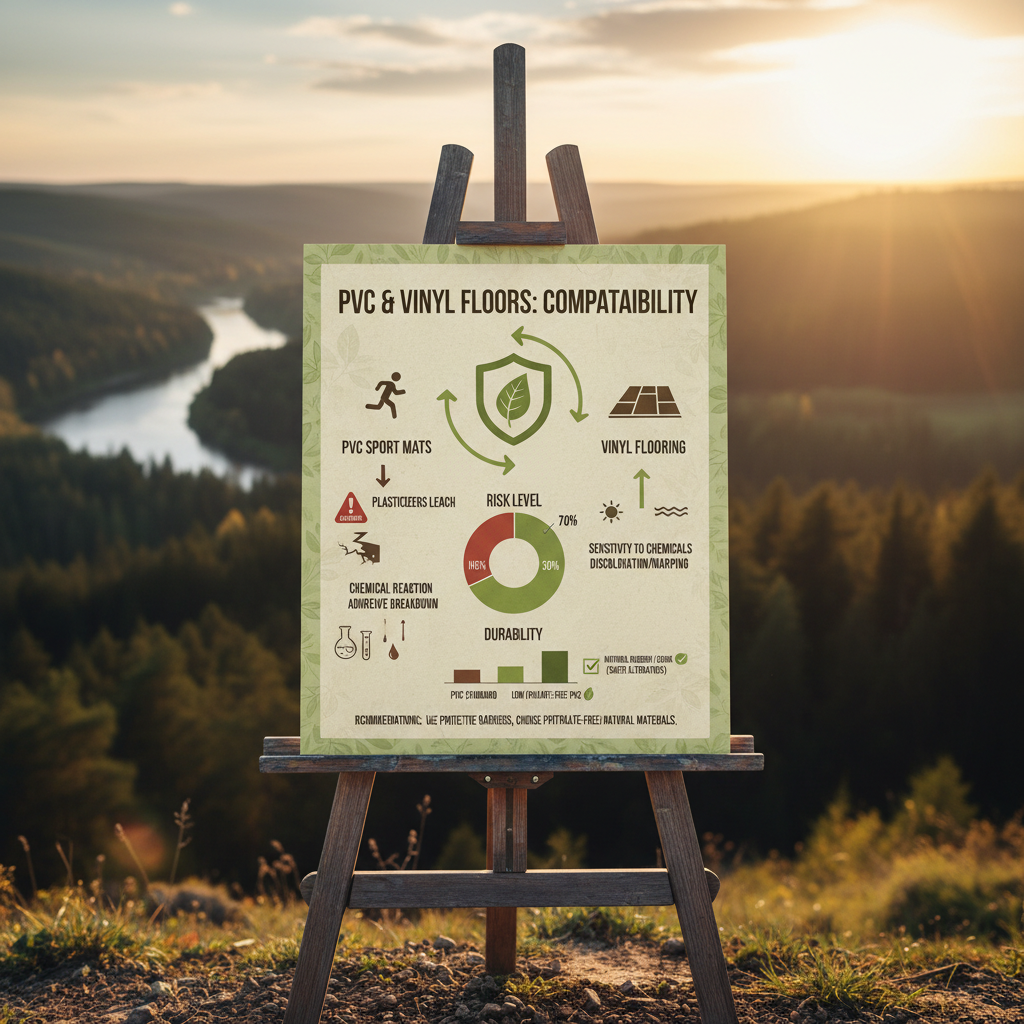
Look, I’ve been tracking vinyl flooring and PVC for over fifteen years, spending more time on job sites than in a boardroom. The question of “is PVC safe for vinyl floors” isn't some abstract chemical debate – it's about protecting crews, homeowners, and frankly, my reputation. It's become a bigger deal with increasing scrutiny on building materials and concerns about off-gassing, phthalates, and overall indoor air quality. We're not just slapping down a floor; we're creating a living space, and that carries responsibility.
For years, PVC was the go-to. Cheap, durable, easy to work with – the trifecta for contractors. But the worry’s always been there, rumbling under the surface. Clients are asking tougher questions, architects are demanding more transparency, and frankly, the guys installing this stuff deserve to know what they’re breathing in all day. The real issue isn't if PVC is used, it’s how it’s used, and what alternatives are available that deliver the same performance without the potential health concerns.
It boils down to a balancing act. We need materials that perform, that stand up to wear and tear, and that fit within budget. But increasingly, we also need materials that aren’t going to compromise the health of the people living with them. That’s why this whole “is PVC safe for vinyl floors” conversation is so vital, and why I’ve been diving deep into the science, the regulations, and the emerging alternatives.
Understanding PVC Composition in Vinyl Flooring
PVC, or Polyvinyl Chloride, isn't just in vinyl flooring; it's often the backbone of it. It provides that flexibility, durability, and water resistance we all rely on. But it's rarely pure PVC. It's mixed with plasticizers – historically phthalates – to make it pliable, and stabilizers to prevent degradation. Those additives are where a lot of the concern lies. You've got to understand what's in the PVC, not just that PVC is present.
I’ve seen roll after roll come onto sites, and knowing what's in that material impacts how I advise my teams. Proper ventilation during installation is a must, and being aware of low-VOC (Volatile Organic Compound) options has become standard practice. It’s not just about installing a floor; it’s about understanding the entire chemical makeup and its potential impact.
The Historical Context of PVC Usage
PVC’s been around for decades. It exploded in popularity in the 50s and 60s, a real game-changer for affordability and practicality. For years, it was the king of flooring. The problem is, what we knew about its potential health effects back then isn’t what we know now. We were focused on getting costs down and building quickly; the long-term implications weren’t always at the forefront.
That legacy is still with us. Older buildings are riddled with PVC flooring, and renovations can stir up those older compounds. It’s forced us to get smarter about remediation and responsible removal. Newer formulations are better, but understanding the history helps explain why the concerns persist.
The shift towards lower-VOC and phthalate-free options is a direct result of decades of research and evolving regulations. It’s a slow process, but it's a clear indication that the industry is responding to legitimate concerns.
Health Concerns Associated with PVC
The big worries with PVC center around phthalates – those plasticizers I mentioned earlier. They can off-gas, releasing VOCs into the air. Prolonged exposure has been linked to a range of health issues, from respiratory irritation to more serious concerns, especially for kids and pregnant women. It’s not a black-and-white “PVC is evil” scenario, but you have to acknowledge the potential risks.
Now, the levels of phthalates allowed in flooring are regulated, and manufacturers are increasingly using alternative plasticizers. But “regulated” doesn’t mean “zero risk”. It means the levels are considered acceptable based on current scientific understanding. And that understanding is always evolving. I always tell my guys – if you smell a strong chemical odor during installation, that’s a red flag.
Beyond phthalates, there’s also the concern about vinyl chloride monomer (VCM), a known carcinogen. While modern manufacturing processes significantly reduce VCM residue in finished products, it’s still a factor to consider, especially when dealing with older materials.
Vinyl Flooring Safety Standards and Regulations
There are a few key players when it comes to regulating vinyl flooring. The EPA sets limits for VOC emissions, and organizations like FloorScore and GreenGuard certify products that meet specific standards. These certifications aren’t mandatory, but they give you a level of assurance. I always look for those certifications when specifying materials.
But let's be honest, regulations can lag behind scientific advancements. And standards can vary. That’s why it’s crucial to do your own research and understand what those certifications actually mean. Don’t just take a label at face value. Dig into the testing protocols and the allowable limits.
Vinyl Flooring Safety Standards Comparison
PVC Alternatives in Vinyl Flooring
The good news is, there are alternatives. Linoleum, for example, is a natural material made from linseed oil, wood flour, and other renewable resources. It's durable, biodegradable, and doesn't off-gas harmful chemicals. It's a bit more expensive and requires more skilled installation, but it’s a solid option for environmentally conscious projects.
Then you’ve got options like sheet vinyl made with recycled content, and some newer formulations that use bio-based plasticizers. These are often marketed as "low-VOC" or "phthalate-free," but again, do your homework and verify those claims.
The Impact of Manufacturing Processes on Safety
It’s not just about the final product; it’s about how it's made. Manufacturing processes can leave behind residual chemicals, and some factories have stricter quality control than others. Sourcing materials from reputable manufacturers who prioritize environmental responsibility and worker safety is critical.
I’ve visited factories, seen the processes firsthand, and asked the tough questions. Transparency from the manufacturer is a huge indicator of their commitment to safety. If they’re hesitant to share information about their processes or their chemical sourcing, that’s a red flag.
The rise of closed-loop manufacturing, where waste materials are recycled back into the production process, is also a positive trend. It reduces the reliance on virgin PVC and minimizes environmental impact.
Long-Term Durability and Environmental Considerations
Durability is a huge factor. A floor that lasts longer reduces the need for replacement, minimizing waste and lowering the overall environmental footprint. PVC, when properly maintained, can last a long time, but its end-of-life disposal is a challenge.
Most PVC flooring ends up in landfills, where it doesn’t readily decompose. There’s growing interest in recycling PVC, but it’s still not widely available. Choosing a floor that’s designed for disassembly and recyclability is a step in the right direction.
Ultimately, the question of "is pvc safe for vinyl floors" isn't a simple yes or no. It's a complex issue that requires careful consideration of the material composition, manufacturing processes, installation practices, and end-of-life disposal.
Table Summarizing PVC Flooring Safety Considerations
| Risk Factor |
Severity Level (1-10) |
Mitigation Strategies |
Long-Term Impact |
| Phthalate Off-Gassing |
6 |
Choose phthalate-free options, ensure proper ventilation. |
Potential respiratory issues, endocrine disruption. |
| VOC Emissions |
7 |
Select low-VOC products, maintain good indoor air quality. |
Short-term respiratory irritation, potential long-term health effects. |
| Vinyl Chloride Monomer (VCM) Residue |
4 |
Source from reputable manufacturers with strict quality control. |
Potential carcinogenic risk. |
| Manufacturing Process Impacts |
5 |
Choose manufacturers with sustainable practices and transparency. |
Environmental pollution, worker health hazards. |
| End-of-Life Disposal |
8 |
Seek recyclable options, support development of PVC recycling infrastructure. |
Landfill accumulation, environmental contamination. |
| Additive Leaching |
3 |
Proper floor maintenance, avoid harsh cleaning chemicals. |
Potential release of harmful chemicals into the environment. |
FAQS
While often used interchangeably, vinyl is the broader category. PVC (Polyvinyl Chloride) is a type of plastic used to make many types of vinyl flooring. Not all vinyl flooring is made entirely of PVC, but it's a primary component. Knowing this distinction is crucial when evaluating safety and environmental impact.
“Low-VOC” indicates reduced levels of volatile organic compounds emitted from the floor. It’s a step in the right direction, but it doesn't guarantee zero emissions. It’s important to look for third-party certifications like FloorScore to verify these claims and understand the specific VOC limits. Also, it doesn't address all potential health concerns linked to PVC.
Ventilation is key! Open windows and use fans during and after installation. Allow the flooring to air out for several days before occupying the space. Consider using a low-VOC adhesive and sealant. And always follow the manufacturer’s instructions for installation and cleaning.
Linoleum is a great natural option, made from renewable resources. Cork flooring is another sustainable choice. For vinyl alternatives, look for options made with recycled content or bio-based plasticizers. However, remember to research the entire product composition, not just the marketing claims.
Absolutely not! Disturbing asbestos tiles can release dangerous fibers into the air. Asbestos abatement should always be handled by qualified professionals. Installing vinyl flooring directly over asbestos is a serious health risk and is often illegal.
Thicker vinyl flooring doesn’t necessarily mean it’s safer. It's the composition of the material that matters most. However, thicker flooring can be more durable, meaning it will need replacing less often, which reduces overall environmental impact. Look for certifications that address the entire product lifecycle.
Conclusion
The question of "is pvc safe for vinyl floors" doesn’t have a simple answer. PVC offers durability and affordability, but it comes with potential health and environmental concerns. Understanding the composition, manufacturing processes, and available alternatives is crucial for making informed decisions. The industry is moving towards safer formulations and more sustainable practices, but vigilance and careful sourcing remain paramount.
I encourage everyone involved – from architects and contractors to homeowners – to demand transparency from manufacturers, prioritize certifications, and explore alternative materials whenever possible. Let's build healthier, more sustainable spaces, one floor at a time. For more information and resources, visit our website: www.langningsports.com.