Vinyl badminton floor represents a significant advancement in sports surfacing, offering a durable, high-performance playing surface suitable for recreational and competitive play. Globally, badminton’s popularity is surging, with over 220 million players worldwide according to the Badminton World Federation, creating a growing demand for specialized flooring solutions. This demand extends beyond dedicated badminton courts to multipurpose facilities seeking adaptable sports surfaces. Understanding the nuances of vinyl badminton floor is crucial for facility managers, athletes, and sports enthusiasts alike.
The increasing emphasis on indoor sports, coupled with a desire for consistent performance and player safety, has propelled vinyl badminton floor to the forefront of court surface technologies. Its benefits extend beyond performance, encompassing ease of maintenance, cost-effectiveness over its lifespan, and adaptability to various subfloor conditions. The global sports flooring market is projected to reach \$4.5 billion by 2028, with vinyl surfaces capturing a significant share, highlighting the increasing reliance on these advanced materials.
Ultimately, investing in quality vinyl badminton floor is an investment in the sport's future, ensuring a consistent, safe, and enjoyable experience for players of all levels, while optimizing facility usability and long-term value. This flooring isn’t just a surface; it's a foundation for athletic achievement and community engagement.
Introduction to Vinyl Badminton Floor
Vinyl badminton floor has become the preferred choice for many modern badminton facilities, representing a shift from traditional wooden courts. Its inherent qualities offer superior shock absorption, enhanced grip, and improved consistency, all critical for a dynamic and demanding sport like badminton.
Beyond its athletic advantages, vinyl's durability and relatively low maintenance requirements contribute to a longer lifespan and reduced operational costs. This makes it an increasingly attractive option for schools, community centers, and professional badminton arenas seeking a reliable and cost-effective solution.
Defining Vinyl Badminton Floor
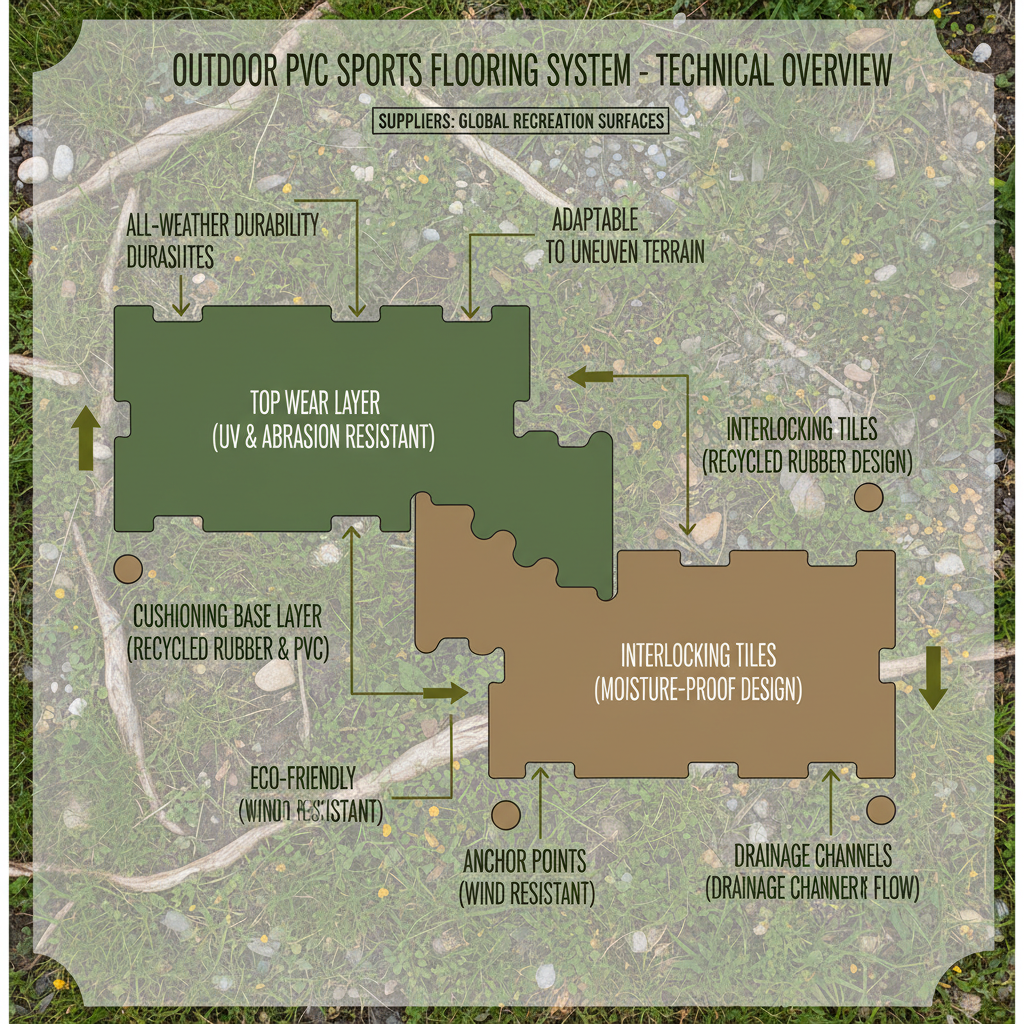
Vinyl badminton floor is a synthetic sports surfacing material specifically engineered to provide an optimal playing surface for badminton. It typically consists of multiple layers, including a wear layer, a cushioned layer, and a backing layer, all bonded to a subfloor. This layered construction is crucial for delivering the required performance characteristics.
Unlike traditional wood courts that can be susceptible to moisture, warping, and splintering, vinyl is inherently water-resistant and more stable, making it suitable for both indoor and covered outdoor applications. Modern vinyl formulations also prioritize low VOC emissions, contributing to healthier indoor air quality.
The definition extends beyond just the material; it also includes the specialized coatings and surface textures applied to enhance grip, reduce glare, and optimize shuttlecock trajectory. Proper installation is equally important, often requiring a level and properly prepared subfloor to ensure consistent performance.
Key Properties of Vinyl Badminton Floor
One of the most significant properties of vinyl badminton floor is its consistency. Unlike natural wood, vinyl maintains a uniform surface, ensuring predictable shuttlecock bounce and reliable footing for players. This consistency is vital for competitive play and skill development.
Durability is another key characteristic. High-quality vinyl flooring can withstand heavy foot traffic, impacts from shoes, and the continuous demands of badminton play without significant wear and tear. This translates to a longer lifespan and reduced replacement costs.
Safety is also paramount. Vinyl flooring offers excellent shock absorption, reducing the risk of injuries from falls or repetitive impact. The textured surface provides enhanced grip, minimizing slips and slides, further enhancing player safety.
Performance Characteristics of Vinyl Badminton Floor
The performance of vinyl badminton floor is measured by several key factors, including ball rebound, foot absorption, and slip resistance. High-quality vinyl flooring is engineered to provide optimal rebound characteristics, allowing for dynamic rallies and precise shot-making.
Furthermore, its cushioned layer significantly reduces impact stress on joints, protecting players from fatigue and potential injuries. The slip resistance, often controlled by the surface texture and coating, ensures secure footing, even during fast-paced movements.
Vinyl Badminton Floor Performance Comparison
Global Applications and Use Cases
Vinyl badminton floor finds application in a wide range of facilities globally, from community recreation centers to world-class professional arenas. In Asia, where badminton is immensely popular, large-scale installations are common in newly constructed sports complexes.
In Europe and North America, schools and universities are increasingly opting for vinyl surfaces due to their durability and versatility for multiple sports. Furthermore, dedicated badminton clubs and training facilities are increasingly adopting vinyl flooring to provide consistent and high-performance playing conditions.
Long-Term Benefits & Value Proposition
Investing in vinyl badminton floor provides significant long-term benefits. Lower maintenance costs compared to wood, a longer lifespan, and reduced risk of injuries all contribute to a strong return on investment.
Moreover, the consistent playing surface enhances player experience and skill development, fostering a thriving badminton community. The reduced need for resurfacing or repairs minimizes disruption and ensures continuous usability of the facility.
From a sustainability perspective, the durability of vinyl flooring reduces waste and the need for frequent replacements, aligning with environmentally conscious practices. The overall value proposition extends beyond mere cost savings, encompassing enhanced performance, safety, and community benefits.
Future Trends and Innovations
The future of vinyl badminton floor is focused on enhanced performance, sustainability, and technological integration. Manufacturers are exploring new materials and coatings to further improve shock absorption, grip, and durability.
Bio-based vinyl formulations are gaining traction, offering a more environmentally friendly alternative to traditional petroleum-based products. Smart flooring systems, incorporating sensors to track player movement and analyze performance data, are also emerging as a potential innovation.
Furthermore, advancements in installation techniques, such as pre-fabricated panels and self-adhesive systems, are streamlining the installation process, reducing costs and minimizing disruption. These ongoing innovations promise to elevate the performance and sustainability of vinyl badminton floor for years to come.
Key Comparison of Vinyl Badminton Floor Attributes
|
Floor Type
|
Durability Rating (1-10)
|
Maintenance Level (Low-High)
|
Cost Effectiveness (1-10)
|
| Vinyl Badminton Floor |
9 |
Low |
8 |
| Wooden Badminton Floor |
6 |
High |
5 |
| Polyurethane Badminton Floor |
7 |
Medium |
7 |
| Rubber Badminton Floor |
8 |
Medium |
6 |
| Acrylic Badminton Floor |
5 |
Low |
4 |
| PVC Badminton Floor |
7 |
Low |
7 |
FAQS
Vinyl badminton floors offer superior durability, require less maintenance, and are more resistant to moisture compared to wood. Wood, while providing a traditional feel, is prone to warping, splintering, and requires regular sanding and refinishing. Vinyl also generally provides more consistent ball bounce and shock absorption.
Installation time depends on the size of the court and the complexity of the subfloor preparation. Generally, a standard badminton court installation can take between 2-5 days, including subfloor leveling and vinyl sheet or tile installation.
While some vinyl formulations are designed for covered outdoor areas, they are not typically recommended for prolonged exposure to direct sunlight and harsh weather conditions. UV exposure can degrade the vinyl over time, affecting its performance and appearance.
Vinyl badminton floors require minimal maintenance. Regular sweeping or vacuuming to remove dust and debris is essential. Occasional damp mopping with a neutral pH cleaner is recommended. Avoid abrasive cleaners or harsh chemicals that could damage the surface.
The cost of vinyl badminton flooring varies depending on the quality, thickness, and installation complexity. Generally, it's more cost-effective than wood flooring, considering its longer lifespan and lower maintenance requirements. Installation costs also need to be factored in.
Vinyl flooring provides excellent shock absorption, reducing the impact on joints and minimizing the risk of injuries. The textured surface also offers superior grip, preventing slips and slides during fast-paced play. Properly installed vinyl flooring significantly enhances player safety.
Conclusion
In conclusion, vinyl badminton floor stands as a superior sports surfacing solution, offering a compelling combination of performance, durability, safety, and cost-effectiveness. Its ability to provide a consistent playing surface, reduce injury risk, and minimize maintenance requirements makes it an ideal choice for facilities worldwide. The increasing adoption of vinyl flooring underscores its value in supporting the growth and development of badminton at all levels.
Looking ahead, continued innovation in materials and installation techniques will further enhance the benefits of vinyl badminton floor, solidifying its position as the industry standard. Investing in quality vinyl flooring is an investment in the future of the sport, ensuring a positive and sustainable playing experience for generations to come. Visit our website to explore our range of vinyl badminton floor options today!