PVC sport flooring has emerged as a globally significant material, revolutionizing athletic surfaces and gaining prominence in diverse applications. Its versatility, durability, and cost-effectiveness have propelled its adoption worldwide, from professional sports venues to community gyms and schools. Understanding the nuances of pvc sport floor is crucial for architects, facility managers, and athletes alike, as it directly impacts performance, safety, and longevity of sporting facilities.
The increasing demand for high-performance sports surfaces coupled with a growing awareness of athlete safety and injury prevention is driving innovation in the pvc sport floor industry. Globally, the sports and recreation market is a multi-billion dollar industry, with flooring representing a substantial portion of this expenditure. Factors like urbanization, rising disposable incomes, and a greater emphasis on health and fitness contribute to the continuous growth of pvc sport floor applications.
Furthermore, the advancements in manufacturing technologies and material science have led to the development of eco-friendly and sustainable pvc sport floor options, addressing concerns about environmental impact. This evolution is transforming the landscape of athletic surfaces, paving the way for safer, more resilient, and environmentally responsible sports facilities.
Introduction to pvc sport floor
Pvc sport floor represents a significant advancement in athletic surface technology, offering a versatile and durable solution for a wide array of sporting activities. These floors are engineered to provide optimal shock absorption, slip resistance, and consistent performance, minimizing the risk of injuries and maximizing athletic potential. They are quickly becoming the preferred choice for modern sports facilities.
The widespread adoption of pvc sport floor is driven by its affordability, ease of maintenance, and customization options. From badminton courts to basketball arenas and fitness centers, these floors can be tailored to meet the specific requirements of various sports, providing a comfortable and safe playing surface for athletes of all levels.
Defining pvc sport floor
Pvc sport floor, also known as vinyl sports flooring, is a synthetic flooring material specifically designed for athletic and recreational facilities. It's typically constructed from multiple layers of polyvinyl chloride (PVC), offering a combination of cushioning, durability, and performance characteristics tailored to various sports. Unlike traditional hardwood or concrete surfaces, pvc sport floor offers superior shock absorption and consistent traction.
This flooring type is not simply a generic vinyl product; it’s a highly engineered system incorporating specific formulations and manufacturing processes to meet stringent performance standards. These standards relate to slip resistance, ball rebound, vertical deformation, and wear resistance, all crucial for optimal athlete safety and performance.
The connection to modern industry lies in the constant innovation in polymer science and manufacturing techniques. The demand for high-performance, safe, and sustainable athletic surfaces pushes manufacturers to develop increasingly sophisticated pvc sport floor solutions that cater to the evolving needs of the sports and recreation industry.
Key Properties of pvc sport floor
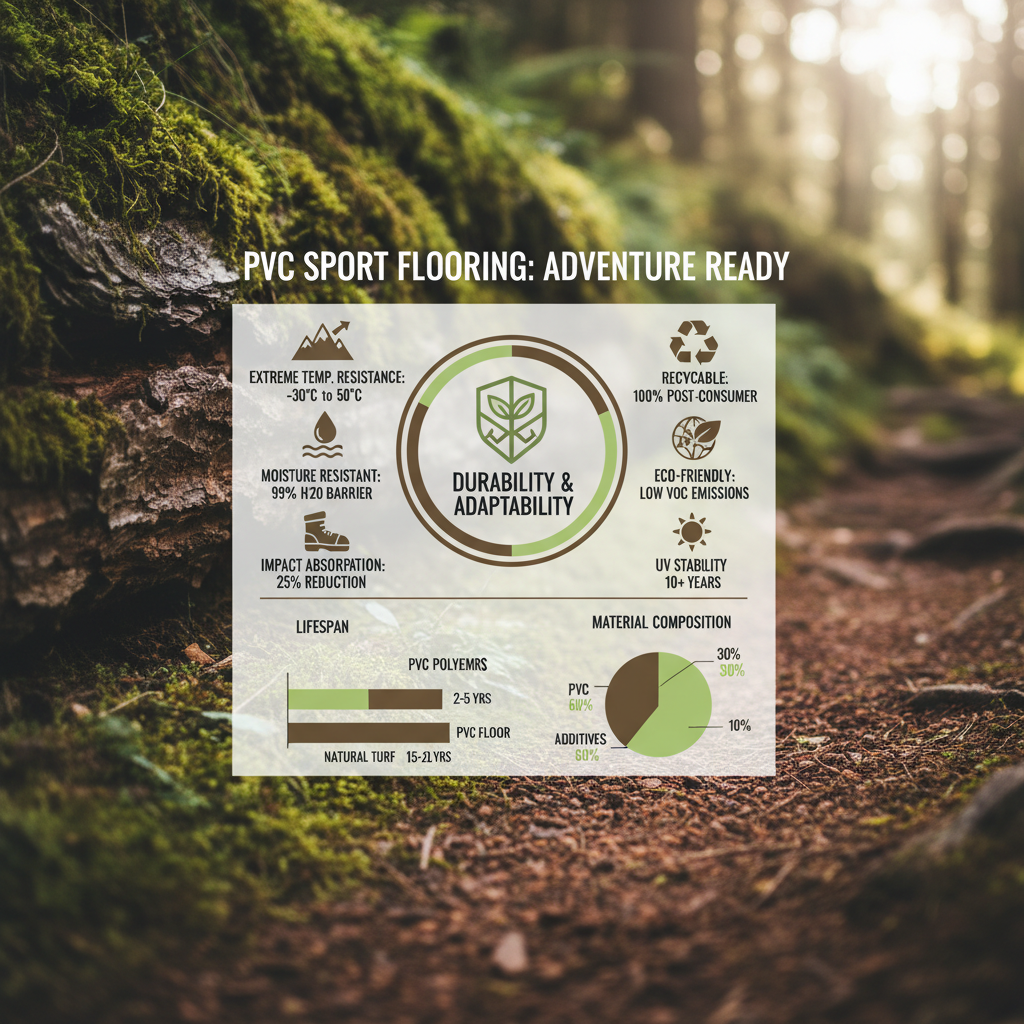
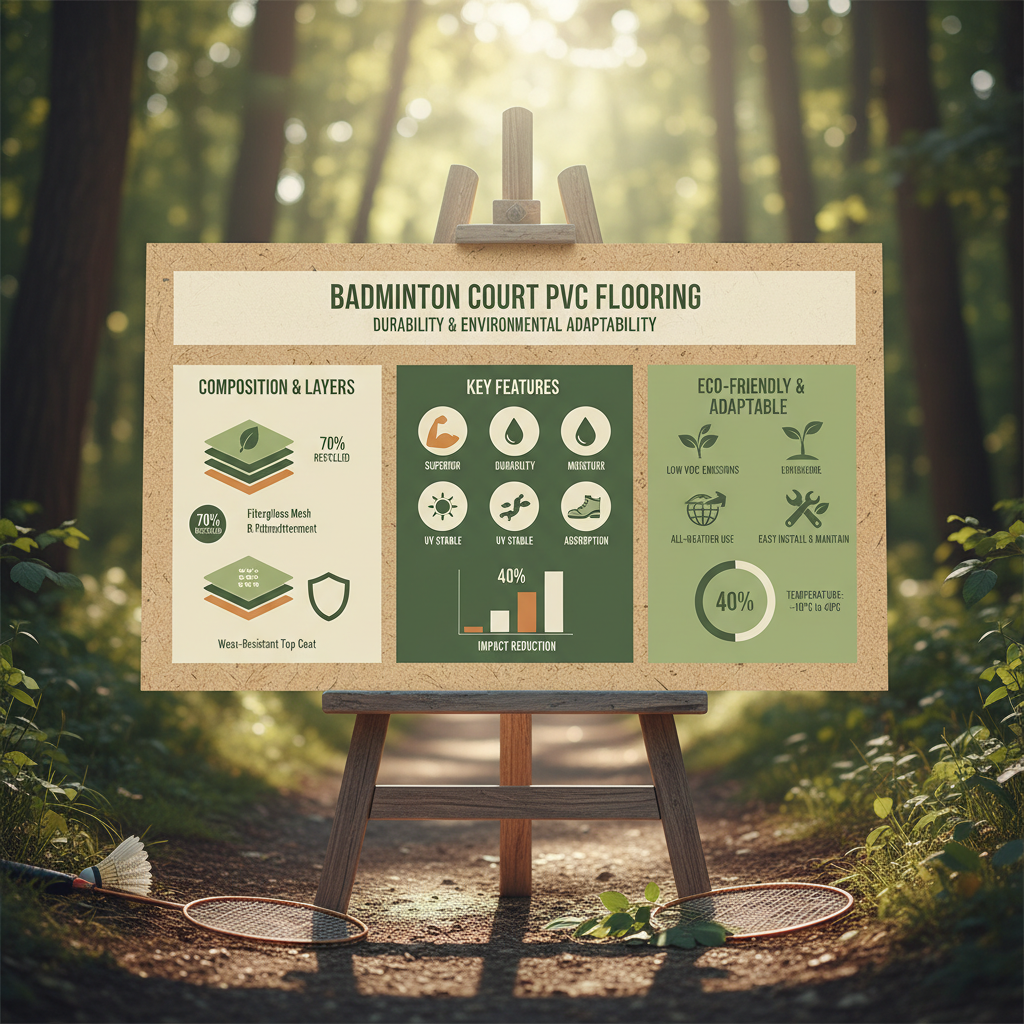
One of the defining characteristics of pvc sport floor is its inherent durability. The PVC material is inherently resistant to abrasion, impact, and tearing, ensuring a long lifespan even under heavy use. This longevity translates to lower life-cycle costs compared to other flooring options that require frequent replacement or resurfacing.
Another crucial property is its excellent shock absorption capabilities. The layered construction of pvc sport floor effectively dissipates impact forces, reducing stress on athletes’ joints and minimizing the risk of injuries. This is particularly important in high-impact sports like basketball, volleyball, and badminton.
Furthermore, pvc sport floor offers exceptional slip resistance, providing athletes with a secure footing during dynamic movements. The surface texture is carefully engineered to strike a balance between grip and glide, preventing slips and falls while allowing for agility and freedom of movement.
Durability and Performance Characteristics
The durability of pvc sport floor is a key factor in its long-term value. The material’s resistance to wear and tear, combined with its ease of maintenance, ensures that the flooring remains in optimal condition for years, even with high levels of foot traffic and athletic activity. Regular cleaning and occasional polishing are typically sufficient to maintain its appearance and performance.
Performance characteristics are rigorously tested to meet international standards, such as those set by EN 14904. These tests evaluate factors like wear resistance, impact absorption, slip resistance, and dimensional stability, guaranteeing that the flooring provides a safe and reliable surface for athletes.
Comparison of Performance Metrics across pvc sport floor Types
Global Applications of pvc sport floor
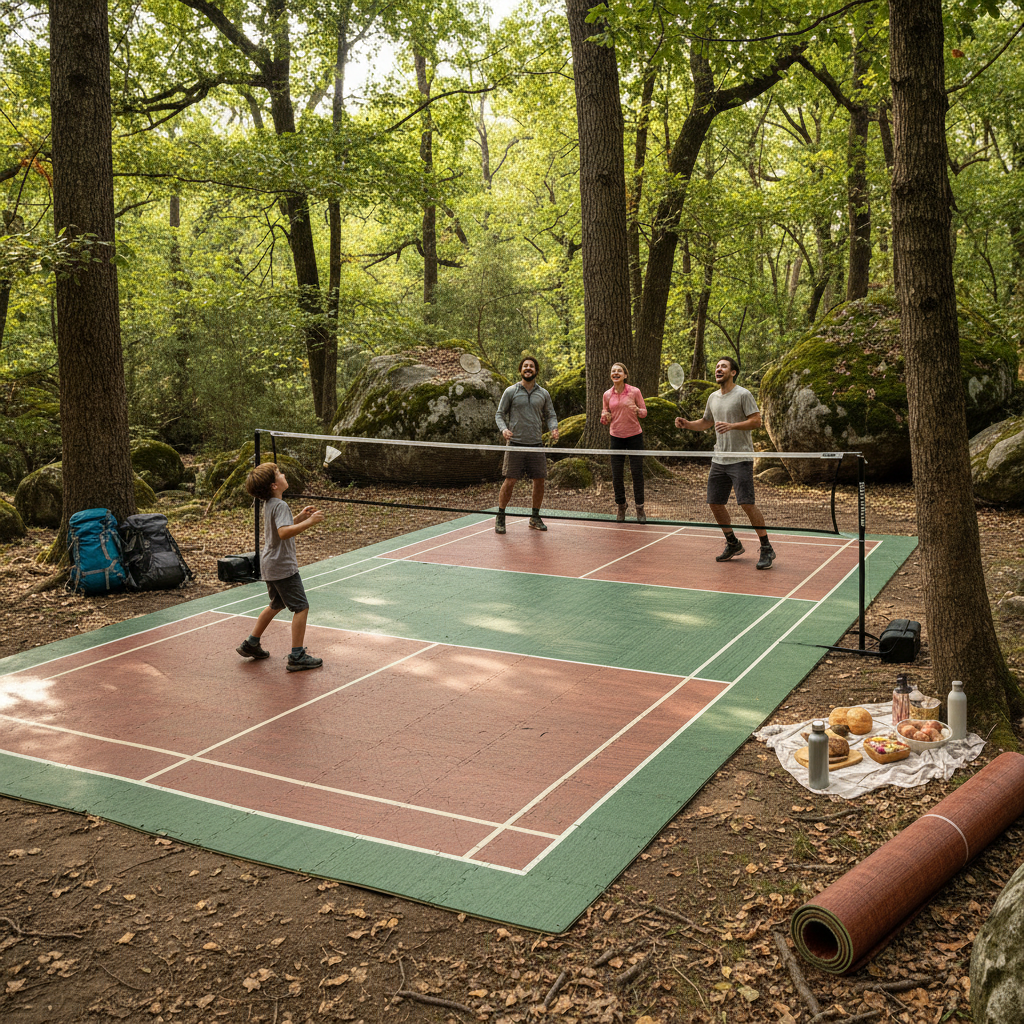
Pvc sport floor finds application in a wide range of facilities worldwide. From professional basketball courts used in the NBA to local school gymnasiums and community fitness centers, its versatility makes it suitable for numerous sporting disciplines. It's also a popular choice for volleyball courts, badminton courts, table tennis areas, and squash courts.
In Asia, particularly in countries like China, Japan, and South Korea, pvc sport floor is extensively used in multi-purpose sports halls and schools, driven by a growing emphasis on physical education and sports development. Europe also represents a significant market, with a focus on high-performance sports facilities and athlete safety. North America follows with consistent demands for resilient and durable athletic surfaces.
Advantages and Long-Term Value
The advantages of pvc sport floor extend beyond its functional properties. The cost-effectiveness of installation and maintenance contributes significantly to its long-term value. Compared to hardwood or other synthetic materials, pvc sport floor often offers a lower total cost of ownership due to its durability and reduced need for repairs or replacements.
Moreover, the availability of sustainable pvc sport floor options, incorporating recycled content and low-VOC emissions, aligns with growing environmental concerns. This eco-friendly aspect enhances its appeal to facilities seeking to reduce their carbon footprint and promote responsible building practices. The impact on athlete safety, through injury reduction, is an invaluable benefit that translates to long-term well-being and performance.
From a social impact perspective, providing safe and reliable sporting surfaces fosters greater participation in sports and physical activity, contributing to healthier communities. The consistent performance and comfortable playing surface inspire confidence and encourage athletes to push their limits.
Future Trends in pvc sport floor Technology
The future of pvc sport floor lies in continued innovation in material science and manufacturing processes. Researchers are actively exploring the use of bio-based polymers and recycled materials to create even more sustainable and environmentally friendly flooring options. Nanotechnology is also being investigated to enhance the durability, slip resistance, and shock absorption properties of pvc sport floor.
Another emerging trend is the integration of smart technologies into pvc sport floor. This includes embedded sensors that can track athlete movements, measure impact forces, and provide real-time data for performance analysis and injury prevention. Digital printing technologies are also enabling greater customization options, allowing for intricate designs and branding on the flooring surface.
The integration of digital technologies and automation in the manufacturing process will likely lead to more efficient production methods and lower costs. Furthermore, stricter environmental regulations and a growing consumer demand for sustainable products will drive the development of eco-friendly pvc sport floor solutions.
Summary of Challenges and Potential Solutions in pvc sport floor
| Challenge |
Impact Area |
Potential Solution |
Implementation Cost (1-10) |
| Environmental Concerns Regarding PVC Production |
Sustainability |
Utilize Bio-Based PVC Alternatives & Recycled Content |
7 |
| Maintaining Consistent Performance Over Time |
Athlete Safety & Performance |
Advanced Wear Layer Technologies & Regular Maintenance |
6 |
| High Initial Installation Costs |
Budgeting & Accessibility |
Standardized Installation Procedures & Cost-Effective Designs |
5 |
| Limited Customization Options |
Branding & Aesthetics |
Digital Printing Technologies for Enhanced Design Flexibility |
8 |
| Lack of Standardized Performance Testing |
Quality Control & Reliability |
Implement Universal Performance Standards and Certification Programs |
9 |
| Difficulties in Repairing Damaged Areas |
Longevity & Maintenance |
Develop Seamless Repair Technologies & Modular Replacement Systems |
4 |
FAQS
Pvc sport floor offers several advantages over hardwood, including superior shock absorption, higher slip resistance, lower maintenance requirements, and enhanced durability. Hardwood is susceptible to moisture damage, warping, and splintering, while pvc sport floor is water-resistant, more forgiving to impacts, and requires less frequent refinishing. The initial cost might be comparable, but the long-term cost of ownership for pvc sport floor is often lower due to its longevity.
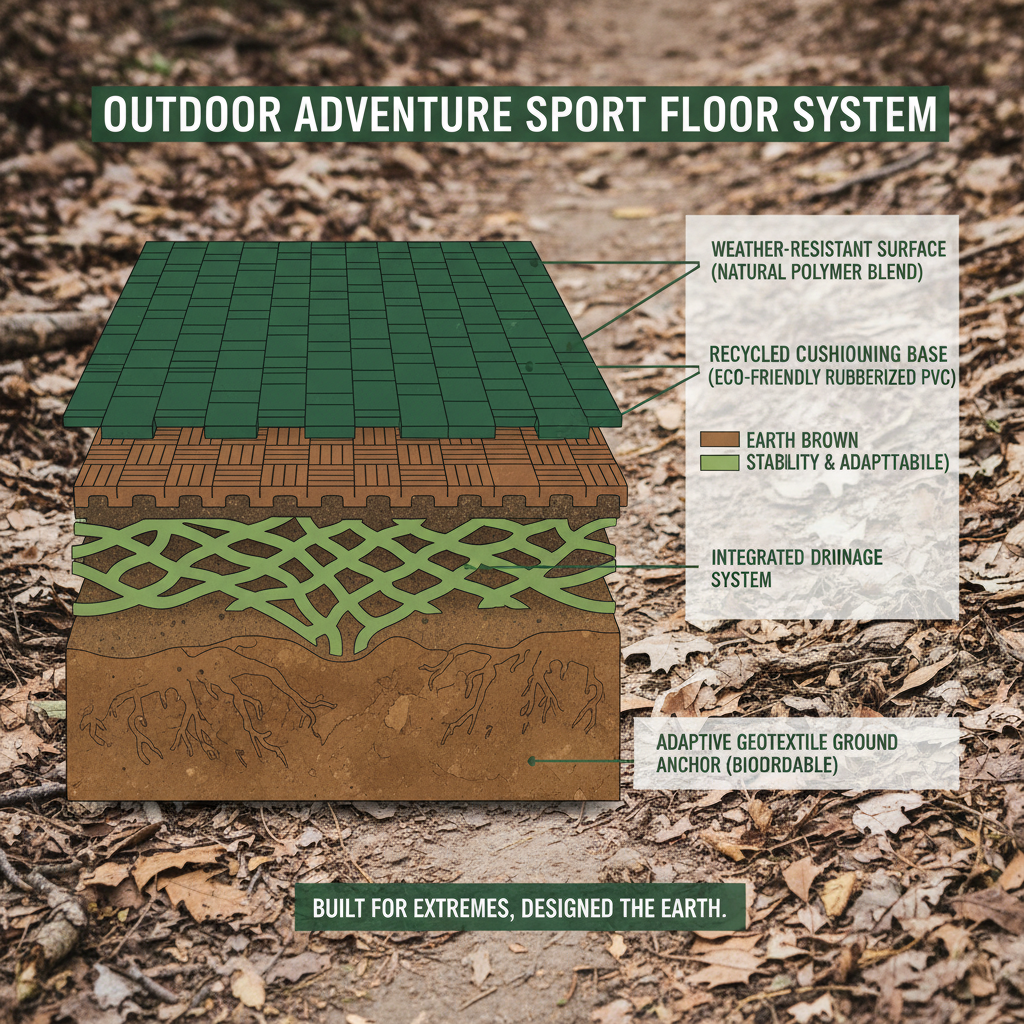
The layered construction of pvc sport floor is crucial to its performance. The wear layer provides surface protection against abrasion and scuffs. A foam layer offers cushioning and shock absorption. A core layer provides structural stability, while a backing layer ensures adhesion to the subfloor. Each layer is engineered to work synergistically, creating a resilient, durable, and safe playing surface.
Regular cleaning is vital for maintaining pvc sport floor. Sweep or vacuum the surface daily to remove dust and debris. Mop with a neutral pH cleaner specifically designed for vinyl flooring. Avoid abrasive cleaners or harsh chemicals. Periodic polishing can restore the floor’s shine and protect the wear layer. Promptly address any spills or stains to prevent damage.
While traditional PVC production has environmental concerns, significant advancements are being made towards sustainability. Look for pvc sport floor options with recycled content, low-VOC emissions, and phthalate-free formulations. Bio-based PVC alternatives, utilizing renewable resources, are also emerging as viable eco-friendly options. Choosing a responsible manufacturer committed to sustainable practices is crucial.
Different sports require specific performance characteristics. Standards like EN 14904 specify requirements for shock absorption, ball rebound, slip resistance, and wear resistance. Basketball courts, for example, require high shock absorption and slip resistance, while volleyball courts prioritize ball rebound. Ensure the pvc sport floor you choose is certified to meet the standards relevant to the intended sport.
The cost of pvc sport floor is generally competitive with polyurethane and rubber flooring. While initial installation costs may vary, pvc sport floor often offers a lower total cost of ownership due to its durability and reduced maintenance requirements. Polyurethane tends to be more expensive initially, while rubber may require more frequent replacement. A thorough cost-benefit analysis should be conducted considering long-term factors.
Conclusion
In conclusion, pvc sport floor represents a compelling solution for a wide range of athletic and recreational facilities. Its blend of durability, performance, cost-effectiveness, and increasingly sustainable options positions it as a leading choice for architects, facility managers, and athletes seeking to create safe, reliable, and high-performing surfaces. Understanding its key properties and the latest innovations is crucial for maximizing its benefits.
Looking ahead, continued advancements in material science and manufacturing technologies will further enhance the performance and sustainability of pvc sport floor. Investing in research and development, adopting standardized testing procedures, and promoting eco-friendly practices will be essential for ensuring the long-term success of this vital flooring solution. Visit our website at langningsports.com to learn more about our range of pvc sport floor options.