Selecting the right surface for a high-performance court is often the difference between a professional-grade facility and one that fails to meet athletic demands. For many developers and sports club managers, sourcing high-quality china tennis flooring has become a strategic priority due to the balance of material innovation and cost-efficiency.
The modern sports flooring market is shifting away from traditional rigid surfaces toward advanced polymer composites that prioritize shock absorption and joint protection. This transition is driven by a deeper understanding of biomechanics, where the interaction between the shoe and the floor directly impacts athlete longevity and performance levels.
In this analysis, we examine the technical criteria for evaluating sports surfaces, the role of PVC and interlocking systems, and how to navigate the complexities of selecting a durable flooring solution for diverse athletic environments.


The transition from natural surfaces to synthetic polymers was driven by the need for consistency. Unlike grass or clay, which vary by climate and maintenance, modern PVC and PP interlocking systems provide a uniform response across the entire playing area. This consistency is critical for tournament-level play where predictability is a requirement.
Historically, the industry relied on simple rubber mats, but the introduction of multi-layered PVC—incorporating fiberglass mesh and specialized foaming processes—has allowed manufacturers to tune the "bounce" and "give" of the floor. This evolution has turned flooring from a passive surface into an active component of athletic safety.
Traction is a delicate balance between grip and slide. Too much friction leads to ankle injuries during sudden pivots, while too little results in slips. Professional surfaces utilize specific textures—such as the "crystal sand" pattern—to mimic the irregular arrangement of quartz sand. This creates a surface that allows for controlled sliding while maintaining a high level of friction during explosive movements.
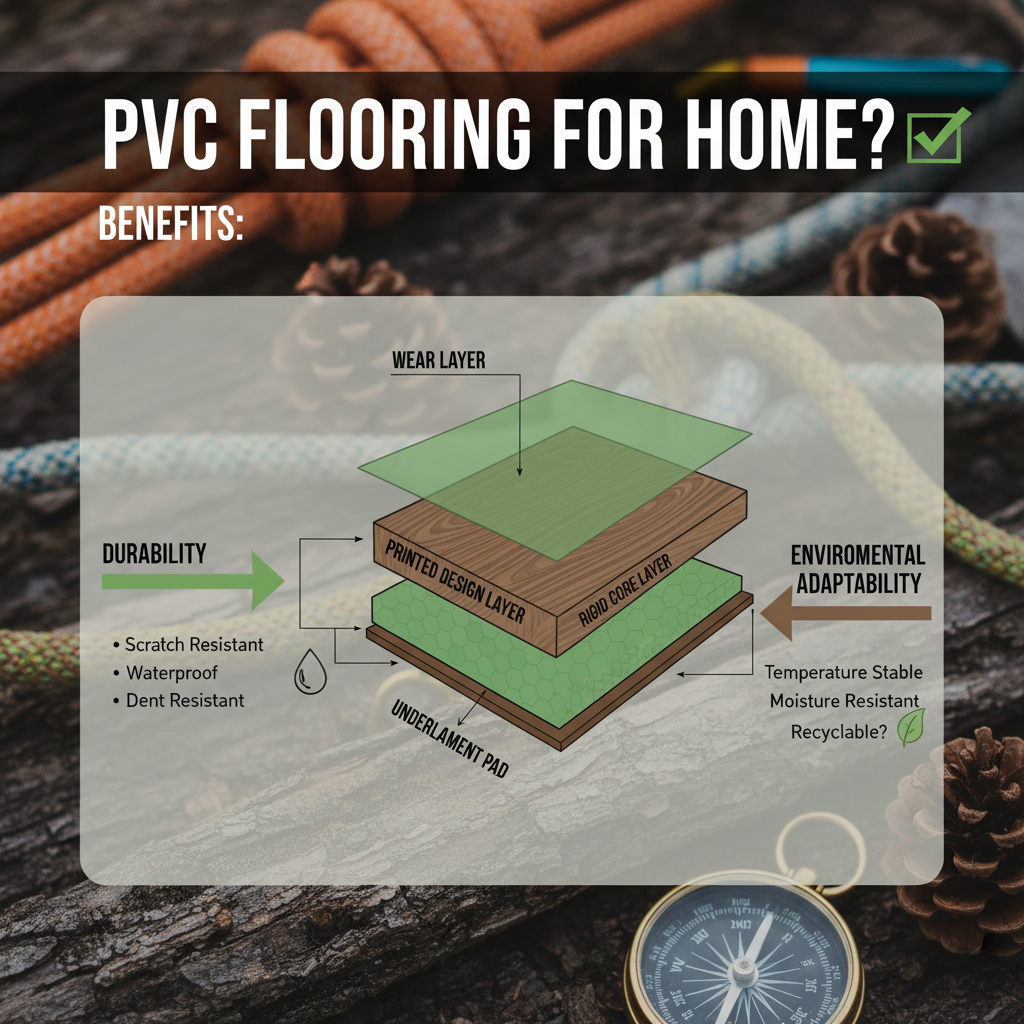
The surface layer is typically composed of high-grade PVC raw materials designed to resist the abrasive nature of athletic footwear. By adjusting the wear layer thickness—ranging from 1.2mm to 1.4mm in professional models—engineers can extend the lifespan of the court without compromising the tactile feel of the surface.
Furthermore, the ability of the floor to manage moisture is a critical technical factor. Advanced surface structures are designed to break down sweat droplets, preventing the formation of a lubricant film that could cause dangerous slippage during intense matches.
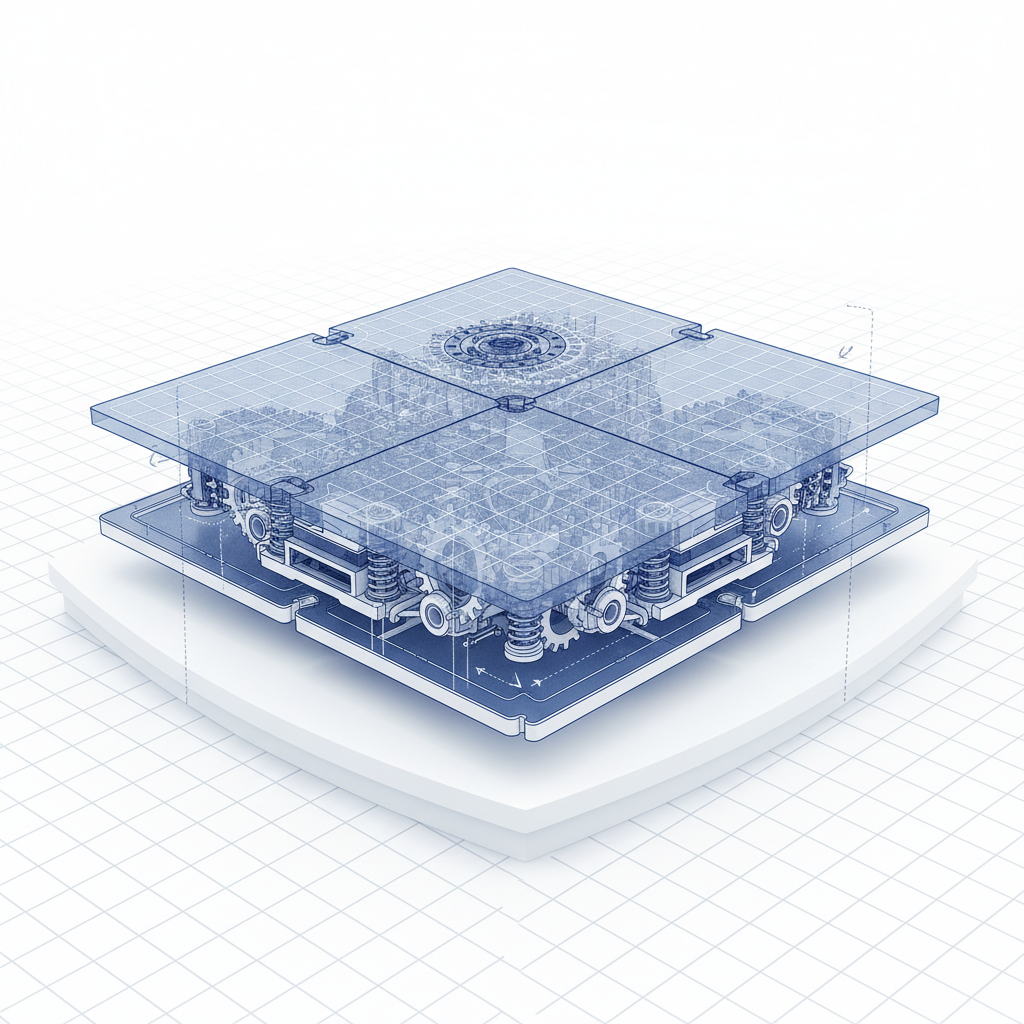
While the surface provides the grip, the sub-layers determine the comfort and stability of the court. The integration of black polyester fiber mesh and fiberglass non-woven fabric acts as a stabilizer, preventing the floor from bulging or contracting due to thermal expansion.
The critical value of the foaming layer lies in its ability to provide "lightweight rebound," which reduces the vertical impact force on an athlete's joints during jumping and landing sequences.
Different thickness levels, from 4.5mm for entry-level use up to 8.0mm for high-end institutional halls, offer varying degrees of sound insulation and shock absorption. The thicker the foam layer, the closer the experience becomes to a traditional wooden base, combining the elasticity of wood with the durability of PVC.
When comparing different flooring options, professionals look at a set of relative indices: shock absorption, surface hardness, friction stability, and ease of maintenance. PVC sports flooring generally outperforms PP tiles in comfort, while PP tiles excel in outdoor durability and drainage.
The following index demonstrates a relative assessment of different thickness levels in professional synthetic flooring, illustrating how increased thickness correlates with improved shock absorption and sound dampening.
The application of a specific flooring type must align with the venue's usage intensity. In a typical industrial setting or corporate sports hall, 8.0mm flooring is preferred due to its noise reduction and superior protection. Conversely, training academies may opt for 5.0mm or 6.0mm options, which provide a balance between professional competition standards and cost-effectiveness.
Wear patterns usually emerge in high-traffic zones, such as the baseline and service areas of a court. Selecting a floor with a thickened wear layer (such as 1.3mm or 1.4mm) is essential for venues that host multiple daily sessions, as it prevents the texture from smoothing out over time, maintaining consistent traction.
The industry is moving toward "closed-loop" manufacturing, where virgin PVC is augmented with high-performance recycled polymers without losing elasticity or durability. This trend is driven by stricter environmental regulations in Europe and North America, pushing manufacturers to develop formulas that are both eco-friendly and non-toxic.
We are also seeing an increase in "multipurpose" requirements. Institutions are no longer building single-sport courts; instead, they require surfaces that can accommodate badminton, pickleball, and volleyball. This necessitates a versatile friction profile that works for different footwear types and movement patterns.
Ultimately, the focus is shifting toward "smart" surfaces—floors that can better integrate with under-floor heating systems or those that use advanced antimicrobial additives to maintain hygiene in high-humidity environments.
Choosing between different flooring specifications requires a trade-off analysis. While a 4.5mm floor is an excellent entry-level solution, it lacks the joint protection found in the 8.0mm series. The decision should be based on the athlete's level—amateurs require less specialized support than professional athletes who subject their bodies to extreme G-forces during pivots.
Another consideration is the installation environment. Indoor courts benefit from the stability of PVC rolls, while outdoor courts require the modularity and drainage capabilities of PP interlocking tiles. Understanding the difference in thermal expansion between these materials is key to avoiding deformation.
To assist in the decision-making process, the following table provides a relative suitability guide based on common facility requirements.
| Scenario | Recommended Type | Key Priority | Relative Suitability |
|---|---|---|---|
| Professional Tournament | PVC 6.0mm - 8.0mm | Shock Absorption | High |
| Community Center | PVC 4.5mm - 5.0mm | Cost/Durability | Medium |
| Outdoor Public Park | PP Interlocking Tiles | Weather Resistance | High |
| Corporate Wellness | PVC 8.0mm (Silent) | Noise Reduction | High |
| School Gymnasium | Multipurpose PVC | Versatility | Medium |
| Training Academy | PVC 5.0mm - 6.0mm | Traction/Wear | High |
Thickness primarily impacts shock absorption and joint protection. A 4.5mm floor is suitable for light use, but 6.0mm to 8.0mm floors provide a significantly higher "rebound" effect. This reduces the impact on the ankles and knees during vertical jumps and sudden stops, which is essential for professional athletes to prevent long-term injury and fatigue.
PVC rolls are seamless, provide superior cushioning, and are ideal for indoor environments where joint protection and specific friction (like for badminton or tennis) are required. PP interlocking tiles are modular, hard-wearing, and designed for outdoor use as they allow water to drain through the gaps, making them better for weather-exposed courts.
The crystal sand texture is engineered to imitate the fine, irregular state of quartz sand. This specific geometry optimizes the friction coefficient, providing enough grip for explosive starts while allowing the controlled "slide" necessary for professional footwork, preventing the "sticking" effect that often leads to ligament strains.
Preventing deformation requires a combination of quality materials and correct installation. Look for flooring that includes an anti-compression layer made of polyester fiber mesh and fiberglass. This internal structure stabilizes the PVC against thermal expansion and contraction. Additionally, ensuring the sub-floor is level and dry is critical.
For school environments, a 5.0mm to 6.0mm multipurpose PVC floor is typically the most cost-effective. It provides a professional balance of durability (to handle high student traffic) and cushioning (to protect athletes), while being versatile enough to mark lines for multiple sports like basketball, volleyball, and badminton.
In terms of surface wear and maintenance, high-quality synthetic flooring is often more durable. It does not require sanding or refinishing like hardwood. However, hardwood offers a different acoustic and aesthetic quality. For high-traffic commercial use, PVC is generally more resilient to moisture and scratches.
The selection of sports flooring is a technical decision that balances athlete safety, venue durability, and budget. Whether opting for the high-impact protection of an 8.0mm PVC system or the weather-resistant modularity of PP tiles, the focus must remain on the specific biomechanical needs of the sport and the operational demands of the facility.
As material science continues to advance, the gap between "entry-level" and "professional" surfaces is narrowing, allowing more facilities to provide safe, high-performance environments. By prioritizing sub-layer stability and surface texture, managers can ensure their courts remain functional and safe for years to come.