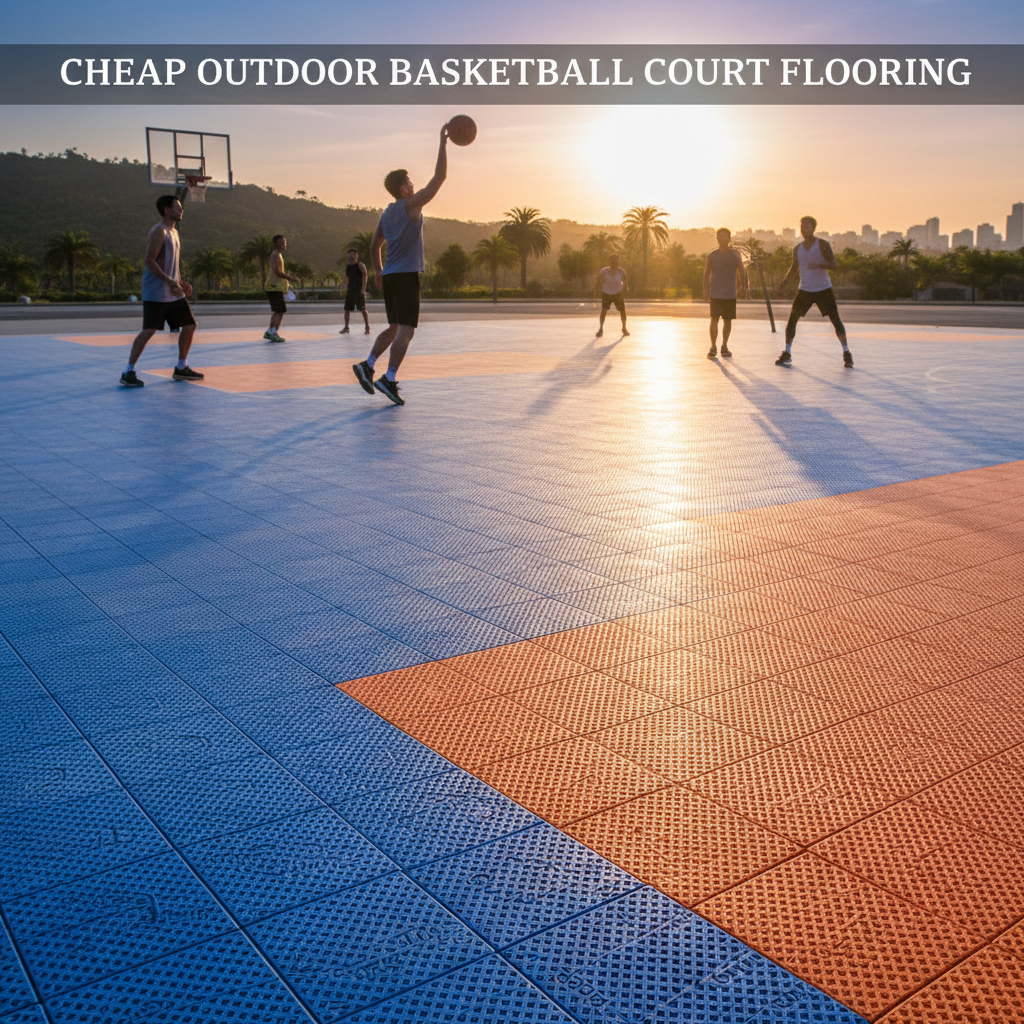
PVC sheet flooring rolls have become a cornerstone in modern flooring solutions, offering a versatile and durable surface for a wide range of applications. From athletic facilities demanding high performance to commercial spaces prioritizing aesthetics and longevity, pvc sheet flooring rolls provide a cost-effective and reliable option. Understanding the nuances of this material – its composition, installation, and performance characteristics – is crucial for anyone involved in construction, sports facility management, or commercial building projects.
Globally, the demand for resilient flooring, particularly PVC sheet flooring, is experiencing consistent growth. Factors driving this demand include increasing urbanization, expansion of the sports and fitness industries, and the need for hygienic and easily maintainable surfaces in healthcare and educational institutions. According to industry reports, the Asia-Pacific region represents the largest market for PVC flooring, fueled by rapid economic development and infrastructure projects. This presents significant opportunities for manufacturers and suppliers specializing in high-quality pvc sheet flooring rolls.
The rising costs of traditional flooring materials and growing environmental concerns are further bolstering the adoption of PVC sheet flooring. Its relatively low environmental impact compared to materials like hardwood or natural rubber, coupled with its exceptional durability, makes it an increasingly attractive choice for sustainable building practices. Addressing challenges such as VOC emissions and end-of-life recycling is key to maximizing the benefits and minimizing the environmental footprint of pvc sheet flooring rolls.
The Significance of PVC Sheet Flooring Rolls
PVC sheet flooring rolls represent a significant advancement in flooring technology, offering a compelling combination of performance, cost-effectiveness, and versatility. Their ability to withstand heavy foot traffic, resist moisture, and provide a comfortable surface makes them ideal for a diverse range of applications. Selecting the right type of PVC sheet flooring – considering factors like wear layer thickness, surface texture, and overall durability – is critical for ensuring optimal performance and longevity.
The increasing demand for resilient flooring solutions is directly linked to the need for spaces that are both functional and aesthetically pleasing. pvc sheet flooring rolls cater to this demand by offering a wide array of colors, patterns, and textures, allowing designers and architects to create environments that are both visually appealing and practical. Furthermore, advancements in manufacturing processes have led to the development of PVC sheet flooring with enhanced properties such as anti-slip surfaces and antimicrobial protection.
Defining PVC Sheet Flooring Rolls
PVC sheet flooring rolls are manufactured from polyvinyl chloride (PVC), a synthetic plastic polymer. These rolls are created through a calendering process, where PVC compounds are heated and rolled into continuous sheets of varying thicknesses. The resulting material is then wound onto rolls for easy transportation and installation. Unlike traditional vinyl tiles, sheet flooring provides a seamless surface, minimizing the risk of water damage and bacterial growth.
The composition of pvc sheet flooring rolls typically includes PVC resin, plasticizers (to enhance flexibility), stabilizers (to prevent degradation), fillers (to reduce cost and improve properties), and pigments (for color). The specific formulation varies depending on the intended application and desired performance characteristics. Higher-quality sheet flooring generally contains a greater percentage of PVC resin and incorporates advanced additives for enhanced durability and wear resistance.
In the context of modern infrastructure and industry, PVC sheet flooring plays a critical role in providing safe, hygienic, and durable surfaces for various environments. Its versatility extends beyond simple flooring; it’s a crucial component in specialized facilities such as hospitals, schools, and sports arenas, demanding stringent performance standards and regulatory compliance.
Core Components and Characteristics of PVC Sheet Flooring Rolls
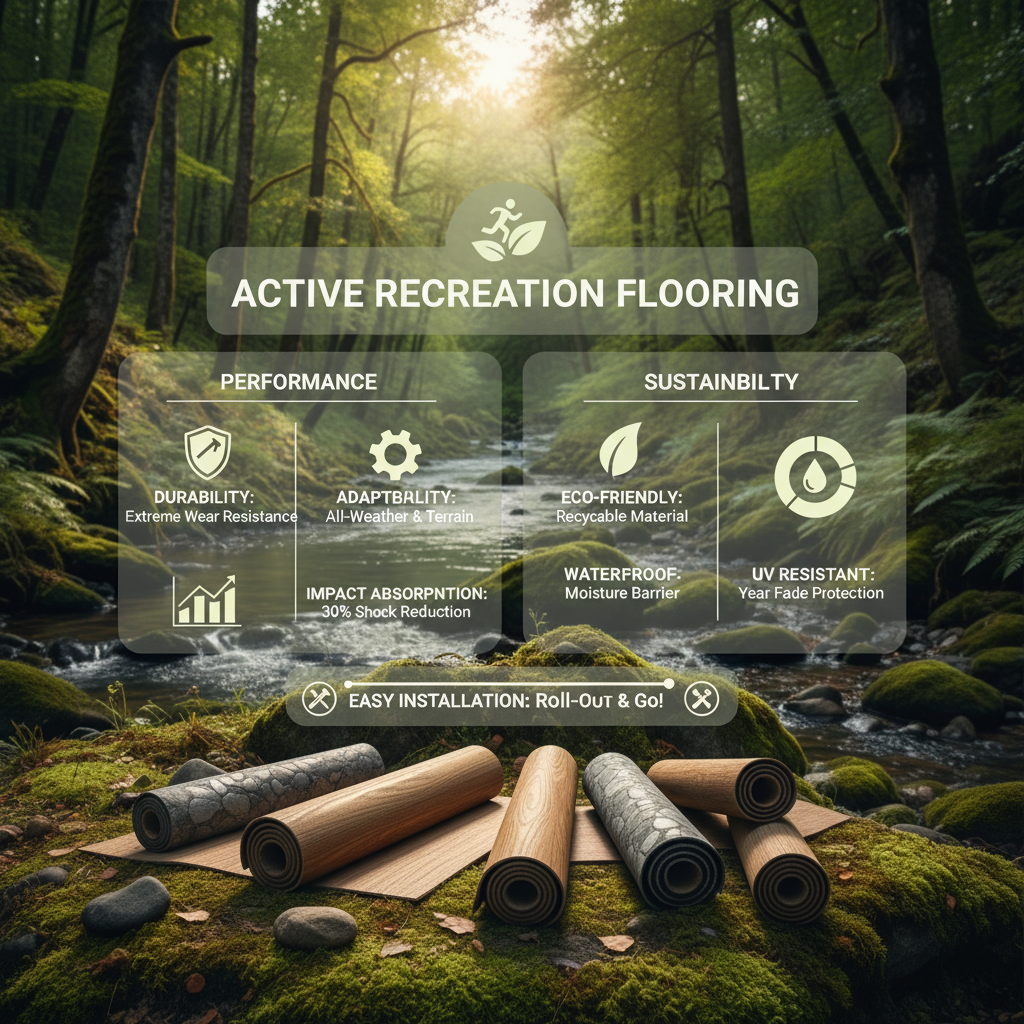
Durability: A key characteristic of pvc sheet flooring rolls is their exceptional durability. The wear layer, a protective top surface, determines the flooring’s resistance to scratches, scuffs, and abrasions. Thicker wear layers are essential for high-traffic areas.
Water Resistance: PVC is inherently waterproof, making sheet flooring an excellent choice for areas prone to moisture, such as kitchens, bathrooms, and basements. The seamless nature of sheet flooring further minimizes the risk of water penetration and subsequent damage.
Comfort & Sound Absorption: PVC sheet flooring offers a degree of cushioning underfoot, providing a more comfortable walking surface compared to hard materials like concrete or tile. Certain types of sheet flooring also incorporate sound-absorbing properties, reducing noise levels in the space.
Applications Across Diverse Industries
The adaptability of pvc sheet flooring rolls is demonstrated through its vast array of applications. In healthcare, its hygienic properties and ease of cleaning make it ideal for operating rooms, patient wards, and laboratories. Educational institutions benefit from its durability and noise-reducing qualities, creating conducive learning environments.
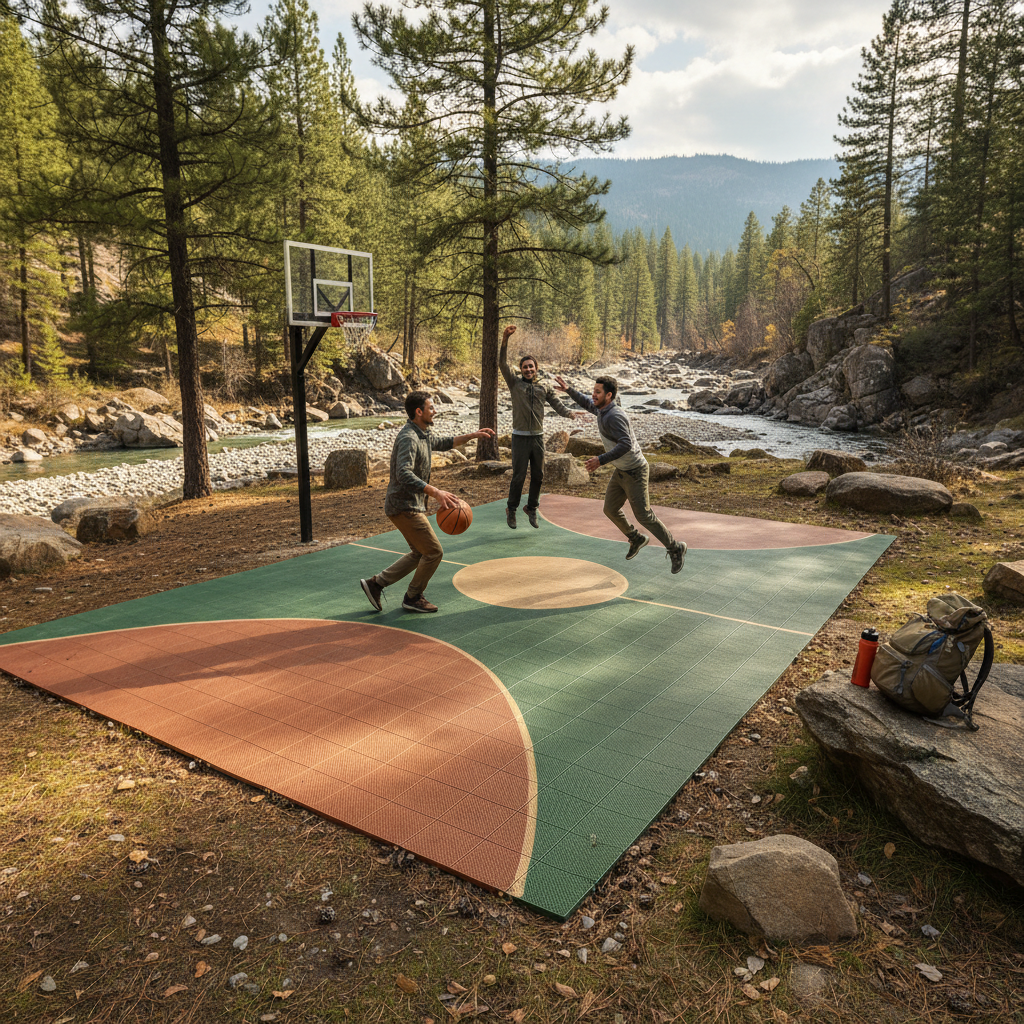
Within the sporting world, PVC sheet flooring is a staple in badminton courts, volleyball courts, and other indoor sports facilities. Its resilient surface provides excellent shock absorption and traction, enhancing athlete performance and reducing the risk of injuries. Commercial spaces, such as retail stores, offices, and restaurants, utilize PVC sheet flooring for its aesthetic appeal, durability, and ease of maintenance.
Performance Comparison of Different PVC Sheet Flooring Methods
The Advantages of Utilizing PVC Sheet Flooring Rolls
One of the most significant advantages of pvc sheet flooring rolls is its cost-effectiveness. Compared to other flooring options, such as hardwood or tile, PVC sheet flooring offers a comparable level of performance at a significantly lower price point. This makes it an attractive choice for budget-conscious projects.
Furthermore, installation is relatively straightforward, requiring minimal specialized skills or tools. This reduces labor costs and project timelines. The seamless nature of sheet flooring also simplifies cleaning and maintenance, reducing long-term operational expenses.
Global Market Trends and Future Outlook
The global PVC sheet flooring market is projected to continue its growth trajectory in the coming years, driven by factors such as increasing construction activity in emerging economies, rising demand for resilient flooring in healthcare and education sectors, and growing awareness of the environmental benefits of PVC.
Innovation in PVC formulations and manufacturing processes is expected to play a crucial role in shaping the future of the market. The development of bio-based PVC, recycled PVC, and low-VOC sheet flooring options will cater to the growing demand for sustainable building materials.
Additionally, advancements in digital printing technology will enable the creation of more intricate and realistic designs, further expanding the aesthetic possibilities of pvc sheet flooring rolls and appealing to a wider range of consumers.
Overcoming Challenges in PVC Sheet Flooring Implementation
Despite its numerous advantages, the implementation of pvc sheet flooring rolls can present certain challenges. Proper subfloor preparation is crucial for ensuring a smooth and durable installation. Uneven or damaged subfloors can lead to premature wear and tear.
Another challenge is the potential for VOC emissions from some PVC sheet flooring products. Selecting low-VOC options and ensuring proper ventilation during installation can mitigate this risk. Furthermore, responsible end-of-life management, including recycling programs, is essential for minimizing the environmental impact of PVC flooring.
Addressing these challenges through careful planning, material selection, and installation practices will unlock the full potential of pvc sheet flooring rolls and ensure its long-term success as a sustainable and reliable flooring solution.
Summary of Key Considerations for PVC Sheet Flooring Roll Implementation
| Subfloor Preparation |
VOC Emissions |
Installation Expertise |
End-of-Life Recycling |
| Ensure a level, clean, and dry subfloor for optimal adhesion and longevity. |
Select low-VOC products and provide adequate ventilation during installation. |
Employ skilled installers with experience in PVC sheet flooring to avoid errors and ensure a seamless finish. |
Investigate and utilize available PVC recycling programs to minimize environmental impact. |
| Address any cracks or imperfections in the subfloor before installation. |
Check product certifications and labels for VOC content information. |
Proper adhesive selection is crucial for long-term performance. |
Consider participating in industry initiatives promoting PVC recycling. |
| Use a suitable underlayment to provide cushioning and sound absorption. |
Monitor indoor air quality after installation to ensure VOC levels are within acceptable limits. |
Adhere to manufacturer's instructions for installation procedures. |
Support manufacturers committed to sustainable PVC production practices. |
| Thoroughly clean the subfloor to remove any dust, debris, or contaminants. |
Use air purifiers to remove any residual VOCs from the air. |
Utilize proper tools and equipment for cutting and seaming the sheet flooring. |
Explore innovative recycling technologies for PVC waste. |
| Apply a primer to the subfloor to enhance adhesion. |
Consider using a low-VOC sealant to seal the seams and edges of the flooring. |
Ensure proper edge sealing to prevent moisture penetration. |
Advocate for policies that promote PVC recycling and responsible waste management. |
| Inspect the subfloor for any structural issues before proceeding with installation. |
Regularly ventilate the space to maintain good indoor air quality. |
Properly roll out and acclimate the sheet flooring before installation. |
Collaborate with recycling facilities to establish efficient PVC collection and processing systems. |
FAQS
The lifespan of pvc sheet flooring rolls in a high-traffic commercial setting typically ranges from 10 to 20 years, depending on the wear layer thickness, maintenance practices, and the level of foot traffic. Regularly cleaning and polishing the flooring can significantly extend its lifespan. A thicker wear layer provides greater resistance to abrasion and scuffing, making it more suitable for demanding environments.
PVC sheet flooring generally offers superior water resistance compared to vinyl tile. The seamless nature of sheet flooring eliminates the gaps between tiles, preventing water from seeping through to the subfloor. This makes it an ideal choice for areas prone to moisture, such as kitchens, bathrooms, and basements. While vinyl tiles are also water-resistant, the grout lines can be vulnerable to water penetration.
PVC contains chlorine, and the production and disposal of PVC can raise environmental concerns. However, advancements in manufacturing have led to the development of low-VOC PVC sheet flooring options. Furthermore, recycling programs for PVC are becoming increasingly available, reducing the amount of PVC waste sent to landfills. Choosing sustainable PVC options and supporting recycling initiatives can minimize the environmental impact.
Regular cleaning is crucial for maintaining the appearance and prolonging the lifespan of pvc sheet flooring rolls. Sweep or vacuum the floor daily to remove loose dirt and debris. Mop the floor weekly with a neutral pH cleaner diluted in water. Avoid using abrasive cleaners or scouring pads, as they can damage the wear layer. Periodic polishing can also help restore the shine and protect the flooring.
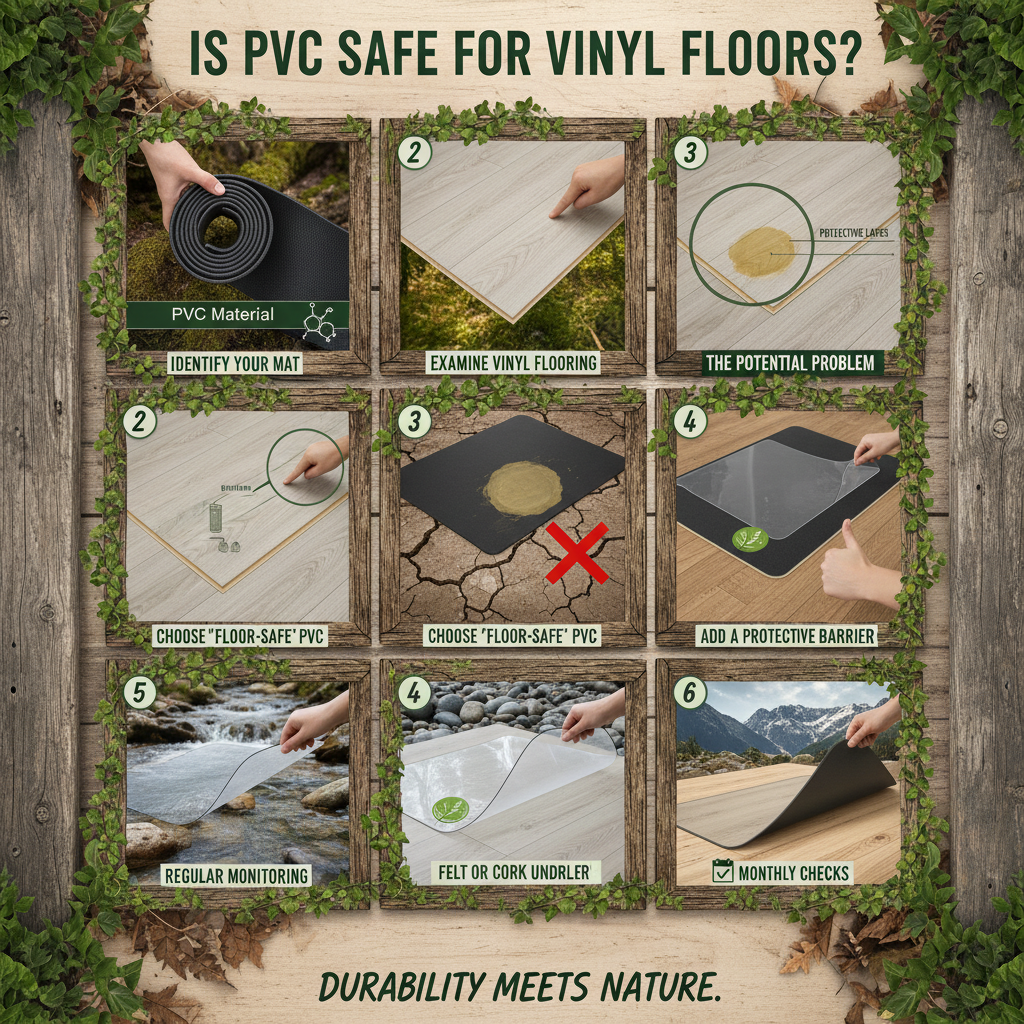
In some cases, pvc sheet flooring rolls can be installed over existing flooring, but it depends on the condition and type of the existing floor. The existing floor must be level, clean, and securely attached to the subfloor. Any loose or damaged areas must be repaired before installation. A suitable underlayment may be required to provide cushioning and prevent telegraphing of imperfections.
The costs associated with installing pvc sheet flooring rolls vary depending on the square footage, the quality of the flooring, and labor rates in your area. Generally, materials can range from $1 to $5 per square foot, while labor costs can range from $2 to $4 per square foot. Total installation costs typically fall between $3 and $9 per square foot.
Conclusion
In conclusion, pvc sheet flooring rolls offer a compelling combination of durability, affordability, versatility, and ease of maintenance, making them a preferred choice for a wide range of applications. From commercial spaces and healthcare facilities to athletic arenas and educational institutions, this resilient flooring solution provides a reliable and cost-effective surface that enhances both functionality and aesthetics.
Looking ahead, the future of PVC sheet flooring is poised for continued innovation and sustainable development. The adoption of bio-based PVC, recycled materials, and low-VOC formulations will further minimize the environmental impact of this popular flooring option. We encourage you to explore the diverse range of pvc sheet flooring rolls available and discover the perfect solution for your specific needs. Visit our website at www.langningsports.com to learn more.