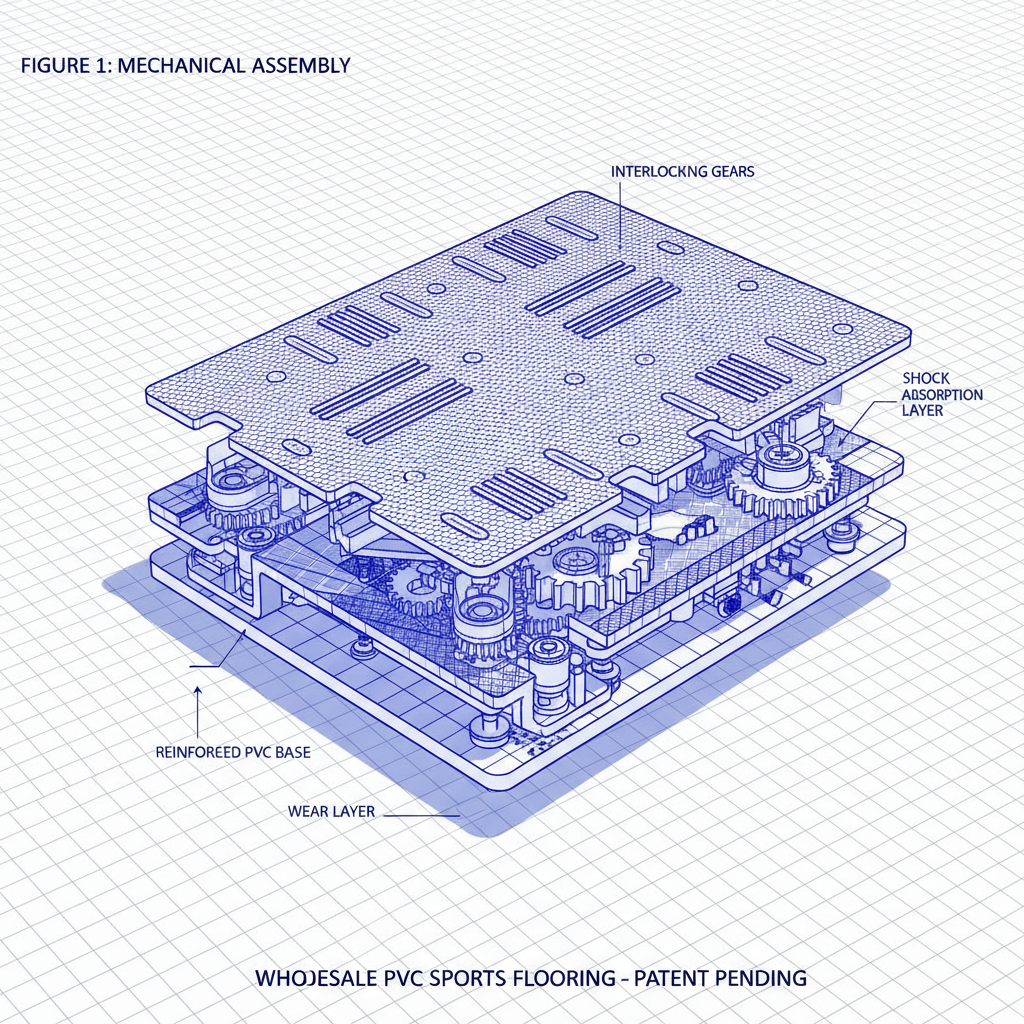
When planning a commercial or athletic facility, understanding the pvc vinyl flooring roll price is critical for balancing upfront capital expenditure with long-term operational durability. PVC vinyl rolls have become the gold standard for multipurpose environments due to their seamless installation and exceptional resilience under high foot traffic. Whether you are upgrading a school gymnasium or a professional dance studio, the cost per square meter reflects a complex intersection of material grade, wear layer thickness, and shock absorption technology.
Globally, the demand for versatile flooring has surged as urban spaces transition toward multi-functional use. The pvc vinyl flooring roll price is influenced by global polymer market trends and the integration of eco-friendly phthalate-free plastics. By analyzing the price structures, facility managers can determine the most cost-effective lifecycle value, ensuring that the investment pays off through reduced maintenance and enhanced user safety.
Ultimately, navigating the pricing landscape requires a deep dive into the technical specifications that justify the cost. From the reinforced fiberglass base to the UV-cured surface treatment, every component impacts the final pvc vinyl flooring roll price. This guide provides a comprehensive breakdown of these factors to help you make an informed procurement decision that aligns with your project's budget and performance requirements.
Global Market Dynamics of PVC Vinyl Flooring Roll Price
The global landscape for commercial flooring has seen a significant shift toward synthetic polymers, with the pvc vinyl flooring roll price mirroring the volatility of raw petrochemical costs. According to industry standards aligned with ISO quality certifications, the transition toward high-performance PVC rolls is driven by the need for hygiene and rapid installation in healthcare and sporting sectors. As supply chains stabilize post-pandemic, the market has moved toward a value-based pricing model where durability and environmental certifications command a premium.
In emerging markets, the adoption of PVC rolls is accelerating due to their cost-effectiveness compared to hardwood or specialized rubber. The fluctuating pvc vinyl flooring roll price often depends on regional tariffs and the proximity to major manufacturing hubs in Asia and Europe. This dynamic creates a competitive environment where manufacturers innovate to lower production costs without sacrificing the structural integrity of the flooring.
Technical Definitions and Price Correlation
At its core, the pvc vinyl flooring roll price is determined by the composition of polyvinyl chloride blended with plasticizers, stabilizers, and fillers. Unlike modular tiles, rolls offer a continuous surface that minimizes seams, which is a critical requirement for sterile environments and professional sports courts. The pricing is typically categorized by the "wear layer"—the transparent top layer that protects the design from abrasion—where a thicker layer directly increases the cost but extends the floor's lifespan.
From an industrial perspective, these rolls are engineered to meet specific humanitarian and safety needs, such as slip resistance and acoustic dampening. For example, a "Silent Series" flooring roll will have a higher price point than a standard commercial roll because it incorporates a specialized foam backing for sound absorption. This technical additive changes the pvc vinyl flooring roll price from a simple commodity cost to a specialized performance investment.
Furthermore, the method of manufacturing—whether it is calendering or compression pressing—plays a role in the final market value. Calendered rolls often provide a more consistent thickness and finish, which is highly valued in high-end commercial projects. Understanding these definitions allows procurement officers to avoid the trap of choosing the lowest pvc vinyl flooring roll price only to face premature failure and costly replacements.
Key Factors Influencing PVC Vinyl Flooring Roll Price
Durability is the primary driver of the pvc vinyl flooring roll price. High-traffic areas like airports or school corridors require a wear layer of 0.7mm or more, which utilizes higher-grade polymers to resist scuffing and tearing. This increased material density ensures that the flooring maintains its aesthetic appeal over decades, justifying a higher initial purchase price.
Cost efficiency is achieved when the pvc vinyl flooring roll price is balanced against installation speed. Because rolls cover large areas quickly with fewer joints, the total project cost (material + labor) is often lower than that of individual tiles. This scalability makes rolls the preferred choice for expansive areas like basketball courts or multipurpose halls.
Environmental certifications also impact the final pvc vinyl flooring roll price. Products that are Phthalate-free or hold FloorScore® certification for indoor air quality often carry a premium. However, these investments are crucial for projects in kindergartens or hospitals where occupant health is a non-negotiable priority.
Cost Efficiency Across Different Applications
Applying PVC vinyl rolls across different sectors reveals how the pvc vinyl flooring roll price translates into real-world value. In sports flooring, the emphasis is on shock absorption; a roll designed for volleyball or badminton will include an integrated cushioning layer that prevents athlete injury. While this increases the price per roll, it eliminates the need for a separate underlayment, streamlining the budget.
In contrast, commercial office flooring focuses on aesthetic versatility and ease of cleaning. Here, the pvc vinyl flooring roll price is more influenced by the design layer—such as realistic wood grain or stone patterns—and the chemical resistance of the surface treatment. The following chart illustrates the relative value rating of different PVC roll types based on their specific utility and cost.
Comparative Value Rating by PVC Vinyl Flooring Roll Price Category
Global Use Cases and Economic Impact
In large-scale industrial zones and remote educational facilities, the pvc vinyl flooring roll price is a deciding factor in project viability. For instance, in post-disaster relief operations where temporary schools or clinics are established, the ability to rapidly deploy high-quality, water-resistant PVC rolls provides an immediate sense of dignity and safety. The low maintenance cost associated with these rolls ensures that limited operational budgets can be spent on services rather than facility repairs.
Furthermore, regional organizations in Southeast Asia and Africa are increasingly adopting these solutions for community centers. The stability of the pvc vinyl flooring roll price allows these NGOs to forecast spending accurately across multiple sites. By choosing rolls over traditional tiles, they reduce the risk of moisture infiltration and pest infestation, which are common in tropical climates, thereby extending the life of the building.
Long-Term Value and ROI Analysis
When evaluating the pvc vinyl flooring roll price, one must look beyond the invoice and consider the Total Cost of Ownership (TCO). High-quality PVC rolls exhibit incredible longevity, often lasting 15-20 years in commercial settings. When the initial cost is amortized over two decades, the annual expense becomes negligible compared to the frequent replacement cycles of cheaper, low-grade alternatives.
Reliability and safety also contribute to the emotional and logical value of the investment. In a sports environment, a floor that provides consistent bounce and grip reduces the risk of athlete injury, which can be an astronomical hidden cost for professional clubs. Therefore, paying a slightly higher pvc vinyl flooring roll price for certified sports-grade vinyl is an insurance policy against liability and performance loss.
Sustainability is the final piece of the ROI puzzle. Modern PVC rolls are increasingly recyclable, and their durability means fewer materials end up in landfills. As carbon taxes and green building mandates (like LEED) become standard, the pvc vinyl flooring roll price for eco-certified products is seen as a strategic move to avoid future regulatory penalties and attract environmentally conscious tenants.
Future Trends in PVC Vinyl Flooring Costing
The future of the pvc vinyl flooring roll price will be shaped by digital transformation and material science. We are seeing the emergence of "smart flooring" where sensors are embedded within the PVC layers to track foot traffic or monitor athlete movement. While this will initially create a new, higher price tier, the data insights provided will offer immense value to retail managers and sports coaches.
Automation in the manufacturing process is also expected to drive down the base pvc vinyl flooring roll price for standard rolls. Precision 3D printing of wear layers and automated quality control will reduce waste and human error, allowing manufacturers to offer higher specs at more accessible price points. This democratization of quality will make professional-grade flooring available to smaller community centers and home gyms.
Finally, the shift toward a circular economy will introduce "leasing" models for flooring. Instead of a one-time pvc vinyl flooring roll price purchase, companies may pay a subscription for flooring that is maintained and eventually reclaimed by the manufacturer for recycling. This shift will redefine the economic relationship between the flooring provider and the end-user.
Technical Specification and Price Influence Analysis
| Product Grade |
Wear Layer Thickness |
Price Impact Level |
Expected Lifespan |
| Standard Commercial |
0.3mm - 0.5mm |
Low to Moderate |
5-8 Years |
| High-Traffic Industrial |
0.7mm - 1.0mm |
Moderate to High |
10-15 Years |
| Professional Sports |
0.5mm + Shock Pad |
High |
12-18 Years |
| Medical Grade |
0.5mm + Anti-Bact |
Very High |
15-20 Years |
| Eco-Friendly / Green |
Variable (Recycled) |
Moderate |
10-12 Years |
| Acoustic Silent Series |
0.4mm + Foam Base |
High |
10-15 Years |
FAQS
The variation in pvc vinyl flooring roll price is primarily due to the quality of raw materials, the thickness of the wear layer, and specialized additives. For example, a basic residential roll uses less polymer and has a thinner protection layer, whereas a professional sports roll includes shock-absorbing foam and high-density PVC to withstand extreme impact, naturally increasing the cost.
Not necessarily, but usually. While premium branding can inflate the price, a higher pvc vinyl flooring roll price typically correlates with better certifications (like phthalate-free), superior wear resistance, and better warranty terms. It is essential to check the technical data sheet for wear layer thickness and material composition rather than relying solely on the price tag.
While the material pvc vinyl flooring roll price per square meter might be similar to tiles, the installation is often faster and requires fewer adhesives. Because there are fewer seams, labor costs are reduced, and the floor is easier to maintain over time, often resulting in a lower total project cost for large open spaces.
Yes, you can optimize costs by selecting a wear layer that matches the actual traffic level of your space. For a low-traffic office, you don't need an industrial-grade 1.0mm wear layer. By accurately assessing the "traffic class," you can lower the pvc vinyl flooring roll price while still ensuring the floor lasts for its intended lifespan.
Generally, standard colors have a base price. However, complex custom prints or highly realistic textures (like 3D wood grain) may slightly increase the pvc vinyl flooring roll price due to the more advanced printing and embossing processes required during manufacturing.
Since many high-quality rolls are produced in centralized manufacturing hubs, the pvc vinyl flooring roll price delivered to your site includes freight and customs duties. Buying in bulk (full container loads) is the most effective way to reduce the landed cost per square meter.
Conclusion
In summary, the pvc vinyl flooring roll price is far more than just a number; it is a reflection of the material's engineering, its intended durability, and its capacity to ensure user safety. From the technical nuances of the wear layer to the economic advantages of seamless installation, choosing the right PVC roll requires a balance between immediate budgetary constraints and the long-term operational value. By focusing on technical specifications and life-cycle costs, facility managers can secure an investment that enhances both the functionality and the longevity of their space.
Looking forward, the integration of sustainable materials and smart technology will continue to evolve the pricing structures of the industry. We recommend that buyers prioritize certified, eco-friendly options that offer a high value-to-price ratio to future-proof their facilities against regulatory changes. For those seeking professional-grade solutions that blend performance with affordability, exploring specialized sports and commercial ranges is the best path forward. Visit our website for more expert guidance: www.langningsports.com