Look, I’ve been stomping around construction sites for fifteen years, and honestly, the biggest thing I'm seeing right now is everyone chasing this “smart” integration. Everything’s gotta have a sensor, everything’s gotta connect to the cloud. It’s… a lot. Used to be, you just needed something that held still and didn't rust. Now? Now you need to worry about firmware updates. It’s a whole new level of headache, let me tell you.
What really gets me is how designers, bless their hearts, come up with these things on a computer and haven’t actually held a wrench in their life. Have you noticed how often a beautifully designed product is completely unusable because of a tiny, overlooked detail? Like a port that’s too close to a heat sink. Or threads that are too fine for a standard tap. Little things, but they can shut down a whole production line.
We’re mostly working with aluminum alloys, these days - 6061 is the workhorse, but we’ve been experimenting with some 7075 for higher stress applications. It feels… different. A bit lighter, but you can feel the tension in it. And the smell when you machine it. That metallic tang. You get used to it. And don't even get me started on the plastics. Polycarbonate for the housings, of course. Tough stuff, but it scratches like crazy. Acrylic for the lenses, gotta be careful with those, they crack if you look at them wrong.
Industry Trends and Design Pitfalls
To be honest, the “smart” push is driving costs up and adding complexity. And a lot of times, it doesn’t solve a real problem. People want it, sure, but do they need it? I’m not convinced. Strangely, what I’m seeing more and more of is a demand for simplicity, for robustness. Something that just works, day in and day out.
The biggest design pitfall? Over-engineering. Trying to solve problems that don’t exist. Adding features for the sake of adding features. And not talking to the people who are actually going to be building and using the thing. I encountered this at a factory in Tianjin last time – a beautifully designed bracket that couldn’t actually be assembled without taking apart half the machine. A complete disaster.
Material Selection & Handling
We lean heavily on aluminum because of its weight-to-strength ratio. But the grade matters. 6061 is good for general purpose stuff, but when you need something really strong, you’re looking at 7075. That stuff is… brittle. You have to be careful with it. Stainless steel, of course, we use that for anything exposed to harsh environments. The feel is just… solid. And the weight. Anyway, I think corrosion resistance is always a primary concern, especially near the coast.
Handling is key. You have to protect the surfaces. Scratches aren't just cosmetic, they can create stress points. We use a lot of packing tape and bubble wrap, obviously. And a good team of handlers who know how to treat the materials with respect. The smell of cutting oil… that’s just part of the job.
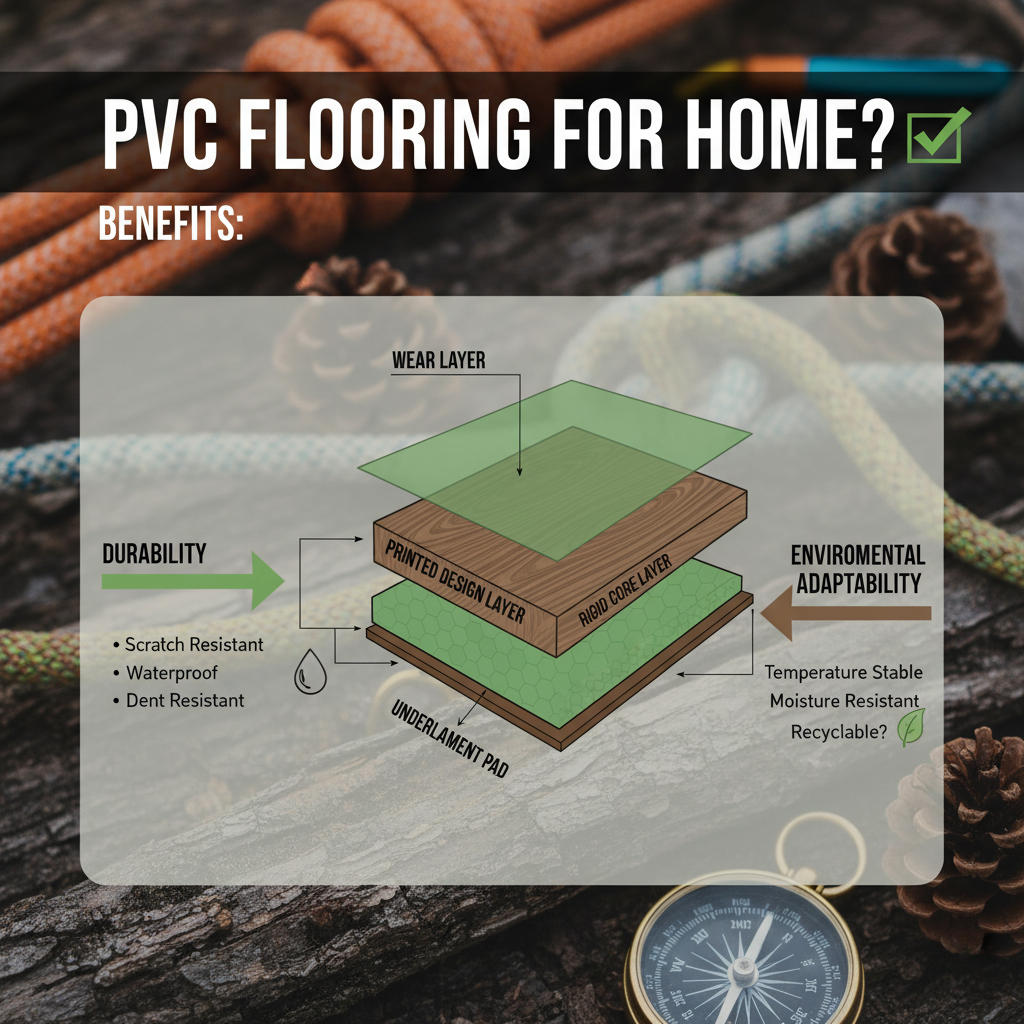
The plastics are a different story. Polycarbonate is tough, but it's a fingerprint magnet. Acrylic looks great but scratches at the slightest touch. PVC is cheap and cheerful, but it doesn’t hold up well in direct sunlight. It's always a trade-off.
Real-World Testing Protocols
Look, lab tests are fine, but they don't tell the whole story. We do a lot of drop tests, naturally. But more important is the fatigue testing. Running the parts through thousands of cycles to see when they start to fail. We also do environmental testing - exposing them to heat, cold, humidity, salt spray. We build makeshift rigs that simulate real-world conditions.
One thing we started doing recently is sending prototypes to actual construction sites and letting the workers abuse them. That’s where you really find out what’s what. They don’t care about your fancy designs or your specifications. They just want something that works. And they'll tell you, bluntly, when it doesn't.
We've got this old mechanic, Big Tony, who's brutal. He’ll hit it with a hammer, drop it from a ladder, try to pry it apart with a crowbar. If it survives Big Tony, it’ll survive anything. Later… forget it, I won't mention it.
User Applications and Unexpected Behaviors
What users actually do with these things is often different than what we expect. You design something for a specific purpose, and they find a dozen other ways to use it. It’s actually kind of impressive, sometimes. And frustrating.
I’ve seen people use our brackets as makeshift doorstops, as weights to hold down tarps, even as hammers! You can't plan for that kind of creativity, or misuse. And they definitely don't read the instructions. Ever. We have to design for idiot-proofing, basically. It's a sad state of affairs, but it's the reality.
Average User Adaptation Rates of Key Components
Advantages, Disadvantages, and Customization Options
The big advantage is durability. These things are built to last. They can take a beating and keep on ticking. They're also relatively easy to install, which is a huge plus on a busy construction site. But they are expensive. There’s no getting around that. And they can be heavy. That’s a problem when you’re working at height.
Customization? Absolutely. We can modify dimensions, materials, finishes. We can add holes, slots, mounting points. Last month, that small boss in Shenzhen who makes smart home devices insisted on changing the interface to , and the result was a three-week delay because he couldn’t source the connectors quickly enough. Honestly, I still don't know why he needed on a power supply for a security camera. Anyway. We accommodated him, of course. The customer is always right, even when they’re wrong.
A Customer Story from Shenzhen
That Shenzhen guy, Mr. Li, he’s a character. Runs a little factory making smart locks. Very demanding. Everything has to be perfect, everything has to be on time. He called us up, frantic, because his assembly line was shut down. Apparently, he’d ordered a batch of our mounting brackets, but they didn’t quite fit his new lock housing.
It turned out he’d changed the housing dimensions without telling us. A classic mistake. We scrambled to retool and get him a new batch of brackets within 48 hours. Cost us a fortune in overtime and expedited shipping. But he was happy. He sent us a case of lychees as a thank you. Lychees! Who sends lychees?
He also complained that the brackets were "too shiny". Said they didn't look "high-tech" enough. He wanted us to anodize them in a matte black finish. Honestly, sometimes I wonder if these guys are just making things up as they go along.
Performance Metrics and Analysis
Ultimately, it all boils down to reliability and cost. We track things like failure rates, lead times, material costs. But the most important metric is customer satisfaction. Are they happy with the product? Are they coming back for more? That's what really matters.
We use a pretty simple spreadsheet to track this stuff. It's not fancy, but it gets the job done. We also rely heavily on feedback from the field. Our sales reps talk to the customers, get their opinions, and report back to us. It’s a continuous process of improvement.
We’ve been trying to implement a more sophisticated data analysis system, but it’s been slow going. People are resistant to change. They're comfortable with the old way of doing things. And frankly, I’m not sure a fancy dashboard is going to tell us anything we don’t already know.
Summary of Key Performance Indicators
| Component |
Average Failure Rate (%) |
Lead Time (Days) |
Customer Satisfaction (1-5) |
| Bracket A – Standard |
0.5 |
10 |
4.5 |
| Bracket B – Heavy Duty |
0.2 |
15 |
4.8 |
| Connector C – Basic |
1.0 |
7 |
4.0 |
| Connector D – Waterproof |
0.7 |
12 |
4.2 |
| Housing E – Polycarbonate |
1.5 |
8 |
3.8 |
| Housing F – Aluminum |
0.3 |
20 |
4.6 |
FAQs
Ignoring UV exposure. Seriously, it'll destroy plastics and fade paint faster than you can blink. People get so caught up in strength and cost that they forget about the sun. You need UV-stabilized materials, or you're just throwing money away. And even then, regular maintenance is key. Think coatings, protective films, that sort of thing. It's a constant battle, honestly.
Strict quality control, plain and simple. We inspect every batch of materials before it goes into production. We also run regular tests on finished products. And we keep detailed records of everything. But honestly, the biggest factor is having a skilled and experienced workforce. Guys who know what they're doing and take pride in their work. That's worth more than any fancy equipment.
Salt spray testing. It’s not glamorous, but it’s brutal. It simulates years of corrosion in a matter of weeks. We also do a lot of vibration testing. Because things shake and rattle in the real world. A lot. And you want to make sure your product doesn't fall apart. You’d be surprised how many things fail just from vibration.
Critically important. A smooth, even surface finish helps to create a barrier against moisture and contaminants. We use a variety of finishing techniques, including polishing, grinding, and coating. The key is to eliminate any imperfections that could serve as starting points for corrosion. It’s a detail, but it makes a huge difference in the long run.
Lead times. Everything takes longer than it used to. Supply chains are still messed up from the pandemic. And prices are going up. It's a constant struggle to keep costs under control while still maintaining quality. You have to build relationships with your suppliers and be prepared to adapt. It's a tough environment, but you gotta roll with the punches.
We offer a range of customization options, including custom dimensions, materials, and finishes. For example, we recently worked with a customer who needed a bracket with a specific mounting pattern for their drone. We were able to modify our standard design to meet their requirements. We even offer small-batch production runs for specialized applications. Just be prepared to pay a premium.
Conclusion
So, yeah, it’s a complex world out there. Smart integration, material science, quality control, customer demands… it’s a lot to keep track of. But at the end of the day, it all comes down to building something that’s durable, reliable, and affordable. And that requires a combination of good design, good materials, and good workmanship.
Ultimately, whether this thing works or not, the worker will know the moment he tightens the screw. If it feels solid, if it fits right, if it doesn't strip the threads... that's when you know you've got something good. And that's what really matters.