0%

Table of Contents

Look, I've been running around construction sites all year, and honestly, the biggest trend lately is everyone wanting "smart" everything. Smart materials, smart assembly, smart…well, everything. It's a bit much, to be honest. But it's driving innovation, that’s for sure. The biggest push is towards prefabrication, trying to get more done in the factory and less on site. Less weather delays, better quality control, less reliance on…well, you know, finding skilled labor these days. It’s a headache.

But here’s the thing, and I’ve seen this a lot – people get caught up in fancy designs without thinking about how it’s actually going to be built. They’ll spec out some crazy interlocking system that looks great on paper, but the guys on the ground can't get it to align. Have you noticed? It always comes down to simplicity. The simpler, the better. And that includes the details, like access panels. Seriously, access panels. Always an afterthought.

We're using a lot more engineered wood these days – cross-laminated timber, or CLT. It smells faintly of vanilla, strangely enough. It’s strong, sustainable, and lighter than concrete, which is a godsend when you're trying to get things hoisted into place. But it needs to be kept dry, and you can’t just beat on it like concrete. You really need to be careful with it during transport, too. I encountered a shipment at the XX factory last time where it got rained on, and it swelled up like a sponge. Nightmare.
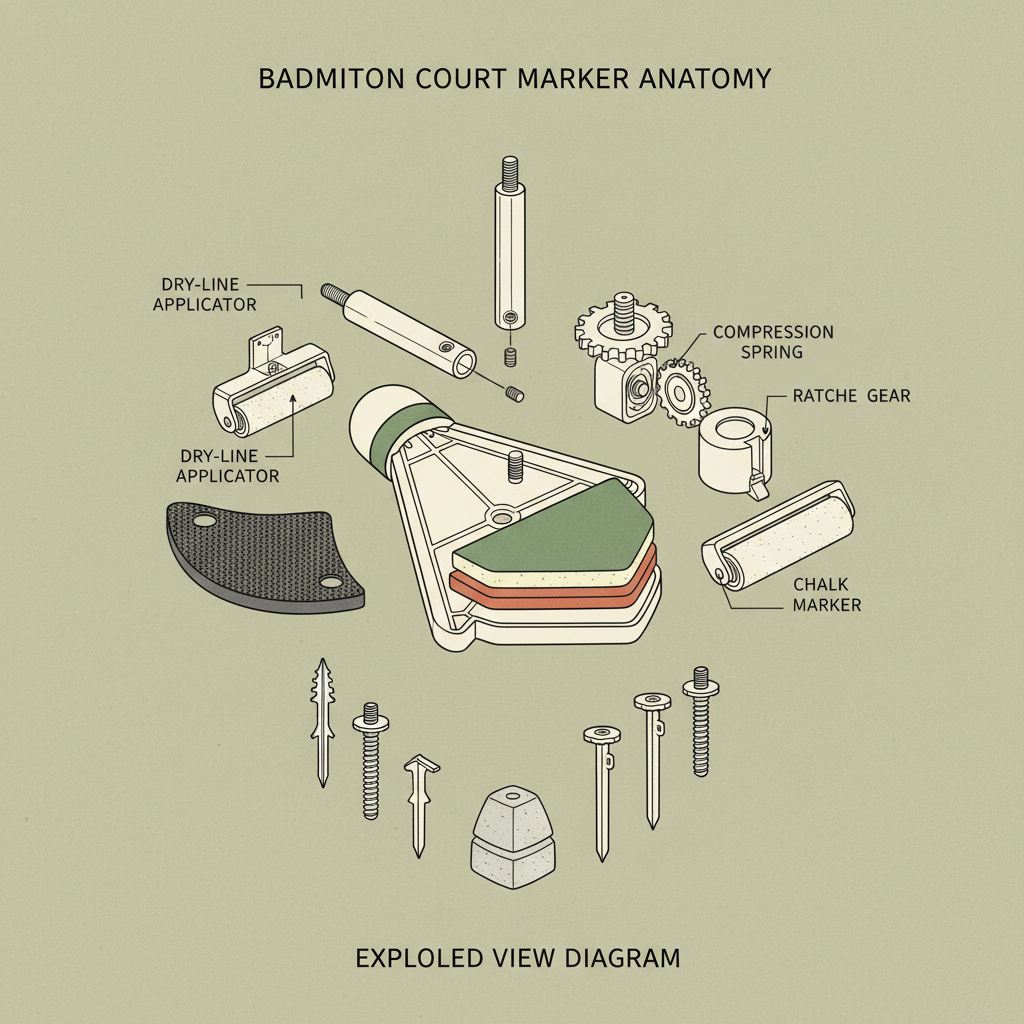
Exploring Trends and Innovations in Badminton Court Makers and Construction

The Latest Trends in Badminton Court Makers

Exploring Trends and Innovations in Badminton Court Makers and Construction

Honestly, it’s all about portability and rapid deployment. Everyone wants a court they can set up and take down quickly. It’s driven by the demand for more multi-purpose spaces, you know? Schools, community centers, even temporary event venues. They need flexibility. And, of course, cost is always a factor. No one wants to spend a fortune on a court that's just going to sit in a storage room most of the time.

Modular systems are huge right now. Pre-fabricated panels that snap together. They're easier to transport, easier to install, and generally require less specialized labor. It's not glamorous work, but it gets the job done. Anyway, I think we're also seeing a move towards more sustainable materials. People are starting to ask about the environmental impact of their courts, which is a good thing, I guess.

Design Pitfalls in Badminton Court Makers

The biggest mistake I see? Over-engineering. People trying to make something too complicated. They add all these features and adjustments that no one actually uses. Seriously, who needs a court with adjustable height nets for every possible age group? It just adds cost and complexity. Keep it simple, I say. Focus on a solid, stable surface and a clear playing area.

Another thing – ignoring the base. A bad base will ruin even the best surface. You need a level, stable foundation, or you're going to get bounce issues and potential safety hazards. We had a job last year where the client skimped on the base, and the whole thing was bouncing around like a trampoline. Not good.

And don't even get me started on the edge protection. It has to be robust enough to withstand impacts, but also safe for players. You don't want anyone tripping over it or getting injured. It’s a surprisingly tricky balance.

Materials Used in Modern Badminton Court Makers

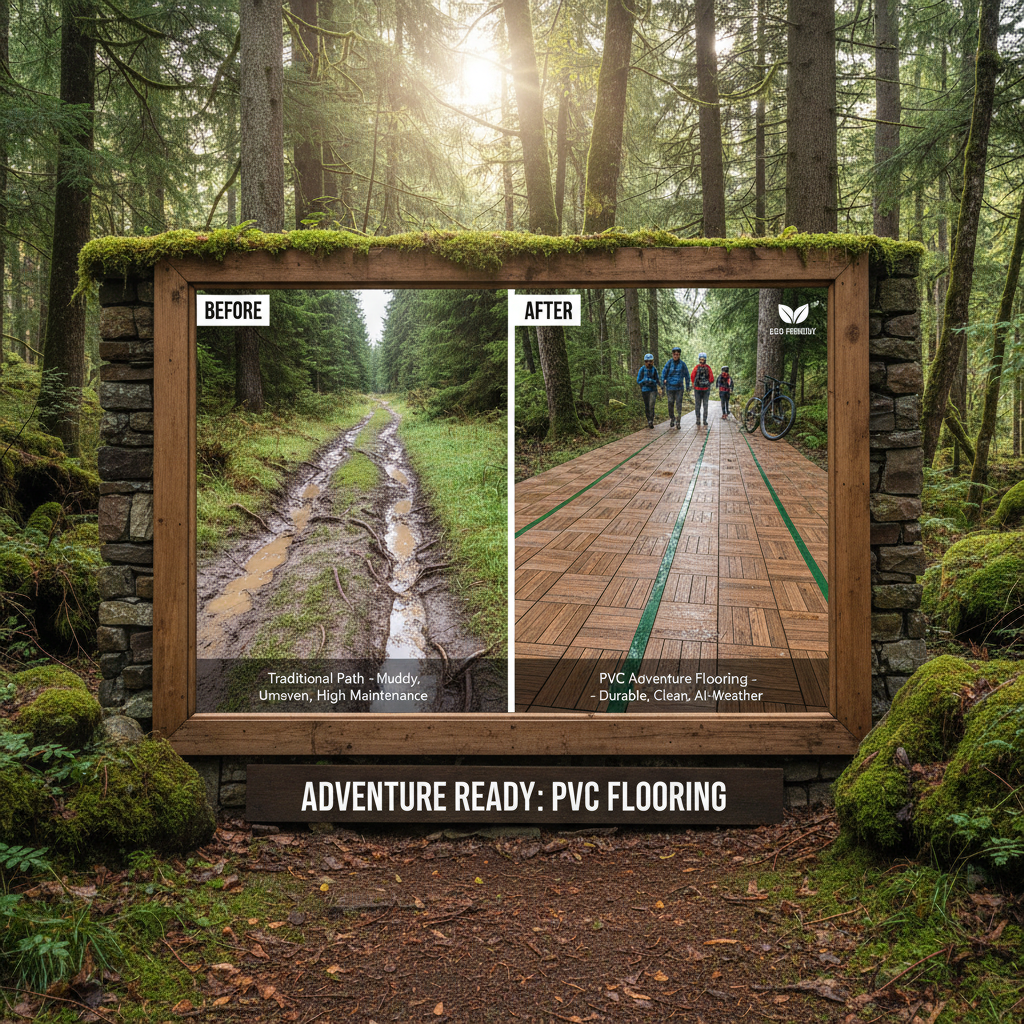
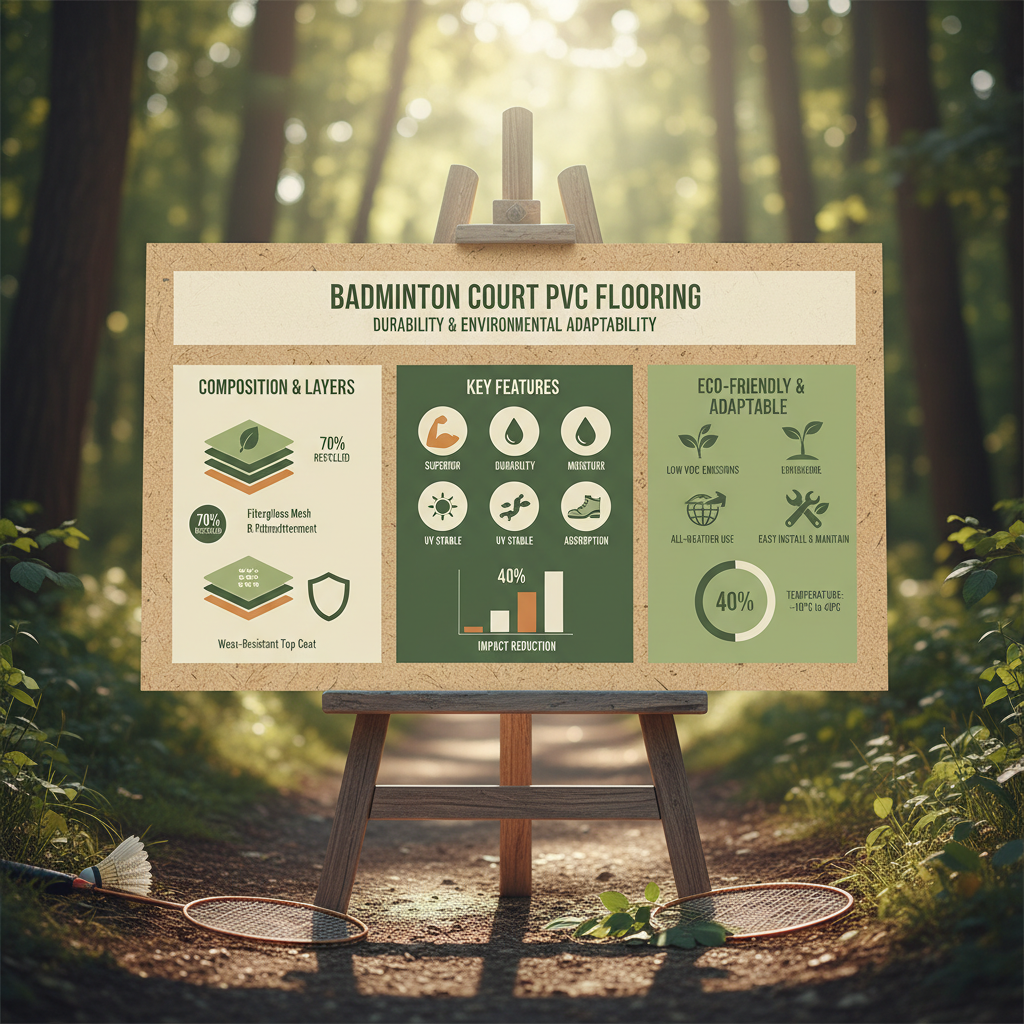
We’re seeing a lot of PVC flooring these days. It’s durable, relatively affordable, and provides good shock absorption. It smells a bit like plastic when you first unroll it, but that fades after a while. It's easy to clean, which is a bonus. You just need a good, heavy-duty cleaner.

Then you've got the synthetic rubber surfaces. Those are good for outdoor courts, as they’re more weather-resistant. But they can get hot in the sun, and they don't have the same level of cushioning as PVC. Plus, they have a bit of a rubbery smell that some people don’t like.

And, of course, wood. Traditional wood courts are still popular, especially for high-end facilities. But they require a lot more maintenance. You need to sand and refinish them regularly, and they're susceptible to moisture damage. You have to be really careful with them.

Badminton Court Makers Testing Protocols

Lab tests are okay, I guess, but the real test is on the court. We don't rely much on those fancy machines. We'll bounce a ball, have people run on it, simulate game conditions. You can tell a lot just by how it feels.

We do basic impact tests, dropping weights onto the surface to check for indentation. And we'll test the slip resistance – you don't want players sliding around all over the place. But honestly, the best testing is just observing how people use the court. That’s how you find out what really works and what doesn’t.

Badminton Court Makers Performance Metrics


Real-World Applications of Badminton Court Makers

Schools are a big market, obviously. But we’re also seeing a lot of demand from gyms and recreation centers. And increasingly, from people who want a home court. It's crazy, the amount of money some people will spend on a backyard badminton court!

Portable courts are great for tournaments and events. You can set them up anywhere – in a park, a school gym, even a parking lot. They're especially useful in areas where there isn't a permanent facility available.

Advantages and Disadvantages of Badminton Court Makers

The biggest advantage? They give people a place to play badminton. Seems obvious, right? But seriously, access to sports facilities is a huge issue in a lot of communities. Good courts promote physical activity and social interaction.

Disadvantages… well, they can be expensive. Especially high-quality courts. And they require maintenance. You can't just install a court and forget about it. It needs to be cleaned, inspected, and repaired regularly. Later… Forget it, I won't mention it.

And, honestly, some of the portable courts are just flimsy. They don’t provide the same level of performance as a permanent court. You get what you pay for, I guess.

Customization Options for Badminton Court Makers

Absolutely. We can customize pretty much anything. Color, size, surface material, line markings… you name it. Last month, that small boss in Shenzhen who makes smart home devices insisted on changing the interface to for some reason - wanted to show off his "innovation" - and the result was a massive delay because none of the standard equipment was compatible. Go figure.

We can also add logos and branding. That's popular with schools and businesses. And we can adjust the court size to fit specific spaces. We once had a client who wanted a court that would fit inside a converted warehouse. It was a tight squeeze, but we managed to make it work.

We can also offer different shock absorption levels, depending on the intended use. For competitive play, you want a firmer surface. For recreational play, you want more cushioning.

Summary of Badminton Court Makers Specifications

Court Type Surface Material Portability Typical Cost (USD)
Portable Tile Court Polypropylene High $2,000 - $5,000
PVC Floating Court PVC Medium $4,000 - $8,000
Rubber Outdoor Court Synthetic Rubber Low $6,000 - $12,000
Wooden Sprung Floor Maple Wood Very Low $10,000 - $20,000+
Modular CLT Court Cross-Laminated Timber Medium $7,000 - $15,000
Acrylic Surface Court Acrylic Low $5,000 - $10,000

FAQS

What's the lifespan of a typical portable badminton court?

A good quality portable badminton court, with regular care and proper storage, should last anywhere from 5 to 10 years. The lifespan really depends on how frequently it's used and how well it's maintained. Constant exposure to sunlight and extreme temperatures can significantly shorten its lifespan. The tiles themselves can become brittle, and the interlocking mechanisms can wear out over time. Regular cleaning and protection from the elements are key.

Is a sprung floor essential for a professional badminton court?

While not absolutely essential, a sprung floor is highly recommended for a professional badminton court. It provides crucial shock absorption, reducing the risk of injuries like ankle sprains and knee problems. It also improves player comfort and performance. A hard, unforgiving surface can lead to fatigue and increased impact forces. A properly designed sprung floor will significantly enhance the playing experience and protect athletes.

How does the choice of surface affect shuttlecock flight?

The surface material directly impacts shuttlecock flight. PVC surfaces tend to offer a faster, truer flight path, making them popular for competitive play. Rubber surfaces can be slightly slower and provide a bit more grip. Wood surfaces vary depending on the finish, but generally offer a good balance. The key is consistency – a uniform surface ensures predictable shuttlecock behavior. Uneven surfaces cause unpredictable bounces and make accurate shots more difficult.

What are the common issues with outdoor badminton courts?

Outdoor courts face a lot of challenges – weather being the biggest one. Rain, sun, wind, and temperature fluctuations can all take a toll on the surface. Cracking, fading, and warping are common issues. Drainage is also crucial; you need a surface that allows water to drain quickly to prevent puddles and slippery conditions. Regular maintenance, including cleaning, sealing, and resurfacing, is essential to prolong the lifespan of an outdoor court.

Can badminton court surfaces be recycled?

Increasingly, yes. Many manufacturers are now using recycled materials in their badminton court surfaces. PVC can be recycled, though it’s not always straightforward. Rubber surfaces are often made from recycled tires. And wood, of course, is a renewable resource. Choosing a court with a high percentage of recycled content is a great way to reduce your environmental impact. It’s something more and more customers are asking about.

What's the cost of installing a professional-grade badminton court?

That’s a tricky question, as it depends on a lot of factors – the size of the court, the surface material, the location, and the complexity of the installation. A basic portable tile court might cost $2,000 - $5,000. A professional-grade sprung wood floor could easily exceed $20,000. Labor costs also add up quickly. It’s always best to get a detailed quote from a reputable installer, taking into account all the necessary materials and services.

Conclusion

So, where does that leave us? Badminton court makers are navigating a changing landscape, driven by demand for portability, sustainability, and cost-effectiveness. It’s not just about slapping down some flooring anymore; it's about understanding the nuances of materials, the realities of on-site construction, and the needs of the players. It’s a blend of engineering, logistics, and a little bit of common sense.

Ultimately, whether this thing works or not, the worker will know the moment he tightens the screw. You can run all the tests you want in a lab, but nothing beats real-world feedback. And frankly, that’s what keeps me going back to those construction sites, getting my hands dirty, and making sure everything is just right. Visit our website at langningsports.com for more information.

Caleb Peterson

Caleb Peterson

Caleb Peterson is a Design Engineer at Langning Sports Flooring, focused on the development of new flooring solutions, particularly for dance studios and gym flooring. He leverages his creative skills and technical expertise to design aesthetically pleasing and highly functional surfaces. Caleb is a key contributor to the company’s expanding
Previous Navigating the Modern Sports Flooring Landscape with a Reputable Manufacturer
Next sports flooring suppliers