0%

Table of Contents

pvc flooring roll has become a ubiquitous material in modern construction and design, prized for its versatility, durability, and cost-effectiveness. From residential homes and commercial spaces to industrial facilities and healthcare environments, the applications of pvc flooring roll are incredibly diverse. Understanding its properties and benefits is crucial for architects, contractors, and homeowners alike when making informed decisions about flooring solutions.

The global demand for flooring materials is continuously growing, driven by population increase, urbanization, and renovation activities. According to industry reports, the PVC flooring market is projected to reach substantial figures in the coming years, indicating a sustained preference for this material. This growth is particularly significant in developing economies where affordability and ease of installation are key considerations. pvc flooring roll offers a viable solution to the increasing need for durable and hygienic flooring options.

The rise in popularity of pvc flooring roll addresses several key challenges in the construction industry, including the demand for sustainable materials, reduced maintenance costs, and enhanced safety features. Its inherent resistance to water, stains, and wear makes it ideal for high-traffic areas and environments requiring strict hygiene standards, such as hospitals and schools. Ultimately, understanding the nuances of PVC flooring is vital for effective project planning and execution.
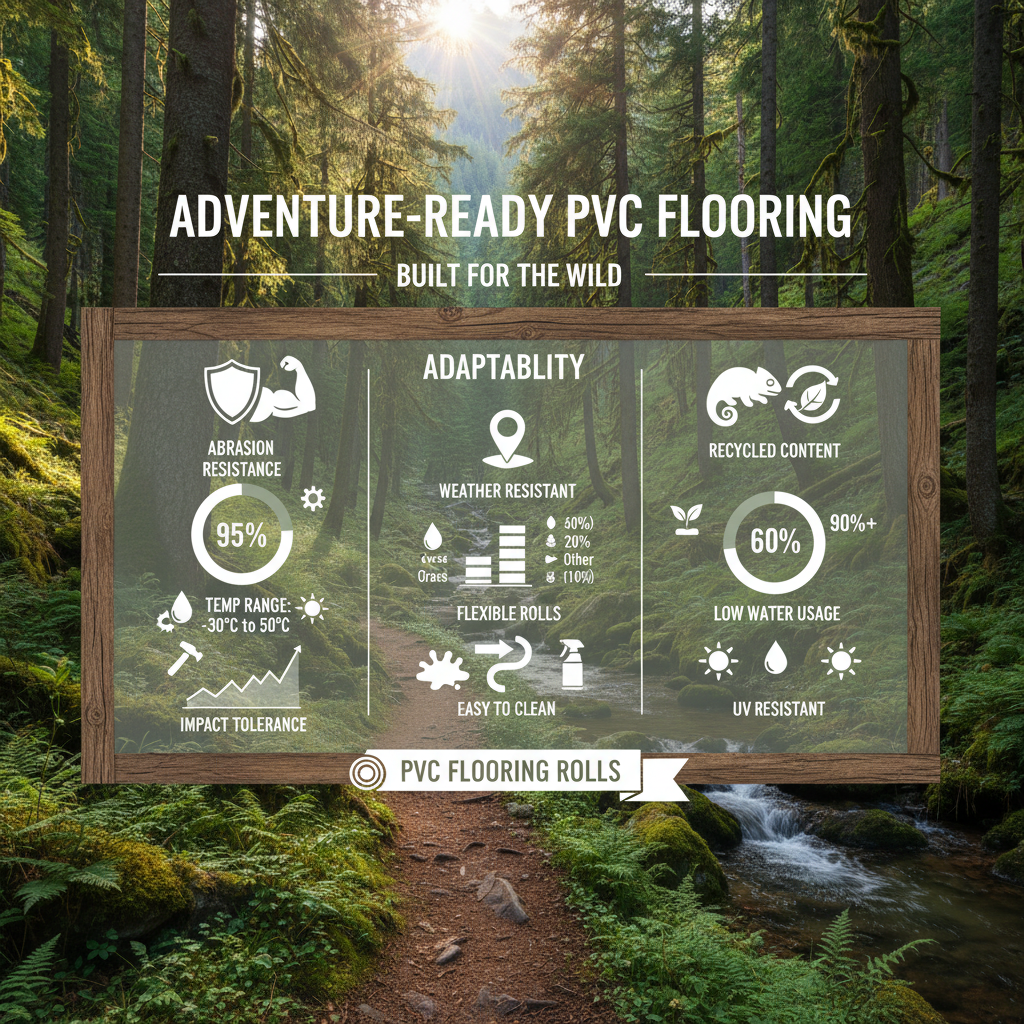
Comprehensive Guide to PVC Flooring Roll Applications and Market Trends

Introduction to pvc flooring roll

Comprehensive Guide to PVC Flooring Roll Applications and Market Trends

pvc flooring roll isn’t merely a flooring option; it’s a testament to material science and its ability to address practical needs across diverse sectors. Its popularity stems from a unique combination of characteristics – resilience, ease of maintenance, and affordability. Understanding these foundational aspects is vital for appreciating the widespread adoption of this versatile material.

The consistent development and refinement of pvc flooring roll technology have resulted in a product that outperforms traditional materials in many applications. This continuous improvement, coupled with growing environmental awareness, has spurred innovations in sustainable PVC production, further bolstering its position in the market.

Defining pvc flooring roll

pvc flooring roll, or polyvinyl chloride flooring, is a synthetic flooring material made from vinyl plastics. It’s available in a wide array of colors, patterns, and thicknesses, often sold in rolls – hence the name. It differs from vinyl tiles in its format, primarily being supplied as continuous sheets.

In modern industry, pvc flooring roll serves as a practical and hygienic alternative to traditional materials like wood, linoleum, and tile. It's commonly used in areas where water resistance and durability are paramount. Its inherent properties make it well-suited for environments requiring rigorous cleaning protocols.

The connection to modern needs extends beyond simple functionality; pvc flooring roll is increasingly employed in projects prioritizing sustainability, due to advancements in manufacturing processes that minimize environmental impact and facilitate recycling initiatives.

Key Properties of pvc flooring roll

Durability is arguably the most significant characteristic of pvc flooring roll. Its resistance to scratches, dents, and wear makes it ideal for high-traffic areas, and it can withstand heavy loads without significant damage.

Water resistance is another crucial property. Unlike wood or laminate flooring, pvc flooring roll doesn't absorb water, preventing warping, swelling, or the growth of mold and mildew. This makes it a superior choice for bathrooms, kitchens, and basements.

Cost-effectiveness is a major advantage. pvc flooring roll is significantly more affordable than many other flooring options, both in terms of material cost and installation. This makes it accessible to a broader range of consumers and projects.

Applications Across Industries

The versatility of pvc flooring roll is evident in its diverse applications. In healthcare facilities, it’s favored for its hygienic properties and ease of cleaning, contributing to infection control. In educational institutions, its durability can withstand the demands of heavy student traffic.

Industrially, pvc flooring roll is used in factories, warehouses, and laboratories where resistance to chemicals, abrasion, and heavy machinery is essential. In retail spaces, it offers a durable and aesthetically pleasing surface for high-traffic areas.

Market Share of pvc flooring roll Application Areas


Advantages and Long-Term Value

Beyond the initial cost savings, pvc flooring roll offers substantial long-term value. Its low maintenance requirements translate into reduced cleaning and repair costs over its lifespan. This makes it a financially prudent choice for projects with limited budgets.

Environmentally, advancements in PVC production are leading to more sustainable options. Recycled content and reduced VOC emissions are becoming increasingly common, addressing concerns about environmental impact and indoor air quality. Investing in these eco-friendly varieties promotes a responsible approach to construction.

Future Trends in pvc flooring roll

The future of pvc flooring roll is likely to be shaped by a continued focus on sustainability and technological innovation. We can anticipate the development of even more eco-friendly formulations, utilizing bio-based materials and closed-loop recycling systems.

Digital printing technology will enable greater design flexibility, allowing for customized patterns and realistic textures. This will broaden the appeal of pvc flooring roll in both residential and commercial applications, competing directly with more expensive flooring options.

Smart flooring integrating sensors for monitoring foot traffic, temperature, and other parameters is also a potential future trend, adding a new layer of functionality to this already versatile material.

Challenges and Sustainable Solutions

One of the primary challenges associated with pvc flooring roll is its reliance on fossil fuels for production. However, ongoing research is focused on developing alternative feedstocks, such as bio-based ethylene, to reduce the carbon footprint.

Another concern is the end-of-life management of PVC flooring. While recycling technologies are improving, widespread adoption remains a challenge. Implementing robust collection and recycling programs is crucial for closing the loop and minimizing landfill waste.

Addressing these challenges requires collaboration between manufacturers, policymakers, and consumers. Promoting sustainable production practices, incentivizing recycling, and educating consumers about proper disposal methods are all essential steps toward a more circular economy for pvc flooring roll.

Summary of Challenges and Sustainable Solutions for pvc flooring roll

Challenge Impact Level (1-10) Proposed Solution Implementation Difficulty (1-10)
Fossil Fuel Dependency 8 Bio-based Feedstocks 7
Limited Recycling Infrastructure 7 Expanded Collection Programs 6
VOC Emissions 5 Low-VOC Formulations 4
Plasticizer Migration 6 Alternative Plasticizers 5
Disposal in Landfills 9 Advanced Recycling Technologies 8
Consumer Awareness 4 Educational Campaigns 3

FAQS

What are the key benefits of using pvc flooring roll compared to traditional hardwood flooring?

Compared to hardwood, pvc flooring roll offers significant advantages in cost, durability, and water resistance. Hardwood is susceptible to scratches, dents, and water damage, requiring regular maintenance. PVC flooring is much more resilient, easier to clean, and suitable for areas with high moisture levels like kitchens and bathrooms. Its affordability makes it an excellent choice for budget-conscious projects, without compromising on functionality or aesthetics.

Is pvc flooring roll a sustainable flooring option?

Sustainability of pvc flooring roll depends on the manufacturing process and end-of-life management. Increasingly, manufacturers are using recycled content and reducing VOC emissions to minimize environmental impact. While PVC isn't inherently biodegradable, advancements in recycling technologies are making it easier to recover and reuse the material. Look for products with certifications demonstrating sustainable practices.

How easy is it to install pvc flooring roll?

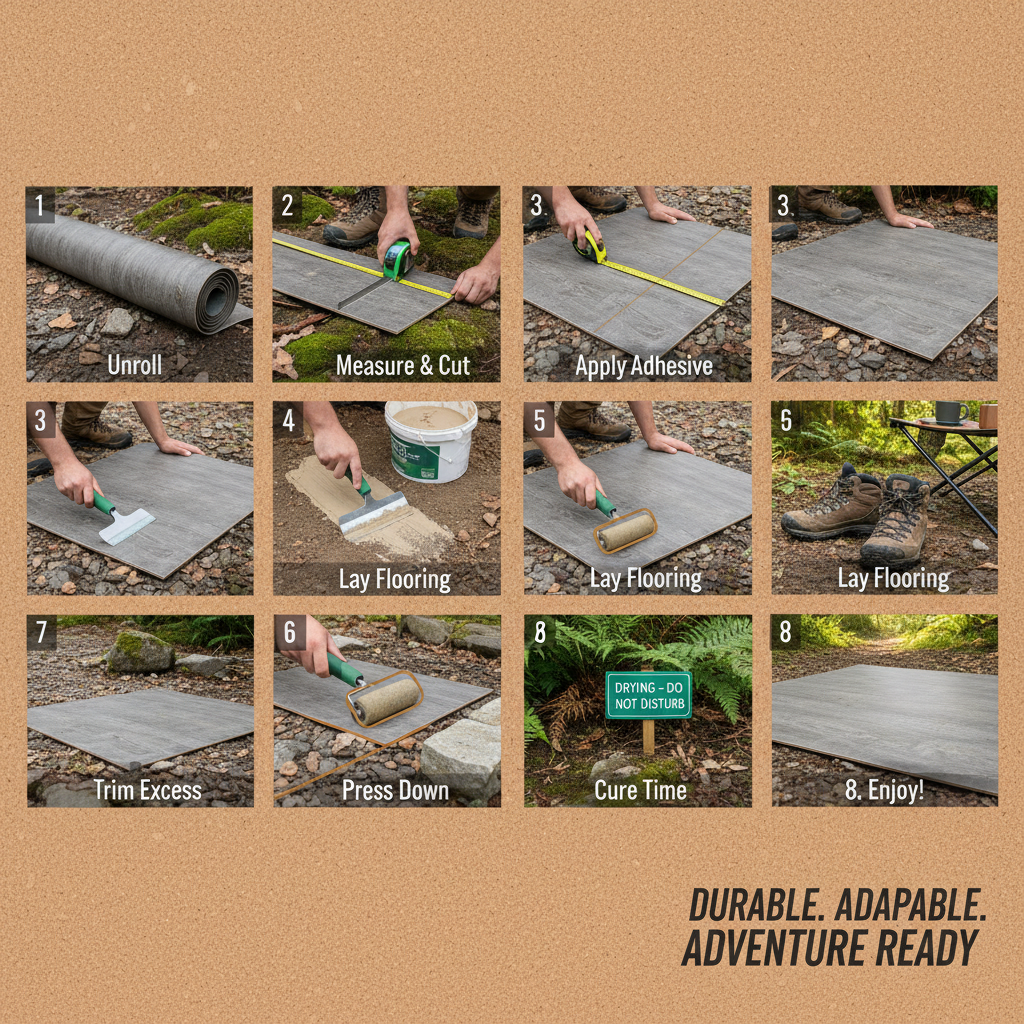
Installing pvc flooring roll is generally considered a relatively straightforward process, especially compared to other flooring types. It often requires minimal subfloor preparation and can be installed using adhesives or, in some cases, loose-lay methods. However, professional installation is recommended for larger areas or complex layouts to ensure a seamless and durable result.

What is the typical lifespan of pvc flooring roll?

The lifespan of pvc flooring roll varies depending on the quality of the material and the level of traffic it receives. However, with proper maintenance, it can typically last between 10 and 20 years, or even longer. Regular cleaning and avoiding harsh chemicals are crucial for maximizing its lifespan.

How do I clean and maintain pvc flooring roll?

Maintaining pvc flooring roll is simple. Regular sweeping or vacuuming removes dirt and debris. For deeper cleaning, use a damp mop with a mild detergent specifically designed for vinyl flooring. Avoid abrasive cleaners or scrubbing brushes, as they can damage the surface. Promptly clean up spills to prevent staining.

Is pvc flooring roll suitable for underfloor heating?

Generally, many types of pvc flooring roll are compatible with underfloor heating systems, but it's essential to check the manufacturer’s specifications. Ensure the heating system is properly regulated to avoid exceeding the maximum surface temperature recommended for the flooring. Using an appropriate underlayment can also enhance thermal performance.

Conclusion

In conclusion, pvc flooring roll represents a compelling flooring solution that balances durability, affordability, and versatility. Its ability to adapt to diverse applications, from healthcare facilities to residential homes, alongside continuous advancements in sustainability, positions it as a prominent material in the construction industry. The future of PVC flooring promises even greater eco-friendliness and innovative functionalities.

Looking ahead, embracing sustainable manufacturing practices and investing in recycling infrastructure will be crucial for maximizing the long-term benefits of pvc flooring roll. By prioritizing responsible sourcing, minimizing waste, and educating consumers, we can unlock the full potential of this valuable material and create a more sustainable built environment. Visit our website: www.langningsports.com


Owen Sterling

Owen Sterling

Owen Sterling is Langning Sports Flooring’s OEM & ODM Specialist. He facilitates customized flooring solutions for clients with unique branding or performance requirements. Owen excels at understanding customer needs and translating them into actionable designs. He manages the entire OEM/ODM process, from initial concept development to production and delivery. He’s
Previous Elevate Your Performance with Premium Sports Flooring
Next Is PVC Flooring Good for Home A Comprehensive Guide to Benefits and Considerations