


Rubber Tiles for Outdoor Basketball Court – Safe, Durable
Outdoor Basketball Courts: What’s Really Working With Rubber Tiles Right Now
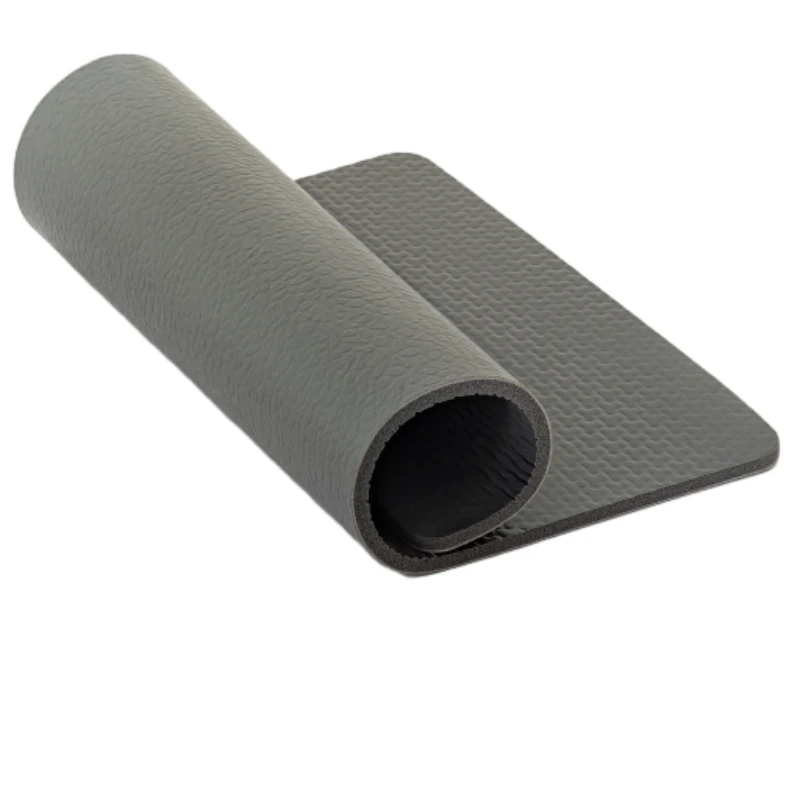
If you’re shopping for rubber tiles for outdoor basketball court projects, here’s a candid take from the field. Over the last two seasons, many parks and schools have been swapping chunky tiles for flexible, rolled sports flooring—specifically the Outdoor Gem Pattern 5.0mm Sports Flooring (models L91050W/L92050W/L93050W/L94350W/L95050W). It looks simple, but the performance numbers are, frankly, what win tenders.
Industry trends (quick reality check)
- Shift from rigid PP tiles to UV-stabilized elastic rolls for smoother ball bounce and fewer trip edges.
- Specs now call out EN/DIN test data, not just “anti-slip” claims. Buyers are getting sharper.
- Color-fastness and line-paint adhesion are hot buttons; coastal projects especially picky about UV and salt fog.
Product snapshot: Outdoor Gem Pattern 5.0mm
Origin: Room 604, West Tower, Baichuan Building, No.138 Jianhua North Street, Chang'an District, Shijiazhuang, Hebei, China. To be honest, that factory has been on my shortlist for consistent QC.
| Spec | Details (≈ real-world values) |
|---|---|
| Models | L91050W / L92050W / L93050W / L94350W / L95050W |
| Thickness | 5.0 mm |
| Roll size | 15 m (L) × 1.8 m (W) |
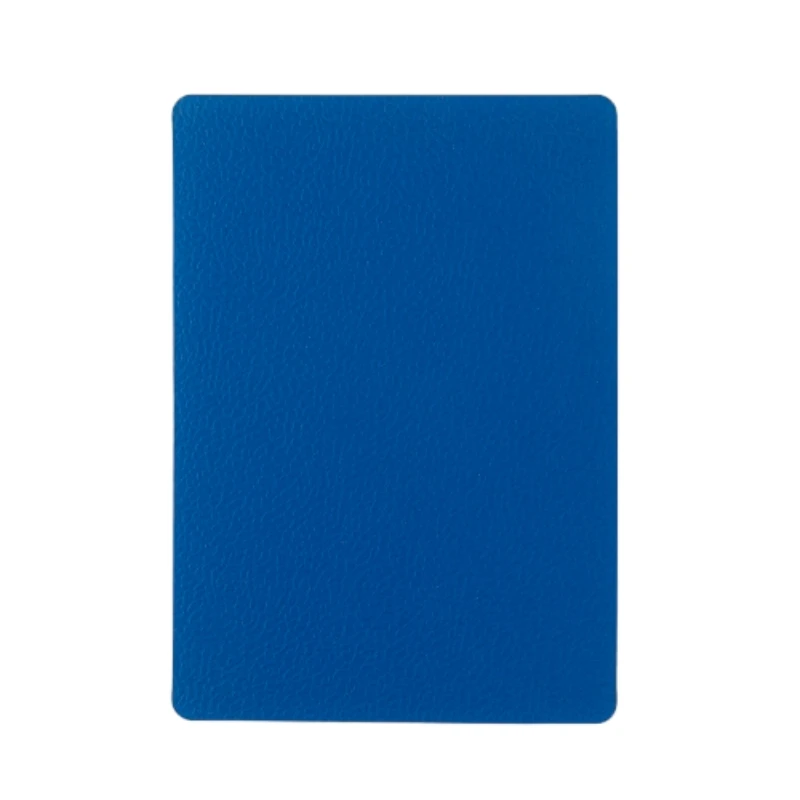
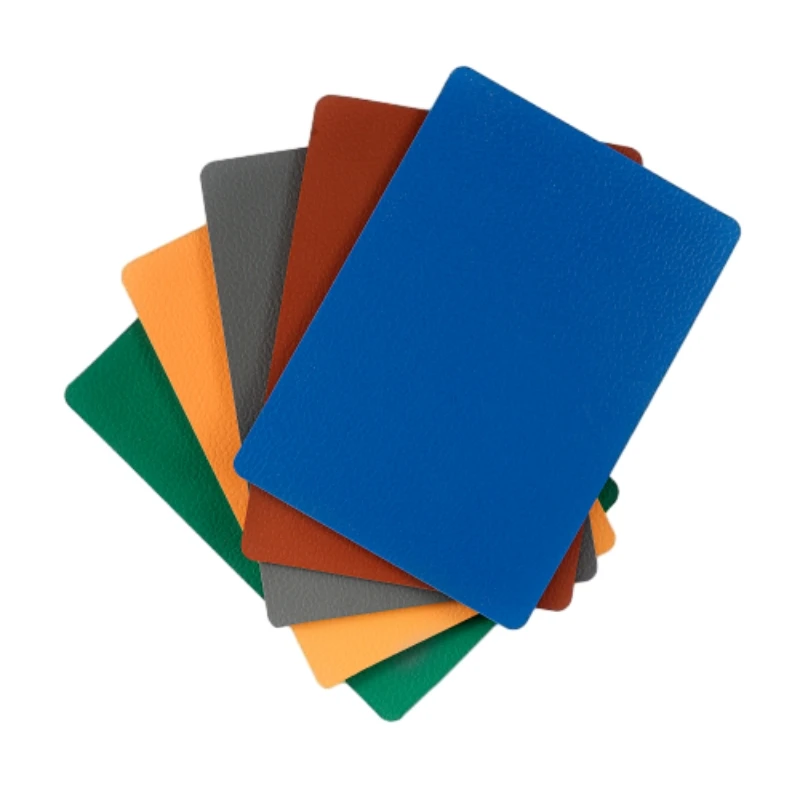
| Colors | Red, green, gray, royal blue, orange |
| Coefficient of friction | 0.55–0.70 (EN 13036-4, dry/wet) |
| Shock absorption | ≈ 20–28% (EN 14808) |
| Vertical deformation | ≈ 1.2–2.0 mm (EN 14809) |
| Ball rebound | ≥ 90% (DIN 18032-2 analogous) |
| UV stability | > 800 h exposure, ΔE ≤ 3 (ASTM G154) |
| Service life | ≈ 5–8 years outdoors, climate-dependent |
| Use cases | Basketball, tennis, volleyball, badminton, table tennis, multi-sport |
What it’s made of (and why it matters)
- Wear layer: UV-inhibited PVC/TPE with gem emboss for wet-grip.
- Reinforcement: fiberglass mesh for dimensional stability on hot days.
- Foamed backing: microcell cushion disperses impact; easier on knees.
- Manufacturing: calendering → lamination → embossing → curing; edges square for tight seams.
- Testing: EN 14808/14809, DIN 18032-2 ball rebound guidance, ASTM G154 UV, VOC per ISO 16000 (low-emission, in my checks).
Installation flow (field notes)
- Base: fine-finish asphalt or concrete, Slope 1–2% for drainage.
- Adhesive: PU-based outdoors; trowel notch B3/B4; open time ≈ 10–20 min.
- Seams: butted, hot-air welded where wind uplift is a concern.
- Lines: PU line paint, light sand scuff first. Cure 24–48 h before play.
Vendor landscape: tiles vs rolled flooring
| Vendor/Type | Material | Shock Abs. | UV/Color | Warranty | Certs | Notes |
|---|---|---|---|---|---|---|
| Outdoor Gem Pattern 5.0mm (roll) | PVC/TPE composite | ≈ 20–28% | High (ASTM G154) | ≈ 5 years | ISO 9001/14001 | Seam welding prevents creep; fast play feel. |
| PP Interlocking Tiles | Polypropylene | ≈ 10–15% | Good | 3–8 years | RoHS/REACH | Great drainage, but more seams; ball bounce can feel “clicky.” |
| Recycled Rubber Tiles | SBR/EPDM | ≈ 25–35% | Varies | 3–6 years | REACH | Soft underfoot; can feel slow for hoops; color fade risk. |
Use cases, feedback, customization
- Schools and municipal parks: “Noticeably quieter than clip-tiles,” one facilities head told me.
- Coastal complexes: UV and salt-mist have been fine after two summers; lines still crisp.
- Custom options: colors, logo inlays, roll-to-court pre-layout, edge trims; line kits on request.
Application scenarios go beyond hoops—volleyball, tennis, multi-sport. Still, for rubber tiles for outdoor basketball court buyers, the roll format often hits the sweet spot between pace and cushioning.
Mini case studies (quick)
- Hebei community court: 2 half-courts, royal blue/orange; ball rebound measured ≈ 92%, no seam lift after freeze–thaw.
- SEA coastal school: gray/green; after 14 months, ΔE ≈ 2.5 on blue lanes—parents liked the grip in light rain.
Buyer notes
- Ask for EN 14808/14809 and UV reports; don’t settle for generic “anti-UV.”
- Confirm adhesive spec and base prep—90% of complaints trace back to substrate, not the flooring.
- Plan maintenance: neutral pH cleaning; avoid solvent graffiti removers on lines.
References
- EN 14808/EN 14809: Surfaces for sports areas – Shock absorption and vertical deformation (CEN).
- EN 14877: Synthetic surfaces for outdoor sports areas – Specifications (CEN).
- ASTM G154: Operating Fluorescent UV Lamp Apparatus for Exposure of Nonmetallic Materials (ASTM).
- DIN 18032-2: Sports halls – Sports floors – Testing for sport functionality (DIN).
-
Premium Outdoor Dance Floor for Sale Professional Event SurfacesNewsApr.16,2026
-
Premium Professional White Dance Floor for Sale and Buying GuideNewsApr.09,2026
-
Find Your Perfect Portable Dance Floor for Sale and Create Unforgettable EventsNewsApr.07,2026
-
Find High Quality Dance Flooring for Sale and Expert GuidanceNewsApr.04,2026
-
Comprehensive Guide to Durable Commercial Vinyl Solutions for BusinessesNewsMar.31,2026
-
Comprehensive Commercial Flooring Management for Business LongevityNewsMar.28,2026
-
Comprehensive Guide to Selecting the Right Commercial Flooring MaterialsNewsMar.26,2026