


Find High Quality Dance Flooring for Sale and Expert Guidance
Dance Flooring for Sale: A Comprehensive Guide
Are you looking for high-quality dance flooring for sale? Whether you’re setting up a professional dance studio, a home practice space, or require portable flooring for events, choosing the right surface is crucial. At Langning Sports, we specialize in providing a wide range of dance flooring solutions to meet diverse needs. This article will explore the different types of dance flooring available, factors to consider when purchasing, and why Langning Sports is your trusted partner. Selecting the appropriate dance floor significantly impacts performance, safety, and overall enjoyment.
Understanding Different Types of Dance Flooring
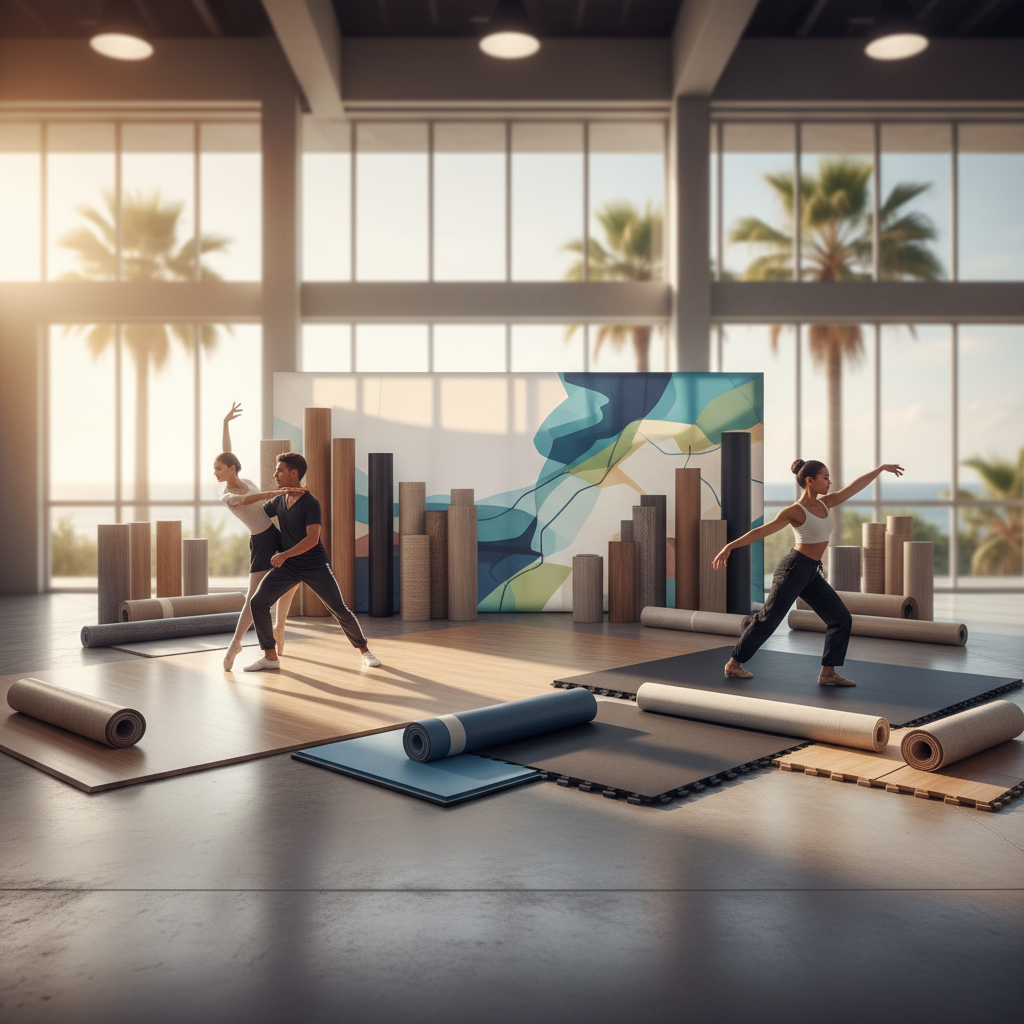
Dance flooring comes in several varieties, each with its own benefits. Common types include Marley flooring (PVC), hardwood, sprung floors, and portable interlocking tiles. Marley flooring is a popular choice for its versatility, durability, and slip-resistant surface. Hardwood floors offer a classic aesthetic and excellent responsiveness, but require more maintenance. Sprung floors provide cushioning and reduce impact, minimizing the risk of injury. Portable tiles are ideal for temporary events and can be easily assembled and disassembled. The best choice depends on the dance styles practiced, the budget, and the intended use of the space. Langning Sports offers all these types and more, ensuring you find the perfect fit.
Key Considerations: Marley floors are versatile, hardwood provides responsiveness, sprung floors offer impact absorption, and portable tiles ensure flexibility.
Choosing the Right Dance Flooring for Your Needs
Selecting the optimal dance flooring requires careful consideration of several factors. The primary dance styles that will be performed on the floor are paramount. Ballet, for instance, often benefits from a slightly more responsive surface than hip-hop. The level of impact and the frequency of use also play a role. For high-impact activities or frequent use, a sprung floor is highly recommended. Budget constraints are also important; Marley flooring is generally more affordable than hardwood. Finally, consider the space itself – is it a permanent installation, or do you need portable options? Langning Sports can help you assess your requirements and recommend the most suitable solution.
Key Factors to Consider:
• Dance styles practiced
• Impact level and frequency of use
• Budget constraints
• Space requirements (permanent or portable)
Marley Flooring vs. Hardwood Flooring: A Detailed Comparison
Marley flooring and hardwood are two popular choices, each with distinct advantages and disadvantages. Marley is known for its consistent surface, ease of maintenance, and affordability. It’s also more forgiving on joints. However, it doesn't offer the same natural feel as hardwood. Hardwood provides superior responsiveness and a traditional aesthetic, but it's more expensive, requires regular maintenance (sanding, polishing), and can be more prone to damage. Ultimately, the best option depends on the specific needs and preferences of the dancer and the studio.
Why Choose Langning Sports for Your Dance Flooring Needs?
At Langning Sports, we are committed to providing high-quality dance flooring solutions and exceptional customer service. We offer a wide selection of flooring types, competitive pricing, and expert advice to help you make the best choice for your studio or space. Our team has years of experience in the industry and can assist with everything from selecting the right materials to installation guidance. We pride ourselves on delivering durable, safe, and aesthetically pleasing dance floors that enhance performance and inspire creativity.
Product Specifications and Available Sizes
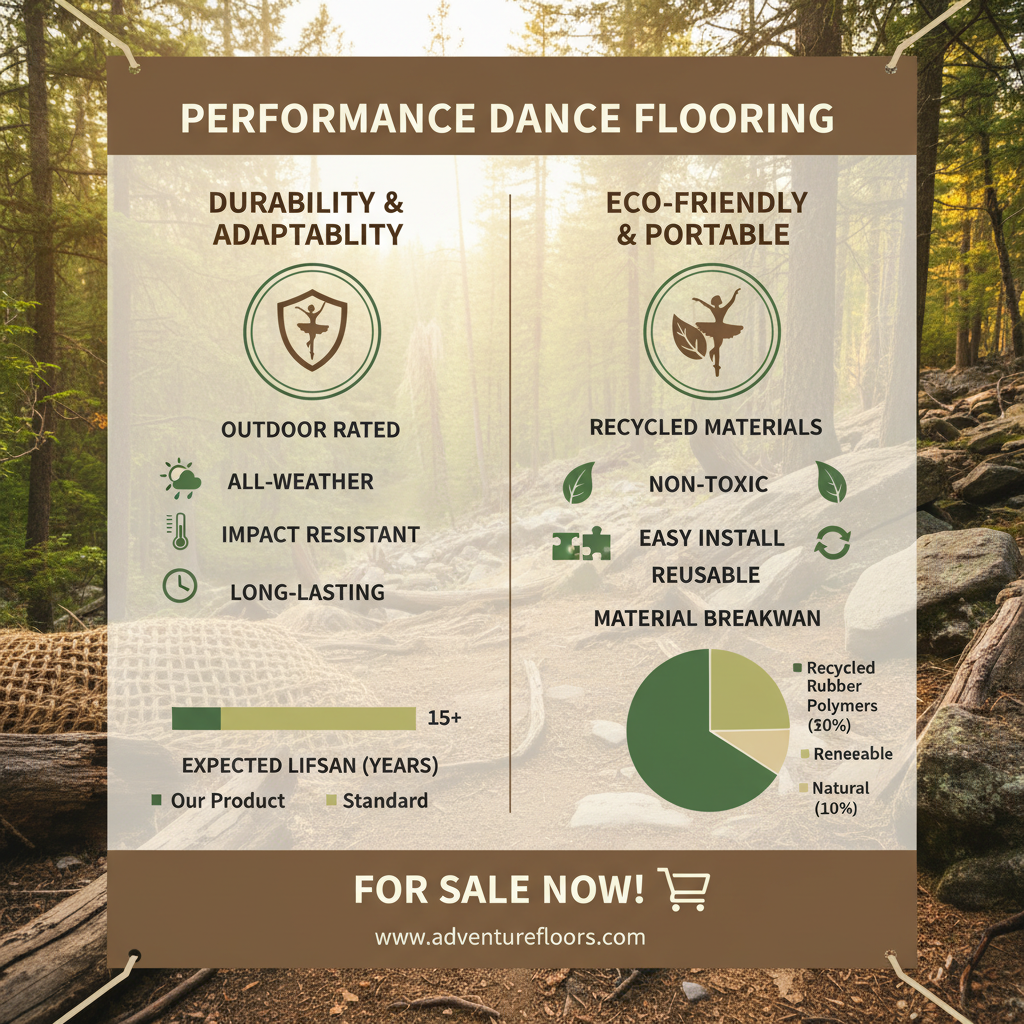
We offer dance flooring in a variety of sizes and thicknesses to accommodate different space requirements. Marley flooring is typically available in rolls of 1.83m (6ft) and 2.0m (6.5ft) wide, with lengths up to 45.72m (150ft). Hardwood flooring is available in planks of various lengths and widths. Sprung floors are custom-built to the dimensions of your space. We also offer portable interlocking tiles in sizes ranging from 30cm x 30cm to 1m x 1m. Please see the table below for more details:
Conclusion: Find Your Perfect Dance Floor with Langning Sports
Investing in the right dance flooring for sale is a crucial step in creating a safe, inspiring, and effective space for dance. At Langning Sports, we are dedicated to providing top-quality products and expert guidance to help you achieve your goals. Browse our selection today and experience the difference!
Frequently Asked Questions (FAQs)
What is the best flooring for ballet?
For ballet, a sprung floor covered with Marley flooring is often considered ideal. The sprung floor provides cushioning to protect joints during jumps and landings, while the Marley surface offers the right amount of slip for controlled movements. The combination allows for both responsiveness and safety. The responsiveness of a Marley surface allows dancers to feel connected to the floor, which is essential for precise technique.
Is Marley flooring slippery?
Marley flooring is designed to have a controlled amount of slip. It’s not as slippery as ice, but it allows dancers to slide and pivot more easily than they could on a high-friction surface. This controlled slip is essential for many dance styles. The amount of slip can be adjusted with specialized coatings or waxes. It's important to ensure the floor is clean and properly maintained to provide optimal slip resistance.
How do I clean and maintain Marley flooring?
Regular cleaning is essential for maintaining Marley flooring. Sweep or vacuum the floor daily to remove dust and debris. Use a mild detergent and water solution for mopping, avoiding harsh chemicals or abrasive cleaners. Periodically use a Marley floor cleaner to restore the floor's slip resistance. Avoid wearing street shoes on the Marley surface, as they can introduce dirt and damage the floor. Regular maintenance will significantly extend the lifespan of your Marley flooring.
What is a sprung floor and why is it important?
A sprung floor is a subfloor designed to absorb impact and provide cushioning. It’s constructed with layers of materials that allow for flexibility and shock absorption. This is crucial for reducing the risk of injuries, particularly stress fractures and joint problems. Sprung floors are highly recommended for dance studios where dancers perform jumps and high-impact movements. They also improve dancer comfort and allow for longer practice sessions.
-
Premium Outdoor Dance Floor for Sale Professional Event SurfacesNewsApr.16,2026
-
Premium Professional White Dance Floor for Sale and Buying GuideNewsApr.09,2026
-
Find Your Perfect Portable Dance Floor for Sale and Create Unforgettable EventsNewsApr.07,2026
-
Comprehensive Guide to Durable Commercial Vinyl Solutions for BusinessesNewsMar.31,2026
-
Comprehensive Commercial Flooring Management for Business LongevityNewsMar.28,2026
-
Comprehensive Guide to Selecting the Right Commercial Flooring MaterialsNewsMar.26,2026
-
Comprehensive Guide to Selecting Durable Commercial Floor SystemsNewsMar.24,2026