


Rubber Tiles for Outdoor Basketball Court – Safe & Durable
Rubber Tiles For Outdoor Basketball Court: a practical look at 5.0mm outdoor sports rolls
If you’re searching for Rubber Tiles For Outdoor Basketball Court, here’s a twist from the field: many municipalities and clubs are switching to 5.0mm outdoor sports rolls because seams are fewer, ball bounce stays consistent, and installation can be faster on large courts. I’ve seen it firsthand—less rattle, cleaner lines, and, honestly, fewer call-backs.
What’s trending outdoors
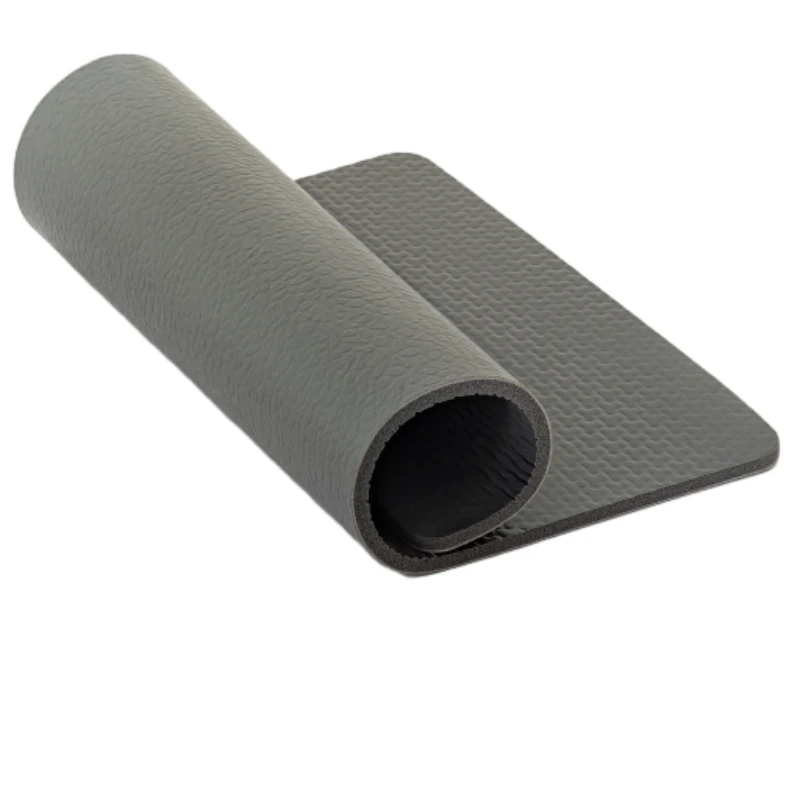
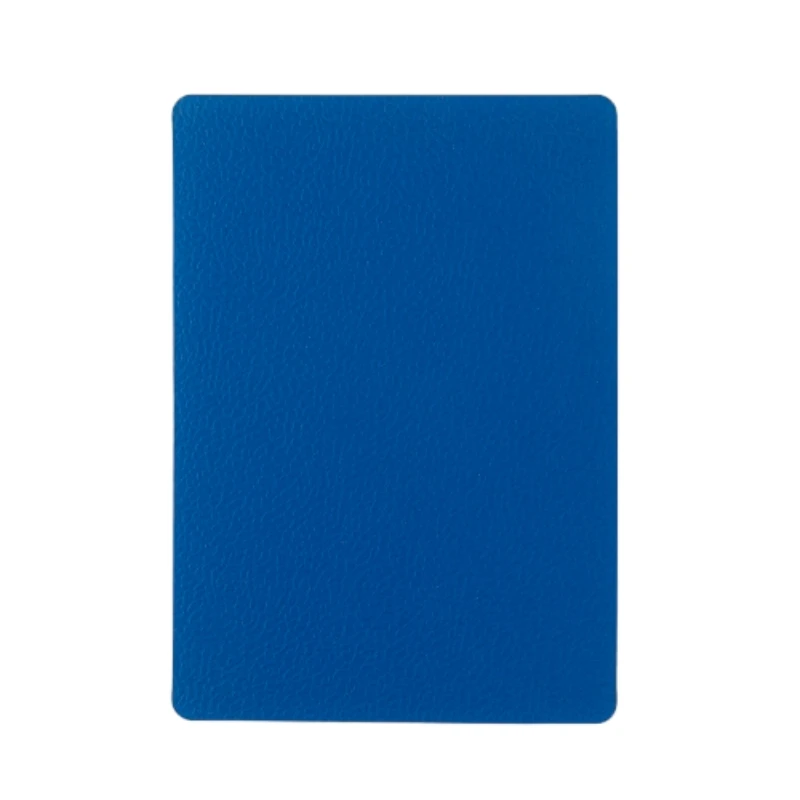
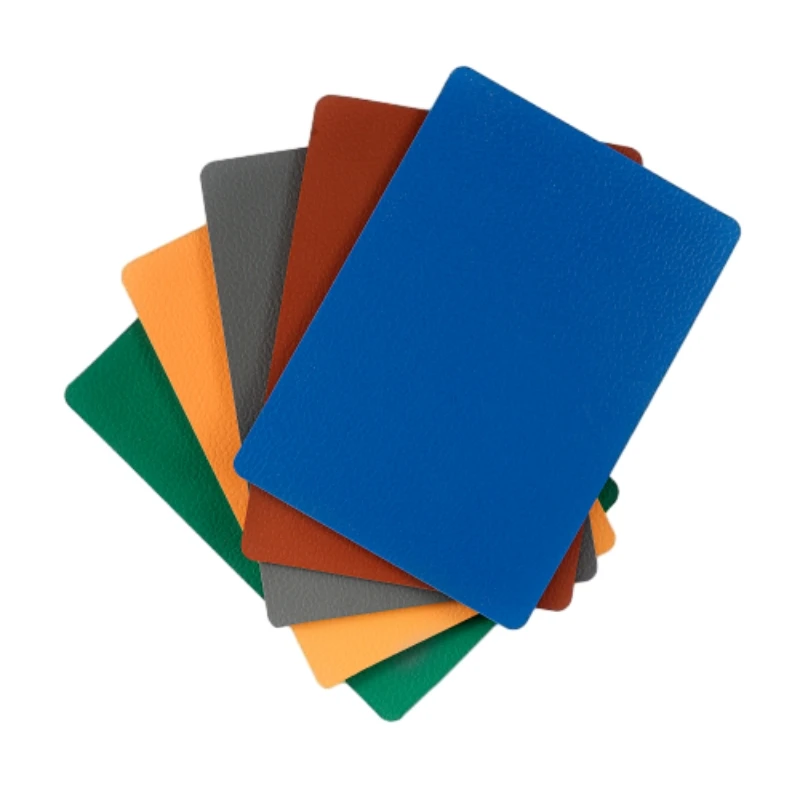
Outdoor courts are moving toward elastomeric, UV-stable layers with textured anti-slip tops and vibrant colorways. The Outdoor Gem Pattern 5.0mm Sports Flooring taps that trend with roll widths that cover lanes cleanly and color options (red, green, gray, royal blue, orange) that pop in photos—yes, social media likes still matter to sponsors.
Quick product snapshot
| Product | Outdoor Gem Pattern 5.0mm Sports Flooring (Models L91050W / L92050W / L93050W / L94350W / L95050W) |
| Format | Roll, 15 m (L) × 1.8 m (W); thickness 5.0 mm |
| Applicable venues | Basketball, tennis, volleyball, badminton, table tennis, gas-volleyball, and multi-use outdoor courts |
| Surface | Gem-pattern, textured anti-slip; UV-stable top layer |
| Performance (typ.) | Shock absorption ≈ 15–22%; Ball rebound ≥ 95%; CoF dry ≈ 0.8–1.0, wet ≈ 0.6–0.7 (real-world use may vary) |
| Weathering | ASTM G154 UV exposure tested (lab data available on request); recommended slope for drainage (non-permeable) |
| Service life | ≈ 5–8 years outdoors with routine care; repainting of lines as needed |
| Origin | Room 604, West Tower, Baichuan Building, No.138 Jianhua North Street, Chang'an District, Shijiazhuang, Hebei, China |
Process flow and quality notes
Materials: outdoor-grade elastomeric layers with a textured wear coat. Methods: substrate prep (asphalt or concrete), priming, roll layout, adhesive trowel, seam cold-welding or heat-bonding, line marking, cure. Testing: ball rebound and shock absorption to EN 14877 style methods; slip resistance to ASTM D2047/EN 13036-4; UV weathering to ASTM G154. Typical industries: schools, parks, clubs, residential communities. To be honest, the substrate workmanship still decides 80% of the result.
Tiles vs. rolls: vendor comparison
| Option | Pros | Considerations |
|---|---|---|
| Langning 5.0mm rolls (this product) | Fewer seams; consistent bounce; fast lane coverage; vivid colors; easy line work | Needs smooth base; not water-permeable (plan drainage); pro install recommended |
| PP interlocking tiles (generic) | DIY-friendly; modular replacement; decent drainage | More seams (buzz on ball); thermal expansion; clip noise over time |
| Poured PU/EPDM systems (generic) | Seamless look; tunable cushion; excellent UV packages | Higher cost; weather-sensitive install; longer cure windows |
Applications, feedback, customization
Use it for community half-courts, school MUGAs, and club training courts. Many customers say the gem texture feels “secure but not sticky”—especially after light rain. Custom options: color mix per zones, logo stencils, edge trims, expansion joint detailing, and line sets to FIBA court geometry (check local codes). Certification-wise, factories typically carry ISO 9001; performance can be validated against EN 14877-style lab tests—ask for recent reports.
Case note: municipal court refresh
A parks department in humid Southeast Asia swapped aging tiles for 5.0mm rolls on two outdoor courts. After resurfacing, informal spot checks showed ball rebound holding ≥95% vs. reference slab, and measured surface temps were ≈3–5°C lower than the dark concrete on a 2 p.m. afternoon (non-lab thermometer, so take it as indicative). Players reported less foot fatigue and, surprisingly, fewer skids on dusty mornings. It seems the texture helps.
Final pointers
If your brief literally requires Rubber Tiles For Outdoor Basketball Court, tiles still work—just plan for expansion gaps and clip checks. If you want fewer seams and steadier bounce, the 5.0mm roll is a genuinely solid alternative. Either way, insist on documented slip resistance, UV testing, and ball-rebound data—your ankles will thank you.
References
- EN 14877: Surfaces for outdoor sports areas — Synthetic surfaces — Specifications.
- FIBA Equipment & Venue Guide: Basketball courts and surfaces, latest edition.
- ASTM D2047: Standard Test Method for Coefficient of Friction of Polish-Coated Flooring Surfaces.
- ASTM G154: Standard Practice for UV Exposure of Nonmetallic Materials.
- Sport England: Design and Technical Guidance – Multi-Use Games Areas (MUGAs).
-
Premium Outdoor Dance Floor for Sale Professional Event SurfacesNewsApr.16,2026
-
Premium Professional White Dance Floor for Sale and Buying GuideNewsApr.09,2026
-
Find Your Perfect Portable Dance Floor for Sale and Create Unforgettable EventsNewsApr.07,2026
-
Find High Quality Dance Flooring for Sale and Expert GuidanceNewsApr.04,2026
-
Comprehensive Guide to Durable Commercial Vinyl Solutions for BusinessesNewsMar.31,2026
-
Comprehensive Commercial Flooring Management for Business LongevityNewsMar.28,2026
-
Comprehensive Guide to Selecting the Right Commercial Flooring MaterialsNewsMar.26,2026