


Durable Rubber Tiles for Outdoor Basketball Courts | Safe & Performance
Introduction to Advanced Outdoor Sports Surfaces
The demand for high-performance, durable, and safe outdoor sports surfaces is continuously growing across various sectors, including educational institutions, municipal parks, and private residential properties. Selecting the optimal flooring solution for an outdoor basketball court is a critical decision, influencing player safety, game performance, and long-term operational costs. Among the leading solutions, rubber tiles for outdoor basketball court stand out for their superior characteristics. This comprehensive guide delves into the technical aspects, manufacturing processes, application benefits, and market positioning of these advanced surfacing materials, catering specifically to B2B decision-makers and technical professionals.
Understanding the composition and performance benchmarks of these specialized tiles is essential for making informed procurement decisions. Traditional outdoor basketball courts, often made of asphalt or concrete, present inherent challenges such as limited shock absorption, high impact risk, and susceptibility to cracking. Modern alternatives, including sophisticated rubber and plastic basketball court tiles, address these limitations by offering enhanced resilience, weather resistance, and player comfort. This article provides an in-depth analysis to highlight the advantages and practical applications of these state-of-the-art sports surfaces.
Manufacturing Process: Precision Engineering for Durability
The production of high-quality rubber tiles for outdoor basketball court involves a sophisticated manufacturing process designed to ensure consistent material properties and performance. This process integrates advanced polymer technology with stringent quality control measures to produce a product capable of withstanding harsh outdoor conditions and intensive athletic use.
Schematic Steps of Production:
- Raw Material Procurement & Preparation: High-grade EPDM (Ethylene Propylene Diene Monomer) granules and SBR (Styrene Butadiene Rubber) crumbs are meticulously sourced. EPDM offers superior UV stability and color retention, while SBR provides structural integrity and cost-effectiveness. These are blended with polyurethane (PU) binders, UV stabilizers, and specific color pigments. All materials meet REACH and RoHS compliance standards to ensure environmental safety.
- Mixing and Blending: The rubber granules, binders, and additives are precisely measured and mixed in industrial blenders to achieve a homogenous compound. This step is critical for ensuring uniform density, elasticity, and color throughout the final product. Advanced mixing techniques prevent segregation and ensure optimal binder distribution.
- Compression Molding/Vulcanization: The mixed compound is then transferred to large hydraulic compression presses. Under high temperature (typically 150-180°C) and pressure (e.g., 50-100 bars), the material undergoes vulcanization. This chemical process cross-links the polymer chains, transforming the soft, pliable mixture into a robust, elastic, and thermoset rubber. For specific patterns like the "Gem Pattern," molds are engineered with CNC machining to ensure intricate detail and precise dimensions.
- Curing and Cooling: After molding, the tiles are allowed to cure for a specified period, often involving controlled cooling to prevent warping or internal stress. This step is crucial for achieving optimal physical properties and dimensional stability.
- Precision Cutting and Finishing: Large sheets of rubber flooring are cut into uniform tiles using automated cutting machinery, often employing waterjet or laser cutting for precision. Edges are deburred, and interlocking mechanisms (if applicable) are precisely formed to ensure seamless installation.
- Quality Control and Testing: Each batch undergoes rigorous testing to comply with international standards such as ISO 9001 for quality management, ISO 14001 for environmental management, ASTM F2772 (Standard Specification for Athletic Performance Properties of Indoor Sports Surfaces), and EN 14877 (Surfaces for sports areas – Specifications for synthetic outdoor sports surfaces). Key parameters tested include Shore A hardness, tensile strength, elongation at break, density, force reduction, vertical deformation, and slip resistance (P-pendulum test). Target industries benefiting from these materials include sports facility development, educational infrastructure, and municipal recreation planning.
- Packaging and Dispatch: Finished tiles are carefully packaged, often on pallets, to protect them during transit. Each package includes detailed product specifications and installation guidelines.
The rigorous manufacturing process ensures that the finished product, such as the Outdoor Gem Pattern 5.0mm Sports Flooring, provides an exceptional service life of 8-15 years, demonstrating superior energy absorption and corrosion resistance even in demanding environments, which translates into long-term cost savings for facility operators.
Industry Trends & Market Dynamics
The global market for sports surfacing is experiencing robust growth, driven by increasing participation in sports, government initiatives for public health, and advancements in material science. Key trends influencing the adoption of outdoor basketball court tiles include:
- Sustainability Focus: Growing emphasis on eco-friendly materials, including recycled rubber content and non-toxic binders, aligns with corporate social responsibility goals and regulatory requirements. This trend influences the material selection for what is an outdoor basketball court made of? in modern designs.
- Performance Enhancement: Continuous innovation in shock absorption, energy return, and slip resistance directly contributes to player safety and athletic performance. Technologies that minimize impact forces are highly sought after.
- Durability and Longevity: Demand for surfaces that can withstand extreme weather conditions, heavy foot traffic, and UV radiation without significant degradation. Products with extended warranties and low maintenance requirements are preferred by facility managers.
- Customization and Aesthetics: The ability to customize court colors, incorporate logos, and design multi-sport layouts is increasingly important for branding and aesthetic appeal, particularly for private backyard basketball court tiles and institutional projects.
- Ease of Installation and Maintenance: Modular tile systems that facilitate quick installation and simple replacement of individual tiles reduce downtime and labor costs, making them an attractive option for large-scale projects.
These trends underscore the importance of investing in high-quality solutions like rubber tiles that offer a balance of performance, sustainability, and economic viability. According to a report by Grand View Research, the global sports flooring market size was valued at USD 2.6 billion in 2022 and is expected to grow at a compound annual growth rate (CAGR) of 4.3% from 2023 to 2030, largely driven by the rising popularity of sports and fitness activities.
Technical Specifications: Outdoor Gem Pattern 5.0mm Sports Flooring
The Outdoor Gem Pattern 5.0mm Sports Flooring exemplifies advanced engineering in outdoor surfacing. Its design and material composition are optimized for maximum performance and longevity in challenging environments.
Product Specification Table:
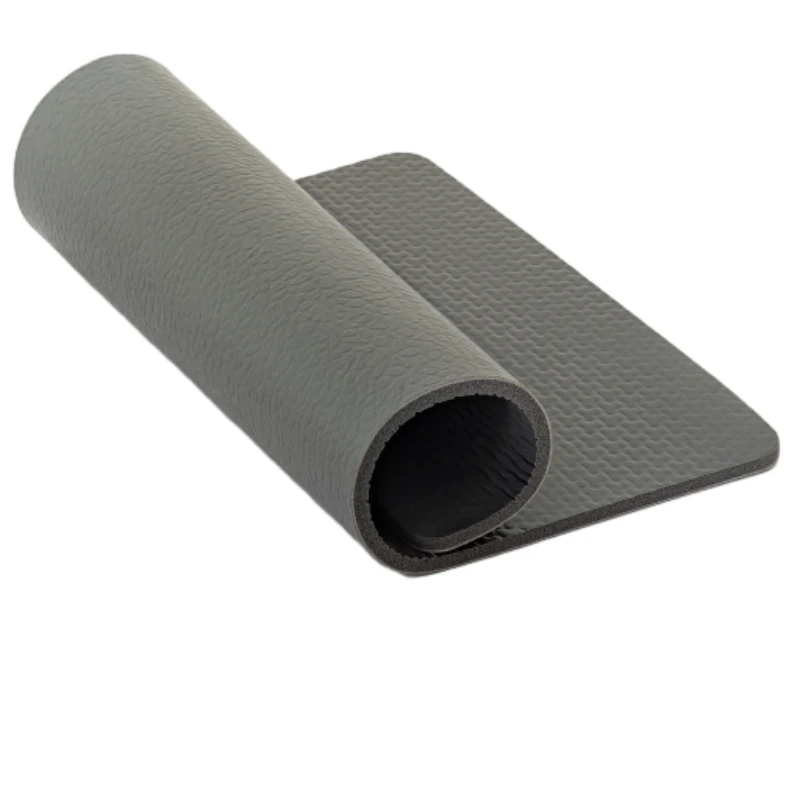
The "Gem Pattern" surface design is engineered to enhance grip and improve ball bounce consistency, contributing to a superior playing experience while maintaining aesthetic appeal.
Application Scenarios & Technical Advantages
The versatility and robust performance of modern outdoor sports flooring make it suitable for a wide array of applications, addressing the specific needs of various clients.
Key Application Scenarios:
- Public and Municipal Courts: Ideal for community centers, public parks, and recreational areas where high durability, low maintenance, and player safety are paramount.
- Educational Institutions: Schools and universities benefit from a resilient surface that can withstand daily heavy use from students, offering excellent shock absorption to reduce injury risk during physical education and competitive play. This addresses common concerns about what are outdoor basketball courts made of in school settings.
- Residential and Backyard Courts: For private residences, these tiles provide a professional-grade playing surface that enhances the value and usability of outdoor living spaces, offering a safe and enjoyable environment for families and friends.
- Multi-Sport Arenas: Their adaptability allows for conversion into multi-sport courts, supporting basketball, volleyball, and other activities, maximizing the utility of the facility.
Technical Advantages:
- Superior Shock Absorption: The inherent elasticity of rubber greatly reduces impact forces on players' joints and muscles, mitigating the risk of injuries during strenuous activity. This is a significant improvement over hard surfaces like concrete.
- Optimized Ball Bounce: Engineered to provide consistent and true ball bounce characteristics, essential for fair play and optimal basketball performance.
- High Slip Resistance: Even in wet conditions, the textured surface (e.g., Gem Pattern) maintains high friction, providing excellent grip and preventing slips and falls. This is crucial for safety in varying weather.
- Exceptional Weather and UV Resistance: Formulated with UV stabilizers and high-quality EPDM, these tiles resist fading, cracking, and degradation from prolonged exposure to sunlight, rain, snow, and extreme temperatures.
- Durability & Longevity: Designed to withstand heavy foot traffic, consistent athletic use, and the rigors of outdoor environments, ensuring a long operational life with minimal wear.
- Low Maintenance: Easy to clean with simple washing or sweeping, requiring no specialized treatments or coatings, which significantly reduces operational costs.
- Environmental Benefits: Many products incorporate recycled rubber content, contributing to sustainable building practices and reducing landfill waste.
Vendor Comparison: Evaluating Outdoor Court Surfaces
When considering outdoor basketball court surfacing, various options exist, each with distinct advantages and disadvantages. A comparative analysis helps in selecting the most appropriate solution based on project requirements, budget, and desired performance characteristics.
Comparison Table: Outdoor Basketball Court Surfaces
This comparison highlights the superior characteristics of rubber tiles, especially for long-term investment, player safety, and minimal upkeep, making them a premium choice for facility owners focused on value and performance.
Customized Solutions & Application Case Studies
Beyond standard offerings, modern sports surfacing providers offer comprehensive customized solutions to meet unique project specifications, integrating client branding and functional requirements.
Tailored Solutions Include:
- Color Customization: A broad palette of EPDM granule colors allows for custom court designs, team colors, and intricate patterns, significantly enhancing visual appeal.
- Court Markings & Logos: Precision-cut lines and integrated corporate or institutional logos can be seamlessly incorporated into the flooring, providing a professional and branded playing environment.
- Specific Performance Requirements: For elite training facilities or specialized applications, adjustments to material density or thickness can be made to optimize force reduction, energy return, or ball rebound for specific sports.
- Design and Engineering Support: Comprehensive consultation services, including CAD design and engineering analysis, ensure that the chosen solution perfectly aligns with the client's vision and site constraints.
Application Case Study: University Sports Complex Renovation
A prominent university in the Midwest embarked on a renovation project for its outdoor sports complex, aiming to upgrade an aging asphalt basketball court. The existing surface suffered from extensive cracking, poor drainage, and inadequate shock absorption, leading to frequent player complaints and maintenance issues.
- Challenge: To replace a deteriorated asphalt court with a high-performance, durable, and aesthetically pleasing surface that would enhance player safety and reduce long-term maintenance.
- Solution: The university selected Outdoor Gem Pattern 5.0mm Sports Flooring in custom school colors (blue and gold). The modular nature of the tiles allowed for installation directly over a prepared sub-base, minimizing demolition and associated costs. Precision line markings for basketball and a university logo were integrated into the design.
- Results: The new court was completed within the projected timeline and budget. Player feedback was overwhelmingly positive, citing significant improvements in shock absorption, grip, and overall playing comfort. The vibrant colors and integrated logo enhanced the campus aesthetics, becoming a point of pride. Maintenance staff reported a dramatic reduction in cleaning and repair efforts. The project demonstrated how investing in quality rubber tiles for outdoor basketball court can yield substantial long-term benefits in terms of safety, performance, and operational efficiency. The court has now been in continuous heavy use for five years without any signs of material degradation or performance decline, far exceeding the lifespan of the previous asphalt surface.
Trust & Reliability: FAQ, Lead Times, Warranty, and Support
Building long-term client relationships in the B2B sector relies heavily on transparency, clear commitments, and robust support systems. Our dedication to trustworthiness ensures client satisfaction from initial inquiry to post-installation support.
Frequently Asked Questions (FAQ):
- Q1: How long do your outdoor rubber basketball court tiles last?
- A1: Our Outdoor Gem Pattern 5.0mm Sports Flooring is engineered for exceptional durability, with an expected service life of 8-15 years under normal usage conditions and proper maintenance. This lifespan is supported by extensive UV stabilization and high-grade material composition.
- Q2: Are these tiles suitable for extreme weather conditions?
- A2: Yes, our tiles are designed to perform reliably in a broad temperature range from -30°C to +70°C. Their EPDM content provides excellent resistance to UV radiation, rain, and snow, preventing cracking, fading, and degradation.
- Q3: What kind of sub-base is required for installation?
- A3: The tiles require a solid, level, and well-drained sub-base, such as concrete or asphalt. Proper sub-base preparation is crucial for optimal performance and longevity of the court. We provide detailed installation guidelines and technical support.
- Q4: How do the rubber tiles affect ball bounce and player comfort?
- A4: Our tiles are specifically engineered to provide consistent and true ball bounce, meeting athletic standards. The material's inherent elasticity offers superior shock absorption (≥ 25% force reduction), significantly enhancing player comfort and reducing impact stress on joints.
- Q5: How environmentally friendly are these products?
- A5: We prioritize sustainability. Our tiles often incorporate recycled SBR rubber crumbs, and all materials are free from heavy metals and harmful chemicals, adhering to REACH and RoHS standards. They are designed for long life, reducing the need for frequent replacement.
Lead Time & Fulfillment Details:
Standard production lead times for our Outdoor Gem Pattern 5.0mm Sports Flooring typically range from 3-5 weeks, depending on order volume and customization requirements. Expedited options may be available upon request. We coordinate closely with clients for efficient logistics, offering global shipping solutions and providing detailed tracking information. For large-scale projects, we recommend early engagement to ensure timely material delivery and project completion. Our dedicated project managers oversee the entire fulfillment process, from order confirmation to delivery.
Warranty Commitments:
We stand behind the quality and performance of our products. The Outdoor Gem Pattern 5.0mm Sports Flooring comes with a comprehensive 8-year manufacturer's warranty against defects in materials and workmanship. This warranty covers issues such as premature wear, significant fading, or structural integrity failures under normal use and recommended installation procedures. Full warranty details are available upon request and are provided with every purchase agreement.
Customer Support & After-Sales Service:
Our commitment to our clients extends far beyond the point of sale. We provide robust after-sales support, including technical assistance for installation, maintenance guidance, and prompt resolution of any product-related inquiries. Our customer support team can be reached via email at sales@langningsports.com or by phone during business hours. We offer detailed installation manuals, video tutorials, and direct access to technical specialists to ensure optimal performance and longevity of your investment. Our goal is to ensure complete satisfaction and provide a seamless experience throughout the product's entire lifecycle.
Conclusion
The selection of the right outdoor basketball court surface is a strategic investment in player safety, performance, and facility longevity. Rubber tiles for outdoor basketball court, particularly advanced solutions like the Outdoor Gem Pattern 5.0mm Sports Flooring, represent the pinnacle of modern sports surfacing technology. By offering unparalleled durability, superior shock absorption, excellent slip resistance, and aesthetic versatility, these materials address the multifaceted demands of contemporary sports facilities. Investing in such high-quality solutions ensures a vibrant, safe, and low-maintenance playing environment for years to come, affirming a commitment to athletic excellence and sustainable infrastructure.
References
- ASTM International. (2020). ASTM F2772 - Standard Specification for Athletic Performance Properties of Indoor Sports Surfaces. ASTM International.
- European Committee for Standardization. (2014). EN 14877 - Surfaces for sports areas – Specifications for synthetic outdoor sports surfaces. CEN.
- Grand View Research. (2023). Sports Flooring Market Size, Share & Trends Analysis Report. Grand View Research.
- International Organization for Standardization. (Various). ISO 9001 (Quality Management Systems), ISO 14001 (Environmental Management Systems), and relevant material testing standards (e.g., ISO 37, ISO 2781, ISO 7619-1).
-
Premium Outdoor Dance Floor for Sale Professional Event SurfacesNewsApr.16,2026
-
Premium Professional White Dance Floor for Sale and Buying GuideNewsApr.09,2026
-
Find Your Perfect Portable Dance Floor for Sale and Create Unforgettable EventsNewsApr.07,2026
-
Find High Quality Dance Flooring for Sale and Expert GuidanceNewsApr.04,2026
-
Comprehensive Guide to Durable Commercial Vinyl Solutions for BusinessesNewsMar.31,2026
-
Comprehensive Commercial Flooring Management for Business LongevityNewsMar.28,2026
-
Comprehensive Guide to Selecting the Right Commercial Flooring MaterialsNewsMar.26,2026