


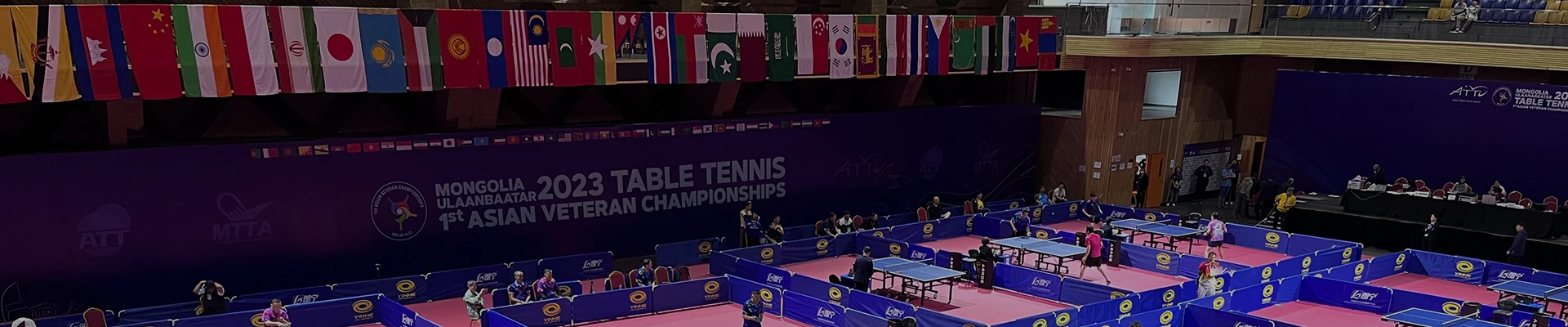
Durable Rubber Tiles for Outdoor Basketball Court Play.
Industry Trends and the Evolution of Outdoor Sports Surfaces
The global demand for high-performance outdoor sports surfaces continues its upward trajectory, driven by increasing participation in recreational sports, urban development initiatives, and a greater emphasis on player safety and sustainability. Traditional hard courts, while durable, often present limitations in terms of impact absorption, drainage, and ease of maintenance. This has fueled innovation in modular sports surfacing, with a particular focus on engineered solutions like rubber tiles for outdoor basketball court applications.
Modern sports facility planners and B2B decision-makers are increasingly prioritizing materials that offer superior playability, reduce injury risk, and withstand diverse environmental conditions. The market has seen a shift towards modular systems, which provide flexibility in installation and replacement, making them highly attractive for both permanent installations and temporary event setups. This evolution addresses critical concerns such as surface longevity, UV resistance, and consistent performance across varying temperatures, differentiating advanced solutions from older asphalt or concrete foundations.
Innovations in polymer science have led to the development of sophisticated interlocking tiles, often referred to as plastic basketball court tiles or composite materials that emulate the best properties of rubber. These materials offer enhanced durability, aesthetic versatility, and ease of installation, making them a preferred choice for residential backyard basketball court tiles as well as professional-grade facilities. Understanding these trends is crucial for selecting a surfacing solution that aligns with contemporary performance and operational standards.
Precision Engineering: The Manufacturing Process of Outdoor Rubber Tiles
The production of high-performance rubber tiles for outdoor basketball court applications involves a meticulous, multi-stage manufacturing process designed to ensure material integrity, dimensional stability, and optimal performance. This section outlines the typical process flow:
1. Material Sourcing & Preparation
High-grade virgin polypropylene (PP) or engineered thermoplastic elastomers (TPE) are precisely selected. These polymers are blended with UV stabilizers, color pigments, and anti-aging additives to enhance durability and weather resistance. For some rubberized variants, recycled rubber granules (SBR or EPDM) are combined with polyurethane binders.
2. Injection Molding/Compression Molding
The prepared raw material is fed into high-precision injection molding machines. Under specific temperatures and pressures, the molten polymer is injected into meticulously designed molds to form individual tiles with precise dimensions, interlocking mechanisms, and surface patterns (e.g., gem pattern). Compression molding is used for rubber crumb tiles.
3. Cooling & Curing
After molding, tiles are rapidly cooled to set their shape and minimize warping. For rubberized composites, a controlled curing process ensures the binder achieves optimal strength and elasticity, enhancing the tile's structural integrity and shock absorption properties.
4. Quality Control & Testing
Each batch undergoes rigorous testing. This includes dimensional accuracy checks (e.g., ANSI standards for tolerance), impact attenuation (ASTM F1292 for playgrounds, relevant for sports safety), slip resistance (ASTM F1677), UV stability (accelerated weathering tests), and material hardness (Shore A/D). ISO 9001 certified manufacturing ensures consistent quality.
5. Surface Treatment & Packaging
Some tiles may receive additional surface treatments for enhanced anti-glare or specialized finishes. Finally, tiles are stacked, shrink-wrapped, and prepared for shipping, often arranged in configurations optimized for container111 loading.
The typical service life for properly installed and maintained rubber tiles for outdoor basketball court applications ranges from 8 to 15 years, depending on material composition and usage intensity. Target industries for these advanced flooring solutions include municipal sports complexes, educational institutions (schools, universities), commercial fitness centers, and residential property developers. Advantages in typical application scenarios include significant energy saving in maintenance over traditional surfaces due to their modular nature and easy repair, as well as superior resistance to environmental degradation compared to less specialized materials. While direct corrosion resistance isn't a primary factor for polymer tiles, their chemical inertness provides excellent resistance against common spills and environmental pollutants.
Technical Specifications: Outdoor Gem Pattern 5.0mm Sports Flooring
For B2B clients evaluating outdoor surfacing solutions, detailed technical specifications are paramount. Our Outdoor Gem Pattern 5.0mm Sports Flooring represents a leading option for high-performance outdoor courts. This product exemplifies the advanced engineering found in modern rubber tiles for outdoor basketball court systems.
| Parameter | Specification |
|---|---|
| Material Composition | High-grade UV-stabilized Polypropylene (PP) with specialized elasticizers |
| Tile Thickness | 5.0 mm (+/- 0.2mm) |
| Tile Dimensions | 250 mm x 250 mm (approx. 9.84" x 9.84") |
| Tile Weight | 280 g (approx. 0.62 lbs) per tile |
| Surface Pattern | Gem Pattern (multi-directional traction for grip and drainage) |
| UV Resistance | Excellent (Rated for over 10 years of direct outdoor exposure without significant degradation or color fade) |
| Temperature Range | -30°C to +70°C (-22°F to +158°F) |
| Shock Absorption | ~30-35% (Meets EN 14877 for sports surfaces, reducing joint impact) |
| Slip Resistance (Dry/Wet) | Meets DIN 51130 R10/R11 (Ensures player safety under various conditions) |
| Fire Rating | Bfl-s1 (European Standard, limited flame spread, low smoke production) |
| Load Bearing Capacity | >2000 kg/m² (Designed for heavy foot traffic and equipment) |
| Warranty | 8 Years limited warranty for manufacturing defects and UV degradation |
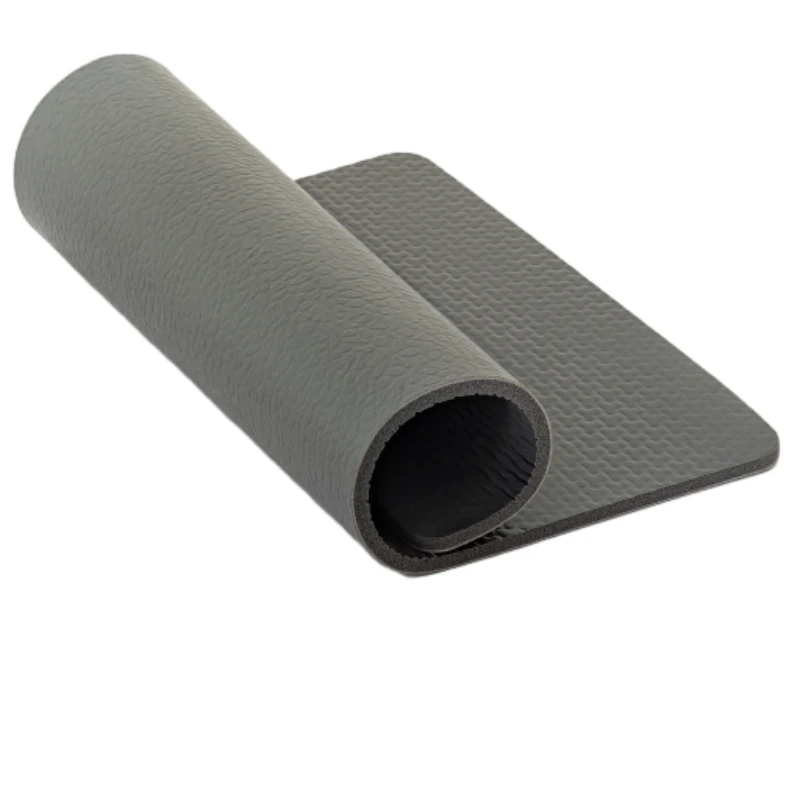
Fig 1: Illustrative example of high-performance rubber tiles for outdoor basketball court installation.
These specifications underscore the product's suitability for demanding outdoor environments, ensuring player safety, consistent ball bounce, and long-term durability, making it an ideal choice for both professional and recreational sports facilities. Understanding "what are outdoor basketball courts made of" typically involves evaluating similar high-grade polymers and composites.
Versatile Application Scenarios for Modular Sports Flooring
The modular design and robust properties of modern sports tiles, including advanced rubber tiles for outdoor basketball court systems, enable a broad spectrum of applications beyond just basketball. Their adaptability makes them a preferred choice for various outdoor recreational and competitive environments.
- Dedicated Basketball Courts: From professional training facilities to community parks, these tiles provide optimal ball bounce, traction, and shock absorption essential for the sport. They effectively answer the question, "what is an outdoor basketball court made of?" by offering a superior alternative to traditional asphalt or concrete.
- Multi-Sport Arenas: Their durable, low-maintenance nature makes them ideal for courts that host basketball, volleyball, tennis, and even roller sports, maximizing utility and investment return.
- Educational Institutions: Schools and universities benefit from safe, vibrant, and durable surfacing for their outdoor athletic programs and recreational areas, reducing injury risks for students.
- Residential Backyard Basketball Court Tiles: Homeowners seeking to install a high-quality, long-lasting court benefit from the ease of installation and aesthetic options provided by modular tiles.
- Temporary Event Flooring: The interlocking design allows for rapid installation and disassembly, making these tiles perfect for sports tournaments, festivals, or temporary event spaces requiring a resilient and attractive surface.
- Playgrounds and Recreational Parks: While specific impact absorption requirements differ, the durability and safety features make certain variants suitable for general play areas, enhancing public amenity spaces.
The inherent versatility and performance characteristics of these flooring systems make them a strategic investment for any entity seeking to develop or upgrade outdoor sports infrastructure.
Technical Advantages Over Traditional Surfacing
Compared to conventional outdoor court surfaces like asphalt, concrete, or acrylic overlays, engineered rubber tiles for outdoor basketball court applications offer a suite of technical advantages that address critical performance, safety, and operational considerations.
- Superior Shock Absorption: The inherent elasticity of polypropylene and specialized polymers significantly reduces impact on players' joints and ligaments (e.g., 30-35% shock absorption rate), leading to decreased fatigue and a lower risk of long-term injury compared to rigid surfaces.
- Optimal Drainage System: Modular tiles feature a suspended design and perforated structure, allowing water to drain quickly and efficiently underneath the playing surface. This eliminates standing water, minimizes slip hazards, and allows for play shortly after rain, enhancing court usability.
- Enhanced Slip Resistance: Engineered surface patterns, such as the gem pattern, provide multi-directional traction, ensuring consistent grip for players even in damp conditions, surpassing the slip resistance of many painted hard courts.
- Exceptional Durability and UV Stability: Formulated with advanced UV inhibitors, these tiles resist degradation, fading, and brittleness from prolonged sun exposure, extending the court's aesthetic appeal and structural integrity far beyond that of typical painted surfaces.
- Low Maintenance Requirements: Unlike cracked asphalt or faded acrylics that require frequent resurfacing, modular tiles only need occasional cleaning. Individual damaged tiles can be easily replaced without affecting the entire court, translating to significant operational cost savings.
- Rapid and Cost-Effective Installation: The interlocking design allows for quick installation by a smaller crew, significantly reducing labor costs and project timelines compared to poured or multi-layer acrylic systems that demand specific curing times.
- Thermal Expansion Management: The modular structure inherently accommodates thermal expansion and contraction, preventing cracking, buckling, or delamination that plague monolithic surfaces in fluctuating temperatures.
- Environmental Sustainability: Many manufacturers incorporate recycled content and ensure products are 100% recyclable at the end of their service life, aligning with modern green building and sustainability initiatives.
These advantages collectively position modular sports flooring as a superior, long-term investment for any outdoor court project, prioritizing performance, safety, and operational efficiency.
Vendor Comparison: Evaluating Outdoor Basketball Court Surfacing Options
When selecting the ideal surfacing for an outdoor basketball court, B2B clients face a critical decision among various material options. This comparison focuses on distinct types of surfacing materials often used, evaluating their performance against the high standards set by modern rubber tiles for outdoor basketball court systems.
| Feature/Material | Modular PP/TPE Tiles (e.g., Rubber Tiles) | Acrylic Hard Courts (on Asphalt/Concrete) | Asphalt/Concrete (Bare) |
|---|---|---|---|
| Initial Cost (per sq. ft.) | Medium to High (depending on brand/thickness) | Medium | Low |
| Lifecycle Cost | Low (minimal maintenance, long lifespan) | Medium to High (periodic resurfacing/repairs) | High (frequent cracking, weed growth, major repairs) |
| Shock Absorption | Excellent (30-35% reduction) | Poor to Medium (can be improved with cushion layers) | Very Poor (minimal) |
| Drainage | Excellent (suspended, flow-through design) | Requires sloped base, puddling possible | Requires sloped base, significant puddling |
| Installation Time | Fast (hours to days for standard court) | Moderate to Long (days to weeks, curing time) | Long (base prep, pouring, curing) |
| Maintenance | Low (sweep, occasional hose down, single tile replacement) | Medium (cleaning, crack repair, periodic resurfacing) | High (crack filling, power washing, weed control) |
| Lifespan | 8-15+ years | 5-10 years (with resurfacing) | 2-5 years (without significant cracking/degradation) |
| UV Resistance | Excellent (engineered UV inhibitors) | Good (topcoats) but can fade/chalk over time | Poor (cracks, degrades, discolors) |
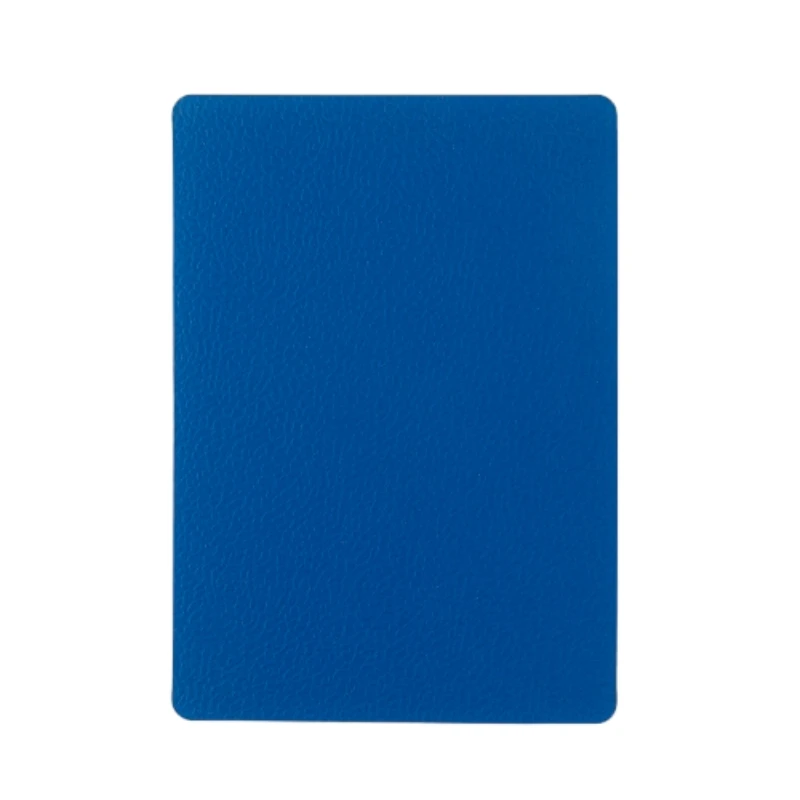
Fig 2: A side-by-side comparison illustrating different types of outdoor court surfaces, highlighting the modularity of modern rubber tiles for outdoor basketball court systems.
This comparison clearly illustrates that while initial costs for modular tiles may be higher than bare asphalt or concrete, their superior performance, safety features, lower lifecycle costs, and ease of maintenance position them as the optimal choice for long-term value and playability. The trend towards plastic basketball court tiles or composite tile solutions reflects a move away from the limitations of traditional materials.
Customized Solutions and Tailored Court Designs
Recognizing that every project has unique requirements, providers of high-quality rubber tiles for outdoor basketball court installations offer extensive customization options. This flexibility allows B2B clients to create courts that are not only high-performing but also visually distinct and branded.
- Color Palettes: A wide array of standard and custom colors allows for precise matching with corporate branding, school colors, or architectural aesthetics. Multi-color court designs are easily achievable by combining different colored tiles.
- Custom Court Markings: Permanent or removable line markings for basketball, volleyball, tennis, or multi-sport layouts can be integrated directly into the tile design or applied post-installation using specialized paints that adhere well to the tile material.
- Logo Integration: Custom logos, emblems, or text can be incorporated into the court design using specialized tile arrangements or by applying durable, weather-resistant decals. This is particularly valuable for institutional, corporate, or sponsored courts.
- Edge Ramps and Transitions: To ensure safety and accessibility, specialized edge ramps and corner pieces are available to create smooth transitions from the tiled surface to surrounding areas, preventing trip hazards.
- Multi-Sport Adaptability: Beyond basketball, the modular nature allows for quick conversion to other sports by simply changing markings or adding/removing temporary equipment, maximizing the utility of the space.
- Sub-base Requirements: While modular tiles can be laid over existing flat concrete or asphalt, guidance on optimal sub-base preparation (drainage, leveling) is provided to ensure maximum performance and longevity.
This focus on customization ensures that the final court not only meets technical performance criteria but also serves as a visually appealing and functional asset for the client.
Application Case Studies: Real-World Performance
Illustrating the practical benefits of advanced sports surfacing, these case studies demonstrate the successful deployment and long-term advantages of rubber tiles for outdoor basketball court projects across various sectors.
Case Study 1: Municipal Community Sports Complex Revitalization
Client: City of Springfield Parks & Recreation Department
Challenge: The city's main outdoor basketball courts, made of aging asphalt with acrylic overlay, suffered from extensive cracking, poor drainage, and required annual repainting. This led to frequent closures, safety concerns, and high maintenance costs.
Solution: The department opted to replace three full-sized courts with Outdoor Gem Pattern 5.0mm Sports Flooring tiles. The existing asphalt was patched and leveled, and the modular tiles were installed directly over it, utilizing their superior drainage and shock absorption. The project included custom line markings for basketball and volleyball.
Results: Installation was completed in less than one week, minimizing disruption to the community. The new courts now offer exceptional playability with significantly reduced player impact. Drainage issues were eliminated, allowing immediate post-rain use. Maintenance costs have plummeted, and citizen feedback highlighted the improved safety and vibrant aesthetics of the new courts. The tiles have maintained their color and structural integrity through two harsh winters and hot summers, exceeding expectations.
Case Study 2: University Campus Recreation Upgrade
Client: Academic Affairs, State University Athletics Department
Challenge: The university sought to upgrade its outdoor recreational facilities to attract and retain students, enhance campus life, and provide a safer environment for intramural sports. Existing concrete courts were hard, unforgiving, and prone to moss growth, making them slippery.
Solution: One multi-sport court and two basketball-specific courts were resurfaced using modular rubber tiles for outdoor basketball court, selected for their shock absorption and anti-slip properties. Custom university colors were chosen for the court layout, and the university logo was integrated into the center court design. The project timeline was critical as installation had to occur between academic semesters.
Results: The rapid installation of the interlocking tiles allowed the project to be completed within the tight summer break. Student athletes reported a noticeable improvement in play comfort and reduced fatigue. The vibrant, branded courts became a popular campus hub, fostering greater student engagement in outdoor sports. The ease of cleaning and minimal maintenance required by the tiles freed up groundskeeping staff for other tasks, contributing to operational efficiency.
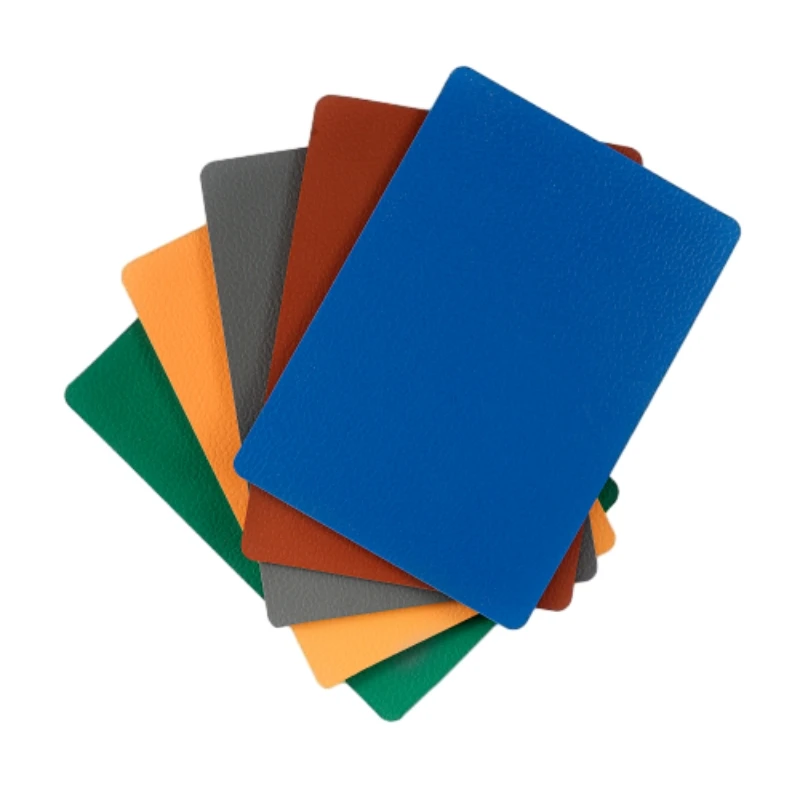
Fig 3: A dynamic application of rubber tiles for outdoor basketball court in a community setting, demonstrating color versatility and robust design.
Trustworthiness & Client Support: FAQs, Lead Times, Warranty
Frequently Asked Questions (FAQs)
A1: Traditionally, outdoor basketball courts are made of asphalt or concrete with an acrylic topcoat. Modern solutions increasingly utilize engineered modular tiles, often made from high-grade polypropylene or specialized composite polymers, sometimes referred to as plastic basketball court tiles or rubber tiles for outdoor basketball court applications, offering superior performance, safety, and longevity.
A2: Installation is remarkably straightforward compared to poured surfaces. The interlocking tile system allows for rapid assembly over any flat, stable sub-base (concrete, asphalt). No special adhesives or complex tools are typically required, making it suitable for both professional installation teams and competent DIY projects, especially for backyard basketball court tiles.
A3: Maintenance is minimal. Regular sweeping or blowing to remove debris is usually sufficient. For deeper cleaning, a simple hose-down with water and mild detergent is effective. Unlike traditional courts, modular tiles do not require resurfacing or repainting, significantly reducing long-term maintenance efforts and costs.
A4: Yes, high-quality outdoor sports tiles are engineered with UV stabilizers and designed to withstand extreme temperature fluctuations (e.g., -30°C to +70°C). Their modular design accounts for thermal expansion and contraction, preventing cracking or warping in diverse climatic conditions.
Lead Time & Fulfillment
Standard orders for our Outdoor Gem Pattern 5.0mm Sports Flooring typically have a lead time of 2-4 weeks for production, depending on order volume and customization requirements. Shipping times will vary based on destination and chosen freight method. We maintain robust logistics partnerships to ensure timely and efficient delivery worldwide. For large-scale projects or urgent requirements, expedited production and shipping options may be available upon request. Our team provides comprehensive fulfillment tracking from order placement to final delivery.
Warranty Commitments
We stand by the quality and durability of our products. The Outdoor Gem Pattern 5.0mm Sports Flooring comes with an 8-year limited warranty, covering manufacturing defects and significant UV degradation under normal outdoor use. This warranty underscores our confidence in the product's performance and longevity, offering peace of mind to our B2B clients.
Customer Support and After-Sales Service
Our commitment to client success extends beyond the initial purchase. We offer comprehensive customer support, including technical assistance for installation guidance, maintenance best practices, and troubleshooting. Our dedicated team is available via phone and email during business hours to address any inquiries or concerns, ensuring maximum satisfaction and optimal performance of your investment.
Authoritative References
- American Society for Testing and Materials (ASTM International). (2023). ASTM F1292-22: Standard Specification for Impact Attenuation of Surfacing Materials Within the Use Zone of Playground Equipment. Retrieved from www.astm.org
- International Organization for Standardization (ISO). (2023). ISO 9001:2015: Quality management systems – Requirements. Retrieved from www.iso.org
- European Committee for Standardization (CEN). (2018). EN 14877: Surfaces for sports areas – Specifications for synthetic outdoor sports surfaces. Retrieved from www.cen.eu
- Deutsches Institut für Normung (DIN). (2019). DIN 51130: Testing of floor coverings – Determination of the anti-slip properties – Working areas and workrooms with slip hazard – Walking method – Ramps with adjustable inclination. Retrieved from www.din.de
- Sports & Play Industry Association (SFIA). (2022). State of the Industry Report. Retrieved from www.sfia.org
-
Premium Outdoor Dance Floor for Sale Professional Event SurfacesNewsApr.16,2026
-
Premium Professional White Dance Floor for Sale and Buying GuideNewsApr.09,2026
-
Find Your Perfect Portable Dance Floor for Sale and Create Unforgettable EventsNewsApr.07,2026
-
Find High Quality Dance Flooring for Sale and Expert GuidanceNewsApr.04,2026
-
Comprehensive Guide to Durable Commercial Vinyl Solutions for BusinessesNewsMar.31,2026
-
Comprehensive Commercial Flooring Management for Business LongevityNewsMar.28,2026
-
Comprehensive Guide to Selecting the Right Commercial Flooring MaterialsNewsMar.26,2026