


Why choose pp tiles for badminton court—durable, anti-slip?
Are PP tiles finally the smart play for serious badminton courts?
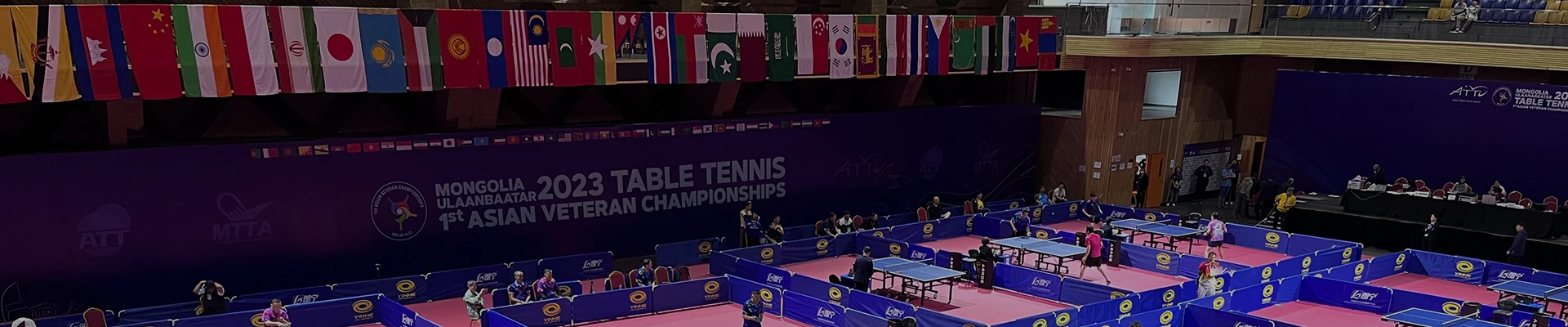
Short answer: yes—when they’re well-engineered. I’ve been visiting facilities that swapped cracked concrete and tired acrylic for pp tiles for badminton court builds, and the feedback is surprisingly consistent: better drainage, safer footwork, less downtime after rain. Not magic—just smart materials and pragmatic design.
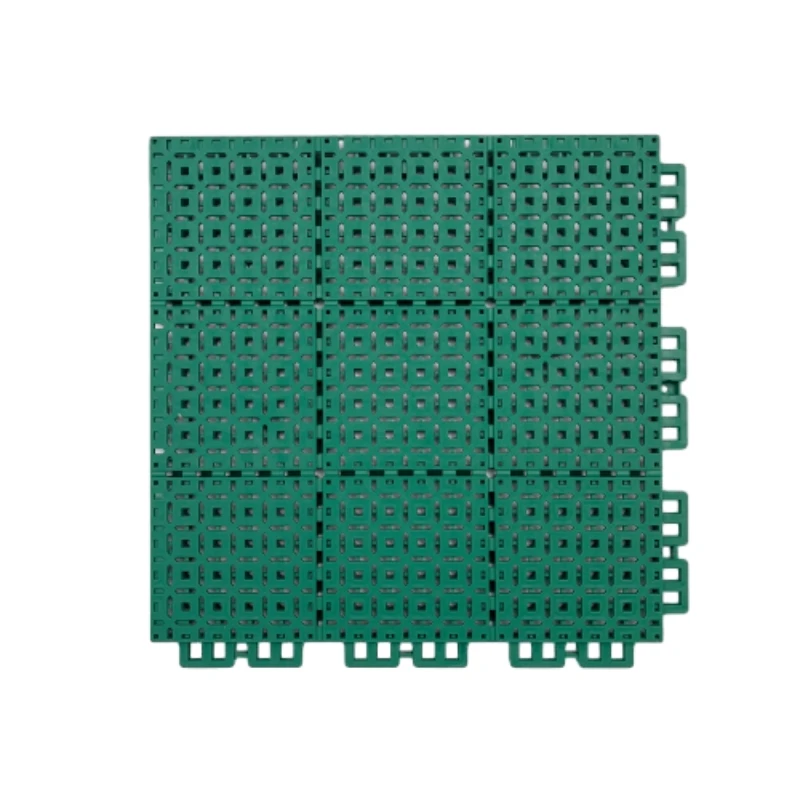
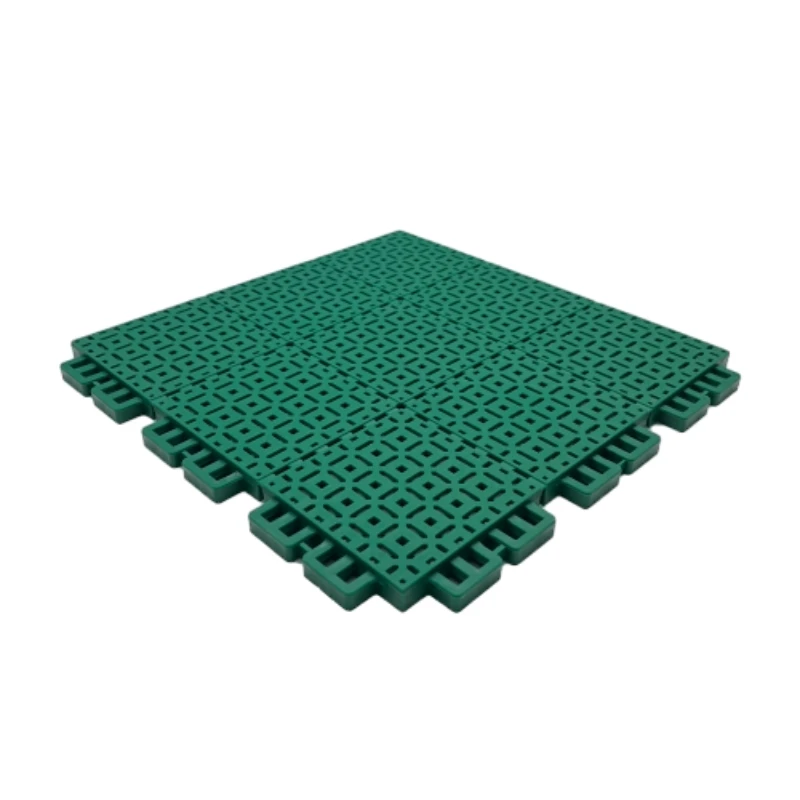
Case in point, the N300 Outdoor Sports Court Tiles. N300 is a PP-based composite thermoplastic elastomer system, independently developed and manufactured in Hebei, China (Room 604, West Tower, Baichuan Building, No.138 Jianhua North Street, Chang'an District, Shijiazhuang). On site, it feels slightly cushioned yet snappy—good for shuttles and ankles alike, which is exactly what coaches keep asking me for.
What’s driving the shift
Trends first: modular courts are rising across schools, clubs, and municipal projects. Reasons? Faster installs, line repainting in hours not days, and fewer puddles. Also, budgets. A well-built pp tiles for badminton court surface spreads cost over 8–10 years of outdoor life, and maintenance is basically a hose + broom routine.
N300 at a glance: specs that matter
| Material | Modified PP + TPE composite, UV-stabilized |
| Tile size / thickness | ≈ 250 × 250 mm / ≈ 13 mm (real-world use may vary) |
| Shock absorption (EN 14808) | 18–25% typical |
| Vertical deformation (EN 14809) | ≈ 2.0–2.8 mm |
| Ball rebound (EN 12235) | 90–95% on concrete base |
| Slip resistance (ASTM E303) | 55–75 BPN, wet |
| UV aging (ASTM G154) | ≥ 1,000 h no cracking; ΔE color shift controlled |
| Temperature range | -30°C to 70°C |
| Service life | 8–10 years outdoors with routine cleaning |
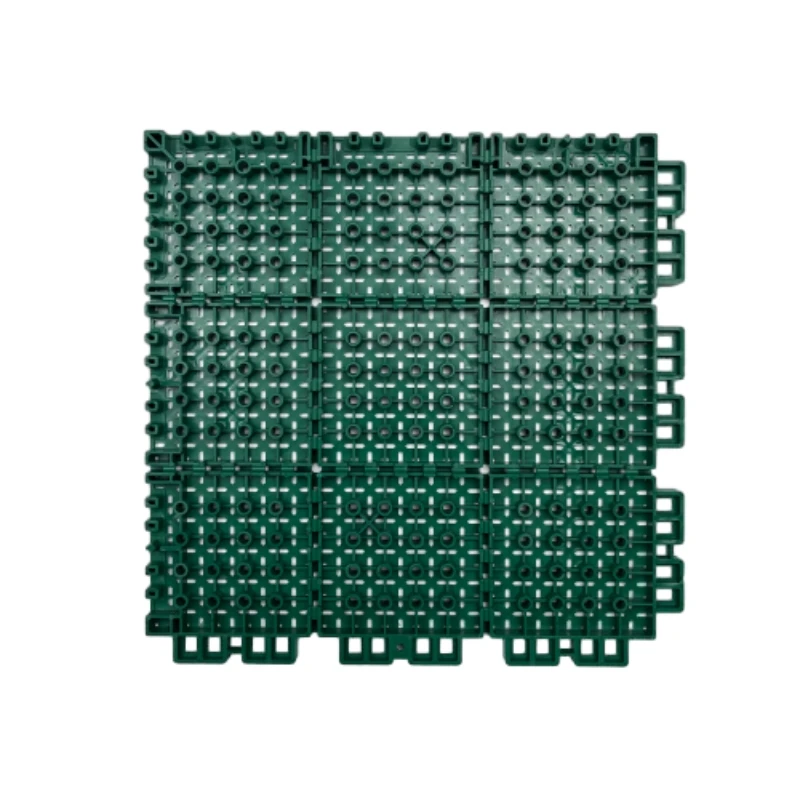
| Locking / drainage | 4-way interlock; high-flow perforation drains fast |
From resin to rally: how it’s made and tested
Materials: modified PP blended with elastomer for elasticity and toughness; UV masterbatch; anti-oxidants. Methods: precision injection molding, demolding, 100% visual inspection, random destructive pull tests on locks. Testing: shock absorption and deformation (EN 14808/14809), rebound (EN 12235), friction (ASTM E303), UV (ASTM G154). Certifications often include ISO 9001/14001 at the plant level, plus RoHS/REACH compliance on request. To be honest, the lock quality is what separates premium from headache.
Where it shines
- School yards and municipal multi-courts that need quick installs and easy repainting. - Rooftops and parking-deck conversions (lightweight, no adhesives). - Clubs in tropical climates—rain clears fast. - Temporary tournament courts; dismantle and reuse. Many customers say the surface “feels lively but safe,” which tracks with the lab data.
Quick vendor snapshot
| Vendor | Material / Core | Certs | Warranty | Lead time |
|---|---|---|---|---|
| Langning N300 | PP + TPE composite, UV stabilized | ISO 9001/14001; RoHS/REACH on request | Up to 5 years (site conditions apply) | ≈ 15–30 days |
| Vendor A (generic) | PP homopolymer | Basic QC; limited UV tests | 1–3 years | 20–45 days |
| Vendor B (premium) | PP copolymer + elastomer | Extensive EN/ASTM data | 5–8 years | 30–60 days |
Customization and install flow
Colors (team palettes), UV-stable line kits, logos, edge ramps, and anti-slip textures are available. Typical flow: base prep (clean, level, ≤3 mm variance), snap-lock install, thermal gaps around perimeter, line marking, quick QA walk. A community center we watched in Southeast Asia installed two courts in a day; coaches reported fewer slips and smoother split-steps within week one. That’s the real test for a pp tiles for badminton court build.
Bottom line
If you need resilient play, quick drainage, and realistic shuttle behavior, N300 is a solid, modern take on pp tiles for badminton court. It won’t fix a poorly prepared base—nothing will—but on a decent slab it’s a dependable, coach-approved upgrade.
References
- Badminton World Federation, Facilities Guidelines: Planning and Layout. https://corporate.bwfbadminton.com/facilities-equipment
- EN 14808/14809/12235 Outdoor Sports Surfaces Test Methods. https://standards.cencenelec.eu
- ASTM E303, Standard Test Method for Measuring Surface Frictional Properties Using the British Pendulum Tester. https://www.astm.org/e0303
- ASTM G154, UV Exposure of Nonmetallic Materials. https://www.astm.org/g0154
- ISO 9001 and ISO 14001 Quality and Environmental Management Systems. https://www.iso.org
-
Premium Outdoor Dance Floor for Sale Professional Event SurfacesNewsApr.16,2026
-
Premium Professional White Dance Floor for Sale and Buying GuideNewsApr.09,2026
-
Find Your Perfect Portable Dance Floor for Sale and Create Unforgettable EventsNewsApr.07,2026
-
Find High Quality Dance Flooring for Sale and Expert GuidanceNewsApr.04,2026
-
Comprehensive Guide to Durable Commercial Vinyl Solutions for BusinessesNewsMar.31,2026
-
Comprehensive Commercial Flooring Management for Business LongevityNewsMar.28,2026
-
Comprehensive Guide to Selecting the Right Commercial Flooring MaterialsNewsMar.26,2026