


Understanding Commercial Flooring Prices for Your Business Investment
Understanding Commercial Flooring Prices: A Comprehensive Guide
Navigating the world of commercial flooring prices can be complex. From selecting the right material to considering installation costs, several factors influence the final price tag. This article will break down these elements, providing a clear understanding of what to expect when investing in flooring for your business. We'll cover different flooring types, cost drivers, and tips for getting the best value for your money. Understanding these details is crucial for budgeting and making informed decisions.
Factors Influencing Commercial Flooring Prices
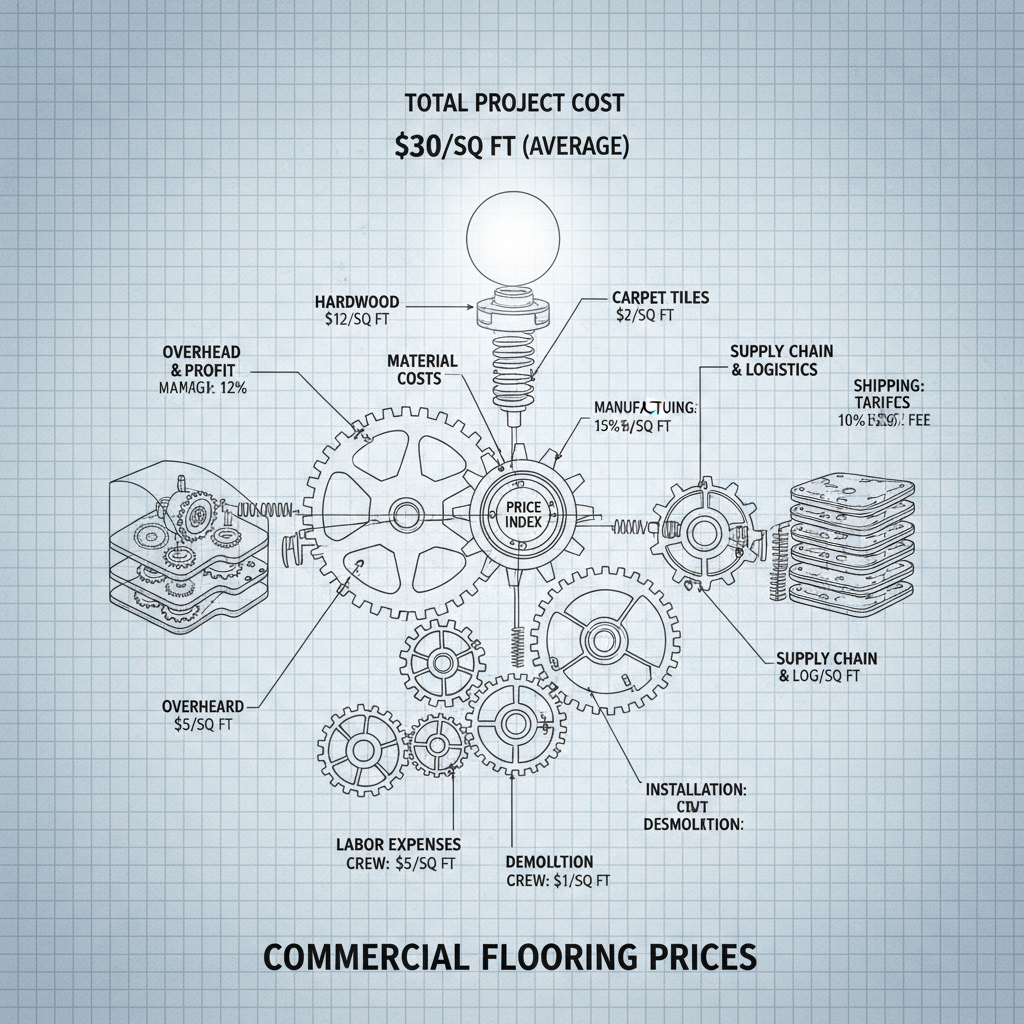
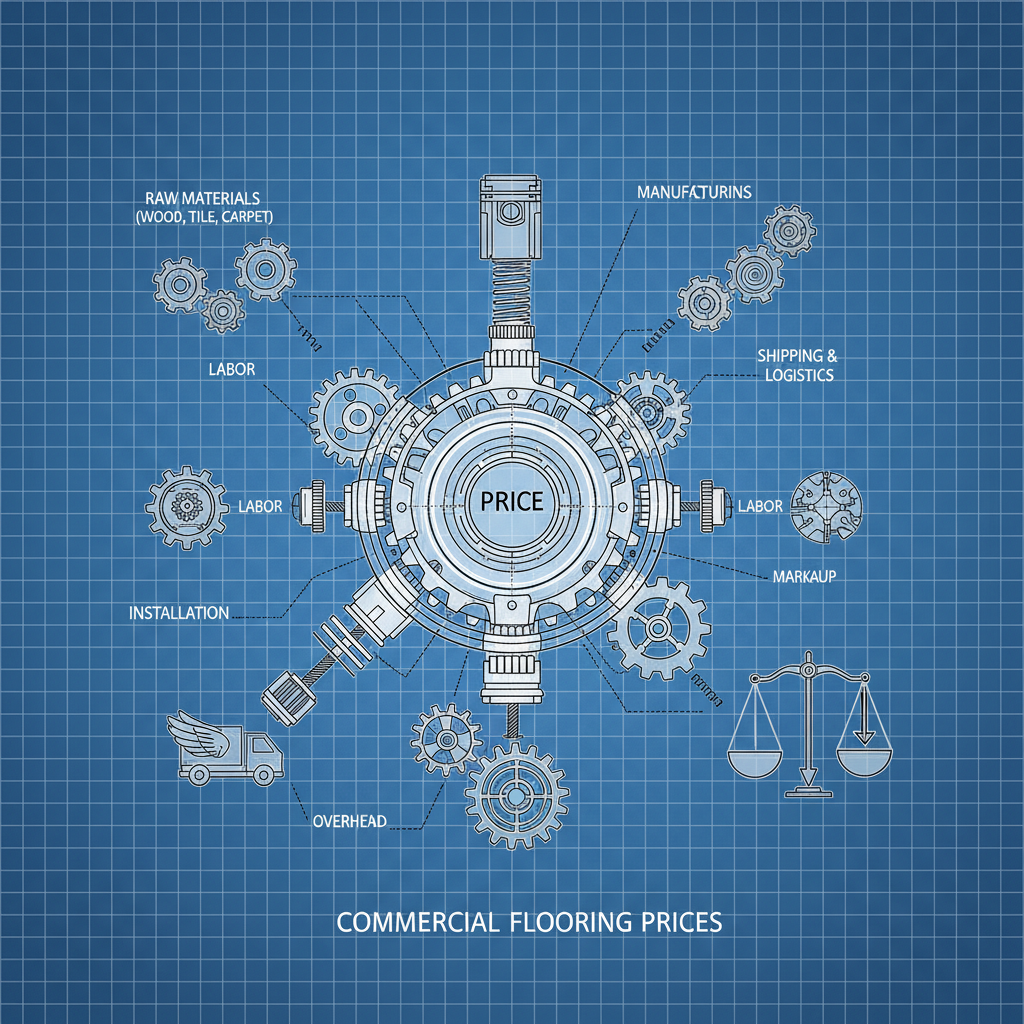
Several key factors impact the overall commercial flooring prices. The type of flooring chosen is the most significant determinant, with options ranging from budget-friendly vinyl to premium hardwood. Square footage is, of course, a primary consideration, and larger areas naturally equate to higher costs. Subfloor preparation is often overlooked, but it can add substantially to the price if repairs or leveling are necessary. Installation complexity, influenced by room shape and layout, also plays a role. Finally, labor costs vary depending on your location and the contractor you choose. Don’t forget to factor in potential ongoing maintenance costs.
Key Considerations: Careful planning and accurate measurements can help minimize unexpected costs. Obtaining multiple quotes from reputable contractors is also highly recommended.
A Breakdown of Common Commercial Flooring Types & Prices
Let's explore some popular commercial flooring options and their typical price ranges (per square foot, including installation). These prices are estimates and can vary based on specific project requirements. Langning Sports offers a wide range of options to suit different budgets and needs.
Installation Costs: What to Expect
Installation costs can vary significantly depending on the flooring type and the complexity of the project. Generally, installation adds between $2 and $8 per square foot to the total cost. Factors like removing existing flooring, moving furniture, and dealing with uneven subfloors will increase labor charges. It's essential to get a detailed quote from a qualified installer that breaks down all associated costs. Langning Sports can connect you with certified installers.
Comparing Flooring Options: Durability, Maintenance, and Cost
Choosing the right flooring involves weighing durability, maintenance requirements, and cost. For high-traffic areas, LVT and polished concrete offer excellent durability. Carpet tile provides comfort and noise reduction but requires regular cleaning. Sheet vinyl is affordable and easy to maintain but may be less durable than other options. Here’s a quick comparison to help you visualize the differences:
Flooring Comparison:
• Durability: Polished Concrete > LVT > Carpet Tile > Sheet Vinyl
• Maintenance: Sheet Vinyl > LVT > Polished Concrete > Carpet Tile
• Cost (Overall): Sheet Vinyl
Tips for Getting the Best Commercial Flooring Prices
To secure the most competitive commercial flooring prices, always obtain multiple quotes from different suppliers and installers. Be specific about your requirements and provide accurate measurements. Consider off-peak seasons for potential discounts. Don't hesitate to negotiate and ask about volume discounts. And finally, read reviews and check references before hiring an installer. Langning Sports is committed to offering transparent pricing and exceptional customer service.
Conclusion: Making an Informed Flooring Investment
Investing in commercial flooring is a significant decision. By understanding the various factors that influence commercial flooring prices, you can make an informed choice that aligns with your budget and business needs. Langning Sports is here to guide you through the process and help you find the perfect flooring solution.
Frequently Asked Questions (FAQs)
What is the typical lifespan of commercial flooring?
The lifespan of commercial flooring varies greatly depending on the material and level of traffic. Luxury vinyl tile/plank can last 10-20 years with proper care. Carpet tile typically lasts 5-10 years, while sheet vinyl may last 7-15 years. Polished concrete, when properly sealed, can last for decades. Regularly scheduled cleaning and maintenance are crucial for maximizing the lifespan of any commercial flooring option. Considering the long-term cost, a more durable but initially expensive flooring might prove more economical over time.
How much should I budget for subfloor preparation?
Subfloor preparation can add 10-20% to your overall flooring cost. The extent of preparation needed depends on the existing condition of the subfloor. If the subfloor is uneven, cracked, or damaged, it will need to be repaired or leveled before installing new flooring. A professional flooring installer will assess the subfloor and provide a detailed estimate for preparation work. Neglecting subfloor preparation can lead to flooring failure and costly repairs down the line.
Are there any hidden costs I should be aware of?
Yes, there are several potential hidden costs to consider. These include furniture removal and replacement, door trimming to accommodate new flooring, and disposal fees for old flooring. It’s also wise to factor in potential costs for adhesives, sealers, or transition strips. A thorough quote from a reputable contractor should itemize all costs to avoid surprises. Always ask for a comprehensive breakdown of all expenses before signing a contract.
How do I choose a commercial flooring installer?
Choosing a qualified installer is crucial for a successful flooring project. Look for installers with a proven track record and positive customer reviews. Verify their licensing and insurance. Ask for references and check their portfolio of completed projects. Get multiple quotes and compare their pricing and services. Ensure the installer provides a written contract outlining the scope of work, timeline, and payment terms. Langning Sports partners with trusted installers to provide quality workmanship.
-
Premium Outdoor Dance Floor for Sale Professional Event SurfacesNewsApr.16,2026
-
Premium Professional White Dance Floor for Sale and Buying GuideNewsApr.09,2026
-
Find Your Perfect Portable Dance Floor for Sale and Create Unforgettable EventsNewsApr.07,2026
-
Find High Quality Dance Flooring for Sale and Expert GuidanceNewsApr.04,2026
-
Comprehensive Guide to Durable Commercial Vinyl Solutions for BusinessesNewsMar.31,2026
-
Comprehensive Commercial Flooring Management for Business LongevityNewsMar.28,2026
-
Comprehensive Guide to Selecting the Right Commercial Flooring MaterialsNewsMar.26,2026