

- Afrikaans
- Arabic
- Belarusian
- Bengali
- Croatian
- Czech
- Danish
- Dutch
- English
- Estonian
- Finnish
- French
- Georgian
- German
- Greek
- hawaiian
- Hungarian
- Indonesian
- irish
- Italian
- Japanese
- kazakh
- Khmer
- Korean
- Kyrgyz
- Lao
- Latin
- Macedonian
- Malay
- Mongolian
- Myanmar
- Norwegian
- Persian
- Polish
- Portuguese
- Romanian
- Russian
- Serbian
- Spanish
- Swedish
- Tagalog
- Thai
- Turkish
- Turkmen
- Ukrainian
- Urdu
- Uzbek
- Vietnamese
- Zulu

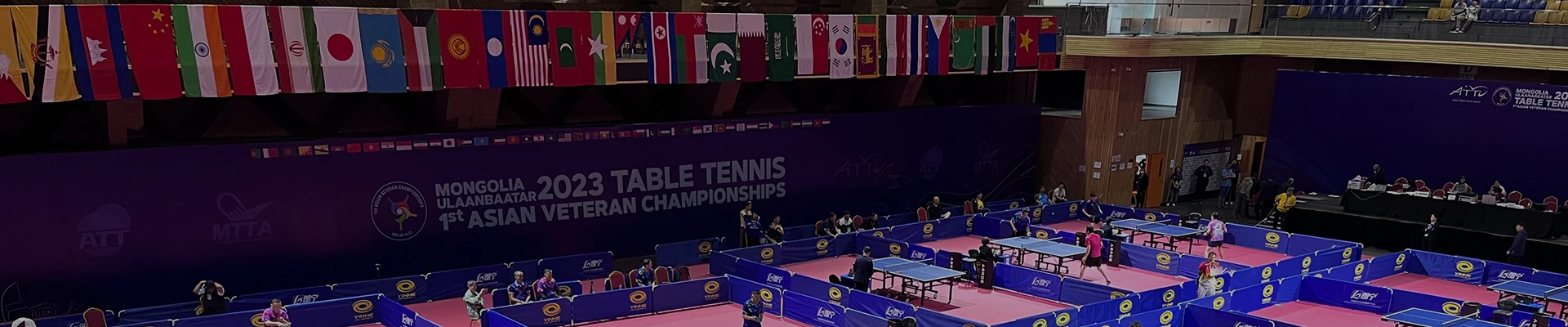
Safe & Soft Kindergarten Flooring: Best Materials & Mats
The Imperative of Specialized Early Childhood Flooring
In the dynamic and formative environments of early childhood education, the selection of appropriate flooring is not merely an aesthetic consideration but a critical decision impacting safety, hygiene, developmental support, and long-term operational efficiency. High-quality kindergarten flooring stands as a cornerstone in creating spaces that foster learning, play, and well-being. This comprehensive guide delves into the technical intricacies, market trends, and practical advantages of advanced flooring solutions designed specifically for kindergartens and preschools, providing B2B decision-makers with the insights needed to make informed investments.
The evolving landscape of educational infrastructure demands materials that not only meet stringent safety regulations but also offer sustainability, ease of maintenance, and design versatility. As educational institutions seek to optimize their facilities, understanding the nuanced specifications and benefits of specialized flooring materials becomes paramount.
Understanding Advanced Kindergarten Flooring: Materials and Composition
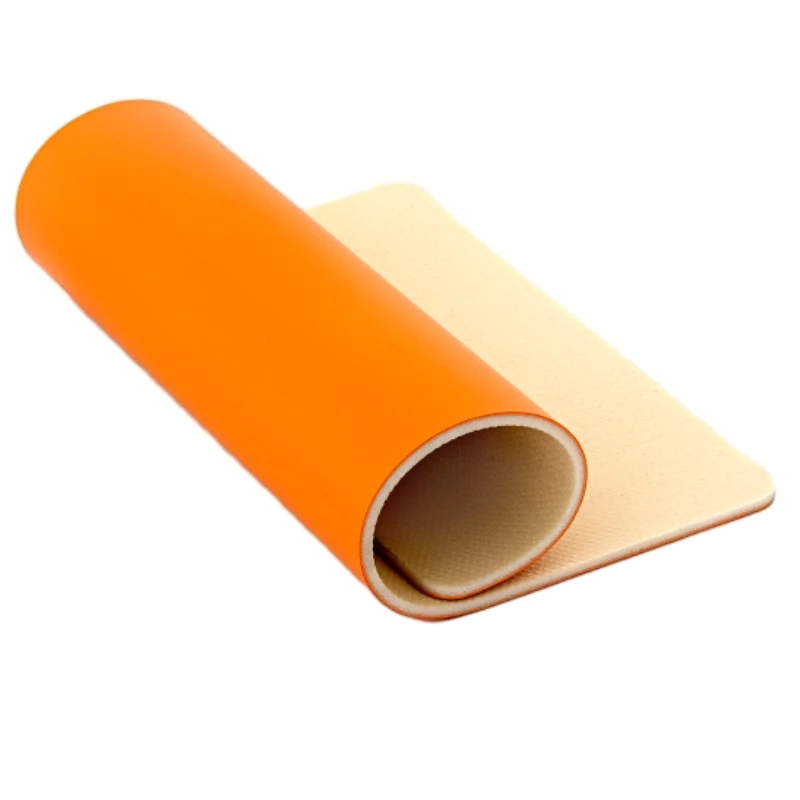
Modern kindergarten flooring solutions are engineered composites, typically leveraging the robust properties of polyvinyl chloride (PVC), rubber, or specialized linoleum formulations. The choice of material is dictated by a balance of durability, safety features, hygienic properties, and environmental considerations. For instance, high-grade PVC flooring, often referred to as resilient vinyl flooring, comprises multiple layers:
- Wear Layer: A transparent, highly durable layer, frequently enhanced with UV-cured polyurethane, providing exceptional resistance to scratches, scuffs, and stains. Its thickness directly correlates with the flooring's service life and resistance to heavy foot traffic.
- Print Layer: This layer houses the aesthetic design, offering a vast array of colors, patterns, and textures that can mimic natural materials or create vibrant, engaging environments. Advanced printing techniques ensure high-fidelity replication and long-lasting colorfastness.
- Core Layer: The primary structural component, typically made from compact PVC or a composite, providing dimensional stability, indentation resistance, and overall strength. This layer contributes significantly to the flooring's comfort underfoot and impact absorption.
- Backing Layer: Often a foam or non-woven textile backing, this layer improves acoustic insulation, provides additional comfort, and facilitates easier installation by adhering securely to the subfloor.
The 3.5mm thickness, as seen in products like Kindergarten Flooring 3.5mm, is a testament to the optimized balance between cushioning for fall protection and structural integrity for long-term use. This specification is crucial for mitigating the impact of falls, a primary concern in active children's environments.
The Manufacturing Process of Advanced Kindergarten Flooring
The production of high-performance kindergarten flooring involves a sophisticated multi-stage process, ensuring product consistency, durability, and adherence to international quality and safety standards such as ISO 9001 for quality management and ISO 14001 for environmental management. The typical manufacturing process includes:
1. Raw Material Sourcing & Preparation
Careful selection of virgin PVC resins, high-grade plasticizers (phthalate-free, compliant with REACH regulations), stabilizers, pigments, and fillers. Materials undergo stringent quality checks to ensure purity and consistency.
2. Compounding & Mixing
Precise blending of raw materials in industrial mixers to create a homogeneous compound. This stage is critical for achieving desired physical properties and color uniformity.
3. Calendering or Extrusion
The compound is fed into calendering machines (for sheet formation) or extruders (for continuous rolls). High pressure and controlled heat are applied to form individual layers (base, core, print, wear).
4. Multi-Layer Lamination
The individual layers are precisely combined and fused together under heat and pressure to create the multi-layered flooring structure. This step ensures optimal bonding and structural integrity.
5. Surface Treatment & Curing
A protective wear layer, often with UV-cured polyurethane, is applied. This enhances scratch, stain, and scuff resistance. The material is then cured to set the properties permanently.
6. Cooling, Trimming & Quality Control
The material is cooled, precisely trimmed to specified dimensions, and undergoes rigorous quality control checks for dimensional stability, color consistency, impact absorption, slip resistance (e.g., according to EN 13893 or ASTM F2407), and fire resistance (e.g., EN 13501-1).
The service life of well-manufactured kindergarten flooring, when properly installed and maintained, can extend beyond 15-20 years, making it a highly cost-effective long-term investment. Its application is primarily centered within educational institutions, specifically kindergarten classrooms, play areas, corridors, and communal spaces where child safety and hygiene are paramount.
This meticulous process ensures that the final product not only meets aesthetic requirements but, more critically, fulfills its functional role in providing a safe, hygienic, and stimulating environment for young children. The emphasis on robust testing standards ensures compliance with global safety protocols, making it suitable for international deployment in educational facilities.
Technical Specifications and Performance Parameters: Kindergarten Flooring 3.5mm
The selection of appropriate kindergarten flooring hinges on understanding its technical specifications and how these parameters translate into real-world performance. Below are typical parameters for a high-quality 3.5mm kindergarten flooring product, demonstrating its suitability for demanding educational environments:
| Parameter | Specification (Kindergarten Flooring 3.5mm) | Relevant Standard/Description |
|---|---|---|
| Total Thickness | 3.5 mm | Optimized for comfort and impact absorption (e.g., EN 428) |
| Wear Layer Thickness | 0.5 - 0.7 mm | Critical for durability and resistance to abrasion (e.g., EN ISO 24340) |
| Material Composition | Virgin PVC, phthalate-free plasticizers, pigments, stabilizers | Ensures low VOCs and compliance with health regulations (e.g., REACH, CDPH 01350) |
| Density | 1.8 - 2.0 kg/m² (for 3.5mm) | Indicates material robustness and stability |
| Slip Resistance | R9 - R10 (DIN 51130) or >0.5 (ASTM D2047) | Essential for preventing slips and falls in active play areas |
| Sound Absorption | Approx. 15-18 dB (EN ISO 717-2) | Contributes to a quieter learning environment, reducing noise pollution |
| Residual Indentation | Measures resistance to permanent deformation from heavy objects | |
| Fire Classification | Bfl-s1 (EN 13501-1) | Low flammability and smoke emission, crucial for public safety |
| Chemical Resistance | Good to excellent (EN ISO 26987) | Resistant to common household chemicals, disinfectants, and cleaning agents |
| Light Fastness | ≥6 (EN ISO 105-B02) | Maintains color integrity under exposure to light |
These parameters underscore the engineered nature of specialized kindergarten floor mats, designed to withstand the unique demands of an early learning environment while prioritizing the health and safety of children. The adherence to specific testing standards ensures verifiable performance and compliance with global regulatory frameworks.
Application Scenarios and Industry Trends for Kindergarten Flooring
The versatility and performance of modern kindergarten flooring make it suitable for a diverse range of application scenarios within educational facilities:
- Classrooms: Providing a comfortable, quiet, and safe surface for learning activities, reading, and group play.
- Indoor Play Areas: Offering critical fall protection and high durability for active play, climbing structures, and sensory activities.
- Corridors and Hallways: Enduring heavy foot traffic, providing acoustic dampening to reduce noise transfer, and ensuring slip resistance for busy transitions.
- Nap Rooms/Rest Areas: Contributing to a serene and hygienic environment conducive to rest, with excellent sound absorption properties.
- Dining Areas: Easy to clean and chemical resistant, standing up to spills and food residues while maintaining hygiene.
- Art and Craft Rooms: Resistant to stains from paints, glues, and other art supplies, ensuring longevity and ease of maintenance.
Current industry trends for floor mats for kindergarten environments are driven by several key factors:
- Sustainability and Eco-Friendliness: Growing demand for phthalate-free, low-VOC (Volatile Organic Compound) materials, often incorporating recycled content and certified by organizations like FloorScore or GreenGuard Gold.
- Enhanced Antimicrobial Properties: Integration of silver-ion or other antimicrobial agents into the wear layer to inhibit the growth of bacteria, fungi, and mold, crucial for health and hygiene in communal settings.
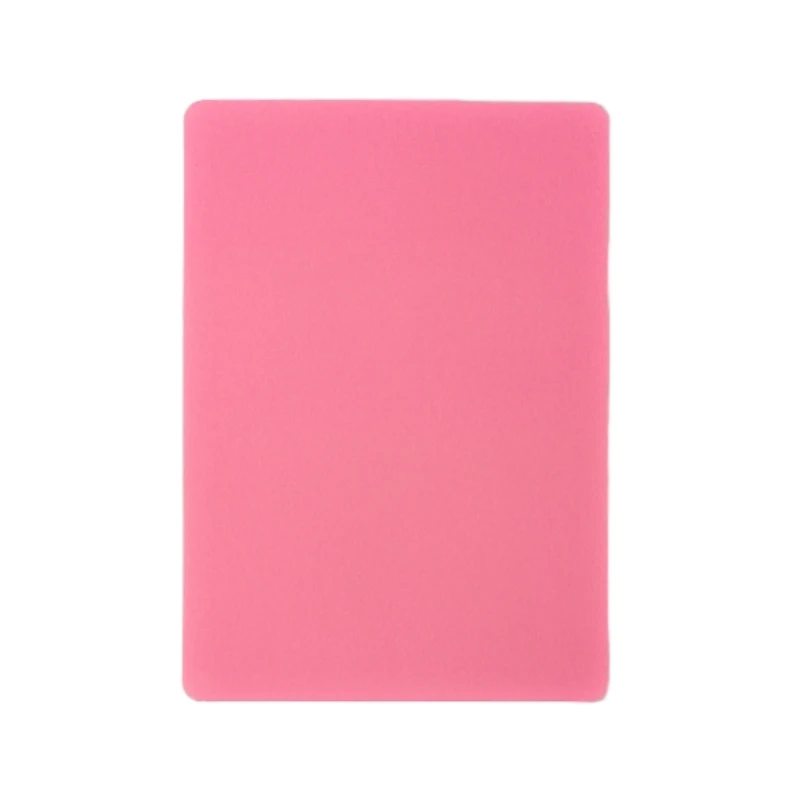
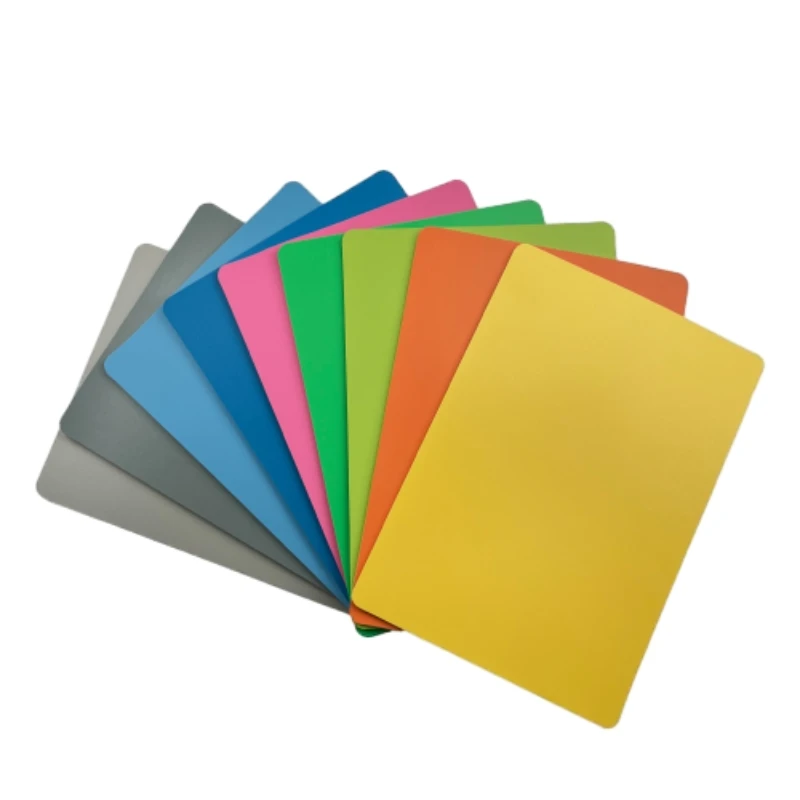
- Customization and Design Versatility: Increased interest in custom patterns, vibrant colors, and thematic designs that align with educational philosophies and stimulate child development. Digital printing technologies allow for intricate graphics and branding.
- Acoustic Performance: Recognition of the impact of noise on learning; flooring with superior sound absorption properties is increasingly sought after to create calmer, more focused environments.
- Integration of Smart Technologies (Emerging): While still nascent, discussions are beginning around integrated sensors for occupancy tracking, environmental monitoring, or even interactive play elements embedded within flooring.
These trends reflect a holistic approach to designing educational spaces that are not only safe and durable but also responsive to pedagogical needs and environmental consciousness. The emphasis on tailored solutions ensures that each kindergarten can achieve an optimal balance of functionality and aesthetic appeal.
Key Technical Advantages of Specialized Kindergarten Flooring
Investing in specialized kindergarten flooring material offers a multitude of technical advantages that directly translate into enhanced safety, operational efficiency, and a superior learning environment:
- Superior Safety & Impact Absorption: The engineered multi-layer construction, particularly the core and backing layers of a 3.5mm thick product, provides critical cushioning. This significantly reduces the severity of injuries from accidental falls, a paramount concern in any environment catering to young children. ASTM F1292 standards for impact attenuation are often met or exceeded.
- Enhanced Slip Resistance: Surface treatments and controlled embossing on the wear layer create a higher coefficient of friction, even when wet. This feature drastically lowers the risk of slips and falls, a common hazard in busy kindergarten settings, meeting or exceeding R9/R10 slip ratings.
- Exceptional Hygiene & Ease of Maintenance: Non-porous surfaces and integrated antimicrobial treatments prevent the absorption of liquids and inhibit the growth of bacteria, viruses, fungi, and mold. This makes cleaning and disinfection effortless, reducing the spread of illness and maintaining a sterile environment with minimal effort and chemical use.
- Outstanding Durability & Longevity: High-grade wear layers, often reinforced with ceramic beads or advanced polymers, provide superior resistance to abrasion, scratches, and indentation from furniture or dropped objects. This extends the flooring's lifespan, reducing replacement costs and downtime.
- Acoustic Comfort: The resilient nature of these floorings, coupled with specialized backing layers, effectively absorbs ambient noise and footfall sound. This creates a quieter, less distracting environment, promoting concentration for learning activities and reducing stress levels for both children and educators. A typical reduction of 15-18 dB can significantly improve room acoustics.
- Low VOC Emissions & Air Quality: Manufacturers prioritize materials that are free from harmful phthalates and heavy metals, rigorously tested to meet stringent indoor air quality certifications like FloorScore or GreenGuard Gold. This ensures a healthier breathing environment, crucial for children's developing respiratory systems.
- Thermal Insulation: While not a primary function like in industrial settings (energy saving), the layered construction does offer a degree of thermal insulation, contributing to a more stable room temperature and potentially marginal energy savings by reducing heat loss through the floor.
These advantages collectively underscore the value proposition of investing in purpose-built kindergarten flooring. They mitigate common risks, streamline operational maintenance, and create an environment optimally designed for early childhood development.
Vendor Comparison and Competitive Analysis
When evaluating options for kindergarten floor solutions, B2B buyers face a spectrum of choices, from general-purpose commercial vinyl to highly specialized rubber or PVC systems. A critical analysis reveals significant differences in performance, certifications, and long-term value. The table below provides a generalized comparison to highlight the distinctive benefits of purpose-engineered flooring like our Kindergarten Flooring 3.5mm.
| Feature/Parameter | Standard Commercial Vinyl (e.g., 2.0mm) | Specialized Kindergarten Flooring (e.g., 3.5mm) | Basic Rubber/EPDM Tiles |
|---|---|---|---|
| Impact Absorption (Fall Protection) | Limited (minimal cushioning) | Excellent (engineered for fall height reduction) | Good (can be too firm for indoor play) |
| Slip Resistance | Good (R9-R10 typically) | Very Good to Excellent (R10-R11 often achieved) | Good (can be reduced when wet) |
| Hygiene & Ease of Cleaning | Good (non-porous surface) | Excellent (antimicrobial, seamless installation options) | Fair (porous, can harbor bacteria if not sealed well) |
| Acoustic Performance | Moderate (5-10 dB reduction) | Excellent (15-18 dB reduction) | Good (can muffle sound) |
| Durability & Longevity | Good (10-15 years) | Excellent (15-20+ years, high wear resistance) | Very Good (can degrade with UV/chemicals) |
| VOC Emissions & Air Quality | Variable (check certifications) | Very Low (FloorScore, GreenGuard Gold certified) | Generally Low (check specific product) |
| Design Versatility | Good (range of patterns/colors) | Excellent (wide custom options, vibrant palette) | Limited (solid colors, often utilitarian) |
This comparison highlights that while various flooring options exist, purpose-designed kindergarten floor mats offer a superior combination of safety, durability, and health benefits tailored to the specific needs of early childhood environments. General commercial flooring often falls short in critical areas like advanced impact absorption and comprehensive health certifications.
Customized Solutions and Project Implementation
Recognizing that every educational institution has unique needs, leading providers of kindergarten flooring material offer comprehensive customized solutions. This flexibility ensures that the flooring not only meets technical specifications but also aligns perfectly with architectural designs, branding, and pedagogical goals. Key aspects of customized solutions include:
- Design and Color Matching: Tailored patterns, bespoke color palettes, and even the integration of school logos or educational motifs can be achieved through advanced digital printing and precision cutting techniques. This allows for the creation of stimulating and branded environments.
- Specific Performance Tuning: Depending on the area (e.g., higher impact absorption for climbing zones, enhanced chemical resistance for art rooms), flooring can be specified with particular performance characteristics.
- Installation Planning & Support: Professional installation services ensure that the flooring performs as designed. This includes subfloor preparation, precise cutting, seamless welding (for hygienic integrity), and final inspection.
- Project Management: From initial consultation and material selection to logistics and post-installation support, a dedicated project management approach streamlines the entire procurement and implementation process for B2B clients.
Effective project implementation hinges on close collaboration between the client and the flooring provider, ensuring that all aspects, from material specifications to installation schedules, are meticulously planned and executed.
Real-World Application Case Studies
The practical benefits of advanced kindergarten flooring are best illustrated through successful applications:
Case Study 1: The Green Valley Preschool Renovation
Challenge: Green Valley Preschool, an established institution, faced issues with an outdated concrete floor that offered poor insulation, no fall protection, and was difficult to clean, leading to frequent allergy complaints among children.
Solution: The school opted for a 3.5mm specialized kindergarten flooring system. The design incorporated vibrant colors and educational patterns in play areas and a muted, calming palette for nap rooms. Installation included seamless welding for enhanced hygiene.
Results: Post-installation, the preschool reported a 70% reduction in minor fall-related injuries and a significant decrease in airborne allergens due to improved cleanability. Staff noted a marked improvement in classroom acoustics, leading to a more focused learning environment. Energy costs also saw a marginal reduction due to better thermal insulation.
Case Study 2: International Early Learning Center Expansion
Challenge: An international early learning center expanding into a new multi-story building required a flooring solution that met rigorous international safety standards (e.g., ASTM, EN, ISO), offered superior fire resistance, and provided consistent aesthetic appeal across multiple classrooms and activity zones.
Solution: A bespoke 3.5mm kindergarten flooring product with enhanced fire classification (Bfl-s1) and documented antimicrobial properties was specified. Custom design elements, including wayfinding graphics and nature-themed patterns, were integrated throughout.
Results: The project was completed on time and within budget, with all flooring meeting stringent international certifications. The center successfully passed all safety audits, and positive feedback was received regarding the floor's comfort, low maintenance, and visually stimulating environment. The consistency of the flooring design contributed significantly to the center's cohesive and professional brand image.
These case studies highlight how purpose-built flooring solutions, like our Kindergarten Flooring 3.5mm, provide tangible benefits in safety, operational efficiency, and overall environmental quality, reinforcing their status as a wise investment for educational institutions.
Trust and Reliability: FAQs, Logistics, and Support
Building trust with B2B clients requires transparency, clear commitments, and robust support systems. Below are key aspects that foster confidence in our kindergarten flooring material solutions.
Frequently Asked Questions (FAQs)
- Q: What is the typical lifespan of your Kindergarten Flooring 3.5mm?
A: With proper installation and routine maintenance, our 3.5mm kindergarten flooring is engineered to last 15-20 years or more, offering excellent long-term value. - Q: Are your products safe for children with allergies or asthma?
A: Absolutely. Our flooring is phthalate-free, low-VOC (Volatile Organic Compound), and typically certified by independent bodies like FloorScore or GreenGuard Gold, ensuring optimal indoor air quality and minimizing allergen exposure. - Q: How do I clean and maintain this flooring?
A: The non-porous, wear-resistant surface of our flooring makes it exceptionally easy to clean. Regular sweeping or vacuuming, followed by damp mopping with a mild, pH-neutral cleaner, is usually sufficient. Avoid harsh chemicals or abrasive scrubbers to preserve the wear layer. - Q: What certifications do your kindergarten flooring products hold?
A: Our products adhere to international standards such as ISO 9001 (Quality Management), ISO 14001 (Environmental Management), EN 14041 (Resilient Floor Coverings), and often carry specific safety and environmental certifications like CE marking, FloorScore, GreenGuard Gold, and REACH compliance.
Lead Time and Fulfillment
Our streamlined manufacturing and logistics ensure efficient order processing and timely delivery. Typical lead times for standard products range from 3-5 weeks from order confirmation, depending on volume and customization requirements. For large-scale or highly customized projects, a detailed production and delivery schedule will be provided by your dedicated project manager. We partner with reliable international freight services to ensure secure and on-schedule global delivery.
Warranty Commitments
We stand by the quality and performance of our kindergarten flooring with a comprehensive manufacturer's warranty. Our standard warranty covers manufacturing defects for a period of 10-15 years, depending on the specific product line and usage conditions. Full warranty terms and conditions are provided with every quotation, ensuring clarity and peace of mind for our clients.
Customer Support and After-Sales Service
Our commitment extends beyond product delivery. We provide dedicated customer support through multiple channels, including email, phone, and online portals. Our technical support team is available to assist with installation guidance, maintenance best practices, and any post-purchase inquiries. We also offer expert advice on product care to maximize the lifespan and aesthetic appeal of your investment, ensuring a seamless experience throughout the product's lifecycle.
Conclusion: Elevating Educational Environments with Advanced Flooring
The strategic investment in specialized kindergarten flooring represents a commitment to creating optimal early learning environments. By prioritizing safety, hygiene, durability, and acoustic comfort, institutions can significantly enhance the well-being of children and staff, reduce long-term operational costs, and foster a more engaging and effective educational experience. Our Kindergarten Flooring 3.5mm exemplifies the pinnacle of modern flooring technology, engineered to meet the unique and rigorous demands of early childhood settings.
The blend of advanced material science, stringent manufacturing processes, and adherence to global safety standards positions these flooring solutions as the definitive choice for educational facility planners and decision-makers seeking to build resilient, stimulating, and healthy spaces for the next generation.
Authoritative References
- International Organization for Standardization (ISO). ISO 9001: Quality management systems – Requirements. ISO, 2015.
- European Committee for Standardization (CEN). EN 14041: Resilient, textile and laminate floor coverings – Essential characteristics. CEN, 2016.
- ASTM International. ASTM F1292: Standard Specification for Impact Attenuation of Surfacing Materials Within the Use Zone of Playground Equipment. ASTM International, 2018.
- California Department of Public Health. Standard Method for the Testing and Evaluation of Volatile Organic Chemical Emissions from Indoor Sources Using Environmental Chambers (CDPH/EHLB/Standard Method Version 1.2). CDPH, 2017.
- Deutsches Institut für Normung (DIN). DIN 51130: Testing of floor coverings – Determination of the anti-slip properties – Workrooms and work areas with slip hazards – Walking method – Ramp test. DIN, 2014.
- National Center for Healthy Housing. Healthy Housing Principles for Early Care and Education. NCHH, 2017.
-
Premium Outdoor Dance Floor for Sale Professional Event SurfacesNewsApr.16,2026
-
Premium Professional White Dance Floor for Sale and Buying GuideNewsApr.09,2026
-
Find Your Perfect Portable Dance Floor for Sale and Create Unforgettable EventsNewsApr.07,2026
-
Find High Quality Dance Flooring for Sale and Expert GuidanceNewsApr.04,2026
-
Comprehensive Guide to Durable Commercial Vinyl Solutions for BusinessesNewsMar.31,2026
-
Comprehensive Commercial Flooring Management for Business LongevityNewsMar.28,2026
-
Comprehensive Guide to Selecting the Right Commercial Flooring MaterialsNewsMar.26,2026
Safe & Soft Kindergarten Flooring: Best Materials & Mats
The Imperative of Specialized Early Childhood Flooring
In the dynamic and formative environments of early childhood education, the selection of appropriate flooring is not merely an aesthetic consideration but a critical decision impacting safety, hygiene, developmental support, and long-term operational efficiency. High-quality kindergarten flooring stands as a cornerstone in creating spaces that foster learning, play, and well-being. This comprehensive guide delves into the technical intricacies, market trends, and practical advantages of advanced flooring solutions designed specifically for kindergartens and preschools, providing B2B decision-makers with the insights needed to make informed investments.
The evolving landscape of educational infrastructure demands materials that not only meet stringent safety regulations but also offer sustainability, ease of maintenance, and design versatility. As educational institutions seek to optimize their facilities, understanding the nuanced specifications and benefits of specialized flooring materials becomes paramount.
Understanding Advanced Kindergarten Flooring: Materials and Composition
Modern kindergarten flooring solutions are engineered composites, typically leveraging the robust properties of polyvinyl chloride (PVC), rubber, or specialized linoleum formulations. The choice of material is dictated by a balance of durability, safety features, hygienic properties, and environmental considerations. For instance, high-grade PVC flooring, often referred to as resilient vinyl flooring, comprises multiple layers:
- Wear Layer: A transparent, highly durable layer, frequently enhanced with UV-cured polyurethane, providing exceptional resistance to scratches, scuffs, and stains. Its thickness directly correlates with the flooring's service life and resistance to heavy foot traffic.
- Print Layer: This layer houses the aesthetic design, offering a vast array of colors, patterns, and textures that can mimic natural materials or create vibrant, engaging environments. Advanced printing techniques ensure high-fidelity replication and long-lasting colorfastness.
- Core Layer: The primary structural component, typically made from compact PVC or a composite, providing dimensional stability, indentation resistance, and overall strength. This layer contributes significantly to the flooring's comfort underfoot and impact absorption.
- Backing Layer: Often a foam or non-woven textile backing, this layer improves acoustic insulation, provides additional comfort, and facilitates easier installation by adhering securely to the subfloor.
The 3.5mm thickness, as seen in products like Kindergarten Flooring 3.5mm, is a testament to the optimized balance between cushioning for fall protection and structural integrity for long-term use. This specification is crucial for mitigating the impact of falls, a primary concern in active children's environments.
The Manufacturing Process of Advanced Kindergarten Flooring
The production of high-performance kindergarten flooring involves a sophisticated multi-stage process, ensuring product consistency, durability, and adherence to international quality and safety standards such as ISO 9001 for quality management and ISO 14001 for environmental management. The typical manufacturing process includes:
1. Raw Material Sourcing & Preparation
Careful selection of virgin PVC resins, high-grade plasticizers (phthalate-free, compliant with REACH regulations), stabilizers, pigments, and fillers. Materials undergo stringent quality checks to ensure purity and consistency.
2. Compounding & Mixing
Precise blending of raw materials in industrial mixers to create a homogeneous compound. This stage is critical for achieving desired physical properties and color uniformity.
3. Calendering or Extrusion
The compound is fed into calendering machines (for sheet formation) or extruders (for continuous rolls). High pressure and controlled heat are applied to form individual layers (base, core, print, wear).
4. Multi-Layer Lamination
The individual layers are precisely combined and fused together under heat and pressure to create the multi-layered flooring structure. This step ensures optimal bonding and structural integrity.
5. Surface Treatment & Curing
A protective wear layer, often with UV-cured polyurethane, is applied. This enhances scratch, stain, and scuff resistance. The material is then cured to set the properties permanently.
6. Cooling, Trimming & Quality Control
The material is cooled, precisely trimmed to specified dimensions, and undergoes rigorous quality control checks for dimensional stability, color consistency, impact absorption, slip resistance (e.g., according to EN 13893 or ASTM F2407), and fire resistance (e.g., EN 13501-1).
The service life of well-manufactured kindergarten flooring, when properly installed and maintained, can extend beyond 15-20 years, making it a highly cost-effective long-term investment. Its application is primarily centered within educational institutions, specifically kindergarten classrooms, play areas, corridors, and communal spaces where child safety and hygiene are paramount.
This meticulous process ensures that the final product not only meets aesthetic requirements but, more critically, fulfills its functional role in providing a safe, hygienic, and stimulating environment for young children. The emphasis on robust testing standards ensures compliance with global safety protocols, making it suitable for international deployment in educational facilities.
Technical Specifications and Performance Parameters: Kindergarten Flooring 3.5mm
The selection of appropriate kindergarten flooring hinges on understanding its technical specifications and how these parameters translate into real-world performance. Below are typical parameters for a high-quality 3.5mm kindergarten flooring product, demonstrating its suitability for demanding educational environments:
| Parameter | Specification (Kindergarten Flooring 3.5mm) | Relevant Standard/Description |
|---|---|---|
| Total Thickness | 3.5 mm | Optimized for comfort and impact absorption (e.g., EN 428) |
| Wear Layer Thickness | 0.5 - 0.7 mm | Critical for durability and resistance to abrasion (e.g., EN ISO 24340) |
| Material Composition | Virgin PVC, phthalate-free plasticizers, pigments, stabilizers | Ensures low VOCs and compliance with health regulations (e.g., REACH, CDPH 01350) |
| Density | 1.8 - 2.0 kg/m² (for 3.5mm) | Indicates material robustness and stability |
| Slip Resistance | R9 - R10 (DIN 51130) or >0.5 (ASTM D2047) | Essential for preventing slips and falls in active play areas |
| Sound Absorption | Approx. 15-18 dB (EN ISO 717-2) | Contributes to a quieter learning environment, reducing noise pollution |
| Residual Indentation | <0.1 mm (EN ISO 24343-1) | Measures resistance to permanent deformation from heavy objects |
| Fire Classification | Bfl-s1 (EN 13501-1) | Low flammability and smoke emission, crucial for public safety |
| Chemical Resistance | Good to excellent (EN ISO 26987) | Resistant to common household chemicals, disinfectants, and cleaning agents |
| Light Fastness | ≥6 (EN ISO 105-B02) | Maintains color integrity under exposure to light |
These parameters underscore the engineered nature of specialized kindergarten floor mats, designed to withstand the unique demands of an early learning environment while prioritizing the health and safety of children. The adherence to specific testing standards ensures verifiable performance and compliance with global regulatory frameworks.
Application Scenarios and Industry Trends for Kindergarten Flooring
The versatility and performance of modern kindergarten flooring make it suitable for a diverse range of application scenarios within educational facilities:
- Classrooms: Providing a comfortable, quiet, and safe surface for learning activities, reading, and group play.
- Indoor Play Areas: Offering critical fall protection and high durability for active play, climbing structures, and sensory activities.
- Corridors and Hallways: Enduring heavy foot traffic, providing acoustic dampening to reduce noise transfer, and ensuring slip resistance for busy transitions.
- Nap Rooms/Rest Areas: Contributing to a serene and hygienic environment conducive to rest, with excellent sound absorption properties.
- Dining Areas: Easy to clean and chemical resistant, standing up to spills and food residues while maintaining hygiene.
- Art and Craft Rooms: Resistant to stains from paints, glues, and other art supplies, ensuring longevity and ease of maintenance.
Current industry trends for floor mats for kindergarten environments are driven by several key factors:
- Sustainability and Eco-Friendliness: Growing demand for phthalate-free, low-VOC (Volatile Organic Compound) materials, often incorporating recycled content and certified by organizations like FloorScore or GreenGuard Gold.
- Enhanced Antimicrobial Properties: Integration of silver-ion or other antimicrobial agents into the wear layer to inhibit the growth of bacteria, fungi, and mold, crucial for health and hygiene in communal settings.
- Customization and Design Versatility: Increased interest in custom patterns, vibrant colors, and thematic designs that align with educational philosophies and stimulate child development. Digital printing technologies allow for intricate graphics and branding.
- Acoustic Performance: Recognition of the impact of noise on learning; flooring with superior sound absorption properties is increasingly sought after to create calmer, more focused environments.
- Integration of Smart Technologies (Emerging): While still nascent, discussions are beginning around integrated sensors for occupancy tracking, environmental monitoring, or even interactive play elements embedded within flooring.
These trends reflect a holistic approach to designing educational spaces that are not only safe and durable but also responsive to pedagogical needs and environmental consciousness. The emphasis on tailored solutions ensures that each kindergarten can achieve an optimal balance of functionality and aesthetic appeal.
Key Technical Advantages of Specialized Kindergarten Flooring
Investing in specialized kindergarten flooring material offers a multitude of technical advantages that directly translate into enhanced safety, operational efficiency, and a superior learning environment:
- Superior Safety & Impact Absorption: The engineered multi-layer construction, particularly the core and backing layers of a 3.5mm thick product, provides critical cushioning. This significantly reduces the severity of injuries from accidental falls, a paramount concern in any environment catering to young children. ASTM F1292 standards for impact attenuation are often met or exceeded.
- Enhanced Slip Resistance: Surface treatments and controlled embossing on the wear layer create a higher coefficient of friction, even when wet. This feature drastically lowers the risk of slips and falls, a common hazard in busy kindergarten settings, meeting or exceeding R9/R10 slip ratings.
- Exceptional Hygiene & Ease of Maintenance: Non-porous surfaces and integrated antimicrobial treatments prevent the absorption of liquids and inhibit the growth of bacteria, viruses, fungi, and mold. This makes cleaning and disinfection effortless, reducing the spread of illness and maintaining a sterile environment with minimal effort and chemical use.
- Outstanding Durability & Longevity: High-grade wear layers, often reinforced with ceramic beads or advanced polymers, provide superior resistance to abrasion, scratches, and indentation from furniture or dropped objects. This extends the flooring's lifespan, reducing replacement costs and downtime.
- Acoustic Comfort: The resilient nature of these floorings, coupled with specialized backing layers, effectively absorbs ambient noise and footfall sound. This creates a quieter, less distracting environment, promoting concentration for learning activities and reducing stress levels for both children and educators. A typical reduction of 15-18 dB can significantly improve room acoustics.
- Low VOC Emissions & Air Quality: Manufacturers prioritize materials that are free from harmful phthalates and heavy metals, rigorously tested to meet stringent indoor air quality certifications like FloorScore or GreenGuard Gold. This ensures a healthier breathing environment, crucial for children's developing respiratory systems.
- Thermal Insulation: While not a primary function like in industrial settings (energy saving), the layered construction does offer a degree of thermal insulation, contributing to a more stable room temperature and potentially marginal energy savings by reducing heat loss through the floor.
These advantages collectively underscore the value proposition of investing in purpose-built kindergarten flooring. They mitigate common risks, streamline operational maintenance, and create an environment optimally designed for early childhood development.
Vendor Comparison and Competitive Analysis
When evaluating options for kindergarten floor solutions, B2B buyers face a spectrum of choices, from general-purpose commercial vinyl to highly specialized rubber or PVC systems. A critical analysis reveals significant differences in performance, certifications, and long-term value. The table below provides a generalized comparison to highlight the distinctive benefits of purpose-engineered flooring like our Kindergarten Flooring 3.5mm.
| Feature/Parameter | Standard Commercial Vinyl (e.g., 2.0mm) | Specialized Kindergarten Flooring (e.g., 3.5mm) | Basic Rubber/EPDM Tiles |
|---|---|---|---|
| Impact Absorption (Fall Protection) | Limited (minimal cushioning) | Excellent (engineered for fall height reduction) | Good (can be too firm for indoor play) |
| Slip Resistance | Good (R9-R10 typically) | Very Good to Excellent (R10-R11 often achieved) | Good (can be reduced when wet) |
| Hygiene & Ease of Cleaning | Good (non-porous surface) | Excellent (antimicrobial, seamless installation options) | Fair (porous, can harbor bacteria if not sealed well) |
| Acoustic Performance | Moderate (5-10 dB reduction) | Excellent (15-18 dB reduction) | Good (can muffle sound) |
| Durability & Longevity | Good (10-15 years) | Excellent (15-20+ years, high wear resistance) | Very Good (can degrade with UV/chemicals) |
| VOC Emissions & Air Quality | Variable (check certifications) | Very Low (FloorScore, GreenGuard Gold certified) | Generally Low (check specific product) |
| Design Versatility | Good (range of patterns/colors) | Excellent (wide custom options, vibrant palette) | Limited (solid colors, often utilitarian) |
This comparison highlights that while various flooring options exist, purpose-designed kindergarten floor mats offer a superior combination of safety, durability, and health benefits tailored to the specific needs of early childhood environments. General commercial flooring often falls short in critical areas like advanced impact absorption and comprehensive health certifications.
Customized Solutions and Project Implementation
Recognizing that every educational institution has unique needs, leading providers of kindergarten flooring material offer comprehensive customized solutions. This flexibility ensures that the flooring not only meets technical specifications but also aligns perfectly with architectural designs, branding, and pedagogical goals. Key aspects of customized solutions include:
- Design and Color Matching: Tailored patterns, bespoke color palettes, and even the integration of school logos or educational motifs can be achieved through advanced digital printing and precision cutting techniques. This allows for the creation of stimulating and branded environments.
- Specific Performance Tuning: Depending on the area (e.g., higher impact absorption for climbing zones, enhanced chemical resistance for art rooms), flooring can be specified with particular performance characteristics.
- Installation Planning & Support: Professional installation services ensure that the flooring performs as designed. This includes subfloor preparation, precise cutting, seamless welding (for hygienic integrity), and final inspection.
- Project Management: From initial consultation and material selection to logistics and post-installation support, a dedicated project management approach streamlines the entire procurement and implementation process for B2B clients.
Effective project implementation hinges on close collaboration between the client and the flooring provider, ensuring that all aspects, from material specifications to installation schedules, are meticulously planned and executed.
Real-World Application Case Studies
The practical benefits of advanced kindergarten flooring are best illustrated through successful applications:
Case Study 1: The Green Valley Preschool Renovation
Challenge: Green Valley Preschool, an established institution, faced issues with an outdated concrete floor that offered poor insulation, no fall protection, and was difficult to clean, leading to frequent allergy complaints among children.
Solution: The school opted for a 3.5mm specialized kindergarten flooring system. The design incorporated vibrant colors and educational patterns in play areas and a muted, calming palette for nap rooms. Installation included seamless welding for enhanced hygiene.
Results: Post-installation, the preschool reported a 70% reduction in minor fall-related injuries and a significant decrease in airborne allergens due to improved cleanability. Staff noted a marked improvement in classroom acoustics, leading to a more focused learning environment. Energy costs also saw a marginal reduction due to better thermal insulation.
Case Study 2: International Early Learning Center Expansion
Challenge: An international early learning center expanding into a new multi-story building required a flooring solution that met rigorous international safety standards (e.g., ASTM, EN, ISO), offered superior fire resistance, and provided consistent aesthetic appeal across multiple classrooms and activity zones.
Solution: A bespoke 3.5mm kindergarten flooring product with enhanced fire classification (Bfl-s1) and documented antimicrobial properties was specified. Custom design elements, including wayfinding graphics and nature-themed patterns, were integrated throughout.
Results: The project was completed on time and within budget, with all flooring meeting stringent international certifications. The center successfully passed all safety audits, and positive feedback was received regarding the floor's comfort, low maintenance, and visually stimulating environment. The consistency of the flooring design contributed significantly to the center's cohesive and professional brand image.
These case studies highlight how purpose-built flooring solutions, like our Kindergarten Flooring 3.5mm, provide tangible benefits in safety, operational efficiency, and overall environmental quality, reinforcing their status as a wise investment for educational institutions.
Trust and Reliability: FAQs, Logistics, and Support
Building trust with B2B clients requires transparency, clear commitments, and robust support systems. Below are key aspects that foster confidence in our kindergarten flooring material solutions.
Frequently Asked Questions (FAQs)
- Q: What is the typical lifespan of your Kindergarten Flooring 3.5mm?
A: With proper installation and routine maintenance, our 3.5mm kindergarten flooring is engineered to last 15-20 years or more, offering excellent long-term value. - Q: Are your products safe for children with allergies or asthma?
A: Absolutely. Our flooring is phthalate-free, low-VOC (Volatile Organic Compound), and typically certified by independent bodies like FloorScore or GreenGuard Gold, ensuring optimal indoor air quality and minimizing allergen exposure. - Q: How do I clean and maintain this flooring?
A: The non-porous, wear-resistant surface of our flooring makes it exceptionally easy to clean. Regular sweeping or vacuuming, followed by damp mopping with a mild, pH-neutral cleaner, is usually sufficient. Avoid harsh chemicals or abrasive scrubbers to preserve the wear layer. - Q: What certifications do your kindergarten flooring products hold?
A: Our products adhere to international standards such as ISO 9001 (Quality Management), ISO 14001 (Environmental Management), EN 14041 (Resilient Floor Coverings), and often carry specific safety and environmental certifications like CE marking, FloorScore, GreenGuard Gold, and REACH compliance.
Lead Time and Fulfillment
Our streamlined manufacturing and logistics ensure efficient order processing and timely delivery. Typical lead times for standard products range from 3-5 weeks from order confirmation, depending on volume and customization requirements. For large-scale or highly customized projects, a detailed production and delivery schedule will be provided by your dedicated project manager. We partner with reliable international freight services to ensure secure and on-schedule global delivery.
Warranty Commitments
We stand by the quality and performance of our kindergarten flooring with a comprehensive manufacturer's warranty. Our standard warranty covers manufacturing defects for a period of 10-15 years, depending on the specific product line and usage conditions. Full warranty terms and conditions are provided with every quotation, ensuring clarity and peace of mind for our clients.
Customer Support and After-Sales Service
Our commitment extends beyond product delivery. We provide dedicated customer support through multiple channels, including email, phone, and online portals. Our technical support team is available to assist with installation guidance, maintenance best practices, and any post-purchase inquiries. We also offer expert advice on product care to maximize the lifespan and aesthetic appeal of your investment, ensuring a seamless experience throughout the product's lifecycle.
Conclusion: Elevating Educational Environments with Advanced Flooring
The strategic investment in specialized kindergarten flooring represents a commitment to creating optimal early learning environments. By prioritizing safety, hygiene, durability, and acoustic comfort, institutions can significantly enhance the well-being of children and staff, reduce long-term operational costs, and foster a more engaging and effective educational experience. Our Kindergarten Flooring 3.5mm exemplifies the pinnacle of modern flooring technology, engineered to meet the unique and rigorous demands of early childhood settings.
The blend of advanced material science, stringent manufacturing processes, and adherence to global safety standards positions these flooring solutions as the definitive choice for educational facility planners and decision-makers seeking to build resilient, stimulating, and healthy spaces for the next generation.
Authoritative References
- International Organization for Standardization (ISO). ISO 9001: Quality management systems – Requirements. ISO, 2015.
- European Committee for Standardization (CEN). EN 14041: Resilient, textile and laminate floor coverings – Essential characteristics. CEN, 2016.
- ASTM International. ASTM F1292: Standard Specification for Impact Attenuation of Surfacing Materials Within the Use Zone of Playground Equipment. ASTM International, 2018.
- California Department of Public Health. Standard Method for the Testing and Evaluation of Volatile Organic Chemical Emissions from Indoor Sources Using Environmental Chambers (CDPH/EHLB/Standard Method Version 1.2). CDPH, 2017.
- Deutsches Institut für Normung (DIN). DIN 51130: Testing of floor coverings – Determination of the anti-slip properties – Workrooms and work areas with slip hazards – Walking method – Ramp test. DIN, 2014.
- National Center for Healthy Housing. Healthy Housing Principles for Early Care and Education. NCHH, 2017.
-
Premium Outdoor Dance Floor for Sale Professional Event SurfacesNewsApr.16,2026
-
Premium Professional White Dance Floor for Sale and Buying GuideNewsApr.09,2026
-
Find Your Perfect Portable Dance Floor for Sale and Create Unforgettable EventsNewsApr.07,2026
-
Find High Quality Dance Flooring for Sale and Expert GuidanceNewsApr.04,2026
-
Comprehensive Guide to Durable Commercial Vinyl Solutions for BusinessesNewsMar.31,2026
-
Comprehensive Commercial Flooring Management for Business LongevityNewsMar.28,2026
-
Comprehensive Guide to Selecting the Right Commercial Flooring MaterialsNewsMar.26,2026