


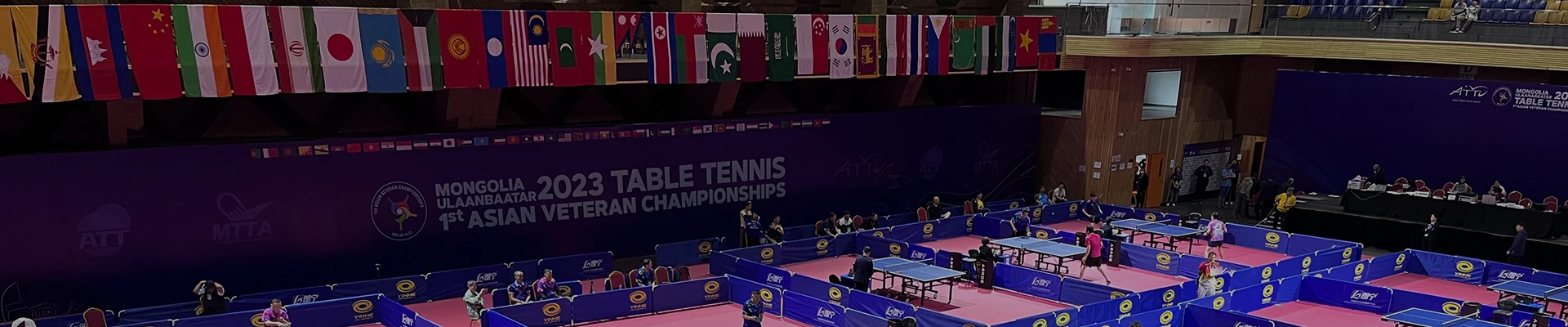
Maple Gymnasium Wood Flooring: Durable Hardwood for Sports
The Pinnacle of Performance: Understanding Gymnasium Wood Flooring
In the realm of high-performance sports facilities, the choice of surfacing is paramount to athlete safety, performance, and the longevity of the investment. A critical element is the selection of appropriate gymnasium wood flooring, a specialized system engineered to meet the rigorous demands of competitive athletics. This comprehensive guide delves into the technical aspects, industry trends, and practical considerations for B2B decision-makers and engineers evaluating sports flooring solutions.
The integrity of a sports surface directly impacts player biomechanics, reducing fatigue and preventing injuries through optimized shock absorption and energy return. Moreover, the consistent ball rebound and controlled friction offered by premium wood flooring are indispensable for professional-grade sports like basketball, volleyball, and racquet sports. Our focus here is on delivering an in-depth understanding, leveraging industry expertise and data-driven insights.
Industry Trends in Sports Flooring Technology
The sports flooring industry is dynamic, driven by advancements in material science, evolving safety standards, and increasing demands for sustainability. Current trends highlight a push towards enhanced performance characteristics, longer service life, and reduced environmental impact. For gymnasium wood flooring, this translates into:
- Optimized Performance Systems: Focus on integrated sub-floor systems that provide superior shock absorption (typically 50-65% per DIN 18032-2) and energy return for reduced athlete fatigue.
- Enhanced Durability and Maintenance: Innovations in finish coatings, such as UV-cured polyurethanes with ceramic or aluminum oxide particles, offer exceptional abrasion resistance and chemical stability, extending the lifespan of a maple wood flooring surface and simplifying maintenance.
- Sustainable Sourcing and Manufacturing: A growing emphasis on Forest Stewardship Council (FSC) certified wood products and manufacturing processes that minimize waste and energy consumption.
- Modular and Portable Systems: Development of modular wood flooring systems that allow for quick installation and removal, catering to multi-purpose venues and event-driven needs.
These trends underscore the industry's commitment to delivering advanced solutions that not only meet but exceed the expectations of modern sports facilities.
Manufacturing Process Flow for High-Performance Maple Wood Hardwood Flooring
The production of high-quality maple wood hardwood flooring involves a precise, multi-stage process, ensuring the final product meets stringent performance and durability standards. Unlike industrial components that might involve casting or forging, wood flooring utilizes specialized timber processing techniques.
Key Stages:
- Raw Material Sourcing & Selection: Premium Hard Maple (Acer saccharum) is selected for its exceptional density, hardness (Janka hardness rating around 1450 lbf), and uniform grain structure, crucial for consistent athletic performance. Sustainable sourcing from accredited forests is prioritized.
- Kiln Drying: Lumber is carefully kiln-dried to achieve a precise moisture content (typically 6-9%). This critical step prevents warping, shrinking, or swelling post-installation, enhancing dimensional stability.
- Milling & Profiling: The dried lumber is precision-milled into planks or engineered layers. This includes shaping tongue-and-groove profiles for secure interlocking, and ensuring exact dimensions. CNC machining may be used for sub-floor components or specialized cuts.
- Grading: Planks are meticulously graded based on appearance, grain consistency, and structural integrity. Only top-grade planks are selected for sports flooring applications to ensure uniformity and durability.
- Finishing & Coating: Multiple layers of specialized sports finishes are applied. These often include sealers, base coats, and UV-cured polyurethane topcoats fortified with ceramic or aluminum oxide for superior scratch and abrasion resistance. This stage is critical for achieving optimal friction coefficient and aesthetic appeal.
- Quality Control & Testing: Throughout the process, planks undergo rigorous quality checks. Final products are tested against international standards like DIN 18032-2 (for sports hall flooring), EN 14904 (surfaces for sports areas), and ASTM F2772 (Standard Specification for Athletic Performance Properties of Indoor Sports Floor Systems) for shock absorption, vertical deformation, ball rebound, and surface friction.
This meticulous process ensures that each piece of maple hardwood flooring contributes to a high-performance, durable sports surface.
Technical Specifications: Maple Grain 4.5/6.0/8.0mm Sports Flooring
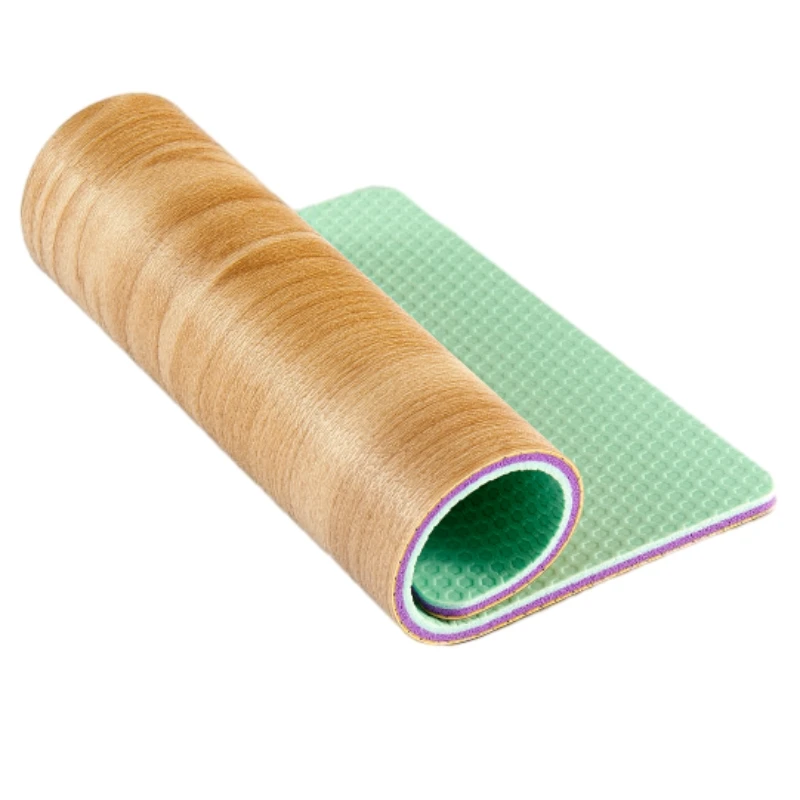
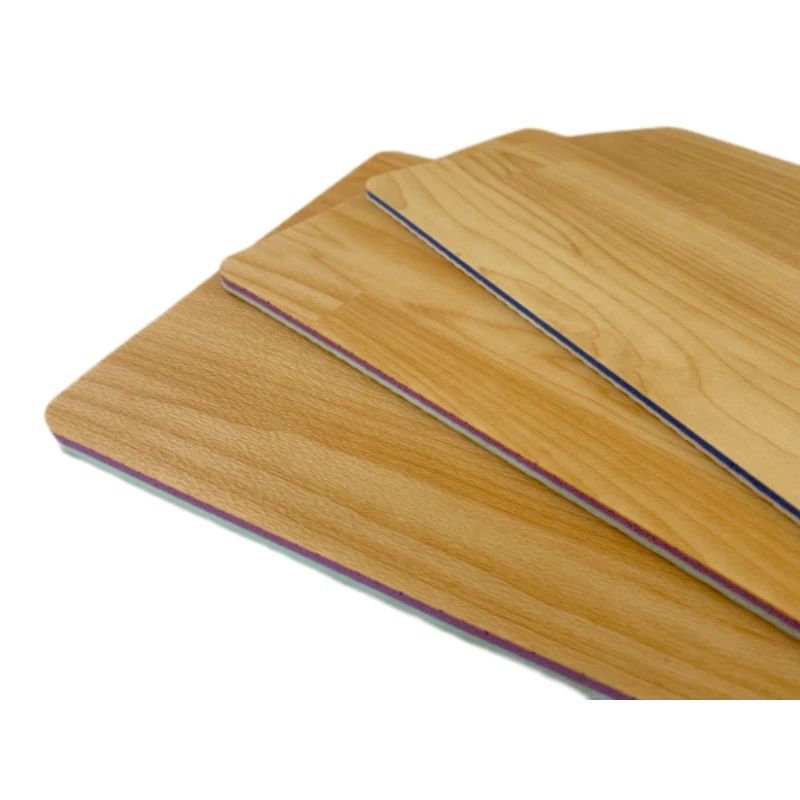
Our Maple Grain Sports Flooring, available in 4.5mm, 6.0mm, and 8.0mm thicknesses, represents an engineered solution designed for diverse athletic needs. These systems are specifically engineered to deliver superior athletic performance, combining the natural aesthetic and feel of wood with advanced composite technology. Key parameters include:
| Parameter | Maple Grain 4.5mm | Maple Grain 6.0mm | Maple Grain 8.0mm | Typical Standard (e.g., DIN 18032-2) |
|---|---|---|---|---|
| Material Composition | Multi-layered PVC with fiberglass reinforcement, wear layer with realistic maple grain texture. | N/A (varies by material) | ||
| Total Thickness | 4.5mm | 6.0mm | 8.0mm | Varies by system type |
| Wear Layer Thickness | 0.5mm | 0.7mm | 1.0mm | ≥0.5mm for heavy commercial |
| Shock Absorption (DIN 18032-2) | ≥25% | ≥30% | ≥35% | ≥25% (Category P1) |
| Vertical Deformation (DIN 18032-2) | ≤2.0mm | ≤2.3mm | ≤2.5mm | ≤5.0mm |
| Ball Rebound | Consistent with premium hardwood basketball floor standards | ≥90% of concrete rebound | ||
| Surface Friction (μ) | 0.4 - 0.7 (optimal for pivot & slide) | 0.4-0.6 (DIN 18032-2) | ||
| Light Reflectance | Optimal to reduce glare for players & spectators | 25-50% (EN 14904) | ||
These specifications demonstrate a commitment to providing resilient, high-performance surfaces suitable for a wide array of indoor sports. The varying thicknesses allow for customization based on specific performance requirements and budget considerations, from multi-purpose halls to dedicated basketball courts.
Diverse Application Scenarios
The versatility and performance characteristics of engineered maple wood flooring make it ideal for a broad spectrum of indoor sports facilities. Its technical advantages translate directly into benefits for various target industries and use cases:
- Professional Sports Arenas & Stadiums: For premier basketball, volleyball, and futsal courts, requiring FIBA or NCAA compliance. The flooring provides superior impact resistance and consistent player traction.
- Collegiate & University Gymnasiums: Multi-purpose facilities catering to competitive sports, intramurals, and general fitness. Durability and ease of maintenance are critical for high-traffic environments.
- K-12 School Sports Halls: Ensuring athlete safety for younger populations with optimal shock absorption and anti-slip properties. The robust wear layer withstands heavy daily use.
- Community & Recreation Centers: Catering to a wide range of activities, from sports leagues to community events. The floor's resilience and aesthetic appeal enhance user experience.
- Dance Studios & Aerobics Rooms: Providing the necessary spring and controlled friction for fluid movement, reducing joint stress for dancers and fitness enthusiasts.
In each scenario, the carefully engineered layers contribute to a floor that supports athletic excellence and facility longevity, demonstrating advantages in user comfort and long-term operational cost-effectiveness.
Technical Advantages of Maple Hardwood Flooring for Gymnasiums
The selection of gymnasium wood flooring, particularly systems utilizing engineered maple, offers distinct technical advantages that distinguish it from other synthetic alternatives:
- Superior Shock Absorption & Energy Return: Engineered wood systems are designed with layered constructions (e.g., resilient pads, sub-flooring, maple surface) that effectively absorb impact forces, protecting athletes' joints and providing optimal energy return for enhanced performance. This biomechanical advantage is crucial for sports involving jumping and rapid directional changes.
- Consistent Ball Rebound: The uniform density and hardness of maple provide an exceptionally consistent and predictable ball rebound, essential for basketball, volleyball, and other bounce-dependent sports.
- Optimal Surface Friction: Finishes are formulated to achieve a precise coefficient of friction, allowing athletes to pivot and slide safely without excessive stickiness or slipperiness, thus reducing injury risk.
- Exceptional Durability and Longevity: With proper maintenance, high-quality maple wood flooring can last for decades, often exceeding 40-60 years. Its robust construction resists wear and tear from heavy athletic use and equipment.
- Aesthetic Appeal and Brand Enhancement: The classic, natural look of maple wood provides a premium aesthetic that enhances the visual appeal of any facility, aligning with the prestige often associated with high-level sports.
- Environmental Benefits: Sourced from renewable resources, wood flooring offers a lower carbon footprint compared to many synthetic alternatives, especially when responsibly harvested.
These advantages underscore why engineered maple wood systems remain the gold standard for high-performance athletic surfaces globally.
Vendor Comparison and Selection Criteria
Choosing the right vendor for your maple hardwood flooring project is as crucial as selecting the product itself. A comprehensive evaluation based on several key criteria ensures a successful, long-lasting investment.
Critical Comparison Factors:
| Criteria | Description | Why it Matters |
|---|---|---|
| Certifications & Compliance | FIBA, DIN 18032-2, EN 14904, ASTM F2772, ISO 9001 (for manufacturing quality). | Ensures the flooring meets international performance & safety standards for competitive play. |
| Experience & Reputation | Years in business, portfolio of completed projects, client testimonials, industry recognition. | Indicates reliability, expertise in complex installations, and proven track record. |
| Product Range & Customization | Variety of wood types, thicknesses, finishes, and ability to customize court markings/logos. | Allows for tailored solutions that perfectly match specific facility needs and branding. |
| Installation & Project Management | In-house certified installers, clear project timelines, dedicated project managers. | Crucial for correct installation, adherence to schedules, and minimizing operational disruptions. |
| Warranty & After-Sales Support | Comprehensive warranties on materials and installation, accessible customer service, maintenance guidance. | Protects your investment and ensures long-term performance and prompt issue resolution. |
| Sustainability Practices | FSC certification, low VOC finishes, waste reduction in manufacturing. | Aligns with corporate environmental responsibility goals and promotes healthier indoor air quality. |
Thorough due diligence in vendor selection ensures not just a product purchase, but a partnership dedicated to facility excellence.
Customized Solutions for Unique Facility Requirements
Understanding that no two sports facilities are identical, we specialize in providing tailored solutions for maple wood flooring. Customization extends beyond mere dimensions, encompassing design, functionality, and specific athletic demands.
- Bespoke Court Markings: Precision application of game lines for various sports (basketball, volleyball, badminton, pickleball) to international standards. Custom logos, team branding, and facility names can be integrated into the playing surface with durable, non-slip paints.
- Thickness & Sub-Floor Variations: While our standard offerings include 4.5mm, 6.0mm, and 8.0mm, we can engineer specific sub-floor systems to meet unique shock absorption or vertical deflection requirements, optimizing performance for elite competition or multi-sport use.
- Color & Finish Options: Beyond natural maple tones, specialized stains or finish tints can be applied to match interior design schemes or provide unique visual effects, all while maintaining athletic performance standards.
- Acoustic Enhancements: For facilities where sound reverberation is a concern, specific underlayments can be incorporated to improve acoustic performance without compromising athletic qualities.
- Accessibility Integration: Ensuring seamless transitions and compliance with accessibility standards (e.g., ADA) for all areas adjacent to the playing surface.
Our technical team collaborates closely with architects, facility managers, and sports organizations to translate conceptual requirements into robust, high-performance flooring systems.
Application Case Studies
Real-world application demonstrates the tangible benefits of well-engineered gymnasium wood flooring. Here are examples illustrating typical project challenges and successful outcomes:
Case Study 1: Collegiate Athletics Expansion
Client: Tier-1 University Sports Complex
Challenge: The university required a new multi-sport arena floor that could host NCAA Division I basketball and volleyball games, but also accommodate convocation ceremonies and concerts without compromising athletic performance or aesthetic integrity. The timeline was aggressive due to upcoming seasons.
Solution: We specified and installed a 6.0mm Maple Grain Sports Flooring system with a specialized resilient sub-floor, exceeding DIN 18032-2 P2 performance criteria. The modular design facilitated rapid installation and allowed for easy removal and storage of sections when non-sporting events were scheduled. Custom court markings for both basketball and volleyball were integrated, along with the university's central logo.
Outcome: The project was completed on schedule and within budget. Athletes reported exceptional comfort and consistent play. The facility staff praised the durability and ease of maintenance, and the floor visually elevated the entire arena, becoming a point of pride for the university.
Case Study 2: Community Recreation Center Refurbishment
Client: Metropolitan Parks & Recreation Department
Challenge: An aging community center gym floor, originally installed in the 1980s, showed significant wear, uneven surfaces, and poor shock absorption, leading to user complaints about discomfort and minor injuries. The department needed a cost-effective, durable replacement suitable for diverse community programs including youth sports, adult leagues, and fitness classes.
Solution: We recommended the 4.5mm Maple Grain Sports Flooring, chosen for its robust wear layer, excellent shock absorption for its class, and competitive pricing. The existing sub-floor was remediated, and the new flooring was installed directly, minimizing demolition waste. Standard basketball and volleyball lines were applied, alongside clear maintenance protocols.
Outcome: User satisfaction soared, with participants noting a significant improvement in comfort and playability. The facility manager reported reduced cleaning times and a noticeable improvement in the overall appearance of the gym, attracting more community engagement.
Ensuring Trustworthiness: FAQ, Lead Time, Warranty, & Support
Building trust is fundamental in B2B partnerships. We provide transparent information regarding our processes, commitments, and support infrastructure.
Frequently Asked Questions (FAQ):
- Q: What maintenance does your maple wood flooring require?
A: Routine sweeping/dust mopping, weekly damp mopping with a manufacturer-approved cleaner, and periodic screening/recoating (typically every 3-5 years) or full refinishing (every 10-15 years depending on wear) is recommended to maintain optimal performance and aesthetics. - Q: How long does installation typically take for a standard gym?
A: For a typical high school or university gymnasium (e.g., 8,000-10,000 sq ft), installation can range from 2-4 weeks, including sub-floor preparation, material acclimation, installation, finishing, and game line painting. Larger or more complex projects may require additional time. - Q: Is your maple wood flooring suitable for multi-purpose use?
A: Absolutely. Our systems are engineered to provide optimal performance for various sports while being robust enough to withstand non-athletic events (e.g., assemblies, graduations) when properly protected. - Q: What makes maple the preferred wood for sports flooring?
A: Hard maple's dense grain, high shock resistance, uniform appearance, and superior friction properties make it ideal for preventing splinters and providing the consistent playing surface required for demanding sports.
Lead Time & Fulfillment:
Typical lead times for our Maple Grain Sports Flooring range from 4-6 weeks for material production and shipment, depending on volume and customization. Project fulfillment includes detailed logistics planning, ensuring timely delivery to the site and coordination with installation schedules. Our dedicated project managers oversee every step, from order placement to final commissioning.
Warranty Commitments:
We stand behind the quality of our products and installation services. Our Maple Grain Sports Flooring comes with a comprehensive 15-year limited warranty against manufacturing defects and excessive wear under normal use conditions. Installation performed by our certified team is covered by a 5-year workmanship warranty, ensuring long-term peace of mind for our clients.
Customer Support Information:
Our expert technical support team is available to assist with any queries or concerns. You can reach us via:
- Email: info@langningsports.com
- Phone: +1 (XXX) XXX-XXXX (Mon-Fri, 9 AM - 5 PM EST)
- Website: Visit our contact page at langningsports.com/contact for online inquiries and resource downloads.
Authoritativeness: Certifications, Partnerships & Test Data
Our commitment to excellence is underpinned by rigorous adherence to industry standards and a strong track record of successful partnerships.
Industry Certifications & Compliance:
- FIBA Approved: Our top-tier systems meet the stringent requirements of the International Basketball Federation (FIBA), ensuring suitability for international-level competition.
- DIN 18032-2 & EN 14904: All our sports flooring systems are tested and compliant with the leading European standards for sports hall flooring, covering parameters like shock absorption, vertical deformation, and ball rebound.
- ISO 9001 Certified Manufacturing: Our manufacturing facilities operate under ISO 9001 quality management systems, guaranteeing consistent product quality and process efficiency.
- FSC Certified Wood: Where applicable, our natural wood components are sourced from FSC-certified forests, demonstrating our commitment to sustainable forestry practices.
Years of Service & Partner Clients:
With over 20 years of specialized experience in sports flooring solutions, we have successfully completed projects for a diverse client base, including major universities, professional sports teams, municipal recreation departments, and private sports clubs across multiple continents. Our portfolio includes installations for facilities that host national and international events, a testament to our expertise and reliability.
Independent Test Data & Analysis:
All technical specifications cited for our Maple Grain Sports Flooring are derived from independent laboratory testing, conducted by accredited institutions. These tests verify performance metrics such as:
- Shock Absorption: Measuring the percentage of impact energy absorbed by the floor, crucial for athlete protection. Our systems consistently demonstrate absorption rates significantly above minimum standards.
- Vertical Deformation: Quantifying the floor's deflection under load, indicating its energy restitution and stability. Optimal deformation ensures both cushioning and responsiveness.
- Surface Effects: Including rolling load resistance, indentation resistance, and slip resistance, all critical for long-term durability and safety.
Detailed test reports are available upon request to provide complete transparency on our product performance.
Conclusion
The strategic choice of gymnasium wood flooring is a cornerstone investment for any sports facility aiming for excellence in athlete performance, safety, and operational longevity. By understanding the intricate manufacturing processes, adhering to global performance standards, and leveraging customizable solutions, facilities can ensure their playing surfaces are truly world-class. Our Maple Grain 4.5/6.0/8.0mm Sports Flooring, supported by a wealth of technical data, extensive experience, and unwavering commitment to quality, offers a premier solution engineered for the demands of modern athletics. Partnering with a knowledgeable and authoritative vendor ensures that this critical infrastructure component delivers maximum value and performance for decades to come.
References
- DIN 18032-2: Sports Halls – Halls for Gymnastics and Games; Requirements for and Testing of Floors. Deutsches Institut für Normung.
- EN 14904: Surfaces for sports areas – Indoor surfaces for multi-sports use – Specification. European Committee for Standardization.
- ASTM F2772: Standard Specification for Athletic Performance Properties of Indoor Sports Floor Systems. ASTM International.
- FIBA Equipment & Venue Centre: Basketball Equipment & Venue Standards. International Basketball Federation.
- Forest Stewardship Council (FSC): Principles and Criteria for Forest Stewardship.
-
Premium Outdoor Dance Floor for Sale Professional Event SurfacesNewsApr.16,2026
-
Premium Professional White Dance Floor for Sale and Buying GuideNewsApr.09,2026
-
Find Your Perfect Portable Dance Floor for Sale and Create Unforgettable EventsNewsApr.07,2026
-
Find High Quality Dance Flooring for Sale and Expert GuidanceNewsApr.04,2026
-
Comprehensive Guide to Durable Commercial Vinyl Solutions for BusinessesNewsMar.31,2026
-
Comprehensive Commercial Flooring Management for Business LongevityNewsMar.28,2026
-
Comprehensive Guide to Selecting the Right Commercial Flooring MaterialsNewsMar.26,2026