


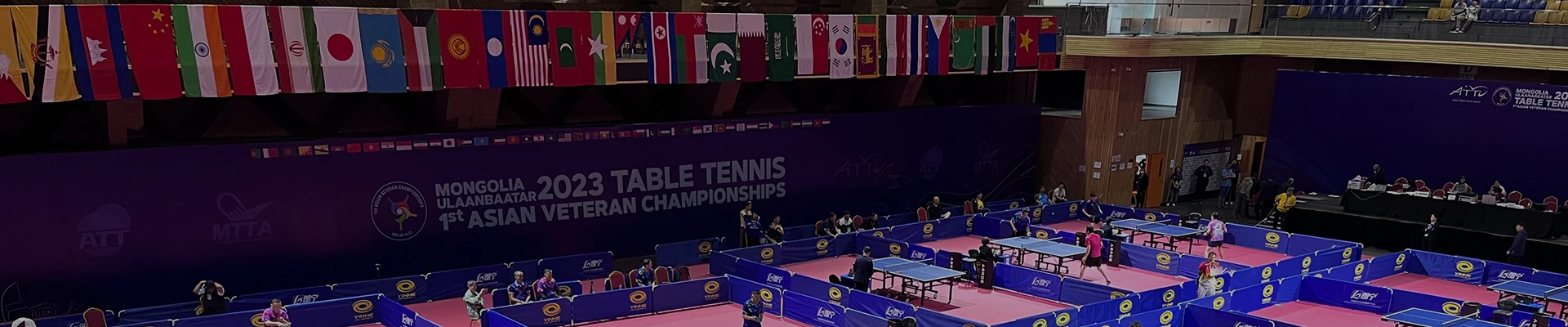
Indoor Basketball Court Floor: Durable, Safe & Sustainable Flooring Solutions
Understanding the Importance of Indoor Basketball Court Floor
When we think about basketball, our minds often jump to the players’ skills, the crowd’s roar, or the swish of the net. But a crucial, often overlooked component underpins the entire game: the indoor basketball court floor. Why does it matter? Globally, sports facilities are on the rise, and with them a surge in demand for quality sports flooring that meets both safety and performance standards. Beyond professional arenas, schools, community centers, and gyms need durable, reliable indoor courts that can stand the test of time and wear.
Understanding the technology and design behind indoor basketball court floors isn’t just a niche subject—it’s key to promoting safer play environments worldwide, maximizing facility lifespan, and even impacting local economies through sports tourism and community development.
A Global Perspective: Why Indoor Basketball Court Floors Matter Today
The global construction of indoor sports facilities has grown at an impressive rate. According to data from the International Organization for Standardization (ISO), there’s been a 15% yearly increase in indoor court builds across Asia-Pacific and North America alone over the last decade. What’s driving this? Urbanization, rising health consciousness, and major events (think Olympics or FIBA championships) all push the demand for top-tier sports venues.
However, challenges remain. Many older buildings suffer from inferior flooring materials, leading to player injuries or costly maintenance. Environmentally, outdated floors often use non-sustainable materials—something the global sports community is trying to change.
Put simply: the indoor basketball court floor is no longer just a surface. It’s a sophisticated system addressing safety, sustainability, and sport-specific performance worldwide.
What Exactly Is an Indoor Basketball Court Floor?
Simply put, the indoor basketball court floor is the specially engineered surface you see in professional or community indoor gyms where basketball is played. It’s not just wood planks glued together; it’s a complex layered assembly designed to absorb shock, provide grip, and stand up to heavy use.
Modern courts often incorporate:
- Hardwood (mostly Maple) for the top layer, prized for its strength and smoothness.
- Underlayers of cushioning materials—rubber pads or foam—to reduce joint stress.
- Moisture barriers and finish coatings to protect against damage and enhance durability.
In the broader industry, these floors symbolize advancements in safety engineering and smart construction. Their design integrates with standards from agencies like the FIBA and the ASTM.
Core Features That Define a Quality Indoor Basketball Court Floor
1. Durability
Basketball courts take a beating. Continuous high-impact jumps, sprints, and moving equipment mean the floor needs to hold strong over years. High-quality hardwood combined with layered cushioning keeps it functional and looking good.
2. Shock Absorption & Player Safety
Impact injuries are no joke. The best floors have responsive cushioning systems that reduce stress on knees and ankles, helping athletes perform longer and reducing long-term injuries.
3. Traction & Playability
A good indoor basketball floor strikes the perfect balance between stickiness and slide. Players need enough grip to pivot and cut without slipping but also the ability to move fluidly.
4. Maintenance & Cost Efficiency
While initial costs can be high, investing in quality flooring reduces repairs and replacements. Maintenance routines often include regular refinishing and moisture control to preserve hardwood.
5. Sustainability
Increasingly, manufacturers use sustainably sourced wood and low-VOC finishes. Some flooring now integrates recycled materials into cushioning layers, reducing environmental footprints.
Mini takeaway: A top-tier indoor basketball court floor combines durability, safety, and sustainability — a balancing act that takes smart design and quality materials.
Where Are Indoor Basketball Court Floors Making a Real Impact?
From community centers in Europe to college gyms in the US and new indoor stadiums across China, these floors serve diverse needs. Here are a few contexts:
- Urban Sports Complexes: High traffic demands long-lasting performance and easy maintenance.
- Schools & Universities: Safety features help protect young athletes, while adaptable designs accommodate multiple sports.
- Professional Arenas: Exacting standards from organizations like the NBA require precision engineering and top-tier materials.
- Disaster Relief & Temporary Sports Facilities: Quick-to-install modular systems enable pop-up courts where community rebuilding is underway.
Oddly enough, in some remote industrial zones, well-built indoor courts serve as crucial recreational hubs, boosting worker morale year-round.
The Long-Term Benefits of Investing in Quality Indoor Basketball Court Floors
Looking past the buzz of immediate performance, these floors offer tangible benefits:
- Cost Savings: Fewer repairs and longer lifespan translate to better ROI.
- Environmental Responsibility: Sustainable woods and finishes align with evolving policies and consumer expectations.
- Player Health & Safety: Reduced injury rates foster trust among athletes and organizations.
- Community Engagement & Social Impact: Comfortable, safe arenas encourage participation and local growth.
And honestly, it just feels better to play on a court that was designed thoughtfully.
Emerging Trends in Indoor Basketball Court Floors
Sports flooring isn’t standing still: new tech and ideas keep rolling in.
- Digital Monitoring: Embedded sensors that track wear or player movement data to optimize maintenance and training.
- Eco-Friendly Innovations: Biodegradable finishes, recycled materials, and energy-saving production techniques.
- Modular Systems: Systems that allow faster installation or reconfiguration to serve multiple sports.
- Enhanced Shock Absorption: New polymer blends and air-pad systems for even safer play surfaces.
Common Challenges and How Experts Are Overcoming Them
Not every court is perfect. Moisture damage remains one nightmare for many gym managers, causing warping or mold. The upfront cost barrier can also discourage smaller institutions from investing in premium floors. However:
- Solution to Moisture: Advanced vapor barriers and climate control strategies minimize risks.
- Cost Issues: Modular and prefabricated flooring options help spread installation cost and allow phased upgrades.
- Material Lifespan: Research into ultra-durable coatings extends surfaces’ life even under intense usage.
Frequently Asked Questions About Indoor Basketball Court Floors
- What makes maple wood preferred for indoor basketball floors?
- Maple’s tight grain and hardness provide a smooth, durable, and consistent surface ideal for the rapid movements and impact in basketball. It resists dents and offers excellent traction when finished properly.
- How long does a typical indoor basketball court floor last?
- With regular maintenance including cleaning and resurfacing every few years, a well-built court can last 20–40 years before full replacement is needed.
- Are there eco-friendly options for basketball court floors?
- Yes—many manufacturers now offer sustainably harvested wood floors and low-VOC finishes. Some floors incorporate recycled shock-absorbing materials to reduce environmental impact.
- Can indoor basketball flooring be installed over existing surfaces?
- Often, yes. Systems like engineered wood or modular tiles can be installed over concrete or old flooring, reducing renovation time and cost.
Product Specification Table: Sample Indoor Basketball Court Floor
| Feature | Specification | Notes |
|---|---|---|
| Surface Material | Hard Maple Hardwood | 60mm thickness |
| Shock Absorption | 15% impact reduction | Complies with ASTM F2772 standard |
| Finish | UV-cured polyurethane coating | Low VOC emissions |
| Underlayment | Rubber pad system | Provides vibration damping |
| Installation Time | 4–6 weeks for 1,000 m² | Varies with region and prep work |
Vendor Comparison Table: Leading Indoor Basketball Court Floor Providers
| Vendor | Material Quality | Customization | Sustainability | Warranty | Typical Pricing |
|---|---|---|---|---|---|
| HardCourt Pro | Premium Maple | Full design flexibility | FSC-certified wood | 15 years | $$$ |
| SportFlo Systems | Engineered Hardwood | Modular options | Uses recycled underlayment | 10 years | $$ |
| EcoPlay Floors | Bamboo & Sustainable Woods | Custom finishes | 100% sustainable sourcing | 12 years | $$$ |
If you want to delve deeper into the technicalities or explore options for your venue, check out our detailed guides on indoor basketball court floor solutions.
Wrapping It Up: Why Indoor Basketball Court Floors Are Worth Your Attention
The next time you watch a close game, think about what’s under the players’ feet. The indoor basketball court floor is a carefully crafted surface that blends technology, safety, and style, enhancing every dribble and jump. It’s an investment in health, sustainability, and the joy of sport itself.
Want to ensure your facility stays top-tier and welcoming? Visit https://www.langningsports.com and browse superior flooring options tailored for your needs today.
Thanks for reading. It’s amazing how the right floor can elevate a whole game’s spirit—and sometimes your community’s.
References
-
Premium Outdoor Dance Floor for Sale Professional Event SurfacesNewsApr.16,2026
-
Premium Professional White Dance Floor for Sale and Buying GuideNewsApr.09,2026
-
Find Your Perfect Portable Dance Floor for Sale and Create Unforgettable EventsNewsApr.07,2026
-
Find High Quality Dance Flooring for Sale and Expert GuidanceNewsApr.04,2026
-
Comprehensive Guide to Durable Commercial Vinyl Solutions for BusinessesNewsMar.31,2026
-
Comprehensive Commercial Flooring Management for Business LongevityNewsMar.28,2026
-
Comprehensive Guide to Selecting the Right Commercial Flooring MaterialsNewsMar.26,2026