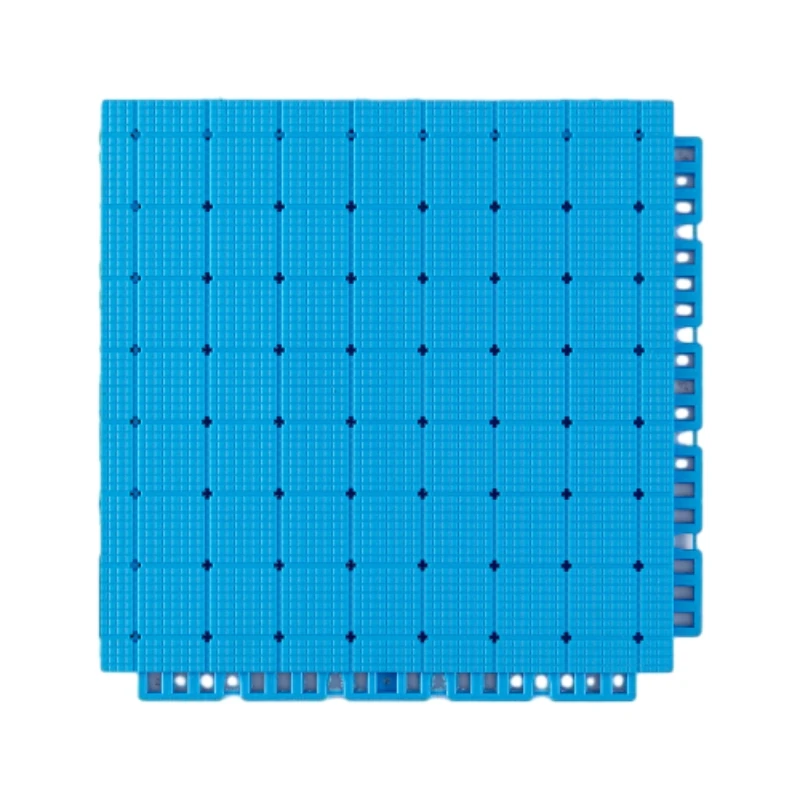
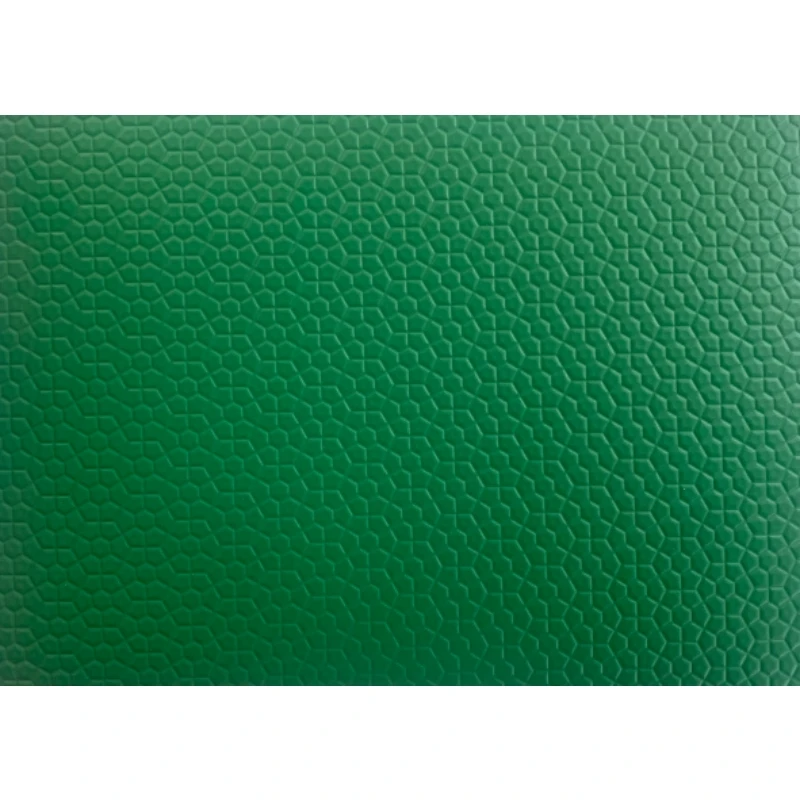
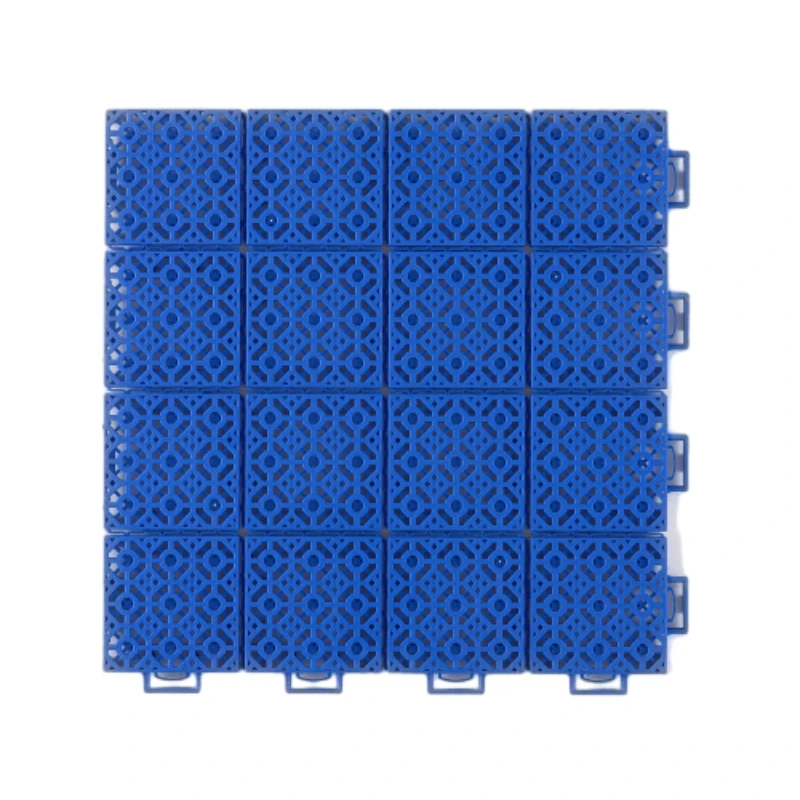
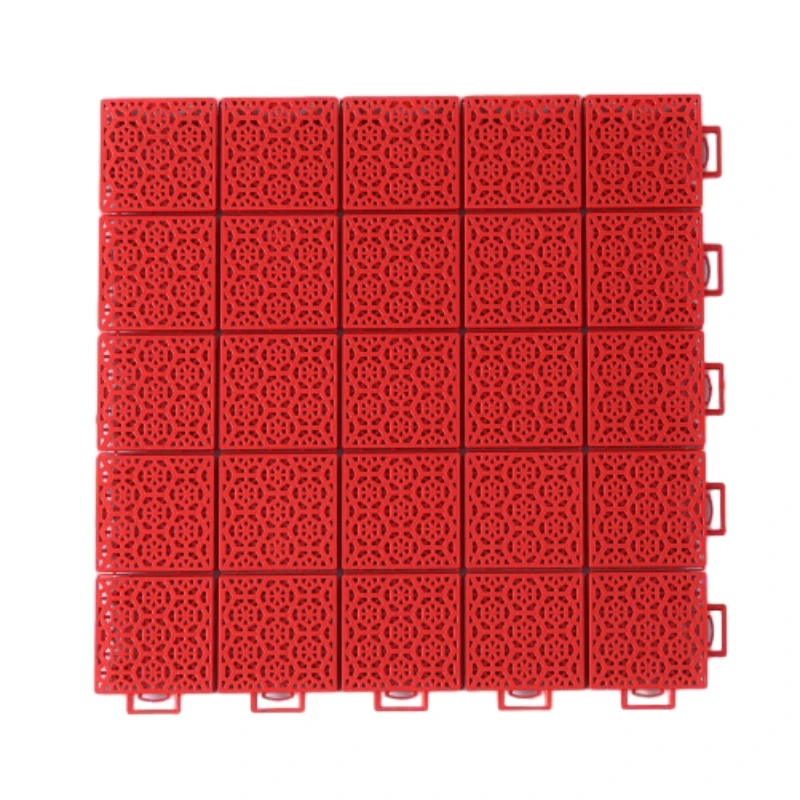
Malaysia's unique equatorial climate, characterized by high humidity and frequent heavy rainfall, presents significant challenges for outdoor sports facilities. Conventional surfaces often suffer from rapid degradation or become hazardous due to moisture retention. To combat this, the adoption of outdoor sport court tiles has increased, as these interlocking systems allow for superior drainage and thermal expansion, ensuring the court remains playable and safe regardless of the weather conditions prevalent in regions like Kuala Lumpur or Penang.
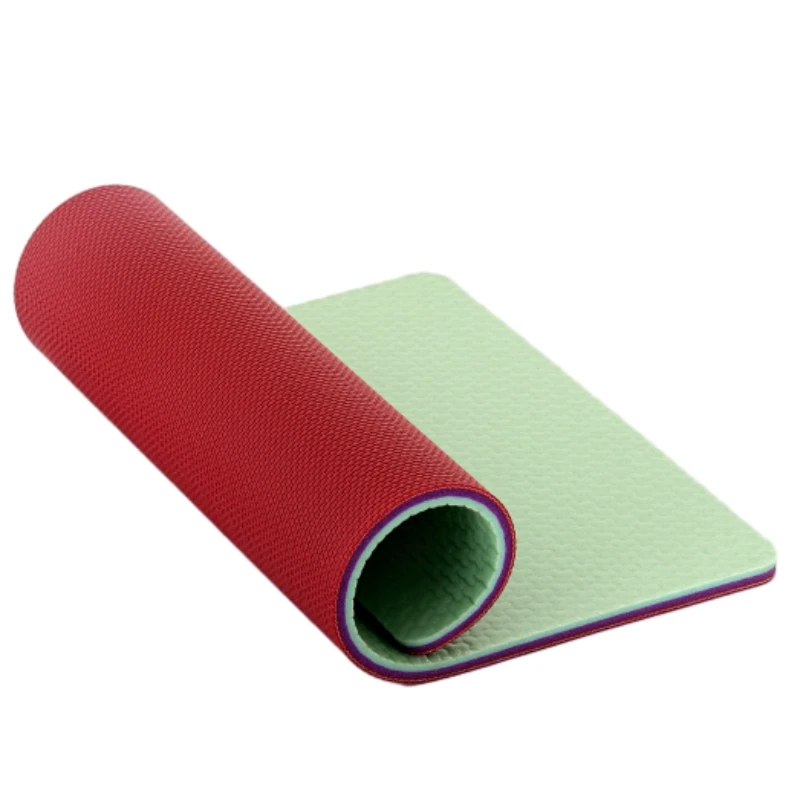
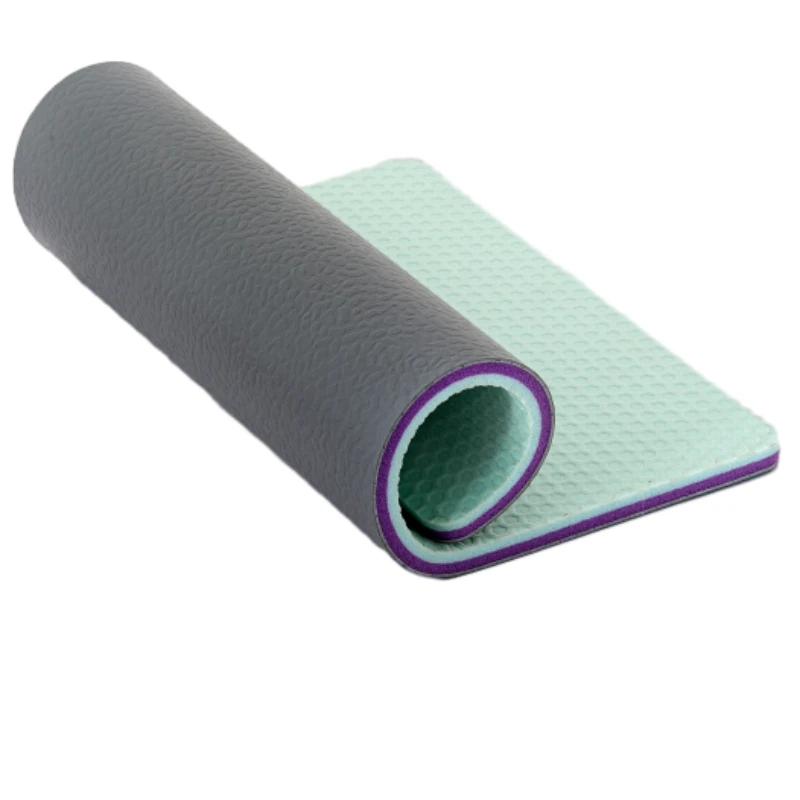
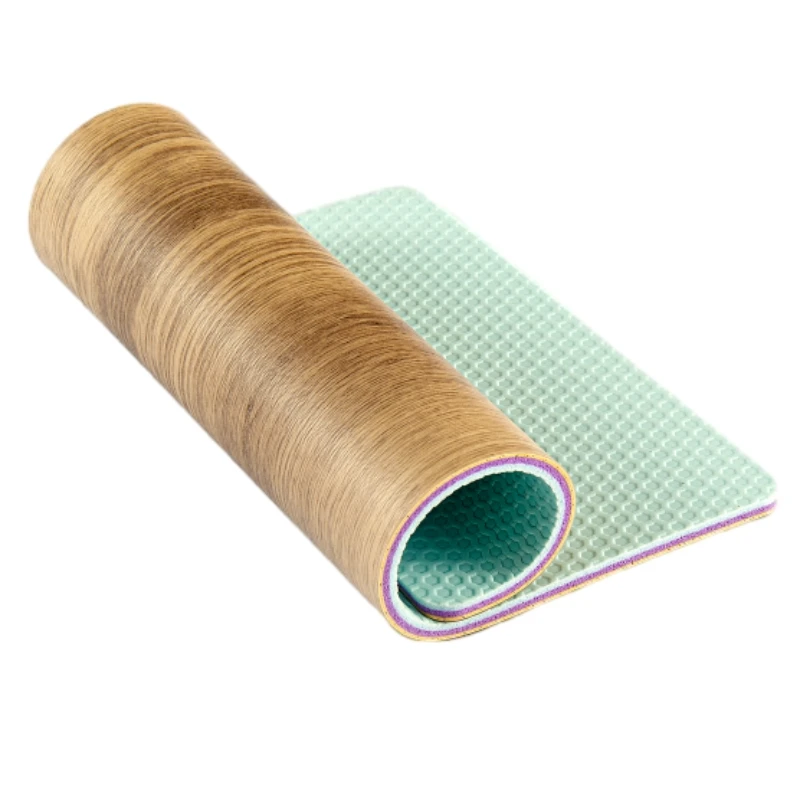
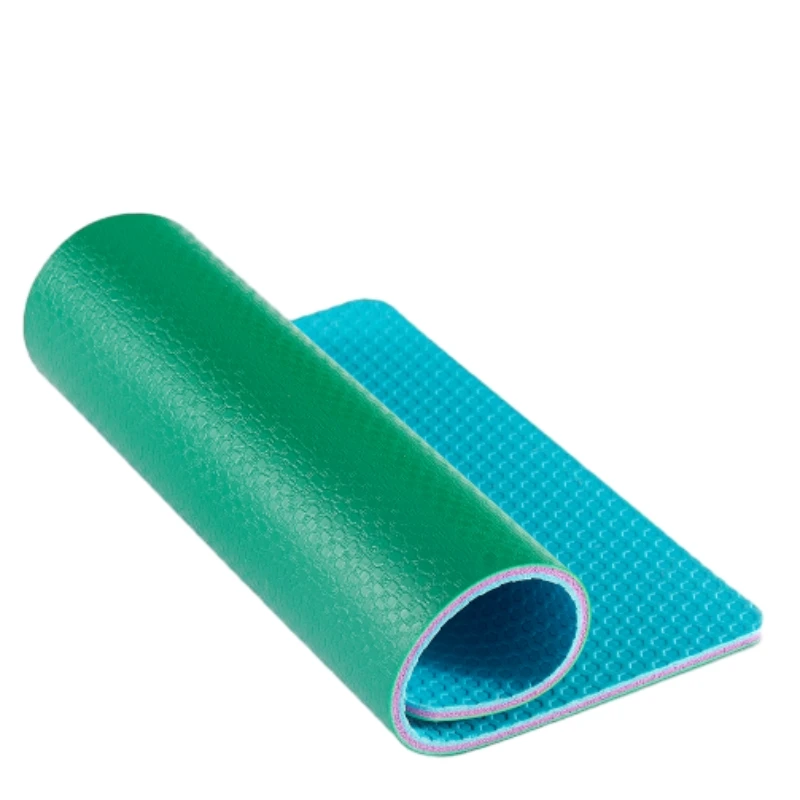
Beyond climate, the growing demand for multi-purpose sports hubs in urban areas has shifted procurement priorities toward versatility. Facility managers now seek a pvc sport floor that can transition seamlessly between different athletic activities. The focus has moved from simple installation to long-term lifecycle value, where ease of maintenance and shock absorption become critical factors in reducing athlete injuries and minimizing operational downtime in high-traffic community centers.
From an industry perspective, there is a clear trend toward international standardization. As Malaysia hosts more regional competitions, the requirement for FIBA and BWF compliant surfaces is no longer optional. This shift necessitates a move away from generic plastic coatings toward engineered polymer systems that offer consistent ball bounce and predictable traction, ensuring that local athletes can train on surfaces that mirror global professional standards.