


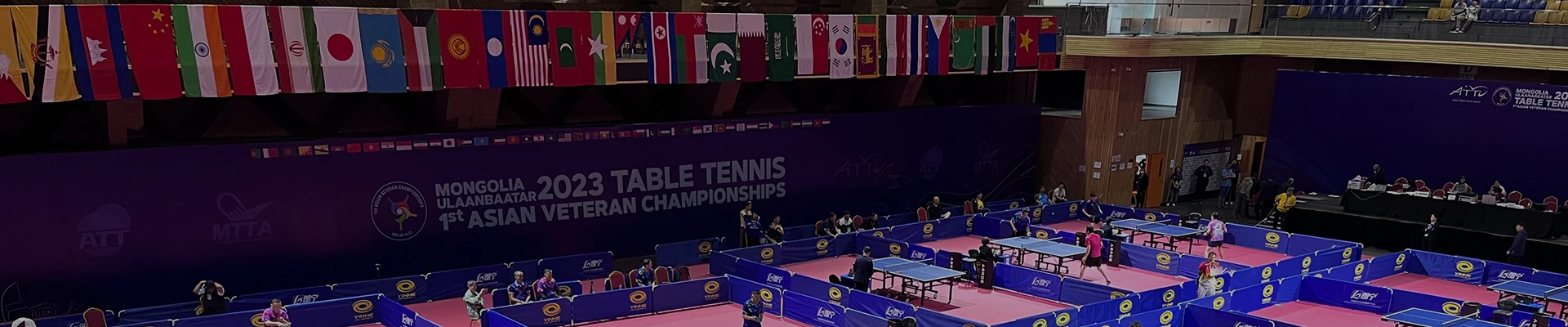
Durable & Safe Basketball Gym Floor Tiles | Quick Installation & Eco-Friendly
Getting to Know Basketball Gym Floor Tiles: Why They Matter
When you think about a great basketball game, your mind probably jumps to those slick moves, buzzer-beaters, and roaring crowds. But have you ever stopped to think about what’s beneath the players’ feet? That's where basketball gym floor tiles come into play—and trust me, they’re a silent MVP of the game.
Globally, sport flooring goes beyond aesthetics; it directly impacts player safety, game integrity, and maintenance costs. Understanding these floor tiles isn’t just for gym owners or flooring experts but for anyone invested in sports, education, or recreation development worldwide.
So let’s walk through why these interlocking floor tiles are increasingly becoming the standard not only in professional gyms but also in schools, community centers, and even emergency setups. It’s a blend of design, technology, and sustainability that you might find surprisingly thoughtful.
The Global Context: A Closer Look at Basketball Gym Floor Tiles
Back in 2022, the World Bank reported growing investments in sports infrastructure in both developed and developing countries — with a notable spike in multi-purpose court installations. Basketball's global popularity (more than 450 million active players worldwide according to FIBA) means that durable, safe, and easily maintainable floors are crucial.
However, many facilities, especially those in emerging economies or disaster-prone areas, face challenges like high installation costs, wear from heavy use, and climate-related damage (humidity, flooding). This is where basketball gym floor tiles come in—they offer modular, cost-effective, and weather-resistant solutions. In fact, ISO 9001 certification is common among manufacturers, ensuring quality standards that communities worldwide can count on.
Aside from traditional gymnasium construction, versatile floor tiles close a gap in settings where permanent wood floors aren’t feasible due to budget or location. So basically, they’re making basketball courts more accessible on a global scale.
Takeaway:
- Basketball gym floor tiles address global demand for safe, flexible flooring solutions.
- They serve emerging economies and emergency programs with cost-efficient installations.
What Exactly Are Basketball Gym Floor Tiles?
In simple terms, basketball gym floor tiles are individual panels—usually made from durable plastic composites or polypropylene—that interlock to form a complete, level playing surface. Think of it as a giant jigsaw puzzle designed specifically for basketball courts.
Unlike traditional hardwood floors that require permanent installation and specialized upkeep, these tiles snap together without adhesives or nails, allowing quick assembly and disassembly. This is ideal for multi-use venues and makes transportation easier, which explains their rising appeal in humanitarian projects and temporary gyms.
They accommodate shock absorption, traction, and even ball bounce characteristics regulated by sports governing bodies to ensure the game feels just right, no matter where you play.
Takeaway:
- Basketball gym floor tiles are modular, interlocking panels designed for quick setup and consistent performance.
- They mimic the feel of classic gym floors while adding transportability and maintenance ease.
Key Features of Basketball Gym Floor Tiles
Durability and Shock Absorption
One of the first things engineers focus on is impact resistance. High-quality tiles combine durable polymers with layered structures to absorb shock—protecting players’ knees and ankles. Oddly enough, some designs mimic wood by using a polyethylene top layer over a flexible base.
Installation & Scalability
Because the tiles snap together, you can install a full court in a day or break down an existing one within hours. This flexibility lets schools or event organizers adapt spaces temporarily without heavy machinery or skilled labor.
Cost Efficiency
Compared to hardwood or synthetic resin floors, gym floor tiles offer upfront savings (no special subfloor prep needed) and lower maintenance costs—no waxing, sanding, or expensive repairs if a section gets damaged.
Maintenance & Hygiene
Many tiles have antimicrobial coatings and water-resistant properties, so spills, sweat, or even flooding don’t ruin the surface. Just a quick mop is usually enough—ideal for busy gym environments.
Design and Aesthetics
Manufacturers now offer a variety of colors, logos, and court markings embedded right into tiles, so creating custom court designs for branding or events is a breeze.
Compatibility & Environment-Friendly Materials
Recent trends favor recyclable materials and eco-friendly manufacturing processes—reducing the environmental footprint without compromising performance.
Mini Takeaway:
- Durability and safety are top priorities built into these tiles.
- Quick installation and low upkeep are major selling points.
Applications Around the World: Where Basketball Gym Floor Tiles Shine
In urban school districts in the U.S., these tiles retrofit aging gyms with minimal downtime, offering students a fresh court in weeks instead of months. Meanwhile, in remote areas of Africa and Southeast Asia, NGOs use interlocking tiles in temporary shelters and community centers, turning rough floors into safe, playable surfaces within days.
Military bases and disaster relief operations also benefit — after all, a hardy, easy-to-clean gym floor can support fitness and morale in tough environments. And corporate offices with wellness programs increasingly install modular courts that can be reconfigured for different sports or events.
Takeaway:
- Used across schools, humanitarian aid projects, military, and scouting camps.
- Perfect for flexible, temporary, or permanent multi-use spaces worldwide.
What Are the Advantages & Long-Term Value?
- Player Safety: Reduces injuries thanks to controlled shock absorption.
- Economic Impact: Lowers upfront and maintenance costs compared to traditional floors.
- Sustainability: Recyclable materials decrease landfill waste and carbon footprints.
- Social Benefits: Enables rapid community building, health, and recreation in underserved areas.
- Durability: Weather-resistant and impact-tested for years of use.
Honestly, these tiles hold emotional weight too — I’ve spoken to coaches who say the ease of setup lets them focus more on teaching and less on logistics. The intangible feel of trust and safety permeates every game played on these floors.
Product Specification Table
| Specification | Detail |
|---|---|
| Material | Polypropylene & UV stabilized polymers |
| Tile Size | 12" x 12" (30.5 cm x 30.5 cm) |
| Thickness | 14 mm (0.55 inches) |
| Weight per Tile | Approximately 0.6 lbs (270g) |
| Shock Absorption | 25% impact reduction tested to ASTM F2772 |
| Color Options | Over 20 custom colors & court line markings |
Vendor Comparison: Choosing the Right Basketball Gym Floor Tiles
| Feature | Vendor A | Vendor B | Vendor C |
|---|---|---|---|
| Installation Time | 4 hours / full court | 6 hours / full court | 3.5 hours / full court |
| Shock Absorption % | 25% | 18% | 20% |
| Warranty | 10 years | 7 years | 8 years |
| Price Range | $$$ | $$ | $$$ |
| Eco-friendliness | Recycled materials | Standard polymers | Biodegradable coating option |
Looking Ahead: Trends and Innovations in Basketball Gym Floor Tiles
If you ask manufacturers what’s keeping them up at night, it’s all about improving sustainability while enhancing performance. Next-gen materials include bio-based polymers and improved UV resistance with nano-coatings—meaning courts that resist fading and cracking even after decades outdoors.
Plus, digital technologies promise smart flooring embedded with pressure sensors to help coaches track player movements or detect fatigue-related injury risks. Imagine a floor that talks back. It’s kind of Sci-Fi but déjà vu for tech nerds in sports.
Even policies are nudging installers toward low-VOC adhesives (or no adhesives at all) and circular economy models where old tiles get recycled into new ones instead of landfill.
Challenges and How the Industry is Tackling Them
Not everything is perfect. Some common gripes include slight differences in tile fluffiness that can affect the bounce or minor gaps after long use in extreme temperatures. However, innovation has addressed this via interlocking edges with adaptive spacing and temperature-resistant blends.
Another hurdle is awareness—many institutions still prefer traditional hardwood floors for “authenticity.” But once the long-term benefits and shortcuts in installation are better known, demand is quick to catch up.
FAQs: Your Questions About Basketball Gym Floor Tiles
- Q: How long do basketball gym floor tiles typically last?
- A: With proper care, many modular gym floor tiles can last 10 to 15 years. Their durability depends largely on usage frequency, environment, and maintenance, but they generally outlast synthetic resin floors with less upkeep.
- Q: Are basketball gym floor tiles suitable for outdoor courts?
- A: Yes, many tiles are UV-stabilized and water-resistant, making them ideal for outdoor use. Still, choosing tiles designed specifically for exterior exposure is important to prevent warping and fading.
- Q: Can these tiles be installed over existing gym surfaces?
- A: Absolutely. Their modular design allows placement over concrete, asphalt, or even wooden subfloors—minimizing subfloor preparation and reducing installation time.
- Q: How do I maintain these floor tiles?
- Maintenance is straightforward: regular sweeping and occasional mopping with mild detergents avoid grime buildup. Unlike hardwood, there’s no need for waxing or sanding.
- Q: Where can I find good-quality basketball gym floor tiles?
- Reputable manufacturers often provide certification like ISO 9001 and come with product warranties. It’s best to check sites offering detailed specs and customer reviews, such as basketball gym floor tiles.
Wrapping It Up: A Solid Investment in Safe and Sustainable Play
To sum it up, basketball gym floor tiles aren’t just another flooring option—they represent a carefully designed fusion of safety, agility, and practicality. Their modularity and sustainability make them a perfect choice for gyms facing budget constraints, schools fostering sportsmanship, or communities building recreational programs from scratch. They even help humanitarian groups bring some fun and fitness to places that need it most.
So if you’re thinking about upgrading your court or starting a new one, why not dig a little deeper into these versatile tiles? Visit our website to explore the latest options and see how they could be the right fit for your space — your players will thank you.
References
-
Premium Outdoor Dance Floor for Sale Professional Event SurfacesNewsApr.16,2026
-
Premium Professional White Dance Floor for Sale and Buying GuideNewsApr.09,2026
-
Find Your Perfect Portable Dance Floor for Sale and Create Unforgettable EventsNewsApr.07,2026
-
Find High Quality Dance Flooring for Sale and Expert GuidanceNewsApr.04,2026
-
Comprehensive Guide to Durable Commercial Vinyl Solutions for BusinessesNewsMar.31,2026
-
Comprehensive Commercial Flooring Management for Business LongevityNewsMar.28,2026
-
Comprehensive Guide to Selecting the Right Commercial Flooring MaterialsNewsMar.26,2026