


Durable Playground Floor Tiles: Safe & Quality Outdoor Mats
The Imperative of High-Performance playground floor tiles in Modern Infrastructure
In contemporary urban planning and recreational facility development, the selection of appropriate flooring solutions for play areas is paramount. Advanced playground floor tiles are no longer merely aesthetic components but critical safety infrastructures designed to mitigate injury risks, endure harsh environmental conditions, and provide inclusive accessibility. This article delves into the technical intricacies, manufacturing excellence, and strategic advantages of modern playground flooring, catering to the exacting standards of B2B decision-makers and engineers.
The demand for robust, compliant, and sustainable playground floor tiles has driven significant innovation in material science and manufacturing processes. As a foundational element for any recreational space, these tiles must adhere to stringent safety regulations while offering long-term durability and minimal maintenance requirements. Our exploration will cover everything from their detailed production lifecycle to real-world application efficacy.
Manufacturing Process Flow: Engineering Superior Playground Flooring
The production of high-quality playground floor tiles involves a meticulously controlled, multi-stage process designed to ensure consistent material properties, dimensional stability, and adherence to safety standards. These sophisticated manufacturing techniques are pivotal in creating resilient playground mats capable of withstanding continuous use and diverse environmental stressors.
-
Raw Material Sourcing & Preparation:
High-grade recycled SBR (Styrene Butadiene Rubber) granules are meticulously sourced, often from automotive tires, ensuring sustainability and robust performance. These are blended with vibrant EPDM (Ethylene Propylene Diene Monomer) virgin rubber granules for UV stability, colorfastness, and enhanced aesthetic appeal. A specialized polyurethane binder acts as the adhesive matrix, forming a durable composite.
-
Precision Mixing & Compounding:
The SBR and EPDM granules are dry-blended in industrial mixers to achieve uniform distribution. Subsequently, the precise quantity of polyurethane binder is introduced and thoroughly mixed, ensuring optimal adhesion and consistency for the subsequent molding process. This step is critical for the final tile's structural integrity.
-
Compression Molding & Vulcanization:
The compounded material is precisely dosed into high-pressure compression molds. Under controlled temperature and pressure, the material is vulcanized – a process where the rubber polymer chains cross-link, enhancing elasticity, strength, and chemical resistance. This is a key differentiator from simpler poured-in-place systems, offering superior density and impact attenuation.
-
Curing & Cooling:
After vulcanization, the molded tiles undergo a controlled curing and cooling phase. This prevents deformation and ensures dimensional stability, reducing internal stresses within the material. Proper curing is essential for the long-term performance and service life of the outdoor playground flooring.
-
Trimming & Quality Control:
Each tile is precisely trimmed to its final dimensions, removing any excess material or flashing. A rigorous quality control process follows, involving visual inspection, dimensional checks, and critical performance testing. This includes assessments for surface evenness, interlock integrity, and color consistency.
-
Performance Testing & Certification:
Finished playground tiles undergo a suite of tests aligned with international standards such as ASTM F1292 (Standard Specification for Impact Attenuation of Surfacing Materials Within the Use Zone of Playground Equipment), ASTM F1951 (Accessibility), and ISO 9001 (Quality Management Systems). These tests confirm critical parameters like critical fall height (CFH), slip resistance, fire rating, and resistance to UV degradation. Our commitment to ISO 9001 ensures that every batch meets the highest standards of quality and safety.
The target industries for these advanced playground floor tiles include municipal parks and recreation departments, educational institutions (schools, universities), childcare centers, sports complexes, residential community developers, and theme parks. The advantages in typical application scenarios are profound, primarily focusing on enhanced child safety, extended service life (typically 10-15 years under normal conditions), superior weather resistance, and reduced maintenance costs compared to loose-fill alternatives.
Industry Trends and Market Dynamics in Playground Flooring
The global market for playground floor tiles is evolving rapidly, driven by heightened safety awareness, regulatory pressures, and a push towards sustainable materials. Key trends include the integration of smart sensor technology for monitoring surface conditions, the development of bio-based and recycled content materials, and innovative aesthetic designs that transform play areas into engaging, vibrant spaces. Demand for low-VOC (Volatile Organic Compound) products and those contributing to LEED (Leadership in Energy and Environmental Design) certification is also on the rise, reflecting an industry-wide commitment to environmental stewardship. Modular designs, offering ease of installation and replacement, are gaining significant traction, including high-performance solutions like our Zhanche soft-connection systems which are adaptable for various sports and recreational applications, demonstrating the versatility and engineering precision that can be applied to playground mats for sale.
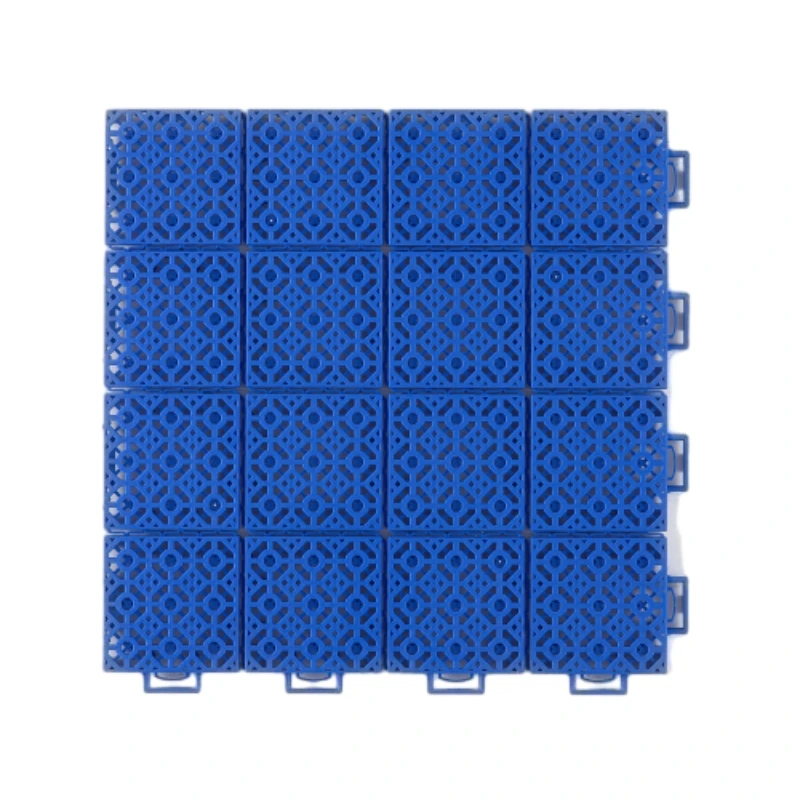
Figure 1: High-performance interlocking playground floor tiles in a vibrant recreational setting.
Technical Specifications: Precision Engineered for Safety and Durability
The performance of playground floor tiles is quantifiable through a range of critical technical parameters. Understanding these specifications is essential for selecting a solution that meets project requirements and regulatory compliance. Below is a representative table outlining key product specifications for premium recycled rubber playground tiles.
Product Specification Table: Premium Recycled Rubber Playground Tiles
| Parameter | Specification | Testing Standard |
|---|---|---|
| Material Composition | Recycled SBR Rubber Granules, EPDM Virgin Rubber (top layer), Polyurethane Binder | Internal Material Analysis |
| Tile Dimensions | 500mm x 500mm (standard), custom sizes available | ISO 2859-1 (Dimensional Tolerance) |
| Thickness Range | 25mm to 100mm (0.98 in to 3.94 in) | ASTM F1292 Annex A1 |
| Critical Fall Height (CFH) | Up to 3.0 meters (9.84 ft), depending on thickness | ASTM F1292-18 / EN 1177:2018 |
| Density | 900 - 1100 kg/m³ | ASTM D1622 |
| Tensile Strength | Min. 0.6 MPa | ASTM D412 |
| Shore Hardness (A) | 60-70 | ASTM D2240 |
| Slip Resistance | High, wet & dry conditions | ASTM F355 / EN 13036-4 |
| UV Stability | Excellent, minimal fading (EPDM top layer) | ASTM G154 (Accelerated Weathering) |
| Fire Rating | Class BFL-s1 (European), equivalent to Class A (US) for flooring | EN 13501-1 |
| Accessibility Compliance | ADA (Americans with Disabilities Act) compliant | ASTM F1951-14 |
Technical Advantages and Application Scenarios
The inherent technical advantages of modern playground floor tiles translate directly into superior performance and operational benefits across diverse application scenarios.
Key Technical Advantages:
- Superior Impact Attenuation: Engineered to absorb maximum kinetic energy, significantly reducing the risk of severe injuries from falls, meeting and often exceeding critical fall height requirements for various equipment.
- Exceptional Durability and Longevity: Resistant to heavy foot traffic, punctures, abrasions, and extreme weather conditions (UV radiation, frost, heat). This translates to a longer service life, often exceeding 10-15 years, minimizing replacement cycles and lifecycle costs.
- Slip Resistance: Textured surfaces and specific material compositions ensure high slip resistance in both wet and dry conditions, crucial for active play environments.
- Low Maintenance: Non-absorbent, easy to clean, and resistant to microbial growth. Unlike loose-fill materials, these playground mats do not require regular raking or replenishment.
- Environmental Sustainability: Primarily manufactured from recycled rubber, contributing to waste reduction and promoting eco-friendly infrastructure development.
- All-Weather Performance: Designed to perform optimally in various climates, from arid deserts to freezing winters, without cracking, warping, or degrading.
- Accessibility Compliance: Smooth, uniform surfaces facilitate unhindered access for wheelchairs, strollers, and individuals with mobility challenges, ensuring inclusive play environments.
Application Scenarios:
- Public Parks and Municipal Playgrounds: Ideal for high-traffic public spaces requiring maximum safety and durability, such as community parks, urban plazas, and recreation centers.
- Educational Institutions: Essential for schools, kindergartens, and university recreational areas, where student safety is a top priority.
- Childcare Facilities: Providing a safe and hygienic play surface for infants and young children in daycare centers and nurseries.
- Sports and Fitness Areas: Complementing athletic facilities, providing a safe surfacing solution around outdoor gyms, climbing structures, and multi-purpose play courts.
- Residential Developments: Enhancing the safety and appeal of common play areas within housing estates and private communities.
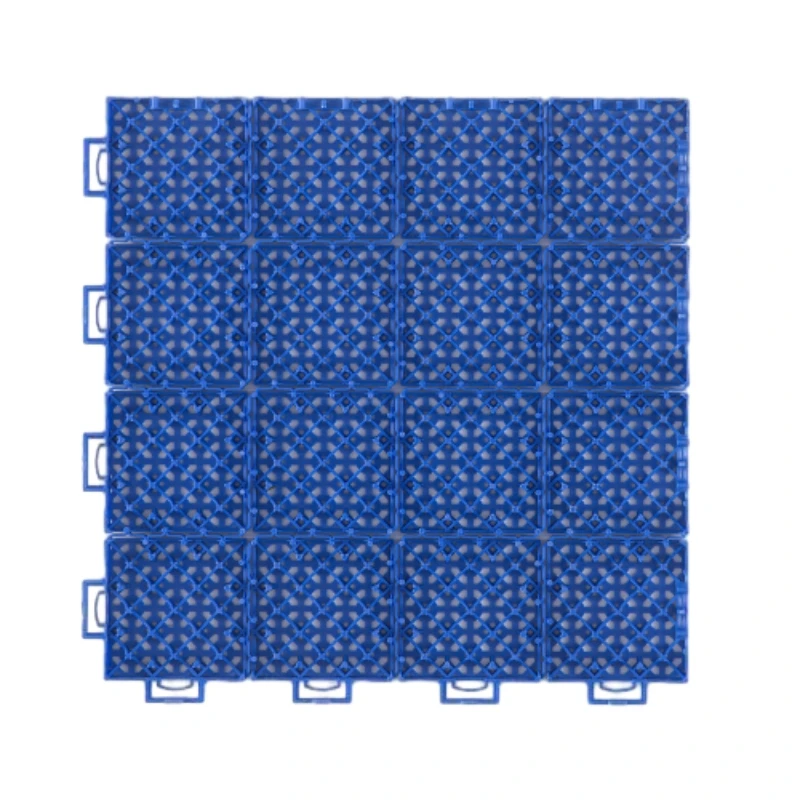
Figure 2: Versatile playground floor tiles creating a safe and engaging play environment.
Vendor Comparison and Customized Solutions
When evaluating vendors for playground floor tiles, it is crucial to consider not only product specifications but also service reliability, adherence to standards, and customization capabilities. While many suppliers offer rubber tiles, the distinction lies in material quality, manufacturing precision, certification breadth, and post-sales support.
Key Differentiation Factors in Vendor Selection:
- Certifications & Compliance: Verify adherence to international safety standards (ASTM F1292, EN 1177) and quality management systems (ISO 9001).
- Material Provenance & Quality: Inquire about the source and type of rubber granules (e.g., EPDM virgin rubber for colorfastness, high-grade SBR for durability).
- Manufacturing Technology: Compression molding ensures uniform density and strength, superior to pour-in-place or lower-grade production methods.
- Customization Capabilities: The ability to offer tailored solutions in terms of color, thickness, design, and specific critical fall heights is a significant advantage.
- Warranty & Support: Comprehensive warranties and robust after-sales support reflect confidence in product quality and commitment to client satisfaction.
Customized Solutions: Tailoring Playground Flooring to Specific Needs
Recognizing that no two projects are identical, we specialize in delivering bespoke playground floor tiles solutions. This includes:
- Color & Design Customization: An extensive palette of EPDM top layer colors allows for intricate patterns, branding, and themed play areas, enhancing aesthetic appeal and engagement.
- Thickness & CFH Matching: Tiles can be manufactured to specific thicknesses to achieve exact critical fall height ratings, precisely matching the safety requirements of various playground equipment.
- Interlocking Systems: Offering various interlocking mechanisms for specific installation needs, ensuring secure, seamless surfaces resistant to shifting and vandalism. Our soft-connection technology, for instance, provides exceptional stability and ease of installation, similar to that used in premium playground mats.
- Edge & Ramp Integration: Custom-fabricated edge pieces and ADA-compliant ramps ensure a complete, accessible, and trip-hazard-free installation.
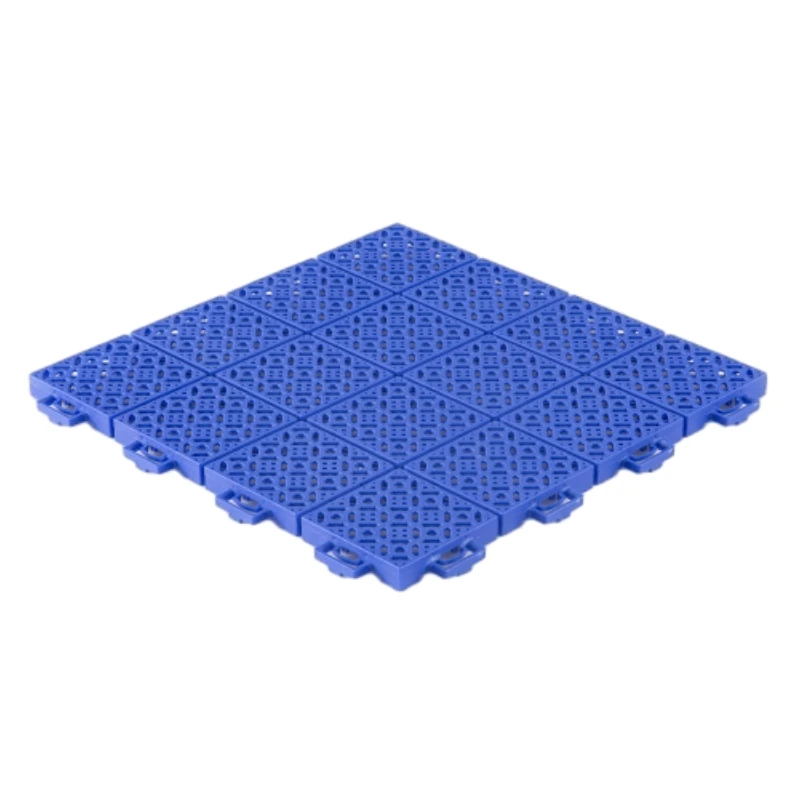
Figure 3: Modular playground floor tiles designed for precise fit and diverse color schemes.
Application Case Studies: Proven Performance of Playground Floor Tiles
Our playground floor tiles have been deployed in numerous high-profile projects, demonstrating their reliability and adherence to safety and performance benchmarks. These case studies highlight the tangible benefits for diverse clients.
Case Study 1: Municipal Park Revitalization Project - "Harmony Green"
- Client: City of Evergreen Parks & Recreation Department
- Challenge: An aging playground with inadequate loose-fill surfacing, failing to meet updated ASTM F1292 standards and requiring frequent maintenance. The client needed a durable, accessible, and aesthetically pleasing solution.
- Solution: Installation of 45mm thick interlocking outdoor playground flooring tiles across 300 square meters. The tiles were chosen for their 2.1-meter CFH rating, vibrant green and blue EPDM top layer, and seamless interlock system.
- Outcome: The project was completed on schedule, resulting in a fully compliant, visually appealing, and highly durable playground. Post-installation feedback highlighted significantly reduced maintenance hours and positive community response regarding enhanced safety and accessibility. The tiles have maintained their color and structural integrity through two harsh winters.
Case Study 2: Private School Expansion - "Bright Start Academy"
- Client: Bright Start Academy (K-6 School)
- Challenge: The school needed to expand its playground area rapidly for a growing student body. The primary concerns were quick installation, specific color schemes to match school branding, and an ultra-safe surface for various age groups, including areas under tall climbing structures.
- Solution: Provided a combination of 50mm and 75mm playground tiles, tailored to provide CFH ratings up to 2.8 meters. Custom color blends incorporating the school's primary and secondary colors were produced. The modular nature allowed for rapid deployment during a school holiday period.
- Outcome: The new playground was ready for students ahead of schedule. The customized color scheme significantly enhanced brand integration, and the varied thickness ensured optimal safety for all equipment. The school administration praised the ease of installation and the professionalism of the product and support team.
These examples underscore the versatility and robust performance capabilities of our engineered playground floor tiles in meeting rigorous project demands.
Trust & Reliability: FAQ, Lead Time, Warranty & Support
Building trust with our B2B partners is foundational. We provide transparent information regarding our processes, commitments, and support structures to ensure complete confidence in our playground floor tiles.
Frequently Asked Questions (FAQ):
- Q: What is the expected service life of your playground floor tiles?
- A: Our premium tiles typically have a service life of 10-15 years under normal usage and proper maintenance, thanks to high-quality materials and manufacturing processes.
- Q: Are the tiles compliant with international safety standards?
- A: Absolutely. All our playground tiles are rigorously tested and certified to meet or exceed international standards, including ASTM F1292, ASTM F1951, and EN 1177.
- Q: Can these tiles be installed on any surface?
- A: Our tiles are designed for installation on a stable, level sub-base, such as compacted aggregate, concrete, or asphalt. Proper sub-base preparation is key to optimal performance.
- Q: What are the environmental benefits of your flooring?
- A: Our tiles utilize a significant percentage of recycled SBR rubber, contributing to waste reduction and sustainable manufacturing practices. They are also designed for longevity, reducing material consumption over time.
Lead Time & Fulfillment Details:
Standard lead times for our playground floor tiles range from 3 to 6 weeks, depending on order volume, customization requirements, and current production schedules. We operate with efficient logistics partners to ensure timely delivery globally. For urgent projects or large-scale orders, please contact our sales team for an expedited assessment and tailored fulfillment plan.
Warranty Commitments:
We offer a robust 5-year limited warranty on our playground floor tiles, covering manufacturing defects and premature wear under normal usage conditions. This commitment reflects our confidence in the quality and durability of our products. Detailed warranty terms are available upon request.
Customer Support Information:
Our dedicated technical support team is available from Monday to Friday, 9:00 AM to 5:00 PM (local time). We provide comprehensive assistance for product selection, installation guidance, maintenance advice, and any post-purchase inquiries. Reach out via email at support@company.com or by phone at +1 (555) 123-4567. We are committed to fostering long-term partnerships through exceptional service.
References
- ASTM F1292. (2018). Standard Specification for Impact Attenuation of Surfacing Materials Within the Use Zone of Playground Equipment. ASTM International.
- EN 1177. (2018). Impact Attenuating Playground Surfacing - Critical Fall Height. European Standards.
- ISO 9001. (2015). Quality Management Systems – Requirements. International Organization for Standardization.
- The Playground Safety Handbook. (2020). U.S. Consumer Product Safety Commission (CPSC).
-
Premium Outdoor Dance Floor for Sale Professional Event SurfacesNewsApr.16,2026
-
Premium Professional White Dance Floor for Sale and Buying GuideNewsApr.09,2026
-
Find Your Perfect Portable Dance Floor for Sale and Create Unforgettable EventsNewsApr.07,2026
-
Find High Quality Dance Flooring for Sale and Expert GuidanceNewsApr.04,2026
-
Comprehensive Guide to Durable Commercial Vinyl Solutions for BusinessesNewsMar.31,2026
-
Comprehensive Commercial Flooring Management for Business LongevityNewsMar.28,2026
-
Comprehensive Guide to Selecting the Right Commercial Flooring MaterialsNewsMar.26,2026