


Comprehensive Guide to Commercial Vinyl Flooring Cost and Installation
Commercial Vinyl Flooring Cost: A Comprehensive Guide
Choosing the right flooring for a commercial space is a significant decision, balancing durability, aesthetics, and, crucially, cost. Commercial vinyl flooring is a popular choice, offering a compelling combination of benefits. This article will provide a detailed breakdown of commercial vinyl flooring cost, factors influencing price, and how to get the best value for your investment. Understanding these factors will help you make an informed decision that aligns with your budget and performance needs.
Factors Influencing Commercial Vinyl Flooring Cost
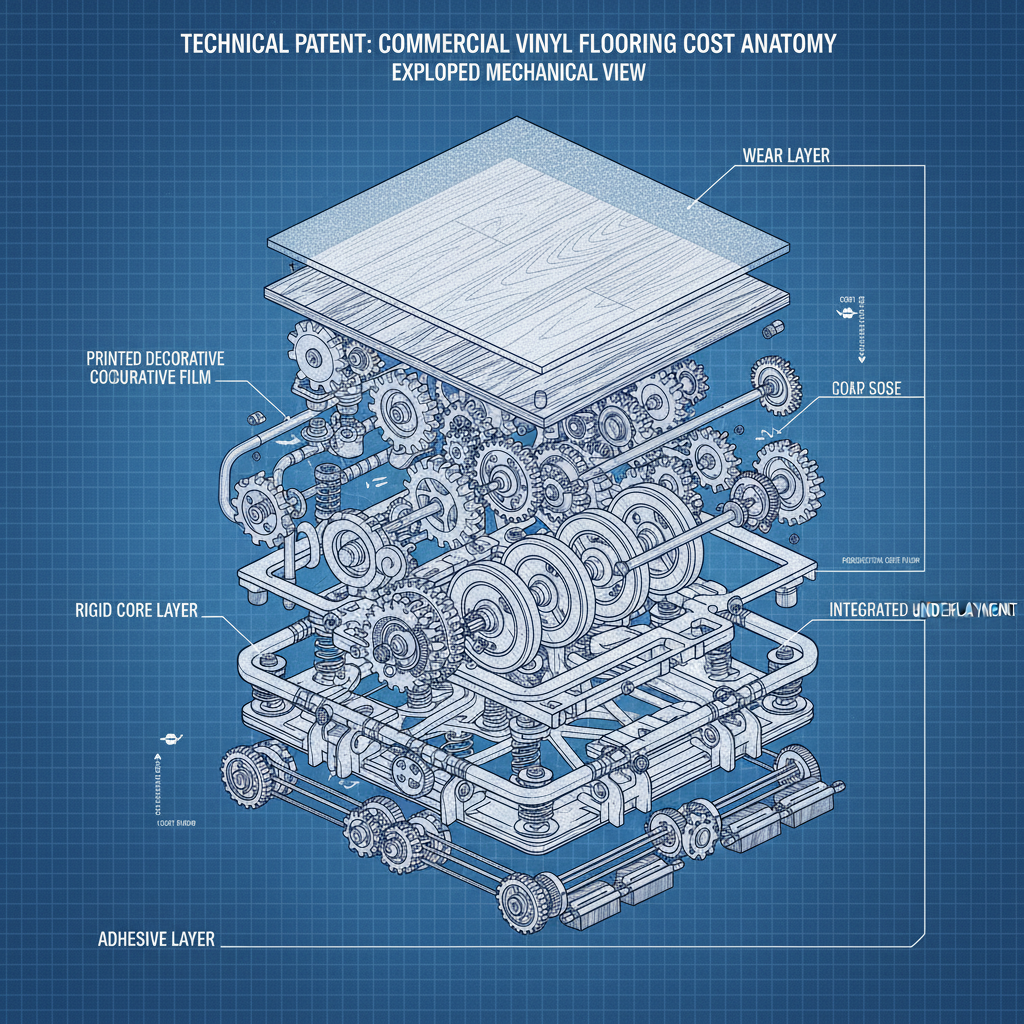
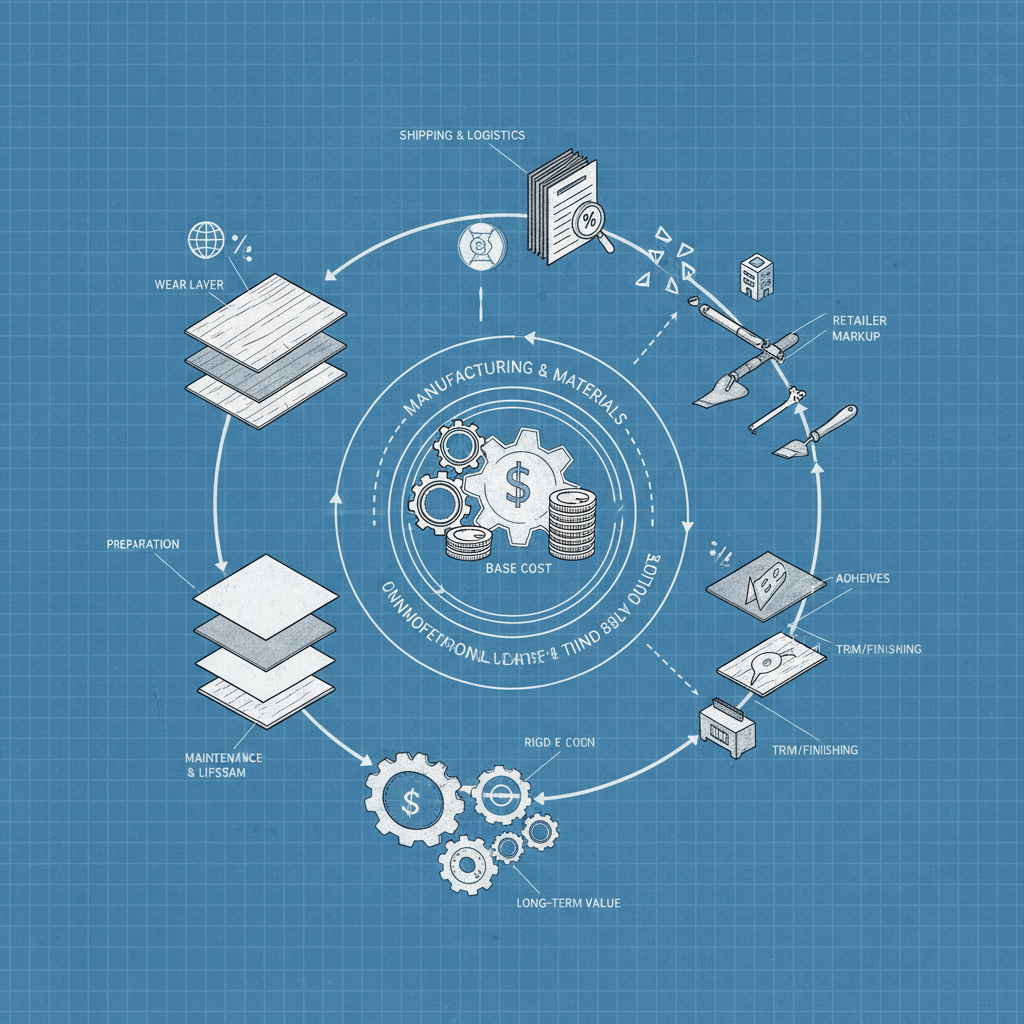
Several key factors determine the final cost of commercial vinyl flooring. These include the type of vinyl (Luxury Vinyl Tile - LVT, Luxury Vinyl Plank - LVP, Sheet Vinyl), the wear layer thickness, installation complexity, subfloor preparation, and the geographic location. Thicker wear layers provide greater durability and longevity but come at a higher price point. Installation costs can vary significantly depending on the size of the area, the intricacy of the pattern, and whether professional installers are used. Subfloor preparation is often an overlooked cost, but it’s vital for a successful and long-lasting installation.
Key Takeaway: Accurate cost estimation requires considering all these factors, not just the price per square foot of the vinyl itself.
Average Commercial Vinyl Flooring Cost Breakdown
Let's break down the average costs associated with different types of commercial vinyl flooring. Prices are per square foot and typically exclude subfloor preparation.
Wear Layer: The Key to Longevity and Cost
The wear layer is the protective top layer of the vinyl flooring. A thicker wear layer translates to greater resistance to scratches, dents, and wear and tear, making it ideal for high-traffic commercial spaces. However, it also increases the cost. A wear layer of 12 mil (0.12 inches) is generally considered the minimum for commercial applications, while 20 mil or higher is recommended for very high-traffic areas. The choice depends on the anticipated foot traffic and the desired lifespan of the flooring.
Wear Layer Considerations:
• 12 mil: Light Commercial Traffic
• 20 mil: Moderate Commercial Traffic
• 20+ mil: Heavy Commercial Traffic
Installation Costs: Professional vs. DIY
While DIY installation might seem appealing to save money, professional installation is generally recommended for commercial spaces. Commercial vinyl flooring installation requires specific skills and tools to ensure a proper, long-lasting result. Professional installers will assess the subfloor, prepare it properly, and ensure accurate cuts and seams. Improper installation can lead to premature wear, water damage, and costly repairs. The average professional installation cost ranges from $1.50 to $7.00 per square foot, depending on the complexity of the project.
Subfloor Preparation: Don’t Skip This Crucial Step
A level, clean, and dry subfloor is essential for a successful vinyl flooring installation. Subfloor preparation costs can range from $1 to $5 per square foot, depending on the condition of the existing subfloor. Common subfloor issues include unevenness, cracks, and moisture problems. Addressing these issues before installation is critical to prevent future problems and ensure the longevity of your flooring. Langningsports can provide comprehensive subfloor assessments and preparation services.
Conclusion: Making an Informed Decision
Investing in commercial vinyl flooring is a smart choice for durability, aesthetics, and cost-effectiveness. By carefully considering the factors outlined in this guide – flooring type, wear layer, installation costs, and subfloor preparation – you can make an informed decision that meets your specific needs and budget. Don't hesitate to consult with flooring professionals to get personalized recommendations and accurate quotes.
Frequently Asked Questions (FAQs)
What is the typical lifespan of commercial vinyl flooring?
The lifespan of commercial vinyl flooring varies depending on the quality of the material, the thickness of the wear layer, and the level of foot traffic. Generally, with proper maintenance, you can expect commercial vinyl flooring to last between 10 and 20 years. Higher-quality vinyl with a thicker wear layer will naturally last longer. Regular cleaning and preventative measures, like using floor mats in high-traffic areas, can significantly extend its lifespan. Choosing a reputable brand and professional installation also contribute to longevity.
How does the type of adhesive affect the cost of installation?
The type of adhesive used significantly impacts installation costs. Different vinyl flooring types require specific adhesives, and some adhesives are more expensive than others. For example, adhesives used for loose-lay vinyl are generally less costly than adhesives for glue-down vinyl. The subfloor material also influences adhesive selection. A professional installer will recommend the appropriate adhesive based on the flooring type, subfloor, and environmental conditions, which will factor into the overall cost.
Are there any hidden costs I should be aware of?
Yes, beyond the material and installation costs, there are potential hidden costs to consider. These include subfloor preparation (leveling, patching, moisture testing), removal and disposal of old flooring, transition strips, baseboards, and furniture moving. It’s crucial to get a detailed quote that itemizes all costs to avoid surprises. Also, factor in the cost of ongoing maintenance, such as cleaning supplies and potential repairs.
How can I save money on commercial vinyl flooring?
Several strategies can help you save money. Consider less expensive vinyl options, such as sheet vinyl or lower-end LVT. Shop around and compare quotes from multiple installers. Look for sales and promotions. Proper subfloor preparation can prevent premature wear and tear, ultimately saving you money in the long run. Finally, consider a phased installation if your budget is limited, focusing on high-traffic areas first. Contact Langningsports for current promotions and competitive pricing.
-
Premium Outdoor Dance Floor for Sale Professional Event SurfacesNewsApr.16,2026
-
Premium Professional White Dance Floor for Sale and Buying GuideNewsApr.09,2026
-
Find Your Perfect Portable Dance Floor for Sale and Create Unforgettable EventsNewsApr.07,2026
-
Find High Quality Dance Flooring for Sale and Expert GuidanceNewsApr.04,2026
-
Comprehensive Guide to Durable Commercial Vinyl Solutions for BusinessesNewsMar.31,2026
-
Comprehensive Commercial Flooring Management for Business LongevityNewsMar.28,2026
-
Comprehensive Guide to Selecting the Right Commercial Flooring MaterialsNewsMar.26,2026