


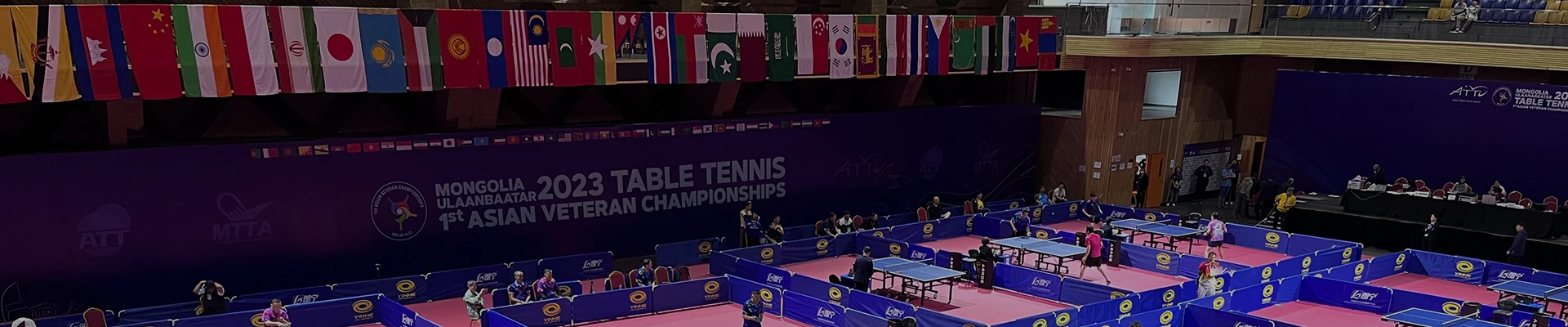
Comprehensive Guide to Basketball Gym Floors: Safety, Sustainability & Performance
Basketball Gym Floors: More Than Just a Playing Surface
Whether you're a weekend warrior shooting hoops or a school facility manager planner, basketball gym floors matter more than you might initially think. Beyond the squeak of sneakers and the bounce of the ball, these floors are engineered surfaces designed to optimize performance, safety, durability, and even aesthetics in gymnasiums worldwide.
Understanding basketball gym floors isn't just for the specifiers and flooring manufacturers. Globally, the indoor sports industry is booming, supported by an increasing emphasis on health, fitness, and community spaces. According to the International Olympic Committee, over 450 million people play basketball globally, and many depend on well-designed basketball gym floors for safe, high-quality play. So, this topic matters not just locally but at a worldwide scale, where investment in sports infrastructure equates to social, economic, and health gains.
Mini Takeaway:
- Basketball gym floors play a crucial role in player safety, game quality, and sports infrastructure worldwide.
- These surfaces are the foundation for a growing global sports phenomenon, influencing health and community-building.
The Growing Global Importance of Basketball Floors
Sport infrastructure growth is staggering. The World Bank estimates that investments in physical activity facilities, including basketball courts, have seen a steady rise, especially in urbanized areas of Asia, Africa, and Latin America. In fact, the International Organization for Standardization (ISO) maintains standards for synthetic surfaces used in sports, which include basketball gym flooring.
Yet, a common challenge persists: how to balance durability, performance, and cost-effectiveness in gym floors. Many low-budget schools and centers end up with poorly maintained or inappropriate surfaces, raising injury risks and reducing the sport's accessibility. So, choosing the right basketball gym floor can sometimes feel like navigating a maze of options and technical jargon.
Mini Takeaway:
- Growing global investment in sports infrastructure places basketball gym floors under the spotlight.
- Challenges relate mostly to balancing safety, durability, and cost, especially in emerging economies.
What Exactly Are Basketball Gym Floors?
Simply put, basketball gym floors are specialized flooring systems designed specifically for indoor basketball courts. Typically made from hardwood (like maple), sport-specific synthetic materials, or engineered composites, these surfaces provide the right traction, shock absorption, and bounce essential for basketball.
More than just a flat platform, these floors are part of a broader ecosystem including underfloor shock-absorbing technology, moisture barriers, and finishes that resist scuffing and wear.
In modern sports industries and humanitarian facilities, such floors serve multidimensional purposes. A well-crafted gym floor supports athletic training but can also be used for community gatherings, fitness classes, and sometimes shelter in emergencies.
Mini Takeaway:
- Basketball gym floors combine materials and technology to enhance player experience and safety.
- They serve multifunctional roles beyond sports alone.
Key Factors to Consider in Basketball Gym Floors
1. Durability
These floors must endure thousands of high-impact movements weekly. Hardwood floors, especially maple, are the gold standard for their resilience and ease of maintenance. Synthetic floors, by contrast, can offer resistance against moisture and chemical spills, often important in multi-use venues.
2. Shock Absorption & Safety
Cushion systems underneath the floors protect players’ joints and reduce injury risks. For example, floating wood floors rest on pads or springs that absorb shock — a big plus for serious athletes and school programs alike.
3. Cost Efficiency
While hardwood floors are often more expensive upfront due to both material and installation, their longevity tends to offset these costs over time. Synthetic floors are usually more budget-friendly but might require more frequent replacement or repairs.
4. Aesthetic & Finish
Basketball gym floors aren’t just functional — their look affects the spirit of the venue. High-quality finishes prevent scratching and uplift the venue image, important for professional clubs or schools looking to impress.
5. Scalability & Installation
The ease and speed of installation matter for new builds or renovations. Prefabricated interlocking synthetic panels can speed deployment, while traditional hardwood demands more time and expertise.
Mini Takeaway:
- Durability, shock absorption, cost, aesthetics, and ease of installation are primary considerations.
- The choice often balances performance needs against budget constraints.
How Are Basketball Gym Floors Used Globally?
From NBA arenas in the U.S. to community centers in Nairobi, basketball gym floors see diverse applications.
North America: Hardwood maple floors dominate professional courts and university gyms, prized for elite performance and look.
Europe: Synthetic surfaces are common in multi-sport facilities, offering flexibility and durability, particularly in colder climates where wood maintenance is trickier.
Africa and Asia: Rapid urbanization has spurred investments in affordable yet safe synthetic basketball gym floors across schools and recreation facilities.
Interestingly, NGOs working in post-disaster contexts have been known to install durable basketball courts as a means to restore community spirit and provide safe spaces for youth.
Mini Takeaway:
- Basketball gym floors adapt to regional needs — from luxury hardwood to cost-effective synthetics.
- They support not only sports but also educational and social development worldwide.
Comparing Popular Basketball Gym Floor Types
| Floor Type | Material | Durability | Installation Time | Cost Range (per sq.ft.) |
|---|---|---|---|---|
| Hardwood (Maple) | Natural Wood | High (20+ years) | 4-6 weeks | $8 - $12 |
| Polyurethane Coated Wood | Wood + Synthetic Finish | High (15-20 years) | 3-5 weeks | $7 - $10 |
| Modular Vinyl | Synthetic Panels | Medium (10-15 years) | 1-2 weeks | $4 - $7 |
| Rubber Sports Flooring | Synthetic Rubber | Medium (8-12 years) | 2-3 weeks | $5 - $8 |
Benefits and Long-Term Value of Quality Basketball Floors
The right basketball gym floors do more than improve how a game feels — they safeguard athletes.
- Safety: Reduces injuries through proper shock absorption and surface traction.
- Sustainability: High-grade wood floors often come from certified plantations; synthetic floors are increasingly recyclable.
- Cost-effectiveness: A durable floor saves money by minimizing repairs and downtime.
- Community Impact: Well-maintained courts encourage local engagement and foster youth development.
On the emotional side, many players talk about the “feel” of a good floor as inspirational — it connects them to history, craft, and passion inside a gym. Trust me, the wrong floor can make or break the spirit of a place.
Mini Takeaway:
- Quality basketball floors offer safety, economic, and social benefits that sustain communities and athletes.
- The choice impacts more than performance; it touches trust and player wellbeing.
Emerging Trends in Basketball Gym Flooring
Innovation never sleeps, especially in sports flooring. Some trends worth watching:
- Eco-friendly Materials: Bamboo and reclaimed wood floors are gaining attention for sustainability.
- Digital Integration: Sensors embedded under floors to track player movement and impact.
- Modular Designs: Easy-to-install panels enabling quick renovations or event changes.
- Antimicrobial Finishes: Boosting hygiene in shared gym spaces — an innovation accelerated by recent global health concerns.
Industry leaders are also exploring “smart” floors that optimize shock absorption on demand and combine energy-harvesting technologies to make gyms more self-sufficient.
Challenges and How to Overcome Them
Installing and maintaining basketball gym floors aren’t free from headaches.
- High Initial Cost: Many institutions hesitate on upfront investment. Potential solution? Financing and leasing options tailored for schools.
- Climate Effects: Moisture and temperature change can warp wood floors. Choosing synthetic or engineered floors with moisture barriers help.
- Maintenance: Regular sanding/refinishing is needed for hardwood. Training facility managers on upkeep prolongs lifespan.
Many experts recommend hybrid flooring solutions combining best features for particular contexts.
Frequently Asked Questions About Basketball Gym Floors
- Q1: What type of basketball gym floor is best for schools on a budget?
- For schools looking to balance cost and performance, modular vinyl or rubber sports flooring is often ideal. These are durable, quick to install, and require less maintenance than hardwood. They provide adequate traction and shock absorption for most amateur play.
- Q2: How often should a hardwood basketball floor be refinished?
- Hardwood floors typically require refinishing every 3 to 5 years, depending on usage intensity. Regular cleaning and spot repairs can extend this period, but professional sanding restores the surface for optimal play and safety.
- Q3: Can synthetic basketball floors handle multi-sport use?
- Absolutely. Many synthetic surfaces are designed specifically for multi-use gymnasiums, accommodating basketball, volleyball, and other sports with variable traction and durability.
- Q4: Are basketball gym floors environmentally sustainable?
- Yes, increasingly so. Hardwood floors sourced from certified forests and synthetic materials made with recycled content contribute to sustainability goals. Many manufacturers also follow ISO environmental management standards.
- Q5: How quickly can a basketball gym floor be installed?
- Depending on the material, installation can range from 1 week for modular synthetics to 6 weeks or more for traditional hardwood systems that require subfloor prep and curing time.
Vendor Comparison: Popular Basketball Gym Floor Suppliers
| Vendor | Floor Types | Price Range | Installation Speed | Sustainability Focus |
|---|---|---|---|---|
| ProSport Surfaces | Hardwood & Modular | $$$ | 4-6 weeks | Yes, FSC certified wood |
| EcoFloor Systems | Bamboo, Reclaimed Wood | $$ | 3-5 weeks | Strong emphasis on green sourcing |
| SportTech Vinyl | Modular Vinyl Panels | $ | 1-2 weeks | Recyclable materials used |
Conclusion: Why Basketball Gym Floors Deserve Your Attention
Choosing the right basketball gym floors goes far beyond picking a pretty surface. It’s about investing in years of athlete safety, community engagement, and workable maintenance. As cities and schools expand and pay more attention to wellness, a top-quality gym floor is an investment in people and their future.
So if you’re in the market for a new basketball court floor or just considering an upgrade, keep in mind the impact on all the players who will trust their health to its bounce and grip. It pays off in loyalty, performance, and the simple joy of a well-played game.
Visit our website: https://www.langningsports.com for expert advice, product details, and tailored solutions.
References
-
Premium Outdoor Dance Floor for Sale Professional Event SurfacesNewsApr.16,2026
-
Premium Professional White Dance Floor for Sale and Buying GuideNewsApr.09,2026
-
Find Your Perfect Portable Dance Floor for Sale and Create Unforgettable EventsNewsApr.07,2026
-
Find High Quality Dance Flooring for Sale and Expert GuidanceNewsApr.04,2026
-
Comprehensive Guide to Durable Commercial Vinyl Solutions for BusinessesNewsMar.31,2026
-
Comprehensive Commercial Flooring Management for Business LongevityNewsMar.28,2026
-
Comprehensive Guide to Selecting the Right Commercial Flooring MaterialsNewsMar.26,2026