


Commercial Playground Mats: Safe, Durable & Playsafe Outdoor Tiles
The Imperative of High-Performance Playground Surfacing
In the landscape of modern recreational infrastructure, the selection of appropriate surfacing for play areas is paramount, directly influencing user safety, site longevity, and operational efficiency. Advanced commercial playground mats represent a critical investment for municipalities, educational institutions, and private developers aiming to create secure and engaging environments. These specialized flooring solutions are engineered to mitigate impact risks, provide superior traction, and withstand the rigors of heavy foot traffic and diverse environmental conditions. The market for these products is driven by stringent safety regulations, a growing emphasis on inclusive play, and a demand for durable, low-maintenance materials.
Beyond basic safety, contemporary surfacing technology offers enhanced aesthetic integration and environmental benefits, positioning these solutions as a cornerstone of sustainable urban development. From urban parks to schoolyards, the role of resilient and compliant surfacing cannot be overstated, extending the functional life of play structures and minimizing the potential for injury.
Industry Trends and Market Dynamics in Playground Surfacing
The market for playground surfacing is experiencing robust growth, propelled by several key trends. There's an increasing global adoption of internationally recognized safety standards, such as ASTM F1292 (Standard Specification for Impact Attenuation of Surfacing Materials Within the Use Zone of Playground Equipment) and EN 1177 (Impact attenuating playground surfacing - Determination of critical fall height). This regulatory pressure mandates higher performance from commercial playground mats and related products, pushing manufacturers towards innovative material science and design.
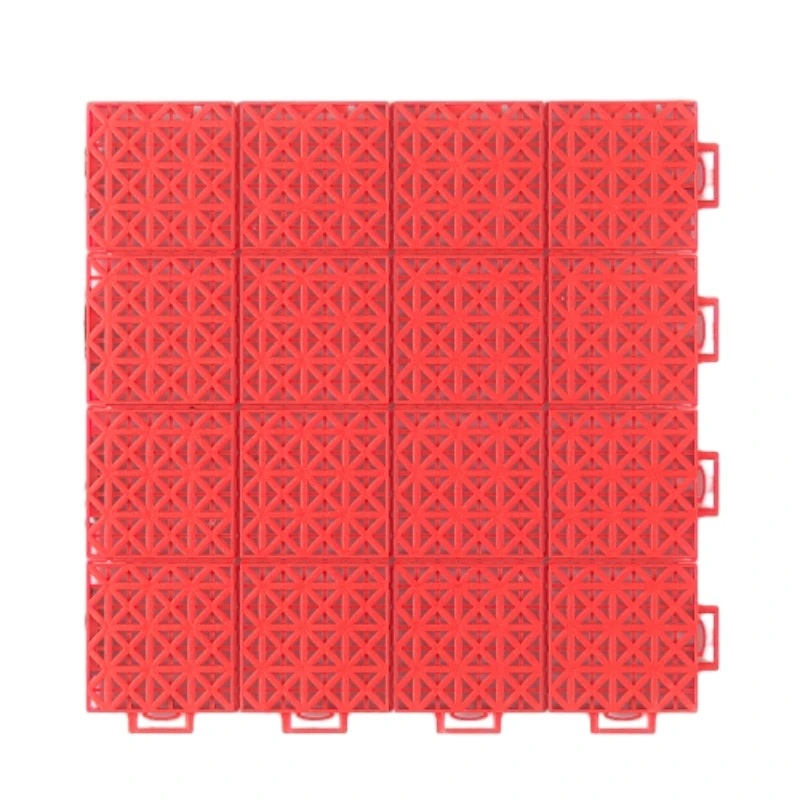
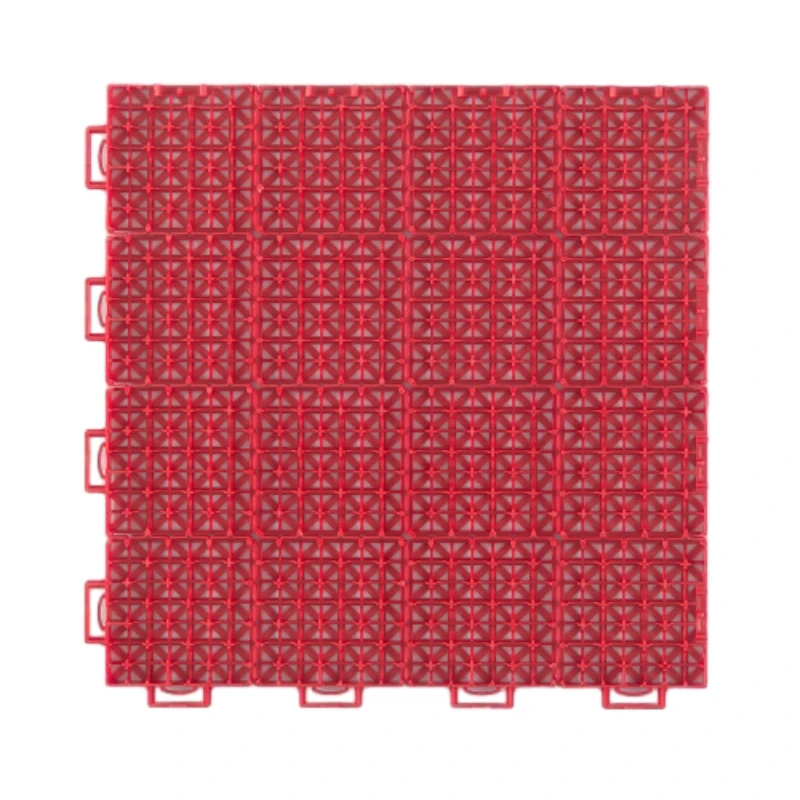
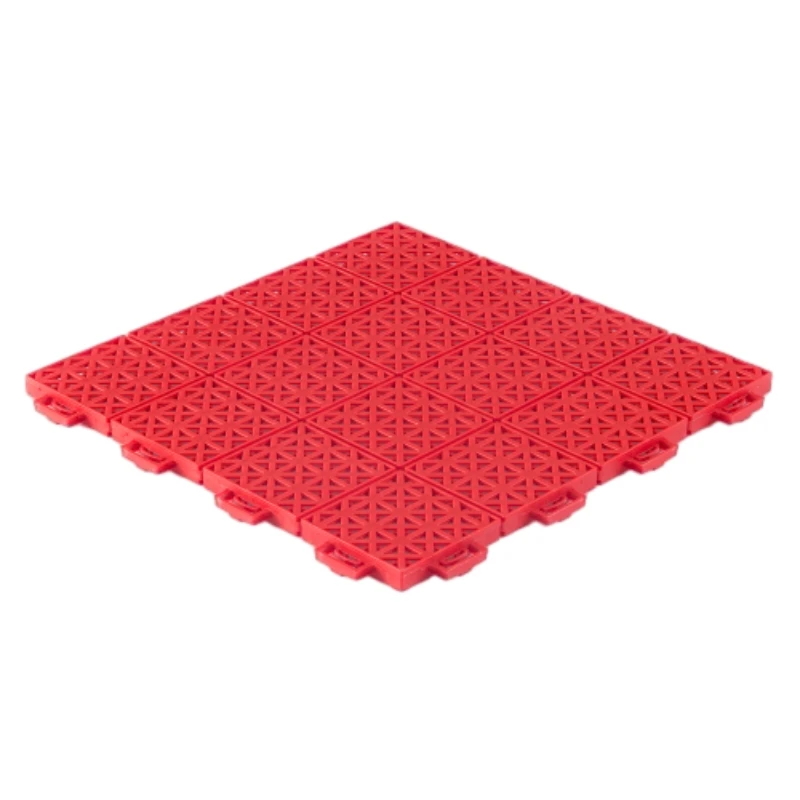
Sustainability is another significant driver. Demand for recycled and environmentally friendly materials, such as SBR (Styrene Butadiene Rubber) recycled rubber granules and EPDM (Ethylene Propylene Diene Monomer) virgin rubber, is on the rise. This aligns with broader corporate social responsibility initiatives and municipal green building standards. Furthermore, the integration of smart playground technologies, though nascent, suggests future possibilities for interactive surfaces that enhance engagement while maintaining safety. The shift towards modular and interlocking designs, exemplified by products like playsafe interlocking playground tiles, facilitates easier installation, repair, and customization, making them highly attractive for diverse applications including home playground flooring and large-scale public installations.
Manufacturing Process: Precision Engineering for Safety Surfacing
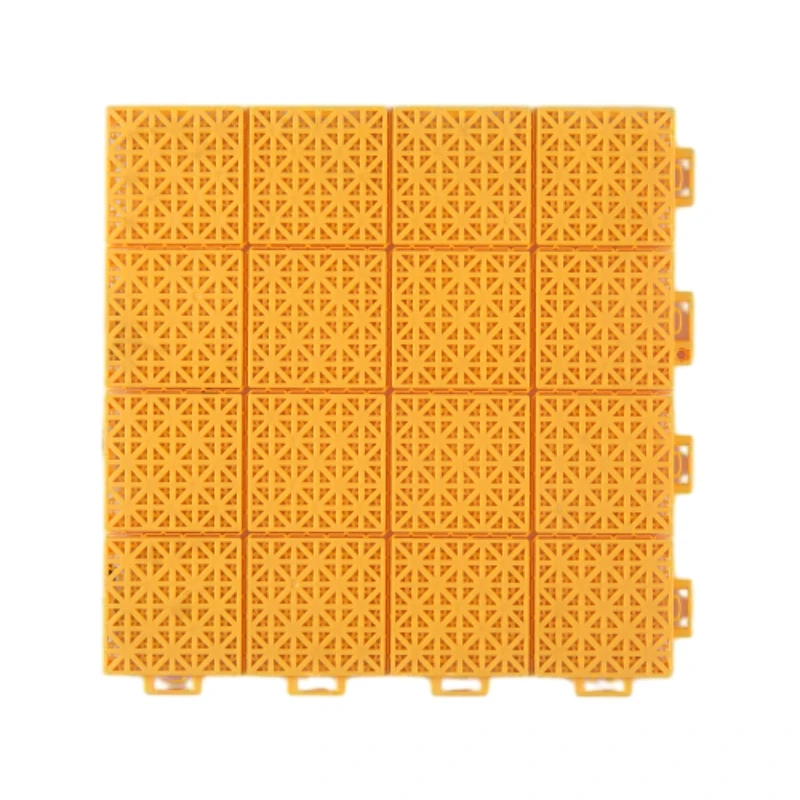
The production of high-quality commercial playground mats is a sophisticated process, demanding meticulous attention to material selection and precision manufacturing to ensure optimal safety and durability. Unlike general industrial components, these mats are specifically engineered for impact attenuation and long-term resilience.
Key Process Steps:
- Material Sourcing & Preparation: The primary materials typically include recycled SBR rubber granules from tires and/or virgin EPDM rubber granules, selected for their elastic properties and UV resistance. These are carefully inspected for purity and particle size. Binders, typically polyurethane-based, are also prepared.
- Mixing and Blending: The rubber granules are mixed with the polyurethane binder in precise ratios within industrial blenders. Pigments are added at this stage to achieve the desired color, ensuring consistent color distribution throughout the mat.
- Compression Molding & Vulcanization: The prepared mixture is then fed into heated molds. Under intense pressure and heat (vulcanization), the mixture cures, forming a solid, resilient mat. This process cross-links the polymer chains, giving the mats their characteristic elasticity, durability, and structural integrity. For outdoor play tiles, this step is crucial for weather resistance.
- Trimming and Finishing: Once cured, the mats are removed from the molds and precisely trimmed to exact dimensions. This includes cutting interlocking edges for systems like playsafe interlocking playground tiles. Surface textures for slip resistance are often formed during molding but can also be enhanced during finishing.
- Quality Control & Testing: Each batch undergoes rigorous testing to ensure compliance with international safety standards such as ASTM F1292 (Critical Fall Height, HIC testing) and EN 1177. Other tests include Shore A hardness, density, tensile strength, tear resistance, slip resistance (e.g., ASTM F1951), and UV stability. Only mats passing these stringent checks proceed to packaging.
- Packaging and Logistics: Finished mats are stacked, shrink-wrapped, and prepared for shipment, often on pallets, ensuring protection during transit.
This structured approach ensures that each mat delivers consistent performance in critical areas like impact absorption and longevity. The typical service life for these engineered surfaces ranges from 8 to 15 years, depending on material composition, maintenance, and usage intensity. Target industries include educational facilities (schools, kindergartens), public parks, community centers, and commercial play zones, where safety and durability are paramount.
Technical Specifications and Performance Parameters
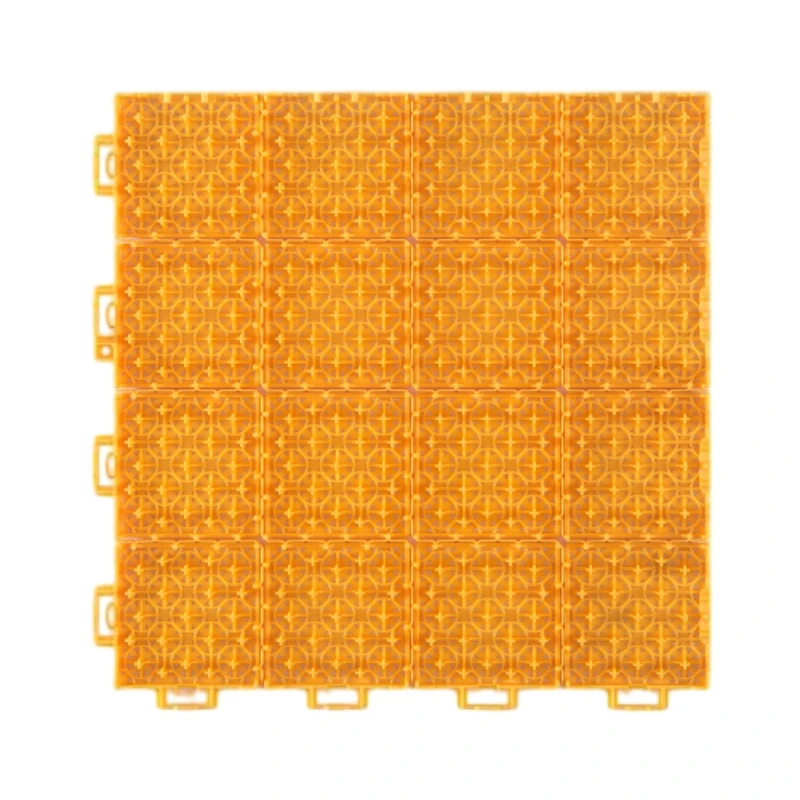
The efficacy of commercial playground mats is defined by a rigorous set of technical specifications, ensuring they meet critical safety and performance benchmarks. Understanding these parameters is essential for informed procurement decisions.
Key Performance Indicators:
- Critical Fall Height (CFH) / Head Injury Criterion (HIC): This is arguably the most vital parameter, indicating the maximum height from which a fall is unlikely to cause a life-threatening head injury. Tested per ASTM F1292 or EN 1177, different mat thicknesses correspond to different CFHs.
- Material Composition: Typically a blend of SBR (recycled tire rubber) and EPDM (virgin rubber) granules, bound by a polyurethane adhesive. EPDM offers superior color stability and UV resistance.
- Density: Measured in kg/m³, a higher density generally indicates greater durability and often a higher impact attenuation capacity for a given thickness.
- Shore A Hardness: Measures the material's resistance to indentation, providing an indication of the mat's firmness. Typical ranges for playground mats are between 60-75 Shore A.
- Slip Resistance: Essential for preventing slips and falls, especially in wet conditions. Tested according to standards like ASTM F1951 (Determination of Water Abrasiveness in Slip Resistant Surfacing).
- Drainage: Many mats incorporate drainage channels or permeable structures to prevent water pooling, crucial for outdoor play tiles.
- UV Stability & Weather Resistance: Mats, especially those for outdoor use, must withstand prolonged exposure to sunlight, extreme temperatures, and moisture without significant degradation.
- Fire Retardancy: Compliance with local fire safety codes is often required, measured by standards like EN 13501-1.
Typical Product Specification Table:
| Parameter | Specification (Example) | Standard/Notes |
|---|---|---|
| Material Composition | Recycled SBR rubber granules (base layer), EPDM virgin rubber (top layer), PU binder | ASTM D2000, REACH compliant |
| Tile Dimensions | 500mm x 500mm (19.7" x 19.7") | Custom sizes available |
| Thickness Options | 25mm, 30mm, 43mm, 50mm, 70mm, 100mm | Corresponds to CFH |
| Critical Fall Height (CFH) | 1.0m (25mm), 1.3m (30mm), 1.5m (43mm), 2.0m (50mm), 2.5m (70mm), 3.0m (100mm) | ASTM F1292, EN 1177 |
| Density | Approx. 950-1050 kg/m³ | ISO 845 |
| Shore A Hardness | 65 ± 5 | ASTM D2240 |
| Slip Resistance (Wet/Dry) | High friction coefficient | ASTM F1951, DIN 51130 |
| UV & Weather Resistance | Excellent color retention & structural integrity | ASTM G154 (Accelerated Weathering) |
| Fire Retardancy | Class Efl-s1 | EN 13501-1 |
| Warranty | 5-10 years (material & manufacturing defects) | Standard manufacturer warranty |
Application Scenarios and Technical Advantages
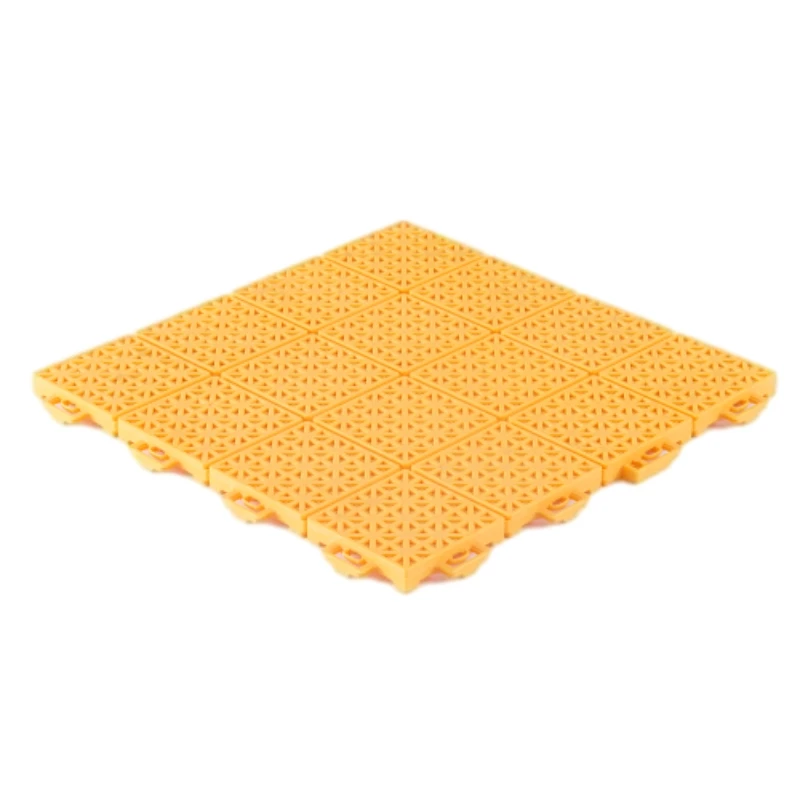
The versatility and robust performance of modern commercial playground mats make them ideal for a broad spectrum of applications, each benefiting from their inherent safety and durability features. These mats are not merely a ground cover but an integral component of a safe and engaging play environment.
Typical Application Scenarios:
- Educational Institutions: Schools, preschools, and daycare centers rely on these mats for surfacing under swings, climbing frames, and playground mats for under slides, ensuring maximum safety for children during active play.
- Public Parks and Recreation Areas: Municipal parks often feature large play structures requiring extensive safety surfacing. Modular outdoor play tiles offer excellent durability against high traffic and varying weather conditions.
- Community Centers & HOAs: Smaller community playgrounds benefit from the easy installation and low maintenance of interlocking tile systems.
- Commercial Play Zones: Indoor and outdoor commercial facilities, theme parks, and family entertainment centers choose these mats for their aesthetic appeal, customizability, and consistent safety performance.
- Home Play Areas: While industrial grade, scaled-down versions or specific lines are gaining popularity for home playground flooring due to increased safety awareness.
Technical Advantages:
- Superior Impact Attenuation: Engineered with specific material densities and thicknesses, these mats consistently reduce the risk of critical injuries from falls, directly correlating to their high HIC values and CFH ratings.
- Exceptional Durability and Longevity: Manufactured using robust recycled SBR and virgin EPDM rubber, these mats resist abrasion, cuts, and punctures, ensuring a long service life even in high-traffic commercial settings. They maintain structural integrity through thousands of play cycles.
- All-Weather Performance: UV stabilizers prevent degradation and color fading from sun exposure. Excellent drainage properties ensure quick drying after rain, making them suitable for year-round outdoor use. Freeze-thaw resistance prevents cracking in colder climates.
- Low Maintenance & Cost-Efficiency: Unlike loose-fill surfaces (e.g., wood chips, sand) that require regular replenishment and raking, rubber mats only need occasional cleaning, significantly reducing operational costs over their lifespan.
- Accessibility and Inclusivity: The firm, level, and seamless nature of interlocking rubber tiles provides excellent accessibility for wheelchairs and other mobility devices, promoting inclusive play environments that meet ADA (Americans with Disabilities Act) requirements.
- Environmental Benefits: Utilizing recycled rubber contributes to sustainable practices by diverting waste from landfills and reducing the demand for virgin materials.
Vendor Comparison and Selection Criteria
Choosing the right supplier for commercial playground mats is a strategic decision that impacts long-term safety, cost, and project success. A thorough vendor comparison goes beyond initial price and delves into product quality, certifications, and support services.
Key Selection Criteria:
- Certifications & Compliance: Verify adherence to international standards like ASTM F1292, EN 1177, ISO 9001 (Quality Management), and local accessibility guidelines (e.g., ADA). Third-party testing reports are crucial.
- Product Range & Customization: Does the vendor offer diverse thicknesses, colors, and interlocking options? Can they accommodate custom designs or branding needs?
- Material Quality & Composition: Inquire about the percentage of virgin EPDM vs. recycled SBR, the quality of the binder, and UV resistance additives. Inferior materials degrade rapidly.
- Warranty & Service Life: A reputable manufacturer will offer a substantial warranty (e.g., 5-10 years) against material and manufacturing defects.
- Installation Support: Does the vendor provide detailed installation guides, technical assistance, or even installation services?
- Environmental Credentials: Look for evidence of sustainable manufacturing practices, use of recycled content, and certifications like LEED eligibility.
- Reputation & Track Record: Review case studies, customer testimonials, and years of experience in the industry.
Comparative Analysis (Illustrative Example):
| Feature | Vendor A (Premium) | Vendor B (Mid-Range) | Vendor C (Economy) |
|---|---|---|---|
| Material Quality | High-grade EPDM top, high-density SBR base | EPDM/SBR blend, standard density | Primarily SBR, lower density |
| Certifications | ASTM F1292, EN 1177, ISO 9001, ADA compliant | ASTM F1292, EN 1177 | Basic safety compliance (may vary) |
| Warranty | 10 Years | 5-7 Years | 2-3 Years (limited) |
| Color Stability (UV) | Excellent (minimal fading) | Good (some fading over time) | Moderate (noticeable fading) |
| Customization | Extensive (colors, thickness, shapes, logos) | Moderate (standard colors, thickness) | Limited (basic options) |
| Price Point | Higher | Medium | Lower |
While economy options might offer initial cost savings, the long-term total cost of ownership, including replacement, maintenance, and potential liability risks, often favors higher-quality, certified products.
Customized Solutions and Design Flexibility
The demand for aesthetically pleasing and functionally unique play spaces has led to a significant increase in the customization options for commercial playground mats. Modern manufacturing techniques allow for extensive tailoring to meet specific project requirements and design visions.
Customization Capabilities Include:
- Color Palettes: Beyond standard primary colors, manufacturers offer a wide array of EPDM top layer colors, enabling designers to match school branding, integrate with landscape architecture, or create vibrant, stimulating patterns. Multi-color speckled options are also popular.
- Thickness & Critical Fall Height: Mats can be produced in various thicknesses to achieve specific Critical Fall Height requirements, ensuring optimal safety performance for different playground equipment heights.
- Integrated Designs & Logos: Advanced cutting and inlay techniques allow for the creation of intricate shapes, educational graphics (e.g., hopscotch, alphabets), or company/school logos directly within the matting surface. This enhances engagement and brand visibility.
- Interlocking Systems: While standard interlocking patterns are common, some projects may require specific connection mechanisms for unique site layouts or to facilitate easier future expansion or relocation.
- Accessibility Features: Custom ramp edges and transitions can be designed to ensure seamless integration with adjacent surfaces, meeting ADA compliance for inclusive play areas.
Engaging with a vendor capable of providing comprehensive design consultation ensures that the chosen solution not only meets safety standards but also aligns perfectly with the project's aesthetic and functional goals. This collaborative approach leads to highly differentiated and impactful play environments.
Real-World Application Case Studies
The practical benefits of high-quality commercial playground mats are best demonstrated through successful installations. These examples highlight the adaptability and performance of engineered rubber surfacing in diverse environments.
Case Study 1: Urban Public Park Renovation
A large municipal park underwent a major renovation, requiring a safety surface capable of withstanding heavy daily use and extreme weather. Traditional loose-fill materials proved unsustainable due to high maintenance costs and inconsistent safety over time. The solution involved installing 50mm thick outdoor play tiles with an interlocking system. The client selected a naturalistic color palette of greens and browns to blend with the park's aesthetics. Post-installation, the park reported a significant reduction in minor injuries, virtually eliminated ongoing material replenishment costs, and received positive community feedback on the playground's clean, safe, and accessible design. The mats, certified to ASTM F1292 (2.0m CFH), provided consistent impact attenuation.
Case Study 2: School Playground Upgrade for Enhanced Accessibility
A primary school aimed to upgrade its playground to be fully inclusive for children with varying mobility needs. The existing surface, a mix of sand and grass, posed significant accessibility barriers. The school opted for 43mm playsafe interlocking playground tiles, ensuring ADA compliance. Custom ramped edges were integrated around the perimeter. The installation included vibrant colors and integrated learning elements, such as a colorful alphabet path. The project resulted in a playground that is easily navigable by wheelchairs and walkers, broadening access for all students. Parents and staff praised the durable, low-maintenance surface that enhanced both safety and educational play opportunities.
Case Study 3: Private Childcare Facility – Focus on Specific Equipment Safety
A newly constructed childcare center required specialized surfacing, particularly for areas under slides and climbing structures. Critical areas beneath a 2.5-meter high slide required high-performance playground mats for under slides. The center installed 70mm thick tiles, which provided a 2.5m Critical Fall Height, exceeding safety requirements. These highly absorbent mats significantly reduced the impact force from potential falls. The uniform, easy-to-clean surface also contributed to a hygienic environment, a crucial factor for childcare settings. The client emphasized the peace of mind gained from specifying a product rigorously tested and certified for specific fall heights.
Ensuring Trust: Certifications and Quality Assurance
Trustworthiness in B2B transactions, particularly for safety-critical products like commercial playground mats, hinges on verifiable quality and adherence to recognized standards. Our commitment to excellence is demonstrated through comprehensive certifications and a robust quality assurance framework.
Authoritative References and Certifications:
- ISO 9001:2015 Certification: Our manufacturing processes adhere to the highest international standards for quality management systems, ensuring consistent product quality from raw material sourcing to final delivery.
- ASTM F1292 Compliance: All our safety surfacing products are rigorously tested by independent laboratories to comply with ASTM F1292 (Standard Specification for Impact Attenuation of Surfacing Materials Within the Use Zone of Playground Equipment), verifying critical fall height ratings.
- EN 1177 Compliance: For European markets, our mats meet the requirements of EN 1177 (Impact attenuating playground surfacing - Determination of critical fall height), ensuring global applicability.
- CE Marking: Products conform to European health, safety, and environmental protection standards.
- REACH & RoHS Compliance: Materials used are free from harmful substances, adhering to strict chemical regulatory standards for environmental and human health.
- Partner Clients & Experience: With decades of experience, we have successfully partnered with numerous school districts, municipal parks departments, and commercial recreation developers across diverse geographies, building a strong track record of reliable service and product performance.
Our internal quality control protocols include multiple inspection points throughout the manufacturing process, from raw material verification to post-production performance testing. Each batch is subjected to destructive and non-destructive tests to ensure mechanical properties, dimensional accuracy, and color consistency meet exacting specifications. This dedication to quality underpins the trust placed in our products by engineers and project managers globally.
Frequently Asked Questions (FAQ)
Q1: What is the primary advantage of rubber playground mats over loose-fill materials?
A1: Rubber mats offer consistent impact attenuation, significantly reducing injury risk, unlike loose-fill materials that can displace and create unsafe depths. They also require minimal maintenance, are wheelchair accessible, and provide a cleaner play environment.
Q2: How do I determine the correct mat thickness for my playground?
A2: Mat thickness is determined by the Critical Fall Height (CFH) of the playground equipment. Measure the highest potential fall point on your equipment and select a mat with a CFH rating equal to or greater than that height, as per ASTM F1292 or EN 1177 standards.
Q3: Are your commercial playground mats environmentally friendly?
A3: Yes, our mats utilize a significant percentage of recycled SBR rubber granules, diverting tires from landfills. We also adhere to REACH and RoHS standards, ensuring our products are free from harmful chemicals.
Q4: What is the typical lead time for a large order?
A4: Lead times vary based on order volume, customization, and current production schedule. Standard orders typically range from 3-6 weeks from order confirmation. Custom orders or very large volumes may require longer. We provide an estimated lead time with each quotation.
Q5: What warranty do you offer on your products?
A5: We provide a comprehensive 5-10 year warranty against manufacturing defects and material degradation under normal use, demonstrating our confidence in product durability. Specific warranty details are provided with each product offering.
Q6: How does your after-sales support work?
A6: Our dedicated after-sales support team is available to assist with any queries regarding installation, maintenance, or product performance. We offer technical guidance, troubleshooting, and support for warranty claims. Contact information for support is provided with your order documentation.
Conclusion: Investing in Certified Safety and Durability
The strategic deployment of high-performance commercial playground mats is an indispensable component of modern recreational development. By adhering to rigorous technical specifications and international safety standards, these engineered surfaces provide unparalleled safety, durability, and aesthetic versatility. Our commitment to quality, backed by extensive certifications and a focus on customer support, ensures that every investment in our products contributes to creating safer, more engaging, and sustainable play environments for years to come. For B2B decision-makers, prioritizing certified, high-grade surfacing is not just a regulatory compliance measure, but a foundational commitment to public welfare and long-term operational efficiency.
References
- ASTM International. ASTM F1292-18, Standard Specification for Impact Attenuation of Surfacing Materials Within the Use Zone of Playground Equipment. ASTM International, West Conshohocken, PA, 2018.
- European Committee for Standardization. EN 1177:2018, Impact attenuating playground surfacing – Determination of critical fall height. CEN, Brussels, 2018.
- ISO. ISO 9001:2015, Quality management systems – Requirements. International Organization for Standardization, Geneva, 2015.
- U.S. Access Board. Americans with Disabilities Act Accessibility Guidelines for Buildings and Facilities (ADAAG). Washington, D.C., 2010.
- U.S. Consumer Product Safety Commission. Public Playground Safety Handbook. Publication 325, Washington, D.C., 2008.
-
Premium Outdoor Dance Floor for Sale Professional Event SurfacesNewsApr.16,2026
-
Premium Professional White Dance Floor for Sale and Buying GuideNewsApr.09,2026
-
Find Your Perfect Portable Dance Floor for Sale and Create Unforgettable EventsNewsApr.07,2026
-
Find High Quality Dance Flooring for Sale and Expert GuidanceNewsApr.04,2026
-
Comprehensive Guide to Durable Commercial Vinyl Solutions for BusinessesNewsMar.31,2026
-
Comprehensive Commercial Flooring Management for Business LongevityNewsMar.28,2026
-
Comprehensive Guide to Selecting the Right Commercial Flooring MaterialsNewsMar.26,2026