


Best Types of Tennis Court Flooring Material & Surfaces Guide
Understanding Advanced Tennis Court Surfacing Solutions
The selection of appropriate types of tennis court flooring material is a critical decision for any sports facility developer, institution, or private owner. It directly impacts player performance, safety, maintenance requirements, and long-term investment value. This comprehensive guide delves into the technical aspects, industry trends, and practical considerations for various modern tennis flooring options, offering insights crucial for B2B stakeholders.
Modern advancements in sports surface technology have introduced a diverse range of high-performance materials, moving beyond traditional asphalt and concrete bases. These innovations prioritize factors such as optimal ball bounce, excellent shock absorption, enhanced durability, and superior weather resistance.
Industry Trends in Tennis Flooring Materials
The tennis court construction industry is witnessing a robust evolution driven by demand for sustainable, high-performance, and versatile surfaces. Key trends include:
- Eco-friendly Solutions: A growing emphasis on recycled content and non-toxic materials aligns with global sustainability initiatives. Manufacturers are increasingly developing synthetic options that minimize environmental impact.
- Modular and Interlocking Systems: These systems, often referred to as tennis court tiles for sale, offer rapid installation, excellent drainage, and simplified maintenance. Their modular nature allows for easy repair or replacement of individual sections.
- Enhanced Performance Characteristics: Innovations focus on optimizing surface speed, shock absorption (to reduce player fatigue and injury risk), and consistent ball bounce, often achieved through multi-layered systems.
- Customization and Aesthetics: Beyond performance, clients seek visually appealing surfaces. Options like the Exquisite Stone Pattern Tennis Flooring cater to this, offering aesthetic diversity while maintaining high-performance attributes.
- Smart Surfaces: While still nascent, research into embedded sensors for performance tracking and surface condition monitoring hints at the future of advanced tennis flooring material.
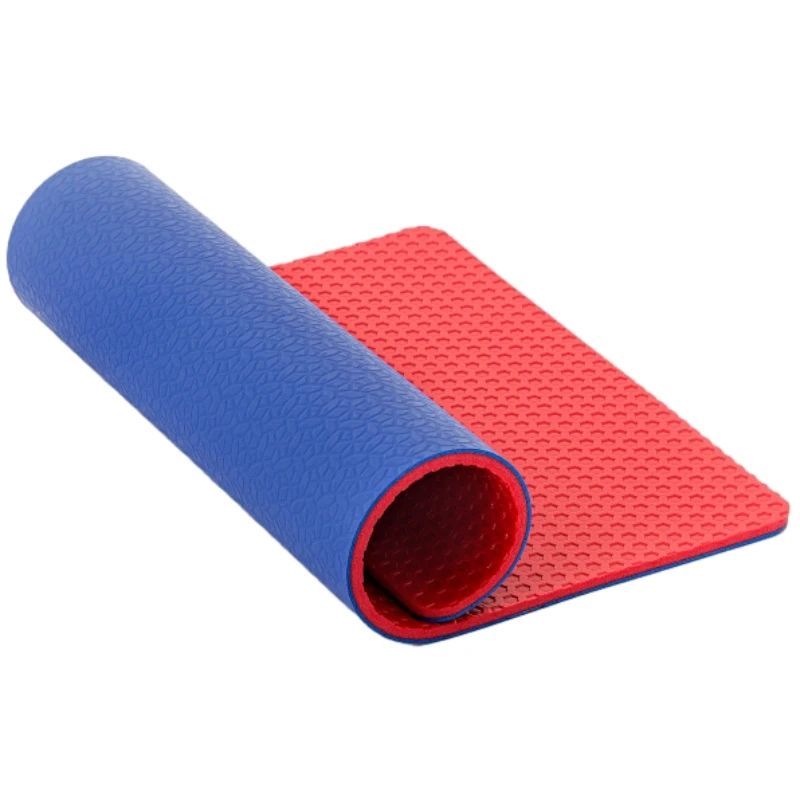
Figure 1: High-performance modular tennis court surface.
Manufacturing Process of Advanced Tennis Flooring Materials
The production of modern types of tennis court flooring, particularly modular tiles or multi-layered acrylic systems, involves precise engineering and quality control to ensure optimal performance and longevity. Below is a simplified process flow for high-grade synthetic tennis court flooring.
Schematic Process Steps:
1. Material Sourcing & Preparation
High-grade polypropylene (PP) or virgin rubber granules, specialized acrylic resins, UV stabilizers, pigments, and binders are meticulously sourced. Materials undergo initial quality checks for purity and consistency.
2. Compounding & Mixing
Raw materials are precisely measured and mixed in industrial blenders. For modular tiles, this involves compounding polymer pellets. For acrylics, resins, aggregates, and pigments are blended to achieve desired viscosity and color.
3. Molding/Extrusion or Layering
For modular tiles: Material is fed into injection molding machines where it's heated and pressed into molds under high pressure to form the interlocking tile structure. For acrylics: Multiple layers are applied sequentially on-site, including crack fillers, resurfacers, cushion layers, and textured color coats.
4. Curing & Finishing
Molded tiles undergo cooling and demolding. Acrylic systems require specific curing times between layers. Finishing includes applying final non-slip coatings and line markings for acrylic courts, or edge finishing for tiles.
5. Quality Assurance & Packaging
Products are subjected to rigorous testing. This includes dimensional accuracy, impact resistance, UV stability, slip resistance (ASTM F2772), and color consistency. ISO 9001 standards guide the quality management system. Products are then packaged for shipment.
Service Life and Target Industries: High-quality tennis flooring systems typically offer a service life of 8-15 years, depending on material, traffic, and maintenance. Target industries include professional sports arenas, collegiate sports facilities, private clubs, municipal recreation centers, and residential courts.
Typical Application Scenario Advantages: In high-usage educational institutions, modular tennis flooring material offers advantages in rapid installation and minimal downtime for repairs. For professional training facilities, multi-layered acrylic surfaces provide precise ball speed and cushioning, reducing athlete strain and maximizing performance consistency.
Technical Specifications and Performance Parameters
Selecting the optimal types of tennis court flooring material requires a deep understanding of their technical specifications and how they relate to desired performance.
Key Technical Parameters:
- Force Reduction (Shock Absorption): Measures the surface's ability to absorb impact, directly impacting player comfort and injury prevention. Expressed as a percentage, higher values indicate greater shock absorption.
- Vertical Deformation: The amount a surface depresses under load, influencing energy return and player responsiveness.
- Coefficient of Friction (Slip Resistance): Crucial for preventing slips and falls, especially in wet conditions. Measured as dynamic coefficient of friction (DCOF).
- Ball Rebound: The consistency and height of a tennis ball's bounce from the surface, a key performance indicator.
- Tensile Strength & Elongation: Measures the material's resistance to breaking under tension and its ability to stretch before fracturing, important for durability.
- UV Stability: The material's resistance to degradation from sunlight, crucial for outdoor courts to prevent fading and material breakdown.
- Drainage Rate: For outdoor applications, the speed at which water drains through or off the surface, ensuring playability after rain.
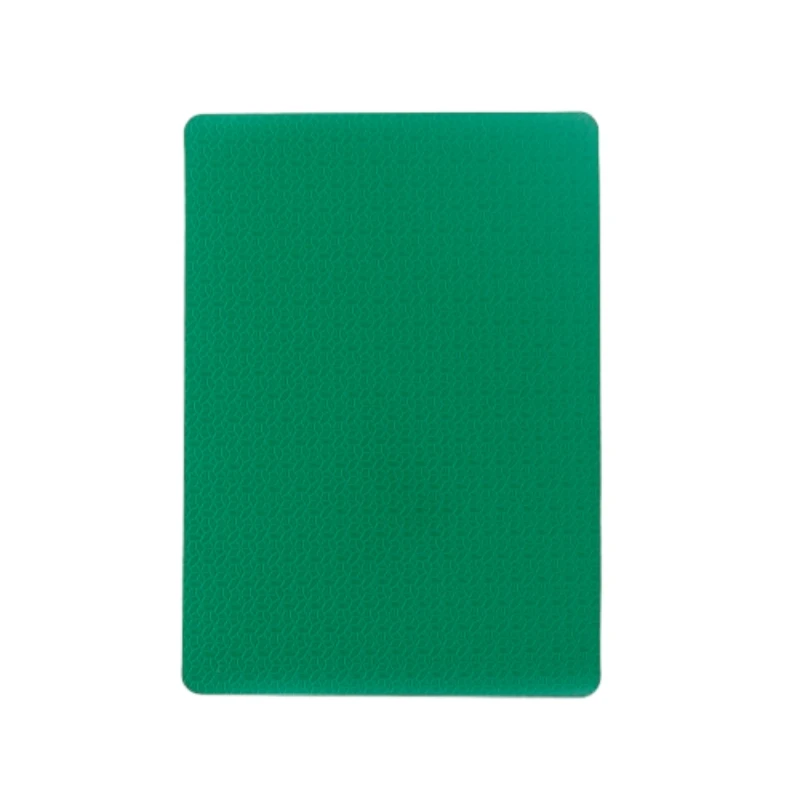
Figure 2: Players experiencing enhanced grip and ball bounce on modern court surfaces.
Product Specification Table: Exquisite Stone Pattern Tennis Flooring
| Parameter | Specification | Standard/Method |
|---|---|---|
| Material Composition | High-grade UV-stabilized Polypropylene (PP) | ISO 1872-1 |
| Tile Dimensions (L x W) | 250mm x 250mm (nominal) | Internal QA |
| Tile Thickness | 13mm (nominal) | Internal QA |
| Surface Pattern | Exquisite Stone Pattern with anti-slip texture | Visual/Tactile |
| Shock Absorption (Force Reduction) | 20% - 25% | DIN 18032-2 |
| Ball Rebound | ≥ 90% | EN 12235 |
| Slip Resistance (Dry/Wet) | R10 / P4 (DIN 51130 / AS 4586) | ASTM F2772 |
| UV Resistance | Excellent (5000 hours QUV accelerated weathering) | ISO 4892-2 |
| Temperature Range | -30°C to +70°C | Internal QA |
| Warranty | 10-Year Limited Warranty | Manufacturer Policy |
Note: Specifications may vary slightly based on specific product lines and continuous improvement processes. Always consult detailed datasheets for final project design.
Application Scenarios and Technical Advantages
Different types of tennis court flooring material excel in specific environments. Understanding these nuances is key for optimal selection.
- Outdoor Commercial Courts (e.g., Resorts, Public Parks): Modular polypropylene tennis court tiles for sale are ideal due to their excellent drainage, UV resistance, and low maintenance. Their interlocking design accommodates thermal expansion and contraction, preventing cracking. The Exquisite Stone Pattern Tennis Flooring, with its robust PP composition, offers exceptional durability against varying weather conditions and heavy foot traffic, while its unique aesthetic enhances the venue's appeal.
- Indoor Multi-Sport Facilities: Acrylic surface systems provide a consistent, cushioned playing experience suitable for professional training and competitive play. Their ability to customize surface speed makes them versatile.
- Residential Private Courts: Both modular tiles and cushioned acrylics are popular. Modular tiles offer DIY potential and cost-effectiveness, while acrylics provide a premium, seamless finish.
- Temporary/Event Courts: Lightweight, interlocking modular tiles are easily installed and dismantled, making them perfect for tournaments or exhibition matches.
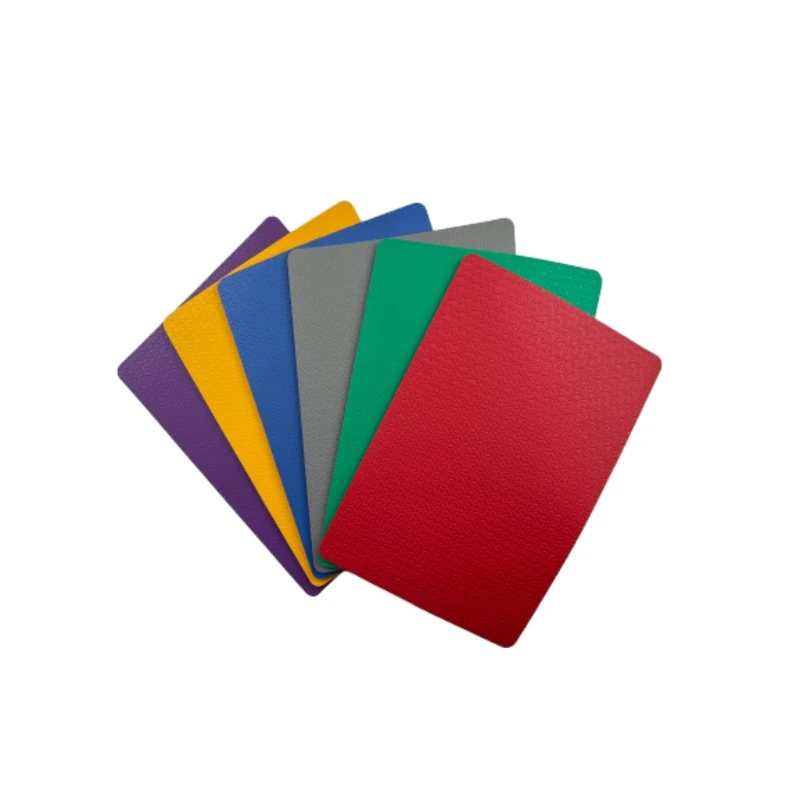
Figure 3: Modern tennis court, showcasing vibrant color and consistent surface texture.
General Technical Advantages of High-Performance Tennis Flooring:
- Player Safety and Comfort: Superior shock absorption significantly reduces stress on joints, minimizing the risk of impact-related injuries and allowing for longer, more comfortable play sessions.
- Optimized Performance: Consistent ball bounce and controlled surface speed enhance the quality of play, catering to various skill levels and playing styles.
- Durability and Longevity: Advanced materials with excellent UV and abrasion resistance ensure a prolonged service life, even under intense usage and harsh environmental conditions, translating to lower lifecycle costs.
- Low Maintenance: Many modern surfaces, especially modular tiles, are designed for easy cleaning and minimal repair, reducing operational expenses for facility managers.
- All-Weather Playability: Engineered drainage systems and non-slip surfaces allow for year-round play, even shortly after rainfall.
Vendor Comparison and Customized Solutions
The market for tennis flooring material is diverse, with various manufacturers offering distinct advantages. A thorough vendor comparison is essential for B2B decision-makers.
Tennis Flooring Material Comparison Table:
| Feature | Modular PP Tiles (e.g., Exquisite Stone Pattern Flooring) | Cushioned Acrylic Hard Court | Artificial Grass (Sand-filled) |
|---|---|---|---|
| Installation Speed | Very Fast (interlocking) | Moderate (multi-layer application & curing) | Moderate (roll-out & infill) |
| Maintenance | Low (easy cleaning, tile replacement) | Moderate (periodic recoating, crack repair) | Moderate (brushing, infill top-up) |
| Shock Absorption | Good (inherent elasticity, sub-structure) | Excellent (cushion layers) | Fair to Good (depending on pile density/infill) |
| Ball Speed (ITF Classification) | Medium to Medium-Fast (Category 2-3) | Slow to Fast (Category 1-5, highly customizable) | Medium-Slow (Category 2) |
| Durability (UV & Wear) | Excellent (UV-stabilized PP) | Good (high-quality acrylics) | Good (fiber degradation over time) |
| Cost (Installation & Materials) | Medium-Low | Medium-High | Medium |
Customized Solutions:
Many suppliers offer tailored solutions to meet specific project requirements. Customization options for tennis flooring include:
- Color Schemes: Beyond standard greens and blues, custom color combinations can align with brand identity or aesthetic preferences. For modular tiles, this means manufacturing tiles in specific color batches.
- Surface Speed Adjustment: Acrylic systems can be engineered with varying aggregates and topcoat textures to achieve specific ball bounce and speed (e.g., fast, medium, slow, as per ITF classifications).
- Logo Integration: Corporate or club logos can be seamlessly integrated into the court surface during installation, particularly with painted acrylics or custom-printed modular tiles.
- Multi-Sport Line Markings: For facilities requiring versatility, permanent or temporary line markings for other sports (e.g., basketball, pickleball) can be incorporated.
- Sub-Base Compatibility: Solutions can be adapted for installation over various existing sub-bases (asphalt, concrete, crushed stone) with appropriate underlayments and preparation.
Application Case Studies and Customer Experience
Real-world applications demonstrate the tangible benefits of choosing the right types of tennis court flooring material.
Case Study 1: Municipal Sports Complex Revitalization
Challenge: A city council needed to upgrade several dilapidated public tennis courts. Key requirements included rapid installation, minimal disruption, enhanced player safety, and long-term durability against heavy public use and diverse weather.
Solution: The council opted for modular polypropylene tennis court tiles for sale, specifically a system akin to the Exquisite Stone Pattern Tennis Flooring. The interlocking design allowed for quick installation directly over the existing asphalt base after minimal repairs.
Results: Installation was completed in less than half the time compared to traditional acrylic resurfacing. Post-installation, feedback indicated significantly improved shock absorption, leading to fewer reports of knee and ankle strain. The integrated drainage system ensured courts were playable even after heavy rain, extending usage hours. The stone pattern offered a unique, upscale aesthetic, drawing more community engagement.
Case Study 2: University Athletic Department Upgrade
Challenge: A university required indoor and outdoor courts that met ITF performance standards for collegiate-level competition and training, emphasizing consistent ball bounce and player comfort.
Solution: High-performance cushioned acrylic systems were installed. The indoor courts received a multi-layer system designed for fast play, while outdoor courts were treated with UV-resistant acrylics with medium-slow speed properties, providing versatility for different training regimens.
Results: The athletic department reported high satisfaction, noting the surfaces provided excellent grip, consistent ball speed (ITF Category 4 for indoor, Category 2 for outdoor), and superior cushioning. The durability of the acrylics stood up to rigorous daily practice, affirming the investment in premium tennis flooring.
Customer Feedback Example: "The modular system was a game-changer for our club. Installation was incredibly fast, and the minimal upkeep allows us to focus on our programs instead of court maintenance. Our members love the feel and the aesthetics." - Club Manager, City Sports Center.
Trustworthiness and Support Information
Frequently Asked Questions (FAQ)
Q: What is the typical lead time for ordering and delivery of tennis court flooring materials?
A: Lead times typically range from 2-4 weeks for standard products, depending on order volume and customization. For large-scale or highly customized projects, a detailed project schedule will be provided upon consultation.
Q: What kind of warranty is offered on your tennis flooring products?
A: Our products, such as the Exquisite Stone Pattern Tennis Flooring, come with a 10-year limited warranty covering material defects and significant performance degradation under normal use conditions. Specific warranty details are outlined in our product documentation.
Q: Do you provide installation services or guidance?
A: While we primarily supply the materials, we offer comprehensive technical support, detailed installation guides, and can recommend certified installation partners in your region to ensure optimal product performance and longevity.
Q: How do your products meet international quality standards?
A: Our manufacturing processes adhere to stringent international standards such as ISO 9001 for quality management. Products are rigorously tested for parameters like slip resistance (ASTM F2772), shock absorption (DIN 18032-2), and UV resistance (ISO 4892-2) to ensure compliance with relevant sports surface benchmarks and to earn accreditations from bodies like the International Tennis Federation (ITF).
Lead Time & Fulfillment
We maintain robust supply chain management to ensure efficient order processing and delivery. Standard orders for stock items typically ship within 7-10 business days. Custom or large-volume orders are subject to a detailed production schedule provided at the time of quotation, usually ranging from 3-6 weeks. We work with trusted logistics partners to facilitate global shipping, ensuring timely and secure delivery of your tennis flooring material.
Warranty Commitments
Our commitment to quality is underscored by our comprehensive warranty policies. Products like our Exquisite Stone Pattern Tennis Flooring carry an industry-leading 10-year limited warranty against manufacturing defects and premature wear under normal usage. This warranty reflects our confidence in the durability and performance of our tennis flooring solutions, providing peace of mind for your investment.
Customer Support and After-Sales Service
We pride ourselves on exceptional customer service. Our dedicated support team is available from project inception through post-installation maintenance. This includes technical advice, installation guidance, troubleshooting, and prompt resolution of any product-related inquiries. Our extensive network of certified partners also ensures localized support and service expertise, making the selection and maintenance of various types of tennis court flooring material seamless.
References
- International Tennis Federation (ITF). "Court Pace Classification." Available from: www.itftennis.com
- ASTM International. "Standards for Sports Surfaces." Available from: www.astm.org
- ISO (International Organization for Standardization). "ISO 9001 Quality Management." Available from: www.iso.org
- DIN (Deutsches Institut für Normung). "Standards for Sports Flooring." Available from: www.din.de
-
Premium Outdoor Dance Floor for Sale Professional Event SurfacesNewsApr.16,2026
-
Premium Professional White Dance Floor for Sale and Buying GuideNewsApr.09,2026
-
Find Your Perfect Portable Dance Floor for Sale and Create Unforgettable EventsNewsApr.07,2026
-
Find High Quality Dance Flooring for Sale and Expert GuidanceNewsApr.04,2026
-
Comprehensive Guide to Durable Commercial Vinyl Solutions for BusinessesNewsMar.31,2026
-
Comprehensive Commercial Flooring Management for Business LongevityNewsMar.28,2026
-
Comprehensive Guide to Selecting the Right Commercial Flooring MaterialsNewsMar.26,2026