


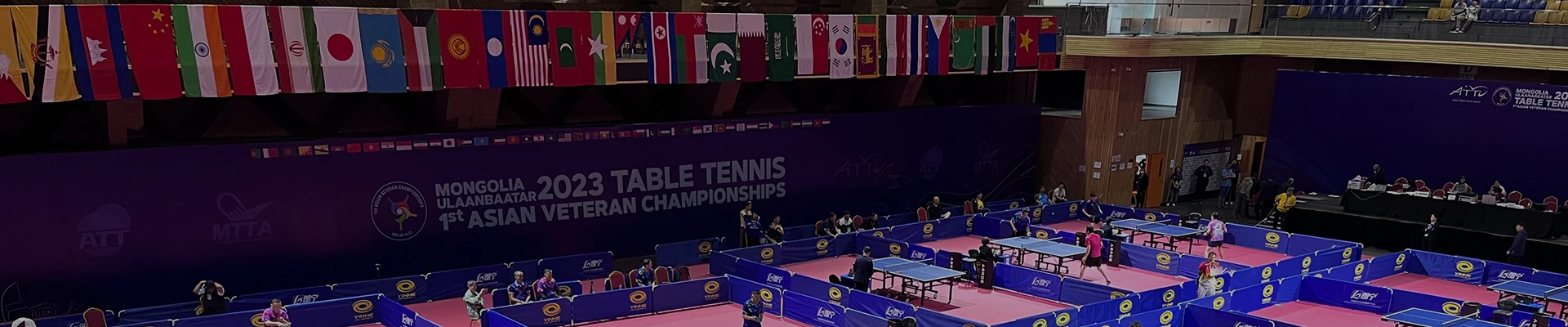
Best Basketball Court Flooring for Backyard - Durable & Customizable Options
Getting to Know Basketball Court Flooring for Your Backyard
If you’re thinking about setting up a basketball court right in your own backyard, one of the most pivotal decisions is selecting the right basketball court flooring for backyard. It might sound like a niche subject, but it actually touches on global issues like safety, cost efficiency, and sustainability in recreational spaces. From enhancing sport experiences to adding property value and fostering community use, understanding the ins and outs of proper basketball flooring matters.
Worldwide, interest in backyard sports spaces has surged. The pandemic, for instance, shifted many people’s approach to at-home recreation. More families are investing in personal courts, making the choice of flooring not just a luxury but a practical priority.
Mini takeaway: The flooring you choose can mean the difference between a durable home court and a slippery, unsafe surface.
Why Basketball Court Flooring for Backyard Is a Global Topic
You might wonder why backyard basketball court flooring even ranks on the global stage. Here’s the thing: according to the World Bank, recreational infrastructure investment greatly impacts community health and urban design. Plus, ISO standards (like ISO 9001 and ISO 20188 for sports surfaces) shape how we think about durable, safe surfaces — including backyard courts.
Globally, urban densification means fewer public parks, so private backyard courts fill that recreational void. Yet, these courts come with challenges — uneven surfaces, weather wear, and environmental concerns — which clever flooring solutions try to solve.
What Exactly Is Basketball Court Flooring for Backyard?
Simply put, basketball court flooring for backyard refers to the materials and systems designed to create a playable surface outside of professional gyms. These range from modular plastic tiles to poured synthetic rubber, each built to mimic indoor court feel but stand up better to weather and rough use.
The connection to modern lifestyles is quite clear: backyard courts are mini sports centers, blending recreational needs with the realities of homeowners who want something safe, reliable, and weather resistant.
Key Features to Consider
Durability & Weather Resistance
Outdoor basketball court surfaces need to survive rain, sun, freezing temps, and maybe even snow. This means materials like polypropylene tiles or acrylic coatings are designed to resist warping and UV damage.
Safety & Shock Absorption
A good court minimizes injury risks by absorbing impact, reducing joint stress. Many homeowners pick cushioned tile systems that offer a “give” but not too much bounce — that balance is crucial.
Maintenance Ease
Backyard courts aren’t pro maintenance zones. Ideally, your surface requires minimal cleaning and can withstand leaves, dirt, or light debris without cracking.
Affordability
Cost varies widely: acrylic coatings are economical but need repainting; snap-together tiles cost more upfront but save on upkeep.
Customization & Aesthetics
Many tile systems now come in multiple colors and can be customized with logos or boundary lines. This aesthetic flexibility has made backyard courts more appealing not only for play but also as backyard showpieces.
Mini takeaway: Each factor affects playability and long-term satisfaction — it’s worth weighing what you value most.
Real-World Applications of Backyard Basketball Flooring
Beyond average household courts, these flooring solutions have found their way into schools, community centers, and rehabilitation facilities worldwide. For instance, in urban settings of cities like Chicago or Toronto, modular tile systems enable quick setup of courts in community zones, even on uneven concrete patches.
In warmer climates like Florida or Spain, porous acrylic surfaces help with drainage, ensuring courts dry quickly after rain. Some organizations even employ backyard sports courts as therapeutic spaces in post-disaster relief areas to foster social interaction and mental health recovery.
Mini takeaway: Versatility is part of what makes this flooring approach so intriguing — it goes beyond backyards!
Advantages & Long-Term Value of Choosing the Right Flooring
- Cost savings: Durable materials reduce replacement frequency.
- Player safety: Better surfaces significantly lower injuries.
- Increased property value: Well-installed courts boost resale appeal.
- Environmental impact: Eco-friendly options help reduce carbon footprints.
- Emotional benefit: Courts promote community, health fun, and family bonding.
Putting this all together, the right choice feels like an investment in well-being and smart home design.
Future Trends in Backyard Basketball Court Flooring
The indoor-outdoor boundary keeps blurring. Smart surfaces embedded with sensors to measure force and footwork are already in trial stages. Meanwhile, sustainability is no longer optional: recycled plastics and bio-based resins are becoming standard ingredients in surface tiles.
Digital customization—where you design court patterns through apps before installation—is another exciting frontier. And, renewable energy-powered cleaning systems (solar-powered) for these courts hint at greener maintenance solutions ahead.
Challenges to Overcome and Practical Solutions
Weather unpredictability remains the biggest headache. Expansion cracks from heat, moss buildup in shade, and uneven settling of underlying soil can degrade surfaces prematurely.
Experts strongly recommend professional sub-base preparation and regular inspections to address these issues early. Also, choosing modular designs helps because problematic tiles can be swapped without major hassle.
Product Specification Table
| Specification | Typical Value | Notes |
|---|---|---|
| Material | Polypropylene Tiles | UV and moisture resistant |
| Tile Dimensions | 12" x 12" (30cm x 30cm) | Modular & customizable |
| Shock Absorption | 30-35% | Reduces joint stress |
| Installation Time | 1-2 days (average backyard) | Depends on surface prep |
| Lifespan | 8-12 years | With regular maintenance |
Vendor Comparison Table: Popular Backyard Court Flooring Providers
| Vendor | Material Type | Price Range (per sq. ft.) | Warranty | Key Feature |
|---|---|---|---|---|
| Langning Sports | Polypropylene Tile | $6 - $9 | 10 Years | Custom colors & quick install |
| Duracourt | Acrylic Coating | $3 - $5 | 5 Years | Fast application & drainage |
| SnapCourt | Interlocking Tiles | $7 - $10 | 8 Years | Durable & slip resistant |
Common Questions About Basketball Court Flooring for Backyard
How do I maintain a backyard basketball court floor?
Maintenance depends on the material. Modular tile floors typically need sweeping and occasional rinsing to clear dirt and debris. Acrylic systems require periodic resurfacing every 3-5 years to maintain grip and appearance. A regular routine prevents slippery algae buildup and prolongs lifespan. Avoid harsh chemicals as they can degrade the surface.
Is it possible to install a basketball court floor myself?
Yes, especially with interlocking tile systems designed for easy DIY installation. These often come with snap-fit designs that do not require adhesives or special tools. However, properly prepping the base surface (leveling, cleaning) is essential for a flat court. For acrylic coatings, professional installation is recommended.
What’s the best flooring option for safety in the backyard?
Many experts favor polypropylene or rubber-based tiles because of their shock absorption and slip resistance. These minimize joint impact and reduce the risk of falls. Though the initial cost may be higher than painted concrete, the long-term safety benefits often justify it.
Can I customize the design or color of my backyard court?
Absolutely! Many vendors now offer a palette of colors and allow custom line markings or even logos. Modular tiles are particularly flexible, allowing mix-and-match patterns. Customized design boosts curb appeal and personal expression.
How durable is backyard basketball flooring under changing weather?
Properly chosen materials with UV and moisture resistance last roughly 8-12 years if maintained well. Harsh winters or very wet climates can shorten lifespan unless the court base is well-drained and the materials rated for such conditions.
Wrapping It Up: Why Your Backyard Deserves Great Basketball Flooring
Investing in the right basketball court flooring for backyard is a win-win. You gain a safe, durable surface that enhances your game and outdoor experience — all while adding value and style to your property. Whether you’re a weekend warrior, a family with kids, or just someone who loves shooting hoops while enjoying nature, the flooring choice shapes everything.
So if you’ve been eyeing that perfect surface, take a moment to explore options like basketball court flooring for backyard and pick one that suits your climate, budget, and lifestyle. Your future self will thank you.
Mini takeaway: The right court floor doesn’t just support play — it supports memories, safety, and home pride.
References
-
Premium Outdoor Dance Floor for Sale Professional Event SurfacesNewsApr.16,2026
-
Premium Professional White Dance Floor for Sale and Buying GuideNewsApr.09,2026
-
Find Your Perfect Portable Dance Floor for Sale and Create Unforgettable EventsNewsApr.07,2026
-
Find High Quality Dance Flooring for Sale and Expert GuidanceNewsApr.04,2026
-
Comprehensive Guide to Durable Commercial Vinyl Solutions for BusinessesNewsMar.31,2026
-
Comprehensive Commercial Flooring Management for Business LongevityNewsMar.28,2026
-
Comprehensive Guide to Selecting the Right Commercial Flooring MaterialsNewsMar.26,2026