


Regional Analysis
The Sports Infrastructure Landscape in Kenya
Understanding the intersection of athletic growth and environmental demands in East Africa.
Kenya's sports sector is experiencing significant growth, driven by a youthful population and an increasing emphasis on health and wellness. In urban hubs like Nairobi and Mombasa, there is a rising demand for professional-grade athletic facilities. However, the local environment presents unique challenges; the high altitude and varied tropical climate require materials that can withstand intense thermal cycles without compromising surface friction or stability. Currently, the market is transitioning from traditional concrete or asphalt surfaces to more advanced synthetic options that offer better safety and longevity.
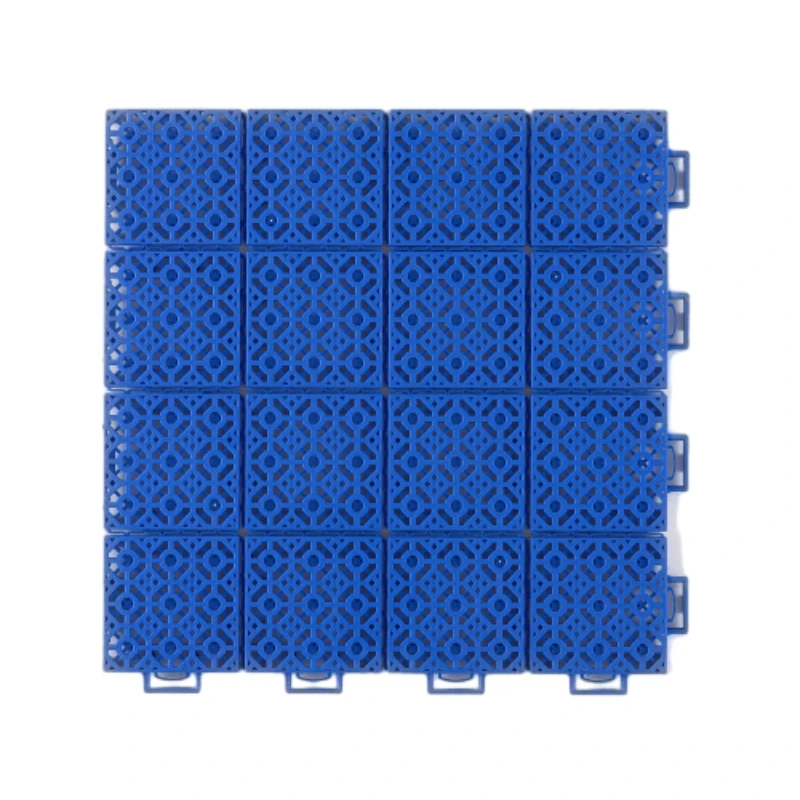
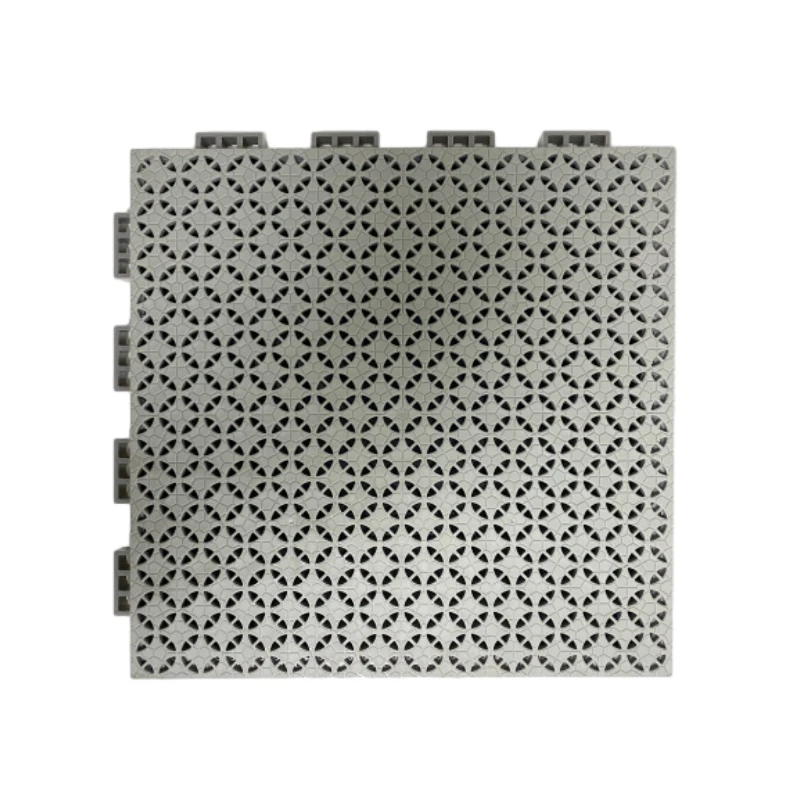
Market trends indicate a strong shift toward multi-purpose facility design. Commercial gym operators and educational institutions are increasingly seeking "all-in-one" flooring solutions that can accommodate basketball, volleyball, and badminton in a single space. This demand is driving the adoption of high-performance basketball court floor systems and modular tiles. Additionally, there is a growing preference for sustainable, low-maintenance PVC materials that reduce the total cost of ownership over a 10-year lifecycle compared to traditional hardwood.
Looking forward, the opportunity lies in the decentralization of sports facilities into suburban and rural areas. As infrastructure improves, the need for rapidly deployable, durable, and certified flooring grows. The primary constraint remains the availability of high-quality OEM/ODM services that can customize flooring for specific local needs. Companies that provide a combination of international certification (FIBA/BWF) and localized technical support are positioned to lead the market, as Kenyan facility managers prioritize long-term resilience over initial low-cost acquisition.
Industry Progress
The Evolution of Athletic Surfacing
From rigid foundations to high-performance synthetic ecosystems.
Early Phase
Traditional Hard-Surfaces
Early courts relied on concrete or asphalt. While durable, these lacked shock absorption and were prone to severe heat retention and surface cracking.
Transition Phase
Synthetic Adoption
The introduction of basic PVC and acrylic coatings improved grip and aesthetics but often lacked the certifications required for professional competition.
Current Phase
Certified Modular Systems
Integration of BWF/FIBA certified modular tiles and multi-layer PVC, offering optimized shock absorption and extreme weather resilience.
The Shift to Interlocking Modulars
Modern facilities are moving away from permanent glue-down systems toward interlocking tiles. This allows for faster installation and the ability to relocate or expand the court without complete demolition, providing unprecedented flexibility for evolving sports complexes.
Performance-Driven Material Science
The focus has shifted from mere "coverage" to "performance." Materials are now engineered to specific friction coefficients and rebound heights to ensure a consistent ball bounce and athlete safety, mirroring the conditions of professional international arenas.
Hyper-Customization in Aesthetics
Flooring is no longer just functional; it is part of the brand identity. The rise of custom colors and integrated graphics allows schools and clubs to create visually stunning environments that attract more members and enhance team pride.
Future Outlook
Next-Generation Flooring Trends
Technological advancements shaping the future of athletic environments.
Adaptive Surface Engineering
Integration of smart materials that can adjust friction levels based on humidity and temperature, ensuring a consistent "pro-feel" regardless of the Kenyan weather.
Circular Economy Materials
Increased use of recycled high-density polymers that maintain industrial strength while reducing the environmental footprint of large-scale court installations.
Hybrid Multi-Sport Zoning
The development of zones within a single court that offer different shock absorption levels, optimized for different sport types (e.g., basketball in center, volleyball at edges).
Enhanced Anti-Microbial Coatings
Application of silver-ion technology in PVC flooring to inhibit bacterial growth, critical for high-traffic indoor gymnasiums and kids' play areas.
The evolution of sports flooring is moving toward a "systemic approach" where the surface is no longer just a covering but an active component of athlete performance and safety. In regions like Kenya, this means moving away from generic materials toward solutions that are specifically engineered for local climatic stressors. By integrating UV resistance with advanced impact absorption, the next generation of flooring will significantly reduce the incidence of stress fractures and joint injuries among amateur and professional athletes alike.
Furthermore, the integration of digital design allows for precise court marking and branding that is embedded into the wear layer rather than painted on top. This eliminates the problem of line fading over time, ensuring that the court remains regulation-compliant for years. This shift toward "permanent precision" is essential for facilities hosting official tournaments, where a few millimeters of marking error can impact the integrity of the game.
Practical Applications
Deployment Scenarios across Kenya
Tailoring flooring technology to specific user needs and environmental conditions.
01
Urban Community Sports Center - Outdoor Basketball
In high-traffic Nairobi community centers, concrete courts often crack due to thermal expansion. By implementing outdoor sport court tiles, the facility gains a breathable surface that manages heat and drains water instantly. This prevents surface pooling during sudden rains, allowing the center to maintain higher utilization rates and provide a safer, professional bounce for local youth leagues.
02
Private Academy Indoor Gymnasium - Badminton
For elite training academies, precision and joint protection are paramount. Utilizing an outdoor badminton court mat (or indoor equivalent PVC), the facility ensures BWF-standard friction. The multi-layer cushioning absorbs the high-impact lateral movements typical of badminton, reducing the risk of ankle sprains for athletes while providing the professional aesthetic required for hosting regional qualifiers.
03
Corporate Wellness Hub - Multi-Sport Space
Corporate campuses in Kenya are integrating wellness zones. A hybrid approach using PVC sports flooring allows a single room to transition from a yoga studio to a volleyball court. The durability of the wear layer handles the transition between different footwear types, while the customizable colors align with corporate branding, creating an inviting environment that promotes employee health.
04
Public School Sports Grounds - Versatile Outdoor Play
Facing limited budgets and harsh weather, public schools require longevity. Interlocking modular tiles provide a cost-effective alternative to asphalt. Because the tiles are UV-stabilized, they do not fade under the Kenyan sun, and the modular nature means a school can replace a single damaged tile rather than resurfacing the entire court, ensuring long-term sustainability of the investment.
05
High-End Residential Complex - Private Court
For luxury residences, the focus is on aesthetics and low noise. A professional basketball gym flooring system provides a "stadium-grade" experience at home. The sound-dampening properties of the PVC underlay prevent noise from echoing into adjacent living spaces, while the premium finish adds significant property value.
Representative Applications
Typical Deployment Outcomes
Illustrating the operational impact of professional flooring in diverse environments.
In high-traffic outdoor settings, the transition to UV-stabilized modular tiles has eliminated the seasonal cracking seen with asphalt. The rapid drainage system ensures that courts are playable within minutes of a rainstorm, significantly increasing the facility's operational hours and user satisfaction.
Implementing FIBA-certified PVC flooring in an indoor gymnasium provided the exact rebound and grip needed for competitive play. The reduction in joint impact has been noted by coaching staff as a key factor in maintaining athlete health during intensive training camps.
The ability to customize court colors and logos within the wear layer has transformed the visual appeal of the sports hub. Maintenance is now simplified to basic cleaning, and the modular nature allows for rapid repairs without shutting down the entire facility.
About Langning
Defining Excellence in Sports Flooring
A trusted partner in creating optimal athletic environments worldwide.
Core Foundation
Specialized Flooring Focus
Established as a dedicated supplier of professional sports flooring, focusing on customized solutions for badminton, basketball, and volleyball courts, ensuring high-performance surfaces for various athletic needs.
Quality Milestone
Global Certification Achievement
Secured esteemed certifications from BWF and FIBA, alongside compliance with ISO, CE, and EN standards, guaranteeing that all products meet the highest safety and quality benchmarks for international competition.
Market Expansion
International Distribution Growth
Expanded global footprint across Southeast Asia and other international markets, building a robust supply chain and distribution network to ensure timely delivery of premium flooring to clients worldwide.
Product Innovation
Diversified Portfolio Development
Developed an expansive product line including gym flooring, dance flooring, and non-slip series, now encompassing nearly 100 different products to cater to diverse environments from kindergartens to professional arenas.
Current Focus
Advanced OEM & ODM Services
Continues to lead the industry by providing effective OEM and ODM services, combining strict quality control with competitive pricing to deliver tailored sports environments for global customers.
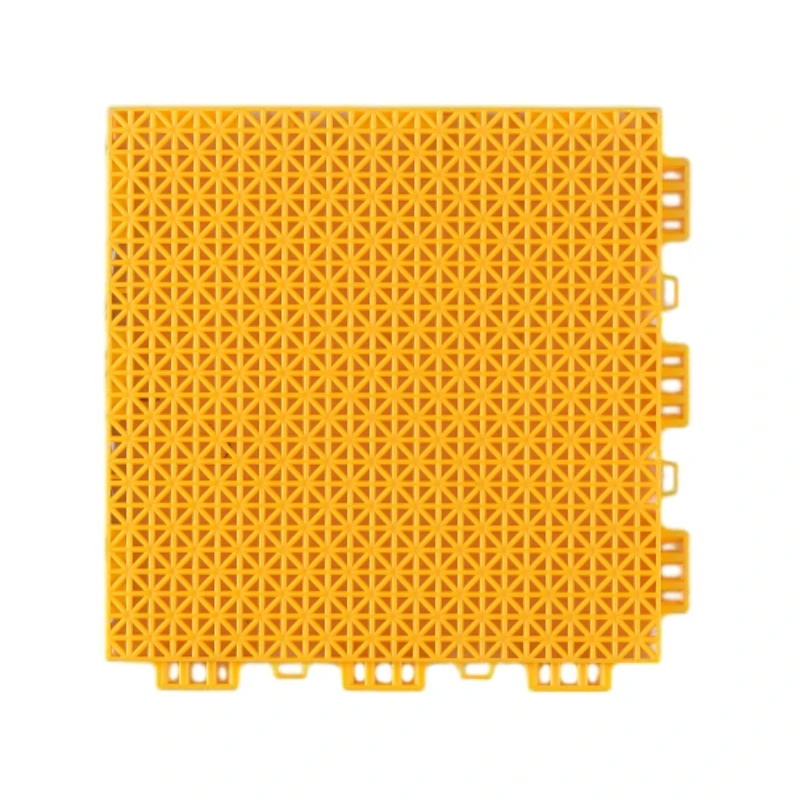
Outdoor PP Interlocking Floor Tiles
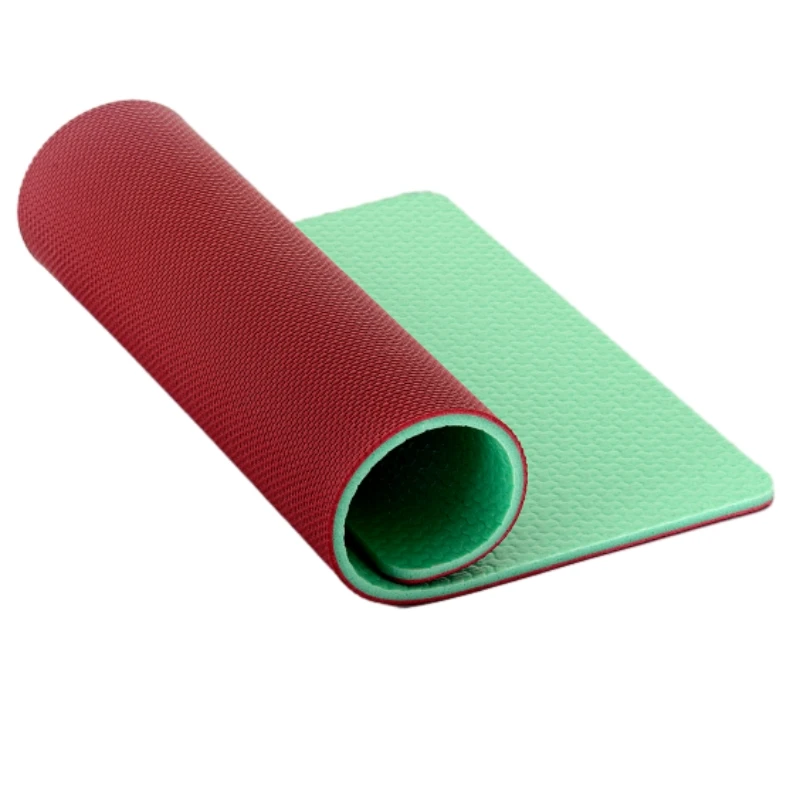
Weaving 4.8mm Sports Flooring
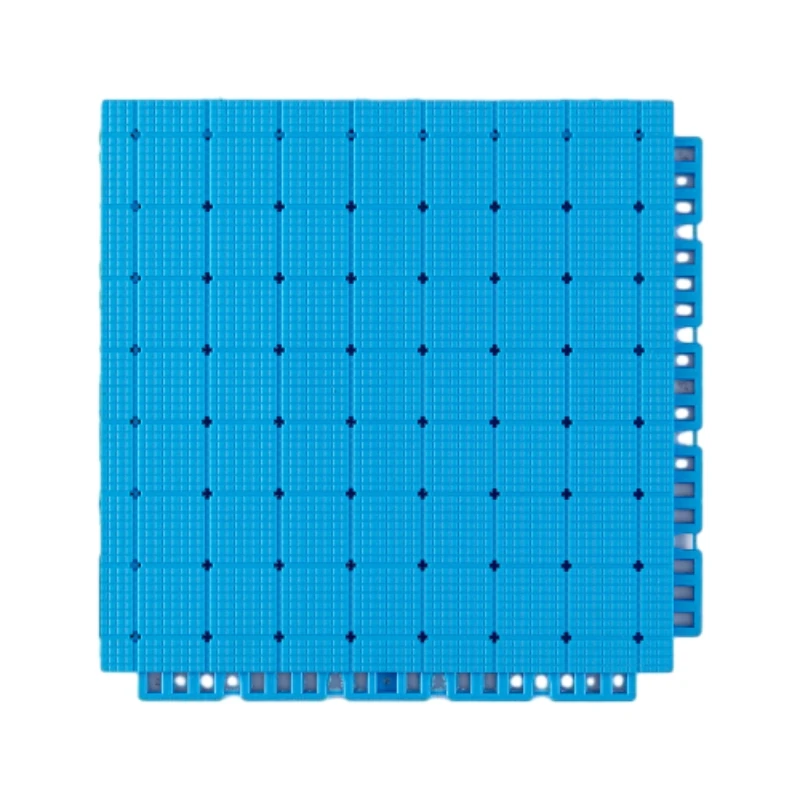
N100 Outdoor Sports Court Tiles
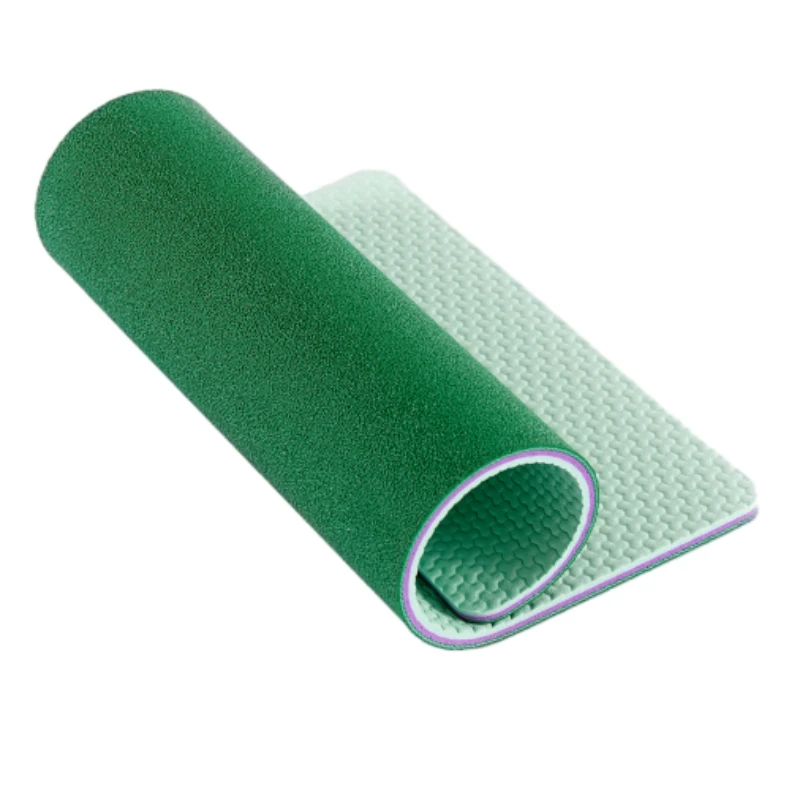
PET Crystal Sand Surface 5.5mm Badminton Court Mat
Expert Guidance
Sports Flooring FAQ
Answers to the most common technical and operational questions for Kenyan facility owners.
What is the difference between PVC sports flooring and modular sport court tiles?
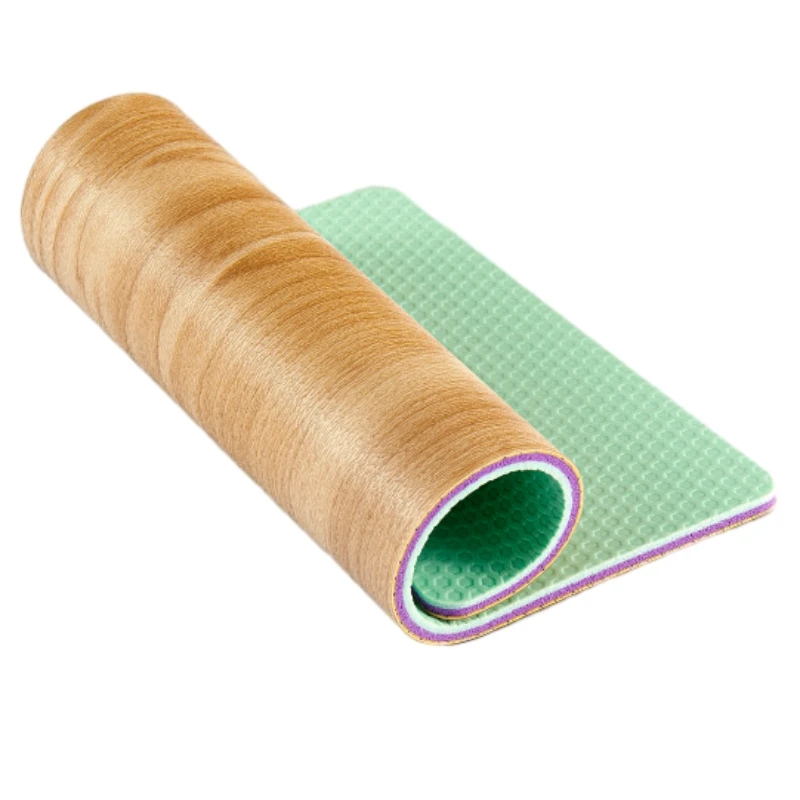
PVC flooring is typically a rolled material that is glued down, offering superior seamlessness and shock absorption, making it ideal for indoor gymnasiums and badminton courts. Modular tiles are interlocking plastic pieces that are laid over a base, offering superior drainage and UV resistance, which makes them the optimal choice for outdoor basketball and multi-sport courts in tropical climates.
How do I choose the right flooring based on my investment budget?
Investment should be viewed through the lens of total cost of ownership. While basic acrylics are cheaper initially, BWF/FIBA certified PVC or UV-stabilized tiles reduce long-term maintenance and replacement costs. For high-traffic public areas, modular tiles offer the best ROI because individual damaged tiles can be replaced without costly full-court resurfacing.
Can these flooring systems be installed on existing concrete surfaces in Kenya?
Yes, both modular tiles and PVC systems can be installed over concrete. For modular tiles, the concrete acts as the stable sub-base, and the tiles provide the necessary drainage and shock absorption. For PVC, we recommend a professional leveling compound be applied first to ensure a perfectly smooth surface, preventing air bubbles or uneven wear.
What technical specifications should I look for to ensure athlete safety?
Prioritize shock absorption (measured in force reduction percentage), slip resistance (coefficient of friction), and surface hardness. Ensure the flooring meets ISO and EN standards. For professional use, FIBA certification for basketball or BWF for badminton is the gold standard, as these guarantee the surface meets the exact performance requirements for official competition.
How should outdoor courts be maintained in high-UV environments?
For modular tiles, regular removal of debris from the gaps is essential to maintain drainage efficiency. For PVC, avoiding harsh chemical cleaners that can strip the wear layer is key. Using UV-stabilized materials from the start is the most effective maintenance strategy, as it prevents the polymer from breaking down under intense sunlight.
What is the first step to starting a court installation project?
The first step is a site assessment to determine the sub-base condition and the primary intended use (multi-sport vs. single sport). Once the requirements are defined, we provide a customized flooring solution and technical drawing. From there, we move to material selection—choosing between PVC or modular tiles based on the indoor/outdoor nature of the project.
Ready to Build
Upgrade Your Facility with Certified Sports Flooring in Kenya
Whether you are designing a professional stadium, a community court, or a private gymnasium, Langning provides the technical expertise and certified materials to ensure your project succeeds. Contact our specialists today to discuss your specific requirements, receive a customized layout design, and find the perfect balance of performance and budget for your Kenyan sports facility.
Request a Consultation